

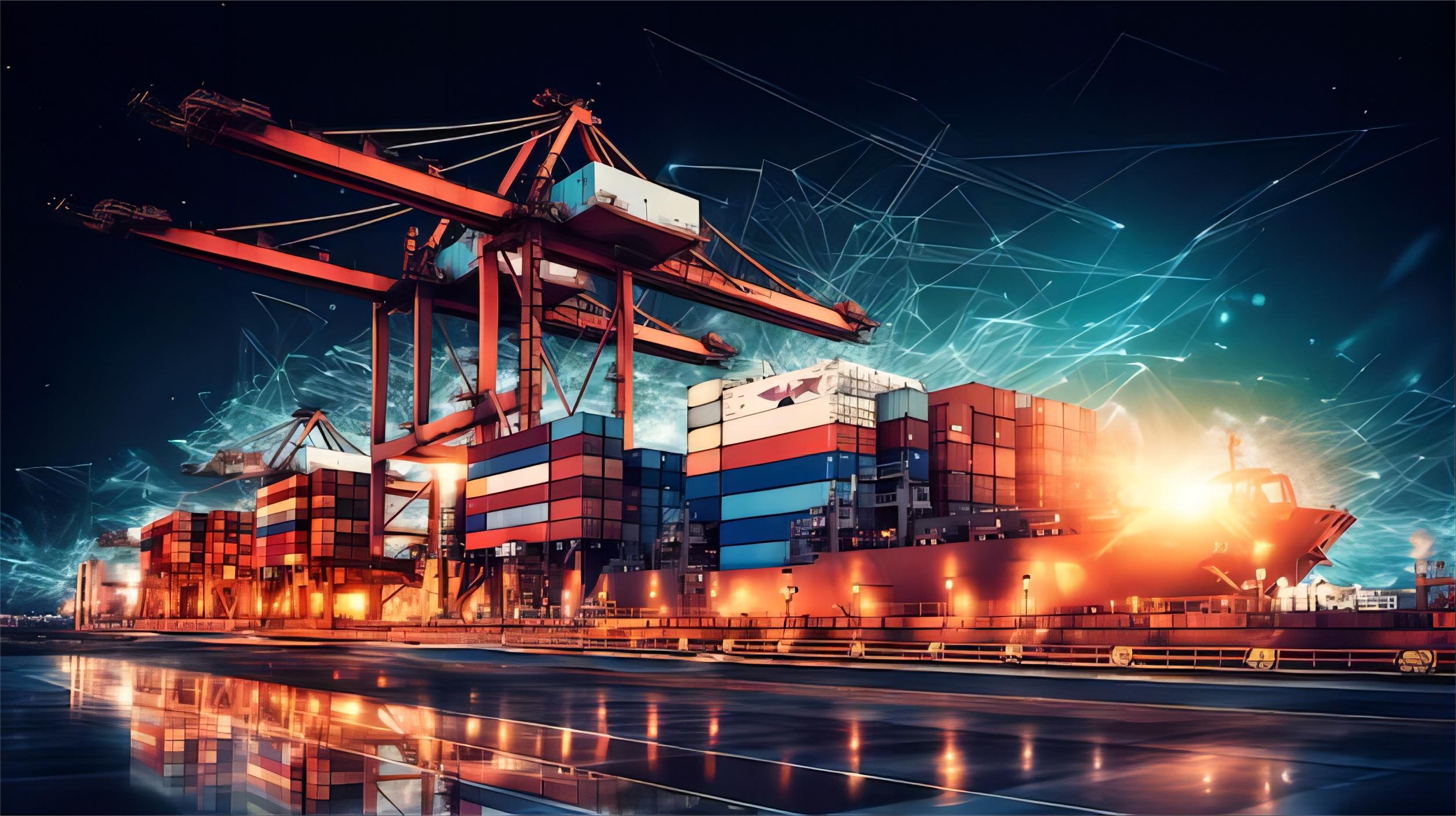
Reefer FCL space availability for auto parts from China to Belgium
Securing Reefer FCL space availability for auto parts from China to Belgium remains a top priority for manufacturers who require precise temperature control for sensitive components. Navigating the complexities of international logistics requires a reliable partner like Top China Freight to ensure your cargo arrives safely and on schedule. Consequently, importers must understand how seasonal fluctuations and carrier capacity impact the movement of automotive goods across this vital trade lane.
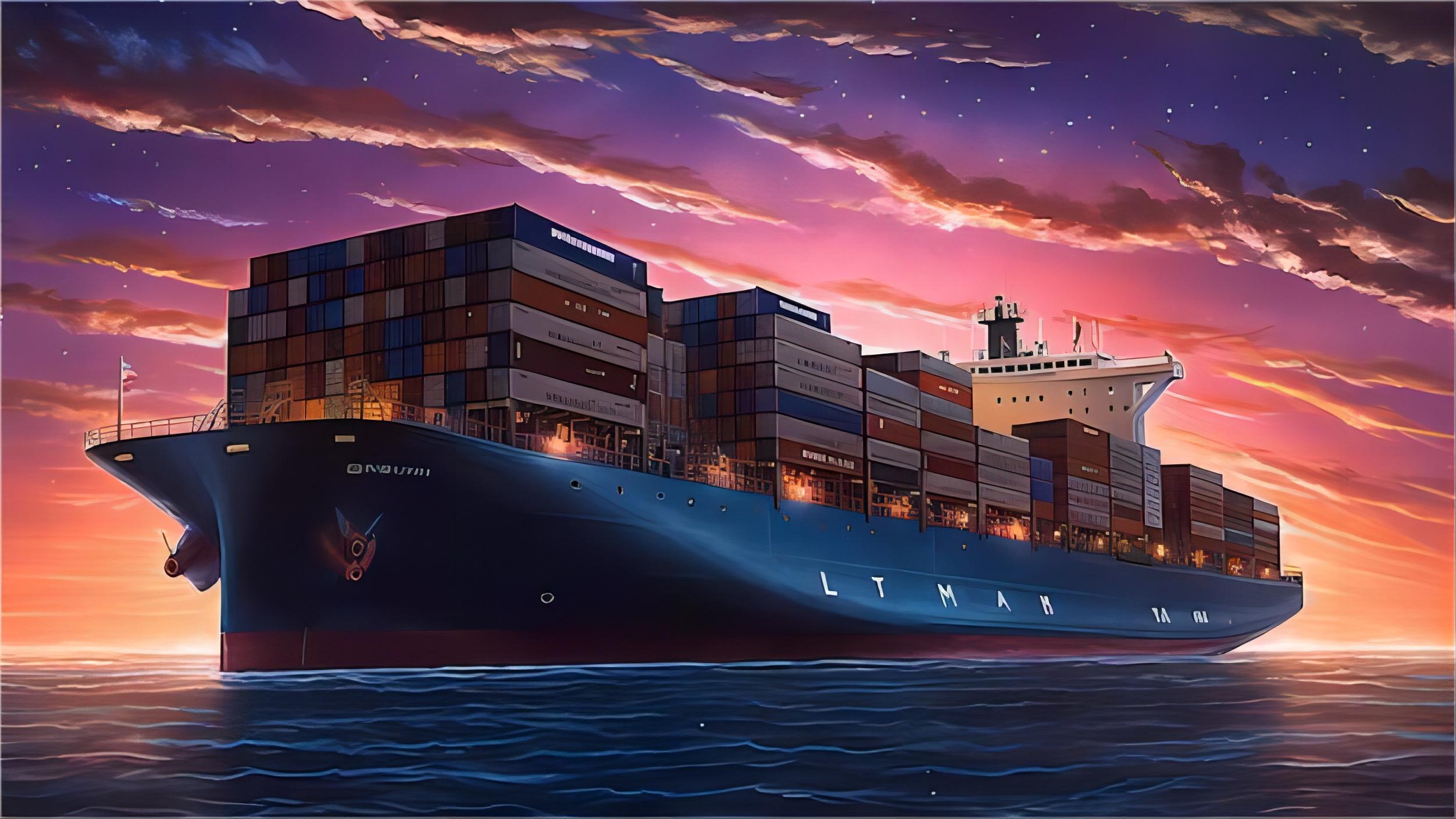
Why Choose Reefer FCL for Auto Parts Shipments?
Automotive manufacturers frequently utilize refrigerated containers to protect high-value electronics, adhesives, and advanced battery systems from extreme temperature variations. Specifically, the Reefer FCL space availability for auto parts from China to Belgium ensures that sensitive materials maintain their chemical integrity during the long journey through diverse climate zones. Moreover, using a full container load provides a dedicated environment that minimizes the risk of contamination or physical damage from other goods.
Furthermore, modern vehicles incorporate sophisticated sensors and lithium-ion components that are susceptible to heat-induced degradation. Therefore, maintaining a consistent temperature range between 15 and 25 degrees Celsius is often a technical requirement rather than a luxury. Additionally, the controlled atmosphere prevents moisture buildup, which is essential for preventing corrosion on precision-engineered metal parts. Indeed, choosing the right equipment is the first step in building a resilient automotive supply chain.
Current Reefer FCL Space Availability for Auto Parts from China to Belgium
Market data suggests that Reefer FCL space availability for auto parts from China to Belgium has stabilized in early 2025 following previous global supply chain disruptions. However, capacity can tighten rapidly during peak production cycles or before major Chinese holidays like the Lunar New Year. Consequently, shippers should look into sea freight options at least four to six weeks in advance to secure the necessary equipment and vessel space.
Meanwhile, major ports such as Shanghai, Ningbo, and Shenzhen continue to serve as the primary gateways for automotive exports to Europe. Nevertheless, the availability of reefer plugs at these terminals can occasionally become a bottleneck during high-demand periods. For instance, when agricultural exports peak, the competition for refrigerated units increases significantly. Accordingly, working with a forwarder who has strong carrier relationships is vital for maintaining a steady flow of parts to Belgian assembly plants.
How Reefer FCL Compares to Other Shipping Options
Understanding the differences between various transport modes is crucial for optimizing your logistics budget and meeting production deadlines. While Reefer FCL offers the best protection for large volumes, other methods might be more suitable for urgent or smaller shipments. For example, air freight provides unparalleled speed but comes at a much higher price point, making it suitable only for critical shortages.
In contrast, rail freight offers a middle ground between sea and air, though reefer capacity on rail lines is often more limited than on ocean vessels. Therefore, most high-volume importers prioritize sea freight for its cost-effectiveness and reliable equipment availability. To summarize the options, consider the following comparison of common shipping methods for the China-Belgium route.
| Shipping Method | Cost Range (USD) | Transit Time | Best For |
|---|---|---|---|
| Reefer FCL (40HQ) | $3,800 – $5,500 | 30-40 Days | High-volume sensitive parts |
| Dry FCL (40HQ) | $2,800 – $4,200 | 30-35 Days | Standard mechanical parts |
| Air Freight (1000kg) | $4,500 – $7,000 | 5-8 Days | Urgent production needs |
| Rail Freight (FCL) | $4,000 – $6,000 | 18-24 Days | Mid-range speed and cost |
Key Factors Influencing Reefer Space and Rates
Several variables dictate the current Reefer FCL space availability for auto parts from China to Belgium, including fuel surcharges and carrier alliances. Additionally, port congestion in major hubs like Antwerp or Zeebrugge can lead to equipment imbalances, where containers are stuck at the destination instead of returning to China. Consequently, these imbalances often lead to temporary price hikes and reduced booking options for exporters in Asia.
Furthermore, navigating the complexities of customs brokerage is essential for avoiding delays that could result in additional storage fees. Without a doubt, any delay in clearing customs can jeopardize the temperature-sensitive nature of the cargo if the container is not properly powered. Therefore, proactive documentation management is just as important as securing the physical space on a vessel. Indeed, a well-prepared shipment is less likely to face unexpected hurdles at the Belgian border.
Which Option Should You Choose? A Decision Framework
Selecting the right shipping strategy depends on your specific cargo requirements, budget constraints, and delivery timelines. If your priority is cost reduction and you have a flexible schedule, sea freight is the logical choice for large-scale imports. On the other hand, if you are dealing with a Just-In-Time (JIT) manufacturing model, you might need to utilize a mix of transport modes to ensure continuous supply.
Moreover, consider the volume of your shipment when deciding between FCL and LCL options. For auto parts that require temperature control, FCL is almost always recommended because LCL reefer services are rare and carry higher risks of temperature fluctuations. To help you decide, follow these criteria: Budget priority leads to sea freight; Speed priority leads to air or rail; Sensitive cargo always requires Reefer FCL.
Alternative Strategies for Shipping Auto Parts
Importers often explore alternative strategies when Reefer FCL space availability for auto parts from China to Belgium is limited. One effective approach is using thermal blankets or insulated liners within standard dry containers for parts that are less sensitive to extreme heat but still need some protection. Additionally, some companies opt for a sea-air hybrid solution, shipping goods by sea to a hub like Dubai and then flying them to Europe to save time without the full cost of direct air freight.
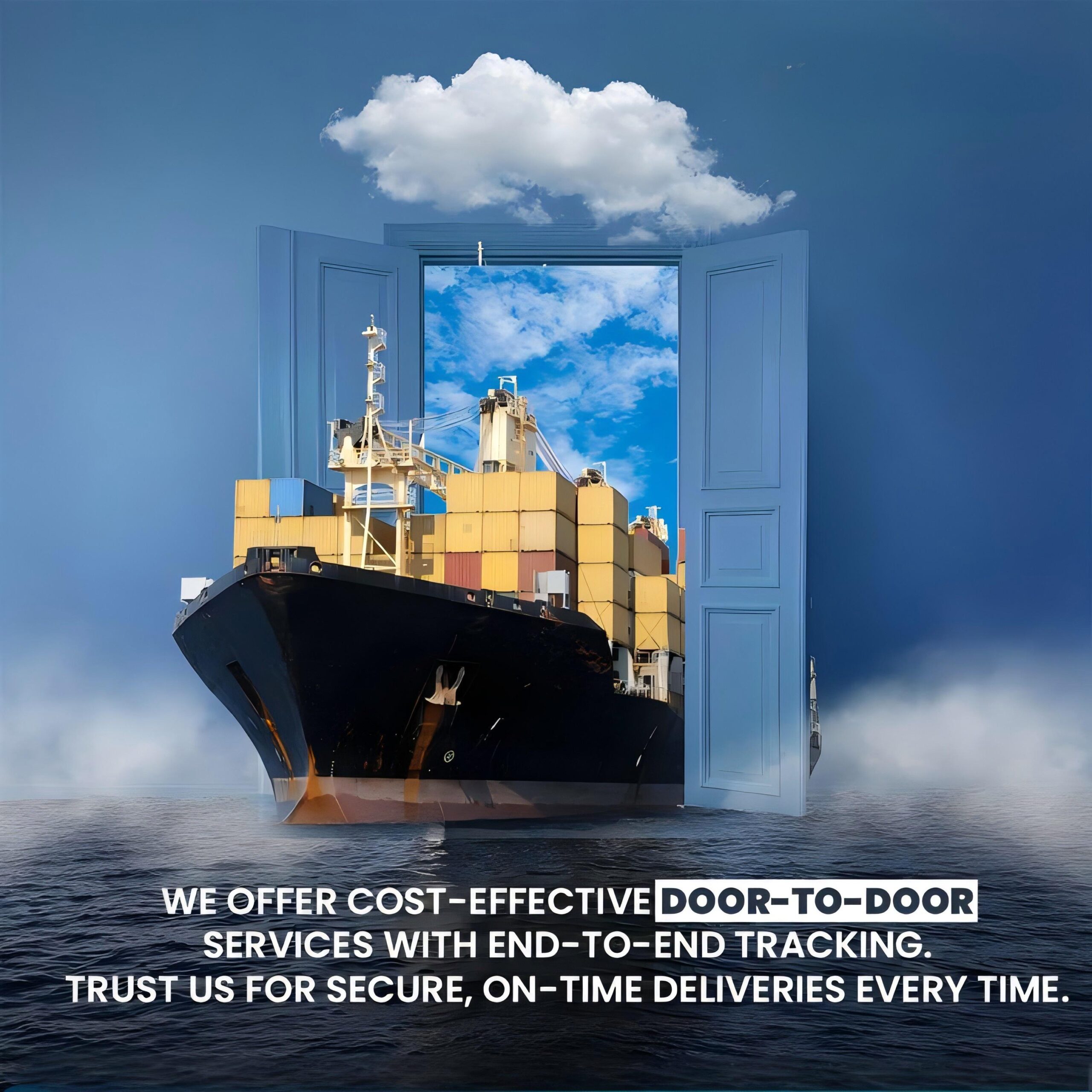
Furthermore, utilizing door to door services can simplify the entire process by consolidating all logistics steps under a single provider. This approach reduces the risk of communication gaps between different carriers and terminal operators. In addition, diversifying your ports of loading in China can provide more options when space is tight at major hubs like Shanghai. For instance, shipping from smaller ports like Xiamen or Qingdao might offer better availability during peak seasons.
Essential Customs Documentation for China-Belgium Trade
Shipping auto parts to Europe requires meticulous attention to detail regarding European Union import regulations. Specifically, Belgian customs authorities require a comprehensive set of documents to verify the origin, value, and safety of automotive components. Consequently, any errors in the paperwork can lead to lengthy inspections and increased costs for the importer.
Additionally, ensure that all wooden packaging materials comply with ISPM 15 standards to prevent biological hazards. Moreover, the commercial invoice must clearly state the Harmonized System (HS) codes for each specific part to determine the correct duty rates. To summarize the requirements, the following table outlines the essential documents needed for a smooth clearance process in Belgium.
| Document Name | Purpose | Required By | Format |
|---|---|---|---|
| Bill of Lading | Title of goods | Carrier/Customs | Digital/Original |
| Commercial Invoice | Tax/Duty valuation | Belgian Customs | Digital |
| Packing List | Cargo verification | Port Authorities | Digital |
| Certificate of Origin | Trade agreement proof | Customs | Original |
Real Case Studies: China to Belgium Logistics
Examining real-world examples provides valuable insights into the actual costs and timelines involved in shipping auto parts. These cases reflect typical scenarios encountered by importers in the current market environment. Note: Freight rates are subject to change based on fuel costs, carrier capacity, and seasonal demand. Contact us for a current quote tailored to your specific shipment.
Case Study 1: High-Value Sensors from Shanghai to Antwerp. Cargo: 40HQ Reefer, 22 Tons of automotive electronics. Shipping Method: Direct Sea Freight. Ocean Freight: $4,200. Origin Charges: $350. Destination Charges: $480. Total Landed Cost: $5,030. Timeline: 32 Days port-to-port. Key Insight: Early booking allowed the client to secure space during the Q4 peak season.
Case Study 2: New Energy Vehicle Batteries from Shenzhen to Zeebrugge. Cargo: 20GP Reefer, 15 Tons. Shipping Method: Sea Freight via Singapore. Ocean Freight: $3,100. Origin Charges: $300. Destination Charges: $450. Total Landed Cost: $3,850. Timeline: 38 Days. Key Insight: Transshipment was chosen to reduce costs, though it added 6 days to the transit time.
How to Secure the Best Reefer Freight Rates
Negotiating competitive rates for Reefer FCL space availability for auto parts from China to Belgium requires a proactive approach and market intelligence. Firstly, consolidating shipments into larger 40HQ containers is generally more economical than using multiple 20GP units. Secondly, avoiding the peak season surcharge by planning shipments during the shoulder months can save thousands of dollars annually.
Additionally, maintaining a consistent shipping volume allows you to negotiate long-term contracts with carriers rather than relying on volatile spot market rates. Furthermore, optimizing your packaging to maximize container utilization ensures you are not paying to ship empty space. Indeed, small adjustments in your logistics strategy can lead to significant improvements in your bottom line over time.
Final Thoughts on Reefer FCL for Auto Parts
In conclusion, managing Reefer FCL space availability for auto parts from China to Belgium requires a combination of early planning, technical knowledge, and reliable partnerships. By understanding the factors that influence capacity and costs, importers can make informed decisions that protect their cargo and their budgets. Whether you are shipping sensitive electronics or heavy mechanical components, the right logistics strategy is essential for success in the competitive European automotive market.
Therefore, staying updated on market trends and maintaining flexibility in your transport modes will ensure your supply chain remains resilient. As the industry continues to evolve, the demand for specialized reefer services will only grow, making it more important than ever to secure your space early.
Ready to streamline your logistics?
Ready to optimize your automotive supply chain? Contact Top China Freight today to secure your Reefer FCL space availability for auto parts from China to Belgium and get a competitive quote tailored to your needs.
Request Quote