

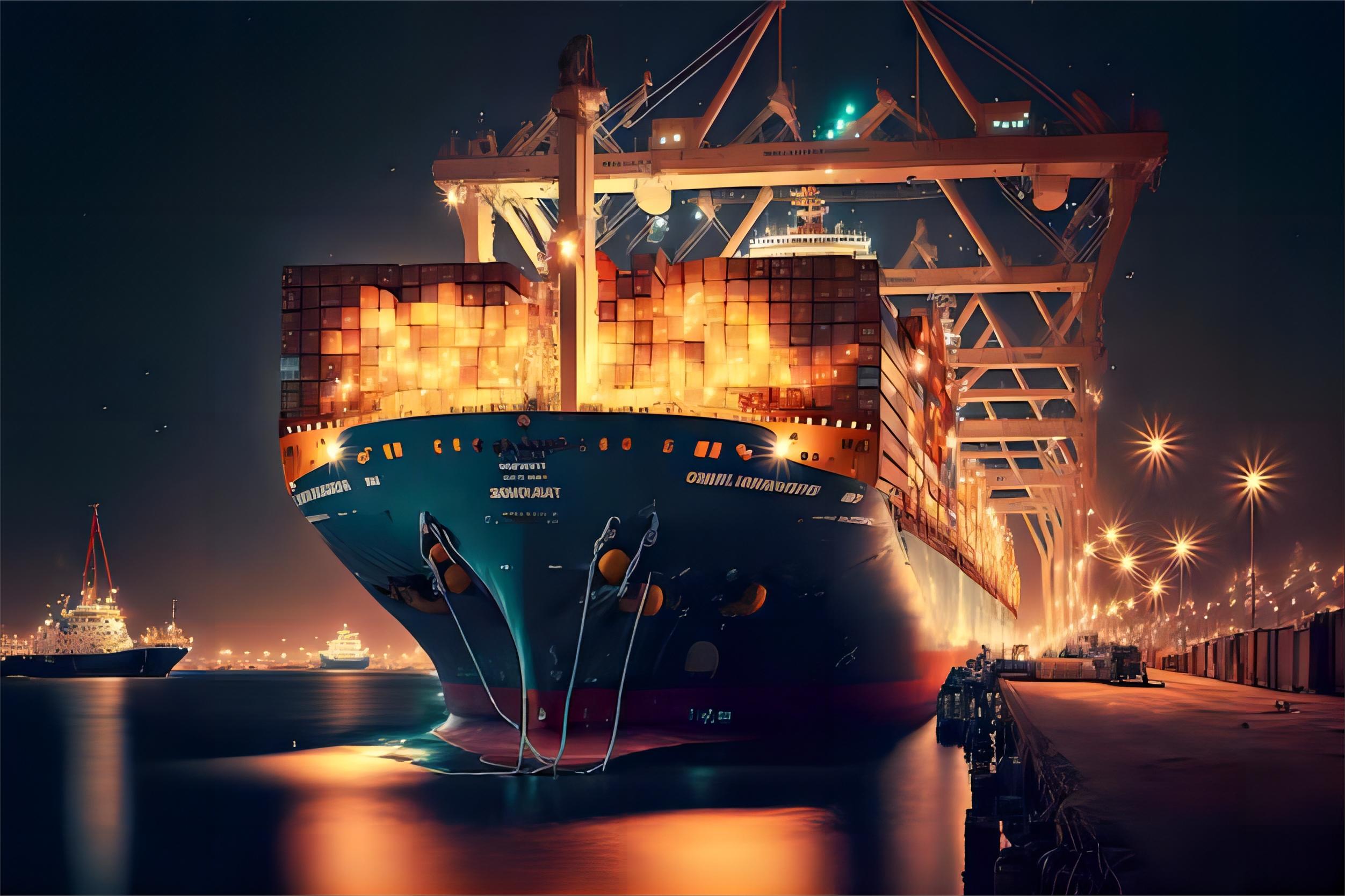
Reefer FCL transit time for furniture from China to Norway: Expert Guide
Navigating international logistics requires precise planning, especially when calculating the Reefer FCL transit time for furniture from China to Norway for high-value goods. Importers often face challenges regarding temperature fluctuations and moisture control during the long journey across the ocean. Understanding these timelines ensures your supply chain remains resilient and your inventory arrives in pristine condition. This guide provides a comprehensive breakdown of shipping durations, cost factors, and strategic alternatives for Norwegian businesses sourcing from Chinese manufacturers.

What is the Typical Reefer FCL Transit Time for Furniture from China to Norway?
Shipping durations for refrigerated containers typically range between 35 to 50 days depending on the specific route and carrier. Specifically, most sea freight shipments departing from major hubs like Shanghai or Ningbo take approximately 40 days to reach Oslo. However, transit times can fluctuate based on the number of transshipment points involved in the journey.
Direct services are increasingly rare for this specific route, meaning most cargo will pass through major European hubs like Rotterdam or Hamburg. Consequently, the time spent at these intermediate ports can add 5 to 7 days to the total schedule. Nevertheless, utilizing a full container load (FCL) remains the most reliable method for maintaining a consistent temperature environment for delicate furniture.
Seasonal factors also play a significant role in determining how long your furniture stays at sea. For instance, during the peak season from August to October, port congestion in both China and Europe can lead to delays of up to two weeks. Therefore, planning your orders well in advance of the Norwegian winter season is essential for maintaining stock levels.
Weather conditions in the North Sea and the South China Sea can occasionally impact vessel speed and safety protocols. Accordingly, carriers may adjust their routes to avoid severe storms, which might extend the transit time by several days. Despite these variables, modern logistics tracking allows importers to monitor their shipments in real-time for better predictability.
How Does Reefer FCL Compare to Other Shipping Options?
Choosing between different transport modes requires a careful balance of speed, cost, and cargo safety. While dry containers are the standard for most furniture, reefer units provide a controlled atmosphere that prevents wood warping and leather degradation. On the other hand, air freight offers unmatched speed but comes at a significantly higher price point that may not be sustainable for heavy furniture.
Rail freight serves as a middle ground, offering faster transit than sea freight while remaining more affordable than air transport. However, the availability of reefer rail services from China to Norway is limited compared to ocean-going options. In contrast, sea freight remains the backbone of the furniture trade due to its massive capacity and cost-effectiveness for bulky items.
Standard dry FCL is often 20% to 30% cheaper than reefer FCL, but it lacks the humidity and temperature controls necessary for luxury pieces. Furthermore, LCL (Less than Container Load) is rarely recommended for reefer cargo because it is difficult to consolidate multiple temperature-sensitive shipments from different suppliers. To summarize, the Reefer FCL transit time for furniture from China to Norway offers the best protection for premium products.
| Shipping Method | Cost Range (USD) | Transit Time | Best For | Limitations |
|---|---|---|---|---|
| Reefer FCL (40HQ) | $3,500 – $5,500 | 38-48 Days | High-end wood/leather | Higher cost than dry |
| Dry FCL (40HQ) | $2,800 – $4,200 | 35-45 Days | Standard furniture | No climate control |
| Rail Freight | $6,000 – $9,000 | 18-24 Days | Urgent inventory | Limited reefer availability |
| Air Freight | $15,000+ | 5-9 Days | Prototypes/Luxury | Extremely expensive |
Why Use Refrigerated Containers for Furniture Shipping?
Maintaining a stable environment is crucial when transporting organic materials like solid wood, which can expand or contract with temperature changes. Indeed, many high-end furniture manufacturers insist on reefer containers to prevent the ‘container sweat’ phenomenon that occurs during transit through tropical and temperate zones. Consequently, this prevents mold growth and structural damage that could ruin an entire shipment.
Leather upholstery is equally sensitive to extreme heat and humidity, which can lead to cracking or discoloration over a 40-day voyage. Additionally, the insulation provided by a reefer container acts as a buffer against the intense heat found on the deck of a cargo ship. Therefore, investing in climate-controlled logistics is a form of insurance for your inventory’s value.
Sophisticated sensors within modern reefer units allow for precise monitoring of humidity levels throughout the journey. Moreover, these containers are designed to maintain a consistent internal temperature even if the external environment fluctuates by forty degrees. Without a doubt, the peace of mind provided by these technical features justifies the additional freight expenditure.
Cost Analysis for China to Norway Reefer Shipments
Freight rates for 2025 have stabilized but remain higher than pre-2020 averages due to increased fuel costs and equipment maintenance. Specifically, a 40ft High Cube reefer container from Shenzhen to Oslo currently costs between $3,800 and $5,200 depending on the carrier. In addition to the base ocean freight, importers must account for electricity surcharges known as ‘reefer plug-in fees’ at the ports.
Professional customs brokerage services are vital for navigating Norwegian import duties and VAT (MVA) requirements. Indeed, misclassifying furniture under the wrong HS code can lead to significant fines and prolonged delays at the border. Consequently, the total landed cost should include documentation fees, port handling charges, and inland delivery.
Note: Freight rates are subject to change based on fuel costs, carrier capacity, and seasonal demand. Contact us for a current quote tailored to your specific shipment.
| Route | 20GP Reefer | 40HQ Reefer | Avg. Transit Time |
|---|---|---|---|
| Shanghai to Oslo | $3,100 – $3,900 | $4,200 – $5,400 | 40 Days |
| Ningbo to Bergen | $3,300 – $4,100 | $4,500 – $5,800 | 44 Days |
| Shenzhen to Drammen | $2,900 – $3,700 | $4,000 – $5,200 | 42 Days |
| Qingdao to Stavanger | $3,400 – $4,200 | $4,700 – $6,100 | 46 Days |
Alternative Strategies and Cost-Saving Tips
Implementing a hybrid shipping strategy can sometimes reduce costs without significantly increasing the Reefer FCL transit time for furniture from China to Norway. For example, some importers choose to ship to a major European hub like Rotterdam and then use feeder vessels or trucks for the final leg to Norway. This approach can sometimes bypass the higher direct-to-Norway freight rates during peak demand periods.
Booking your shipment at least 3-4 weeks in advance is another effective way to secure better rates and guaranteed equipment availability. Furthermore, choosing ‘off-peak’ departure dates in the middle of the month can result in savings of 5% to 10% compared to end-of-month sailings. Nevertheless, always prioritize carrier reliability over the absolute lowest price to avoid cargo rolling.
Consolidating shipments from multiple suppliers into a single FCL can also optimize your logistics spend. However, this requires careful coordination to ensure all goods are ready for loading at the same time to avoid detention and demurrage charges. In conclusion, a well-planned logistics strategy is the key to balancing speed and expenditure.
Real-World Case Studies: China to Norway
Case Study 1: High-End Oak Tables from Shanghai to Oslo. A Norwegian retailer imported 25 CBM of solid oak furniture using a 40HQ Reefer container. The shipment departed Shanghai via a major carrier and arrived in Oslo after 41 days. Total ocean freight was $4,450, with customs clearance completed in 48 hours. The key insight was that the temperature was maintained at a steady 18 degrees Celsius, resulting in zero wood warping upon arrival.
Case Study 2: Designer Leather Sofas from Shenzhen to Bergen. This shipment utilized a door to door service to manage the complex logistics of the Norwegian fjords. The cargo consisted of 18 CBM of premium leather sofas in a 20GP Reefer. Transit time took 45 days due to a transshipment in Hamburg. Total landed cost was $5,100, and the customer avoided moisture damage that often affects leather in dry containers during the rainy season.

Case Study 3: Seasonal Furniture Rush from Ningbo to Drammen. During the Q4 peak season of 2024, an importer faced 15% higher rates but secured space by booking 5 weeks early. The sea transit lasted 43 days, and the use of a reefer container protected the delicate fabric finishes from the extreme cold encountered during the final delivery leg in Norway. This case highlights the importance of early booking during high-demand periods.
Which Option Should You Choose for Your Furniture?
Budget priority dictates that standard dry containers are the go-to for mass-produced furniture that is not susceptible to climate damage. However, if you are importing from Europe or China and your products are high-value, reefer is the standard. Speed priority should lead you toward rail or air options, though these are rarely cost-effective for full furniture sets.
Cargo type considerations are the most important factor in this decision. For instance, antique furniture or pieces with intricate veneers absolutely require the stability of a refrigerated unit. Meanwhile, flat-pack furniture made of composite materials can usually survive the Reefer FCL transit time for furniture from China to Norway in a standard dry box. Always consult with your logistics partner to assess the specific needs of your materials.
Final Thoughts on Shipping Furniture to Norway
Managing the Reefer FCL transit time for furniture from China to Norway requires a deep understanding of both the shipping industry and the specific needs of your cargo. By selecting the right container type and planning for a 40-day window, you can ensure your high-quality furniture reaches the Norwegian market in perfect condition. Remember to account for seasonal variations and work with experienced partners to navigate the complexities of international trade.
Ultimately, the investment in refrigerated transport pays for itself by reducing the risk of damaged goods and maintaining customer satisfaction. Stay informed about market trends and maintain flexibility in your logistics strategy to thrive in the competitive furniture industry.
Ready to streamline your logistics?
Ready to secure your supply chain and optimize your Reefer FCL transit time for furniture from China to Norway? Our team of logistics experts is standing by to provide you with a tailored quote and professional guidance for your next shipment. Visit our inquiry page to get started today.
Request Quote