

Reliable FCL Shipping from China to Belgium: A Complete 2025 Logistics Guide
Businesses seeking reliable FCL shipping from China to Belgium often face complex logistics hurdles. Top China Freight simplifies this process by offering streamlined container solutions. Therefore, importers can focus on growth while we handle the heavy lifting of international transport. Specifically, choosing Full Container Load ensures your goods remain undisturbed from the factory to the final destination.

Why Choose FCL Shipping for Your Belgium Cargo?
Full Container Load (FCL) stands as the gold standard for businesses transporting large volumes of goods. Consequently, this method offers enhanced security because the container is dedicated solely to your shipment. Furthermore, sea freight via FCL typically involves fewer handling steps compared to Less than Container Load (LCL).
Moreover, FCL shipping provides a more predictable delivery schedule. Since the container does not need to be consolidated or deconsolidated with other shippers cargo, the risk of delays decreases significantly. Indeed, many European importers prefer this method for high-value or fragile items.

Additionally, the cost per unit often drops when you fill an entire 20ft or 40ft container. Therefore, it remains a highly cost-effective strategy for expanding businesses. Most importantly, reliable FCL shipping from China to Belgium guarantees that your supply chain remains robust and efficient.
How Does FCL Compare to Other Shipping Options?
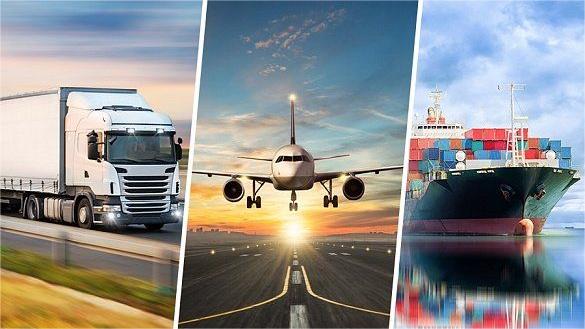
Evaluating different transport modes is crucial for optimizing your logistics budget. While FCL is the most common choice, alternatives like rail freight offer unique advantages for specific timelines. Specifically, rail is faster than sea but more expensive.
On the other hand, air freight serves urgent needs but carries a much higher price tag. Consequently, most bulky industrial goods or retail stocks move via ocean containers to maintain profitability. Meanwhile, hybrid solutions can sometimes bridge the gap between speed and cost.
The following table provides a clear comparison of the primary shipping methods available for the China-Belgium route.
| Shipping Method | Cost Range | Transit Time | Best For |
|---|---|---|---|
| FCL Sea Freight | $2,000 – $4,200 | 30 – 40 Days | Bulk Goods |
| Rail Freight | $4,500 – $7,000 | 18 – 24 Days | Mid-value Cargo |
| Air Freight | $5 – $9 per kg | 5 – 8 Days | Urgent Samples |
| LCL Sea Freight | $80 – $150 per CBM | 35 – 45 Days | Small Shipments |
Understanding Costs for Reliable FCL Shipping from China to Belgium
Pricing for FCL shipments fluctuates based on seasonal demand and global fuel costs. As of early 2025, market data suggests that rates have stabilized compared to previous years. Nevertheless, shippers should always account for origin and destination charges.
Furthermore, the size of the container plays a major role in the final quote. A 40HQ container offers significantly more volume than a 20GP for a relatively small price increase. Consequently, maximizing container space is a key strategy for reducing landed costs.
Note: Freight rates are subject to change based on fuel costs, carrier capacity, and seasonal demand. Contact us for a current quote tailored to your specific shipment.
| Container Type | Capacity (CBM) | Est. Freight Cost | Typical Cargo |
|---|---|---|---|
| 20GP Container | 28 – 30 CBM | $1,800 – $2,500 | Heavy Machinery |
| 40GP Container | 56 – 58 CBM | $2,800 – $3,800 | Furniture/Textiles |
| 40HQ Container | 68 – 70 CBM | $3,000 – $4,200 | Light Electronics |
Key Transit Times from Major Chinese Ports to Belgium
Transit times vary depending on the port of loading and the specific shipping line used. Generally, shipments from Eastern China ports like Shanghai or Ningbo take slightly longer than those from Southern China. However, the difference is often only a matter of days.
Shipping to Europe involves passing through the Suez Canal, which is the most direct route. If vessels are rerouted via the Cape of Good Hope, transit times can increase by 10 to 14 days. Therefore, staying informed about maritime news is essential for planning.
Most reliable FCL shipping from China to Belgium arrives at the Port of Antwerp, which is one of the busiest hubs in the world. From there, goods are quickly distributed across the Benelux region.
| Origin Port | Destination Port | Direct Transit | Carrier |
|---|---|---|---|
| Shanghai | Antwerp | 32 – 35 Days | COSCO / MSC |
| Shenzhen | Zeebrugge | 28 – 32 Days | Maersk / CMA |
| Ningbo | Antwerp | 33 – 36 Days | Evergreen |
| Qingdao | Antwerp | 38 – 42 Days | HMM |
Essential Customs Documentation for Belgium Imports
Navigating the Belgian customs landscape requires precision and complete documentation. Specifically, the Commercial Invoice and Packing List must match exactly to avoid costly inspections. Furthermore, hiring a professional customs brokerage service can prevent unnecessary delays.
Importers must also provide a Bill of Lading, which serves as the title to the goods. Additionally, a Certificate of Origin may be required to benefit from specific trade agreements or to comply with EU regulations. Consequently, preparing these documents in advance is a hallmark of reliable FCL shipping from China to Belgium.
Moreover, ensure you have a valid EORI number, which is mandatory for all businesses importing into the European Union. Without this identification, your container will be held at the port, incurring demurrage fees.
Real-World Case Studies for Belgium FCL Cargo
Examining actual shipping scenarios helps illustrate the process and potential challenges. Below are two recent examples of successful shipments managed for our clients.
Case Study 1: Electronics from Shenzhen to Antwerp. Cargo: Consumer electronics, 65 CBM. Container: 40HQ. Shipping Details: Direct via MSC from Yantian. Ocean Freight: $3,250. Origin Charges: $450. Destination Charges: $600. Timeline: 32 days door-to-door. Key Insight: Early booking during the Q4 peak season saved the client 15% on freight rates.
Case Study 2: Industrial Parts from Ningbo to Zeebrugge. Cargo: Steel components, 25 CBM. Container: 20GP. Shipping Details: Transshipment via Singapore. Ocean Freight: $2,100. Origin Charges: $380. Destination Charges: $550. Timeline: 38 days door-to-door. Key Insight: Using door to door service simplified the final mile delivery to a factory in Ghent.
Which Shipping Option Should You Choose?
Choosing the right method depends entirely on your business priorities. If budget is your primary concern, FCL sea freight is almost always the best choice for volumes over 15 CBM. In contrast, if you are facing a stock-out, rail freight provides a faster middle ground.
Furthermore, consider the nature of your cargo. Heavy machinery is best suited for 20GP containers due to weight limits, while voluminous retail goods thrive in 40HQ containers. Consequently, a tailored approach is necessary for every shipment.
Finally, always consult with a logistics expert to evaluate current market conditions. Sometimes, a slight change in the loading port or the delivery schedule can result in significant savings.
Final Thoughts on Shipping to Belgium
To summarize, achieving reliable FCL shipping from China to Belgium requires a combination of careful planning, correct documentation, and the right logistics partner. By understanding the costs and transit times involved, you can make informed decisions that benefit your bottom line.
Additionally, remember that the cheapest option is not always the most reliable. Focus on value and consistency to ensure your business remains competitive in the European market. We are here to help you every step of the way.
Ready to streamline your logistics?
Ready to streamline your supply chain with reliable FCL shipping from China to Belgium? Contact Top China Freight today for a customized quote and expert logistics support. Visit our website to learn more about our comprehensive shipping solutions. Send Inquiry: https://Top China Freight.com/
Request Quote