

Reliable Sea Freight from China to Germany: 2025 Cost and Logistics Guide
Reliable sea freight from China to Germany remains the backbone of international trade between these two economic powerhouses. Businesses seeking to move large volumes of inventory efficiently often rely on the expertise of Top China Freight to manage their complex supply chains. This comprehensive guide explores the nuances of ocean logistics, helping you secure competitive rates while ensuring your cargo arrives safely at German ports like Hamburg or Bremerhaven.
How Does Reliable Sea Freight from China to Germany Compare to Other Shipping Options?
Choosing the right transportation mode requires a careful balance between budget constraints and delivery deadlines. While ocean transport is the most common method, other alternatives like rail or air might suit specific business needs. Consequently, understanding the trade-offs in cost and speed is essential for maintaining a healthy bottom line.
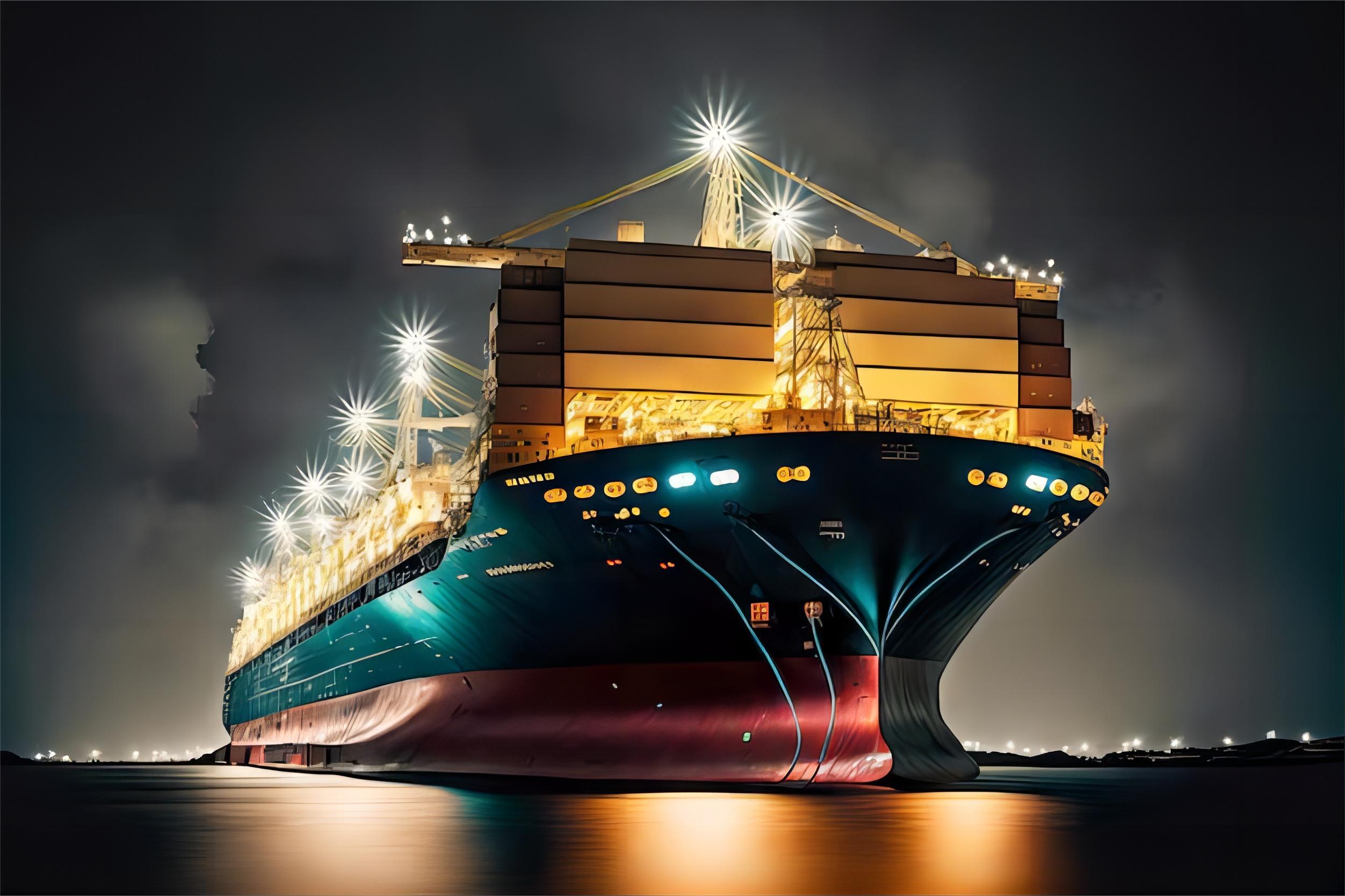
Sea freight offers the lowest cost per unit for high-volume shipments, making it the preferred choice for bulk commodities and retail goods. However, the transit time is significantly longer than other modes, often requiring four to six weeks of lead time. For businesses with flexible schedules, the cost savings of sea freight far outweigh the slower delivery speed.
Rail freight has emerged as a middle-ground solution, offering faster transit than the sea but at a lower price point than the air. Nevertheless, the recent geopolitical shifts have impacted some overland routes, making sea freight a more stable and predictable option for many importers. Most German businesses still prefer the ocean route for its massive capacity and reliability.
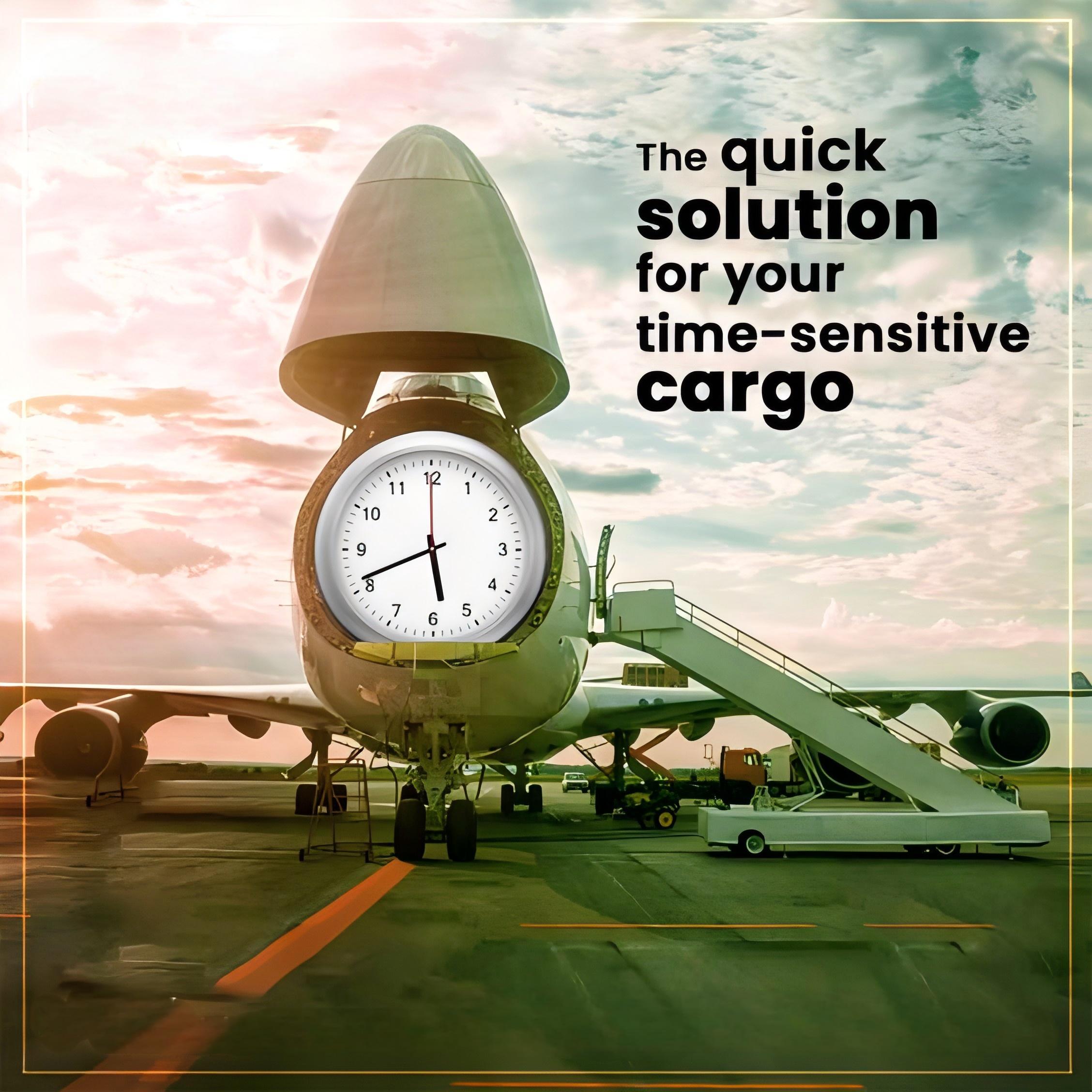
Air freight remains the fastest option for urgent shipments or high-value electronics that cannot wait for a month at sea. Nevertheless, the price for air transport can be five to ten times higher than ocean rates for the same volume. Therefore, companies typically reserve air transport for emergency restocks or perishable items.
| Shipping Method | Cost Range (Approx) | Transit Time | Best For |
|---|---|---|---|
| Sea Freight (FCL) | $2,800 – $4,200 | 30-40 Days | Bulk goods and large inventory |
| Rail Freight | $4,500 – $6,500 | 18-22 Days | Mid-range urgency and budget |
| Air Freight | $5.00 – $9.00/kg | 5-8 Days | Urgent or high-value cargo |
| Express Service | $8.00 – $12.00/kg | 3-5 Days | Small samples and documents |
What are the Major Ports for Reliable Sea Freight from China to Germany?
Strategically selecting your port of loading in China can significantly impact both your local trucking costs and the overall transit time. Major hubs like Shanghai, Ningbo-Zhoushan, and Shenzhen offer the highest frequency of departures to Europe. Furthermore, these ports feature advanced infrastructure that ensures efficient cargo handling and minimal delays during the loading process.
Shanghai stands as the world’s busiest container port, providing unparalleled connectivity to German destinations. Consequently, most Rail Freight and sea freight schedules prioritize Shanghai as a primary departure point. Importers often find more competitive rates here due to the high volume of carrier competition.
Southern China businesses typically utilize the Port of Shenzhen or Guangzhou for their exports. These ports are ideal for electronics and consumer goods manufactured in the Pearl River Delta region. Additionally, the proximity to Hong Kong provides extra flexibility for transshipment options if direct routes are fully booked.
German discharge ports primarily include Hamburg, Bremerhaven, and Wilhelmshaven. Hamburg is often called the ‘Gateway to the World’ and handles the majority of Chinese imports destined for Central Europe. Meanwhile, Bremerhaven excels in vehicle logistics and specialized container services, offering excellent hinterland connections via rail and road.
FCL vs LCL: Which Sea Freight Method Fits Your Business?
Understanding the difference between Full Container Load (FCL) and Less than Container Load (LCL) is vital for optimizing your logistics spend. FCL involves renting an entire 20-foot or 40-foot container for your exclusive use, which minimizes handling and potential damage. In contrast, LCL involves sharing container space with other shippers, which is more economical for smaller volumes.
For shipments exceeding 15 cubic meters (CBM), FCL usually becomes the more cost-effective choice. Moreover, FCL shipments generally move faster because they do not require the consolidation and deconsolidation steps associated with LCL. Consequently, businesses with consistent, large-scale production find FCL to be the most reliable sea freight from China to Germany.
Smaller businesses or those testing new product lines often prefer LCL to avoid the high upfront cost of a full container. Indeed, LCL allows you to pay only for the space you occupy, which is beneficial for inventory management. However, you must account for the additional 5-7 days required for sorting at the destination warehouse.
Selecting Air Freight might be tempting for small loads, but LCL remains the budget-friendly king for non-urgent inventory. Therefore, we recommend calculating the total landed cost for both options before making a final decision. Most freight forwarders can provide a side-by-side comparison to help you choose.
How Long Does Transit Take for Reliable Sea Freight from China to Germany?
Shipping durations from China to Germany vary based on the specific route, the carrier, and the current state of global maritime corridors. Typically, a direct voyage from a major Chinese port to Hamburg takes between 30 and 35 days. However, factors such as weather conditions and port congestion can extend this timeline by several days.
Seasonal fluctuations also play a major role in scheduling your shipments. For instance, the weeks leading up to the Chinese New Year often see a surge in demand, leading to rolled cargo and longer wait times. Additionally, the peak season from August to October can see increased transit times due to the high volume of holiday inventory moving toward Europe.
Route choices significantly influence the speed of your delivery. Some carriers offer premium direct services that bypass intermediate stops in Southeast Asia, shaving 5 days off the journey. In contrast, transshipment routes via Singapore or Colombo might be cheaper but will naturally take longer to reach the North Sea.
Planning for a door to door delivery requires adding time for local haulage and customs processing. Usually, you should allow for an additional 7 to 10 days on top of the ocean transit time to account for these final-mile logistics. This buffer ensures that your warehouse operations are not disrupted by minor delays.
| Origin Port | Destination Port | Average Transit (Days) | Service Type |
|---|---|---|---|
| Shanghai | Hamburg | 32-35 Days | Direct |
| Shenzhen | Bremerhaven | 28-32 Days | Direct |
| Ningbo | Wilhelmshaven | 35-38 Days | Transshipment |
| Qingdao | Hamburg | 38-42 Days | Transshipment |
How to Calculate Shipping Costs for Cargo to Germany
Ocean freight rates are dynamic and influenced by fuel surcharges, vessel capacity, and seasonal demand. As of early 2025, rates have stabilized following previous global disruptions, but they remain sensitive to geopolitical events in the Red Sea region. Consequently, obtaining a real-time quote is the only way to ensure budget accuracy for your upcoming shipments.
Total shipping costs include more than just the ocean freight rate. For example, you must account for Terminal Handling Charges (THC), documentation fees, and port security surcharges at both ends. Furthermore, inland trucking from the factory to the port and from the German port to your warehouse can add significant expenses to the total bill.
Customs duties and Value Added Tax (VAT) represent a large portion of the landed cost for German imports. Utilizing a professional customs brokerage service can help you classify goods correctly and avoid overpaying on duties. Indeed, many importers lose money simply by using incorrect HS codes during the declaration process.
Note: Freight rates are subject to change based on fuel costs, carrier capacity, and seasonal demand. Contact us for a current quote tailored to your specific shipment.
What Documents are Essential for Customs Clearance in Germany?
German customs authorities are known for their strict adherence to documentation accuracy and safety standards. Therefore, preparing your paperwork correctly is the most important step in avoiding costly delays and storage fees at the port. The primary document is the Bill of Lading, which serves as the contract of carriage and title to the goods.
Commercial invoices must clearly state the value, description, and HS codes for all items in the shipment. Additionally, a detailed Packing List is required to help customs officers verify the contents of each container during inspections. For certain products, a Certificate of Origin may be necessary to benefit from preferential trade agreements or to comply with EU regulations.
Compliance with EU safety standards, such as CE marking for electronics, is mandatory for entering the German market. Consequently, you should ensure that all certifications are ready before the vessel reaches European waters. Failure to provide these documents can result in the cargo being seized or returned to China at the shipper’s expense.
Moreover, the EORI (Economic Operators Registration and Identification) number is a prerequisite for any business importing into the European Union. If your company does not have an EORI number, the customs clearance process cannot begin. Therefore, we recommend registering for this number well in advance of your first shipment.
| Document Name | Purpose | Required By | Format |
|---|---|---|---|
| Bill of Lading | Title of goods | Carrier/Customs | Original or Telex |
| Commercial Invoice | Valuation for tax | Customs | Digital/Paper |
| Packing List | Inventory check | Port/Customs | Digital/Paper |
| EORI Number | EU ID for trade | German Customs | Registration Code |
Real Case Studies: Successful Shipments to Germany
Case Study 1: Industrial Machinery from Shanghai to Hamburg. Route: Shanghai, China to Hamburg, Germany. Cargo: Industrial CNC machines, 28 CBM, 12,500 kg. Container: 40GP. Shipping Details: – Carrier: Major carrier (COSCO). – Port of Loading: Shanghai. – Port of Discharge: Hamburg. – Route Type: Direct. Cost Breakdown: – Ocean Freight: $3,200. – Origin Charges: $450. – Destination Charges: $600. – Customs & Duties: $1,200. – Total Landed Cost: $5,450. Timeline: – Booking to Loading: 4 days. – Sea Transit: 33 days. – Customs Clearance: 2 days. – Total Door-to-Door: 42 days. Key Insight: Early booking during the off-peak season saved the client 15% on ocean freight compared to the previous quarter.
Case Study 2: E-commerce Electronics from Shenzhen to Berlin. Route: Shenzhen, China to Berlin, Germany. Cargo: Consumer electronics, 6 CBM, 1,200 kg. Container: LCL. Shipping Details: – Carrier: Major carrier. – Port of Loading: Shenzhen. – Port of Discharge: Hamburg. – Route Type: Transshipment via Singapore. Cost Breakdown: – Ocean Freight: $540 ($90/CBM). – Origin Charges: $200. – Destination Charges: $350. – Customs & Duties: $800. – Total Landed Cost: $1,890. Timeline: – Booking to Loading: 3 days. – Sea Transit: 38 days. – Customs Clearance: 3 days. – Total Door-to-Door: 48 days. Key Insight: Using LCL allowed the small business to maintain stock levels without the high cost of FCL, despite the slightly longer transit time.
Which Option Should You Choose? A Decision Framework
Determining the best shipping strategy depends on your specific business priorities, whether that is cost reduction or speed of delivery. If your primary goal is to minimize expenses and you are moving more than 15 CBM, FCL sea freight is the undisputed winner. However, if you have smaller shipments and can afford a slightly longer wait, LCL offers a balanced approach.
Speed-oriented businesses should evaluate whether the higher cost of rail or air freight is justified by the faster time-to-market. For instance, high-fashion retailers often use a hybrid approach, shipping the bulk of a collection via sea and using air for quick replenishment of popular items. This strategy optimizes both cost and responsiveness.
Cargo type also dictates the method, as hazardous materials or oversized machinery may have limited options on certain routes. Consequently, you should consult with a logistics expert to identify any restrictions that might apply to your specific goods. Professional advice can prevent costly mistakes and ensure compliance with international maritime laws.
Finally, consider the total landed cost rather than just the freight rate. A cheaper port-to-port rate might be offset by high inland trucking costs if the port is far from your final destination. Therefore, always request a comprehensive quote that includes all fees from the factory floor to your warehouse door.
Final Thoughts on Shipping to Germany
Securing reliable sea freight from China to Germany is a multi-faceted process that requires careful planning and expert execution. By understanding the differences between FCL and LCL, choosing the right ports, and preparing documentation diligently, you can significantly reduce your logistics risks. Moreover, staying informed about market trends and seasonal variations will help you time your shipments for maximum cost-effectiveness.
Partnering with an experienced freight forwarder like Top China Freight ensures that your cargo is in safe hands throughout its journey. Whether you are a small business owner or a large corporation, the right logistics strategy will provide a competitive edge in the demanding German market. Start optimizing your shipping routes today to ensure long-term success in your international trade ventures.
Ready to streamline your logistics?
Ready to streamline your supply chain with reliable sea freight from China to Germany? Contact the experts at Top China Freight today to receive a personalized quote and experience seamless international logistics. Visit our website to learn more about our comprehensive shipping solutions.
Request Quote