

Reliable Sea Freight from China to USA: A 2025 Logistics Guide
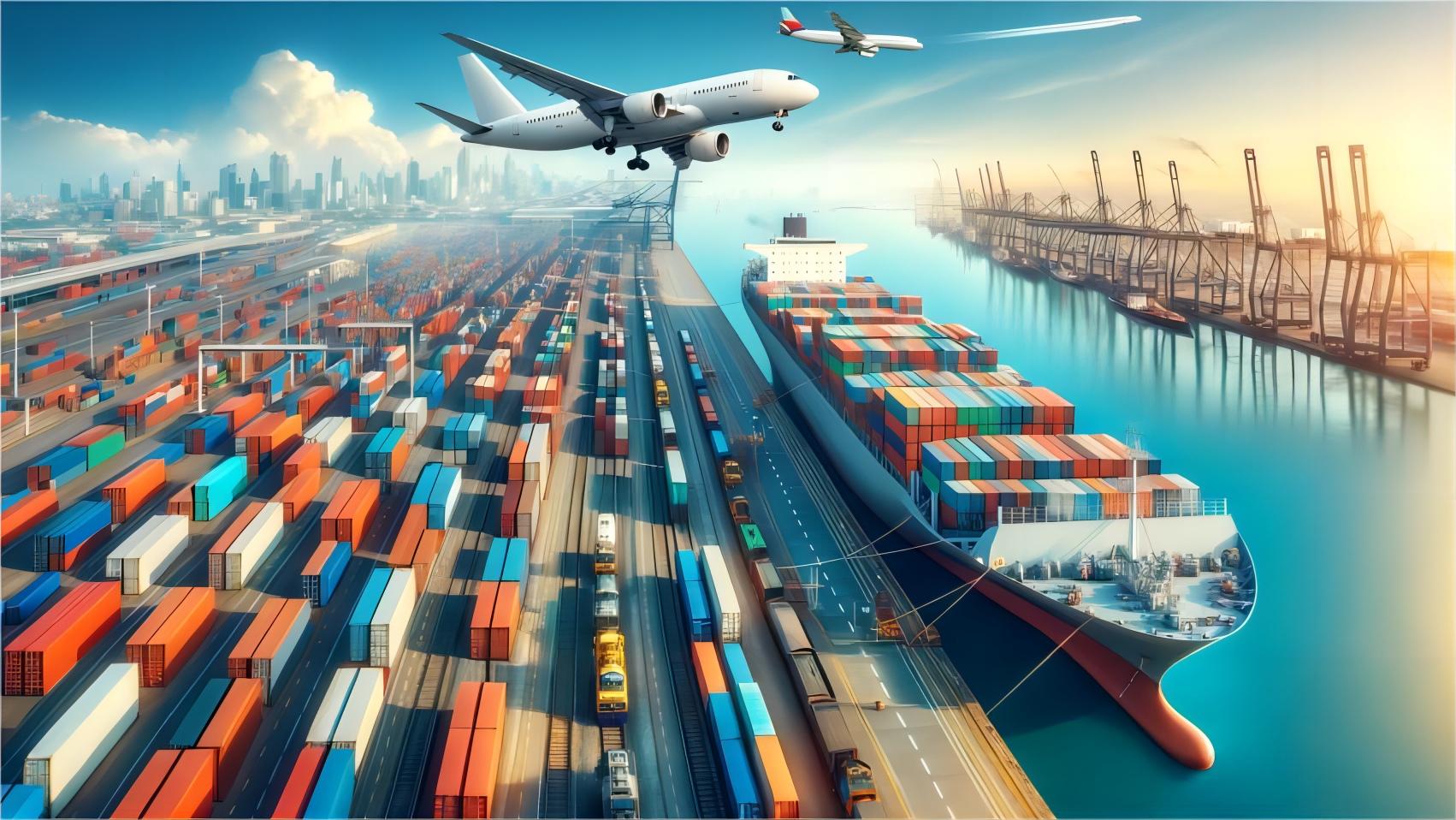
Finding reliable sea freight from China to USA remains the cornerstone of successful international trade for thousands of American businesses. While the global supply chain faces constant shifts, ocean transport offers the most cost-effective solution for moving large volumes of goods. This comprehensive guide explores how to navigate the complexities of trans-Pacific logistics to ensure your cargo arrives safely and on schedule.
Why Choose Reliable Sea Freight from China to USA?
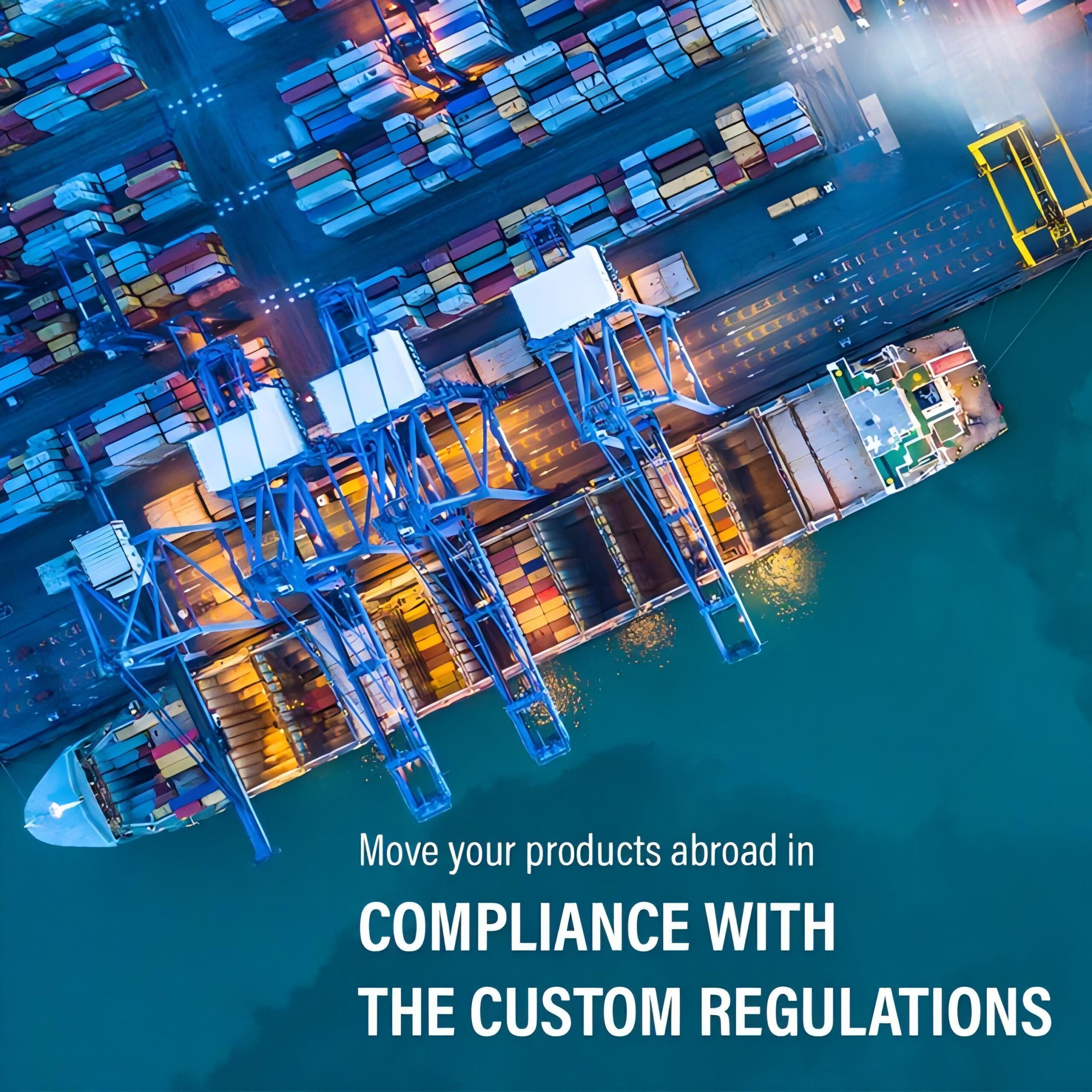
Shipping by sea provides unparalleled capacity for businesses dealing with high-volume inventory. Furthermore, the cost per unit is significantly lower than air transport, making it the preferred choice for bulk commodities. Companies can choose between various container sizes to match their specific inventory needs.
Moreover, modern tracking technology has enhanced the transparency of ocean logistics. Shippers can now monitor their vessels in real-time, which helps in planning inventory cycles more accurately. Consequently, the predictability of maritime schedules has improved despite occasional port congestion.

Environmental considerations also play a growing role in logistics decision-making. Sea transport has a much lower carbon footprint per ton of cargo compared to air freight. Therefore, choosing sea freight helps companies meet their sustainability goals while maintaining a healthy bottom line.
How Does Sea Freight Compare to Other Shipping Options?
Evaluating different transport modes is essential for optimizing your logistics budget. While sea freight is the most economical, it is also the slowest compared to air or express services. Businesses must balance the urgency of their shipment against the total landed cost.
For instance, urgent electronics or seasonal fashion items might require the speed of air freight. However, for standard consumer goods, industrial machinery, or raw materials, the ocean route is nearly always superior. Most importers use a mix of methods depending on the specific SKU and market demand.
Hybrid solutions like sea-air combinations are also becoming more popular for mid-tier urgency. These strategies involve shipping by sea to a hub like Dubai or Busan and then flying the goods to the final destination. This approach saves money compared to pure air freight while cutting down on total transit time.
| Shipping Method | Cost Range | Transit Time | Best For |
|---|---|---|---|
| Sea Freight | $2,500 – $6,000 | 15 – 40 Days | Bulk goods, heavy items |
| Air Freight | $5,000 – $15,000 | 3 – 7 Days | High-value, urgent |
| Express | $10,000+ | 2 – 5 Days | Samples, documents |
Understanding FCL vs LCL Shipping Costs
Full Container Load (FCL) involves renting an entire 20-foot or 40-foot container for your exclusive use. This method is generally faster because the container does not need to be opened until it reaches your warehouse. Additionally, FCL reduces the risk of damage since your goods are not handled alongside other shippers’ cargo.
On the other hand, Less than Container Load (LCL) allows you to share space with other importers. This is ideal for smaller shipments that do not fill a whole container, typically between 1 and 15 cubic meters. Although LCL is more affordable for small volumes, it involves more handling and longer processing times at consolidation hubs.
Choosing between them often depends on the volume threshold. Usually, if your shipment exceeds 15 cubic meters, FCL becomes more cost-effective even if the container is not completely full. Many businesses utilize door to door services to simplify the LCL process and avoid hidden port fees.
Major Shipping Routes and Transit Times
Shipping from China to the US West Coast is significantly faster than shipping to the East Coast. Ports like Los Angeles and Long Beach typically see vessels arriving in 14 to 18 days from Shanghai or Ningbo. In contrast, shipping to New York or Savannah via the Panama Canal can take 30 to 35 days.
Direct routes are the most reliable option for time-sensitive cargo. While transshipment through ports like Busan or Kaohsiung can save money, it adds 5 to 10 days to the schedule. Shippers should always check the carrier’s reliability record before booking a transshipment route.
Seasonality also impacts these timelines heavily. During the peak season from August to October, port congestion can add a week or more to the total door-to-door time. Therefore, booking at least 3-4 weeks in advance is highly recommended during these busy periods.
| Origin Port | Destination Port | Direct Transit | Route Type |
|---|---|---|---|
| Shenzhen | Los Angeles | 14-16 Days | Direct |
| Shanghai | New York | 32-35 Days | Panama Canal |
| Ningbo | Savannah | 35-38 Days | Suez/Panama |
Case Study 1: Electronics FCL Shipment
A consumer electronics retailer needed to move 500 units of home theater systems from Shenzhen to Los Angeles. They chose a 40HQ container to maximize space and ensure the safety of the fragile components. By using a direct carrier, they avoided the risks associated with multiple handling points.
The total ocean freight cost was approximately $3,800 based on late 2024 market rates. Including origin charges and US customs duties, the total landed cost per unit remained well within their profit margins. The shipment arrived at the LA port in 15 days and cleared customs in just 3 days.
Key Insight: Using FCL for high-value electronics significantly reduced the damage rate to near zero. The direct route provided the predictability needed for their holiday marketing campaign.
Case Study 2: Furniture LCL Consolidation
An interior design firm in Chicago imported custom furniture totaling 8 cubic meters from Ningbo. Since this did not justify a full container, they opted for LCL shipping. The goods were consolidated in Ningbo and shipped to the Port of New York before being trucked to Chicago.
Ocean freight for the 8 CBM cost roughly $640, with total door-to-door costs reaching $2,100 after including destination handling and inland trucking. The total transit time was 42 days, which was acceptable for their project timeline. They utilized professional customs brokerage to ensure all wood-packaging certifications were compliant.
Key Insight: LCL allowed the small business to access international manufacturing without the high overhead of full containers. Proper documentation prevented any delays during the intensive USDA inspections often required for wood products.
Managing Customs and Documentation
Navigating US Customs and Border Protection (CBP) is often the most challenging part of the import process. Accurate documentation is vital to avoid costly delays or fines. The primary documents required include the Bill of Lading, Commercial Invoice, and Packing List.
Furthermore, many products require specific certifications, such as FCC for electronics or FDA for food-contact items. Importers must also file an Importer Security Filing (ISF) at least 24 hours before the vessel departs from China. Failure to do so can result in immediate $5,000 penalties.
Working with an experienced partner ensures that all Harmonized Tariff Schedule (HTS) codes are correctly applied. This is critical because the HTS code determines the duty rate you will pay upon arrival. Many Amazon sellers use Amazon FBA specialized logistics to handle these requirements automatically.
Which Option Should You Choose?
Budget priority: If your main goal is reducing costs, choose LCL for small volumes or slow-steaming FCL for larger shipments. Booking off-peak (March to May) can also save up to 30% on freight rates. Always compare multiple quotes to find the best balance of price and service.
Speed priority: For faster delivery, prioritize direct vessels to the West Coast and use expedited trucking for inland delivery. Avoid transshipment ports whenever possible to minimize the risk of missing a connecting vessel. Express sea services are also available from some carriers that offer 11-day transit to LA.
Cargo type considerations: Heavy machinery and bulk raw materials are strictly sea freight candidates. However, fragile or high-value goods might benefit from the reduced handling of FCL. Ensure your packaging meets international maritime standards to prevent moisture damage during the long ocean voyage.
Strategies for Reducing Shipping Costs
Consolidating multiple small orders into a single FCL shipment is one of the most effective ways to save money. If you have several suppliers in the same region, a freight forwarder can gather the goods at a central warehouse. This reduces the number of individual documentation fees and port charges you pay.
Additionally, optimizing your packaging can lead to significant savings. Since sea freight is often billed by volume (CBM) for LCL, reducing the size of your boxes can lower your bill. For FCL, ensure you are utilizing the maximum vertical space within the container.
Negotiating long-term contracts with carriers can also provide stability in a volatile market. While spot rates might occasionally be lower, a fixed contract protects you from sudden price spikes during peak seasons. Industry data suggests that contract shippers saved an average of 15% during the 2024 market fluctuations.
Ready to streamline your logistics?
Ready to optimize your reliable sea freight from China to USA strategy? Contact us today for a free consultation and customized quote. Our expert team is here to help you streamline your logistics and reduce costs.
Request Quote