Sea Freight China to Belgium: Your Complete Shipping Guide
Shipping goods from China to Belgium can seem complex, yet with the right approach, it becomes a streamlined process. For businesses seeking efficient and cost-effective logistics, understanding sea freight options is paramount. Top China Freight offers comprehensive solutions, ensuring your cargo reaches its destination safely and on time. This guide explores everything you need to know about sea freight from China to Belgium.
Why Choose Sea Freight from China to Belgium?
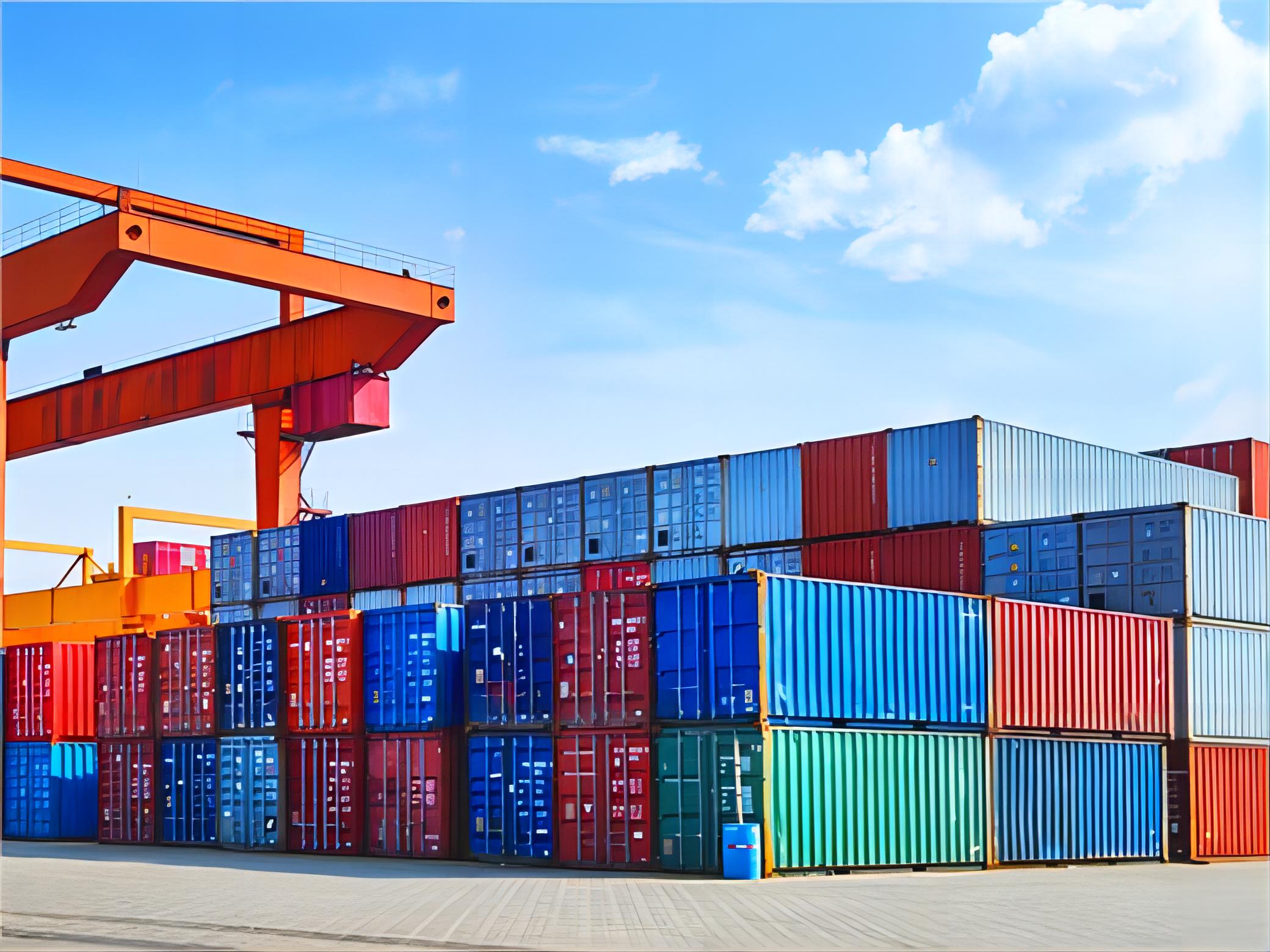
Indeed, sea freight remains the backbone of international trade, especially for routes like China to Belgium. It is particularly advantageous for large volumes and heavy goods, offering significant cost savings compared to other shipping methods. Therefore, businesses importing bulk commodities, machinery, or non-perishable consumer goods often prioritize ocean shipping.
Moreover, sea freight provides unparalleled capacity, allowing for the transport of full container loads (FCL) or less than container loads (LCL). This flexibility ensures that businesses of all sizes can find a suitable solution for their shipping needs. Consequently, it supports diverse supply chain requirements, from small e-commerce businesses to large industrial importers.
Understanding Sea Freight Routes and Transit Times
Typically, sea freight from major Chinese ports to Belgium involves direct routes or routes with minimal transshipment. Key ports of loading in China include Shanghai, Ningbo, Shenzhen, and Qingdao. In Belgium, the primary port of discharge is Antwerp, known for its extensive logistics infrastructure and connectivity to inland Europe.
However, transit times can vary significantly based on the specific carrier, route, and current market conditions. For example, direct services usually offer shorter transit times. Conversely, routes involving transshipment, often via hubs like Singapore or Port Klang, might extend the delivery schedule. Peak seasons or port congestion can also impact these estimates.
Generally, you can expect the sea transit from China to Belgium to range between 28 to 35 days. This duration does not include the time required for pre-shipping logistics, customs clearance, and final delivery. Therefore, careful planning is essential to manage expectations and maintain an efficient supply chain.
| Port of Loading (China) | Port of Discharge (Belgium) | Typical Transit Time (Days) | Notes |
|---|---|---|---|
| Shanghai | Antwerp | 30-35 | Major global trade route |
| Ningbo | Antwerp | 28-33 | Direct services often available |
| Shenzhen | Antwerp | 28-32 | High frequency, southern China hub |
| Qingdao | Antwerp | 32-37 | Northern China, often slightly longer |
Sea Freight China to Belgium Costs: What to Expect
Determining the exact shipping costs for sea freight from China to Belgium involves multiple factors. These include the volume and weight of your cargo, the type of container (FCL or LCL), and the chosen service level. Furthermore, market fluctuations, fuel surcharges, and seasonal demand significantly influence freight rates.
For instance, a 20GP container from China to Belgium might range from $1,800 to $2,500 for ocean freight alone. A 40HQ container, offering greater capacity, could cost between $3,000 and $4,200. These figures are based on current market rates as of early 2025 and exclude origin and destination charges, customs, and inland transportation.
Additionally, LCL shipments are priced per cubic meter (CBM) or per 1000 kg, whichever is greater. Rates typically fall between $50 and $80 per CBM, but minimum charges apply. Consequently, understanding the full cost breakdown, including terminal handling charges (THC), documentation fees, and insurance, is crucial for accurate budget planning.
Note: Freight rates are subject to change based on fuel costs, carrier capacity, and seasonal demand. Contact us for a current quote tailored to your specific shipment.

Navigating Customs and Documentation for Belgium Imports
Successfully importing goods from China to Belgium necessitates meticulous attention to customs procedures and documentation. Belgium, as part of the European Union, adheres to EU customs regulations. Therefore, all shipments must comply with these stringent requirements to avoid delays and penalties.
Key documents typically required include a commercial invoice, packing list, bill of lading (B/L), and certificate of origin. Depending on the product, additional licenses or permits may be necessary, such as CE marking for certain manufactured goods. Furthermore, accurate product classification using HS codes is vital for correct duty and tax assessment.
Engaging a reliable customs brokerage service can significantly simplify this process. They can manage declarations, calculate duties and VAT, and ensure compliance with all import regulations. This expertise minimizes risks and accelerates the customs clearance process at the port of Antwerp.
Moreover, understanding Incoterms (International Commercial Terms) like FOB, CIF, or DDP is essential. These terms define the responsibilities and liabilities of the buyer and seller regarding costs and risks at various stages of the shipping journey. Choosing the right Incoterm can impact your total landed cost and operational efficiency.
| Document | Purpose | Notes |
|---|---|---|
| Commercial Invoice | Details of goods, value, and terms of sale | Must be accurate for customs valuation |
| Packing List | Itemized list of contents per package | Aids in cargo inspection and verification |
| Bill of Lading (B/L) | Contract of carriage, title to goods | Issued by carrier, crucial for cargo release |
| Certificate of Origin | Confirms country of manufacture | May be required for preferential tariffs |
| Import License/Permit | Required for restricted or controlled goods | Varies by product type and regulations |
How Does Sea Freight Compare to Other Shipping Options?
When considering shipping from China to Belgium, sea freight is just one of several viable options. Businesses must evaluate their priorities, whether it is speed, cost, or cargo type, to select the most appropriate method. Comparing sea freight with air freight and rail freight reveals distinct advantages and limitations for each.
For example, while sea freight is the most economical for large volumes, it has the longest transit times. In contrast, air freight offers unparalleled speed but at a significantly higher cost. Rail freight presents a balanced alternative, faster than sea and cheaper than air, though its availability and transit times can vary.
Furthermore, for time-critical or high-value smaller shipments, an express service might be considered. This option is typically handled by integrated carriers and offers door-to-door delivery with fast transit, albeit at a premium. Therefore, understanding these trade-offs is crucial for strategic logistics planning.
| Shipping Method | Cost Range (China-Belgium) | Transit Time (Days) | Best For | Limitations |
|---|---|---|---|---|
| Sea Freight (FCL) | $1,800 – $4,200 (container) | 28-35 | Large volumes, heavy goods, non-urgent | Slowest, port-to-port |
| Sea Freight (LCL) | $50 – $80/CBM (min. charge) | 30-40 | Smaller shipments, flexible volume | Longer transit, potential delays |
| Rail Freight | $8,000 – $12,000 (container) | 18-25 | Mid-sized, time-sensitive, inland delivery | Limited routes, capacity constraints |
| Air Freight | $5 – $10/kg (general cargo) | 5-7 | Urgent, high-value, perishable goods | Most expensive, volume/weight restrictions |
Which Option Should You Choose?
Ultimately, the best shipping method depends on your specific business needs and cargo characteristics. Consider these criteria to make an informed decision.
If budget is your primary concern, especially for large, non-urgent shipments, sea freight (FCL or LCL) is often the most cost-effective choice. However, if speed is paramount for urgent or high-value goods, air freight is unbeatable. For a good balance between cost and speed, especially for shipments to inland Europe, rail freight can be an excellent alternative.
Finally, for smaller, high-value, or urgent parcels, express services provide rapid door-to-door delivery. Moreover, hybrid solutions, such as sea-air combinations, can offer a compromise, leveraging sea freight for the long haul and air freight for the final leg to speed up delivery while managing costs.

Real-World Scenarios: Sea Freight China to Belgium in Practice
Analyzing real-world examples helps illustrate the practicalities and outcomes of different shipping strategies for sea freight China to Belgium. These case studies highlight various cargo types, shipping methods, and the factors influencing overall logistics success. Based on current market insights, these scenarios offer valuable perspectives for importers.
These examples reflect typical rates and transit times as of Q1 2025, providing a realistic view. However, it is important to remember that actual costs and timelines can fluctuate due to market dynamics, peak seasons, and unforeseen disruptions. Always consult with your freight forwarder for the most up-to-date information.
Case Study 1: Large Volume E-commerce Goods
This case study demonstrates efficient handling of a large volume of e-commerce products for an Amazon FBA solutions client, optimizing for cost while managing a reasonable timeline.
| Field | Detail |
|---|---|
| Route | Ningbo, China -> Antwerp, Belgium |
| Cargo | Electronics accessories, 25 CBM, 12,000 kg |
| Container | 1 x 40HQ |
| Shipping Details | Carrier: MSC, Port of Loading: Ningbo, Port of Discharge: Antwerp, Route Type: Direct |
| Cost Breakdown | Ocean Freight: $3,500, Origin Charges: $450, Destination Charges: $550, Customs & Duties (estimated): $1,200, Total Landed Cost: $5,700 |
| Timeline | Booking to Loading: 5 days, Sea Transit: 32 days, Customs Clearance: 3 days, Total Door-to-Door: 45 days |
| Key Insight | Achieved significant cost savings per unit compared to LCL, suitable for high-volume inventory replenishment. |
Case Study 2: Industrial Machinery Parts (LCL)
This scenario focuses on a smaller, yet critical, shipment of industrial parts where FCL was not economical. LCL provided the necessary flexibility and cost-efficiency.
| Field | Detail |
|---|---|
| Route | Shenzhen, China -> Antwerp, Belgium |
| Cargo | Precision machine components, 8 CBM, 3,500 kg |
| Container | LCL 8 CBM |
| Shipping Details | Carrier: COSCO (consolidated), Port of Loading: Shenzhen, Port of Discharge: Antwerp, Route Type: Transshipment via Singapore |
| Cost Breakdown | Ocean Freight: $640 (8 CBM x $80), Origin Charges: $200, Destination Charges: $300, Customs & Duties (estimated): $400, Total Landed Cost: $1,540 |
| Timeline | Booking to Loading: 7 days, Sea Transit: 38 days, Customs Clearance: 4 days, Total Door-to-Door: 55 days |
| Key Insight | LCL proved cost-effective for smaller volume, but transit time was extended due to consolidation and transshipment processes. |
Case Study 3: Retail Goods with Tight Deadlines (Hybrid)
This case illustrates a hybrid approach for retail goods requiring faster-than-sea but cheaper-than-air delivery, balancing urgency and budget.
| Field | Detail |
|---|---|
| Route | Shanghai, China -> Antwerp, Belgium |
| Cargo | Seasonal apparel, 15 CBM, 4,000 kg |
| Container | LCL (Sea-Rail Hybrid) |
| Shipping Details | Carrier: Major Rail Operator (via Kazakhstan/Poland), Port of Loading: Shanghai (rail terminal), Port of Discharge: Antwerp (rail terminal), Route Type: China-Europe Rail Express |
| Cost Breakdown | Rail Freight: $2,800, Origin Charges: $300, Destination Charges: $400, Customs & Duties (estimated): $700, Total Landed Cost: $4,200 |
| Timeline | Booking to Loading: 4 days, Rail Transit: 20 days, Customs Clearance: 2 days, Total Door-to-Door: 30 days |
| Key Insight | Leveraging rail freight significantly reduced transit time compared to sea, ideal for seasonal inventory with moderate urgency. |
Conclusion: Navigating Sea Freight China to Belgium Successfully
In summary, mastering sea freight from China to Belgium involves understanding various elements, from transit times and costs to customs procedures and choosing the right partner. While challenges exist, the benefits of cost-effectiveness and capacity make it an indispensable shipping method for many businesses. By carefully planning and leveraging expert assistance, you can ensure a smooth and efficient supply chain.
Indeed, with the right strategy, shipping goods via sea freight China to Belgium can be a significant competitive advantage. We encourage you to explore your options and partner with a freight forwarder who can guide you through every step of the process, ensuring your cargo arrives safely and on schedule.
Need a tailored shipping solution?
Ready to optimize your sea freight from China to Belgium? Contact our expert team today for a personalized consultation and a competitive quote. We are committed to providing seamless and efficient shipping solutions tailored to your business needs.