
Sea Freight China to France: Your Comprehensive Shipping Guide
Navigating international logistics can be complex, especially when shipping goods from China to France. Understanding the nuances of Top China Freight‘s sea freight services is crucial for efficient and cost-effective transportation. This guide provides a comprehensive overview, helping businesses manage their supply chain effectively and avoid common pitfalls.

Why Choose Sea Freight from China to France?
Indeed, sea freight remains the most popular and economical method for transporting goods over long distances, particularly for the extensive route from China to France. This shipping option is especially beneficial for businesses handling large volumes or heavy cargo. Moreover, it offers significant cost savings compared to air or express services, making it ideal for maintaining competitive pricing.
Consequently, selecting sea freight helps businesses manage their budget effectively while ensuring their supply chain remains robust. It accommodates various cargo types, from raw materials to finished products, offering unparalleled flexibility. Therefore, for many importers, it represents the backbone of their international trade strategy.
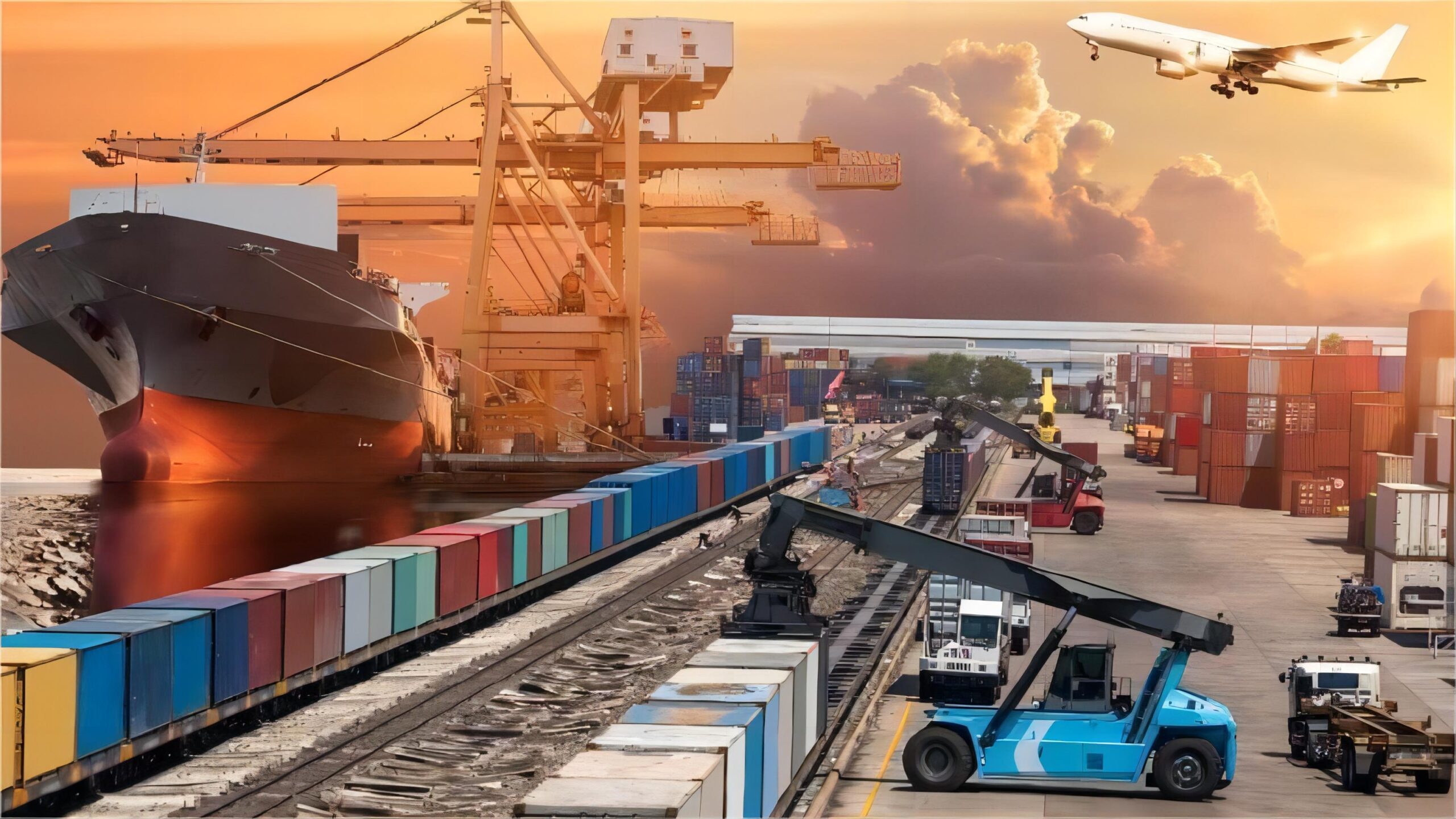
Understanding Sea Freight Options: FCL vs. LCL
When planning your sea freight from China to France, two primary container options are available: Full Container Load (FCL) and Less than Container Load (LCL). Each method caters to different shipment sizes and budget requirements. Understanding the distinctions is vital for making an informed decision.
| Feature | FCL (Full Container Load) | LCL (Less than Container Load) | Best For |
|---|---|---|---|
| Cargo Volume | Large volumes (15+ CBM) | Small volumes (under 15 CBM) | Large, bulky items |
| Cost Efficiency | Lower per CBM cost for large shipments | Higher per CBM cost, but lower total cost for small shipments | Small, numerous items |
| Transit Time | Generally faster, direct routing | Potentially slower due to consolidation | Urgent, large shipments |
| Security | Reduced handling, less risk of damage | More handling, slightly higher risk | Fragile goods |
| Flexibility | Less flexible for small cargo | Highly flexible for small cargo | Small, frequent orders |
Full Container Load (FCL)
Specifically, FCL means your goods occupy an entire shipping container, whether it is full or not. This option offers several advantages, including faster transit times and reduced risk of damage since your cargo is not consolidated with others. Furthermore, it often proves more cost-effective for larger shipments exceeding 15 CBM.
Less than Container Load (LCL)
Conversely, LCL involves sharing container space with other shippers’ goods. This method is perfect for smaller shipments that do not require an entire container. Although LCL might have slightly longer transit times due to consolidation and deconsolidation processes, it provides a flexible and economical solution for smaller cargo volumes. Subsequently, it helps businesses minimize shipping costs for smaller orders.
What Are the Typical Sea Freight Transit Times to France?
The transit time for sea freight from China to France typically ranges from 28 to 38 days, depending on various factors. These include the specific ports of origin and destination, the chosen shipping line, and whether it’s a direct or transshipment route. Moreover, seasonal variations and port congestion can also impact the delivery schedule.
For example, shipments from major Chinese ports like Shanghai, Ningbo, or Shenzhen to French ports such as Le Havre or Fos-sur-Mer generally fall within this timeframe. Direct routes are usually quicker, while transshipment via intermediate ports like Singapore or Port Klang may add several days to the journey. Therefore, planning ahead is crucial for managing expectations regarding your supply chain.
How Does Sea Freight from China to France Work? The Process Explained
Successfully moving cargo from China to France via sea freight involves a series of coordinated steps. Each stage is critical for ensuring a smooth and compliant shipment. Understanding this process helps importers anticipate requirements and potential challenges.
Booking and Preparation
Initially, the process begins with booking your shipment with a reliable freight forwarder. You will need to provide details about your cargo, including its dimensions, weight, and contents. Subsequently, the forwarder will arrange for container booking, either FCL or LCL, and coordinate cargo pickup from your supplier in China. Proper documentation, such as the commercial invoice and packing list, must be prepared at this stage.
Cargo Loading and Ocean Transit
Next, your cargo is transported to the port of loading and loaded onto the vessel. Once loaded, the ship embarks on its ocean voyage to France. During this transit phase, the freight forwarder provides tracking updates, allowing you to monitor your shipment’s progress. Furthermore, regular communication ensures transparency throughout the journey.
Customs Clearance and Delivery
Upon arrival at a French port, the cargo undergoes customs clearance. This crucial step involves submitting all required import documentation, paying duties, and adhering to French import regulations. Engaging an experienced customs brokerage service is highly recommended to navigate this complex process efficiently. Finally, once cleared, the cargo is released for inland transportation and delivered to its final destination, completing the door-to-door service.
What are the Costs of Sea Freight from China to France?
Understanding the shipping costs involved in sea freight from China to France is essential for accurate budgeting and competitive pricing. These costs are not static and are influenced by numerous factors, including current freight rates, fuel surcharges, and port charges. Furthermore, the type and volume of cargo significantly impact the overall expense.
Typically, the total cost comprises several components. These include the base ocean freight, BAF (Bunker Adjustment Factor) and CAF (Currency Adjustment Factor) surcharges, origin charges in China (e.g., terminal handling, documentation), and destination charges in France (e.g., terminal handling, customs clearance fees, delivery). Consequently, obtaining a detailed quote from a freight forwarder is always advisable for precise cost estimation.
Note: Freight rates are subject to change based on fuel costs, carrier capacity, and seasonal demand. Contact us for a current quote tailored to your specific shipment.
| Cost Component | Description | Typical Impact |
|---|---|---|
| Ocean Freight | Base cost for transporting cargo by sea | Largest component, varies by volume/weight |
| Surcharges (BAF, CAF) | Fuel adjustment, currency fluctuation fees | Fluctuates based on market conditions |
| Origin Charges | Terminal handling, documentation, customs in China | Fixed or variable based on port/forwarder |
| Destination Charges | Terminal handling, customs, port security in France | Fixed or variable based on port/forwarder |
| Customs Duties & VAT | Taxes and tariffs on imported goods | Calculated based on cargo value and HS code |
| Inland Transportation | Haulage from port to final delivery address | Varies by distance and vehicle type |
How Does Sea Freight Compare to Other Shipping Options?
While sea freight is often the most economical choice for China to France, it is important to consider alternative shipping methods based on your specific requirements. Each option presents a different balance of speed, cost, and capacity. Therefore, a comprehensive comparison is crucial for strategic logistics planning.
| Shipping Method | Cost Range (China-France) | Transit Time (China-France) | Best For | Limitations |
|---|---|---|---|---|
| Sea Freight | Economical ($3,000-4,200 for 40HQ) | 28-38 days | Large volume, heavy, non-urgent goods | Slowest transit time |
| Air Freight | Expensive ($15,000-25,000 for equivalent volume) | 5-7 days | Time-sensitive, high-value, perishable goods | High cost, volume/weight restrictions |
| Rail Freight | Moderate (mid-range between sea/air) | 18-25 days | Mid-urgency, cost-conscious, landlocked destinations | Fixed routes, capacity limits |

Sea Freight vs. Air Freight
For instance, air freight offers significantly faster transit times, typically 5-7 days, compared to sea freight’s 28-38 days. However, this speed comes at a much higher cost, making it suitable for high-value, time-sensitive, or perishable goods. Air freight cargo handling is also generally more delicate, reducing damage risk for fragile items. Conversely, sea freight is ideal for heavy, bulky, and less urgent shipments, providing substantial cost savings.
According to industry benchmarks, while sea freight costs $3,000-4,200 for a 40HQ container from China to Europe, air freight for the same volume might cost $15,000-25,000 but arrives in days instead of weeks.
Sea Freight vs. Rail Freight
Rail freight presents a compelling middle-ground option for shipping from China to Europe, including France. It is faster than sea freight (around 18-25 days) and considerably cheaper than air freight. Rail is particularly effective for landlocked regions or when a faster-than-ocean but cheaper-than-air solution is needed. Nevertheless, its capacity might be more limited than sea freight, and routes are fixed. It offers a good balance for many types of cargo.
Market data suggests that rail freight can be 30-50% faster than sea freight and 50-70% cheaper than air freight for similar routes, providing a competitive alternative for certain supply chain needs.
Which Shipping Option Should You Choose for Your China-France Route?
Selecting the optimal shipping method for your goods from China to France requires a careful evaluation of your priorities. Consider factors like budget, urgency, cargo type, and volume. This decision framework helps ensure your logistics strategy aligns with your business objectives.
Prioritizing Budget: Cost-Saving Strategies
If budget is your primary concern, sea freight is almost always the most cost-effective choice. Opting for LCL can significantly reduce expenses for smaller shipments, while FCL offers the best per-unit cost for larger volumes. Moreover, planning shipments well in advance helps avoid peak season surcharges and allows for more economical booking options. Seeking quotes from multiple forwarders can also reveal competitive freight rates.
For shipments under 15 CBM, LCL at $50-80/CBM may be more economical than a full container, especially when considering total landed cost.
Prioritizing Speed: When Time is Critical
When time is of the essence, air freight is the undisputed champion. It is ideal for urgent product launches, just-in-time inventory, or high-value goods where delays are costly. However, for a balance between speed and cost, rail freight offers a viable alternative, significantly quicker than sea freight but more affordable than air. Consequently, assessing the true cost of delay is paramount.
Cargo Type and Volume Considerations
The nature of your cargo heavily influences the best shipping method. Large, heavy, or non-perishable goods are perfectly suited for sea freight. Conversely, fragile, perishable, or high-value items often benefit from the quicker transit and more controlled environment of air freight. Furthermore, the volume thresholds for switching methods are critical: generally, above 15 CBM, FCL sea freight becomes more economical than LCL.
Hybrid Solutions for Optimal Logistics
Sometimes, a combination of methods, or a hybrid solution, offers the best approach. For example, using sea-air combinations can expedite parts of the journey while managing costs. Furthermore, for time-sensitive components of a larger shipment, air freight can be used, while the bulk moves by sea. Consult with your freight forwarder to explore tailored door-to-door service strategies that optimize both speed and cost for your specific supply chain.
Real-World Scenarios: Sea Freight China to France Success Stories
Exploring real-world examples helps illustrate the practical application and benefits of strategic sea freight planning. These case studies highlight effective solutions for various cargo types and business needs, ensuring smooth shipping from China to France.
Case Study 1: E-commerce Retailer Importing Apparel
This scenario involved an e-commerce business needing regular, cost-effective shipments of apparel. The challenge was balancing inventory levels with shipping costs and transit times. By utilizing LCL sea freight, they achieved consistent supply without overstocking or incurring excessive expenses.
Key Insight: LCL provided the necessary flexibility and cost control for frequent, smaller volume replenishment, supporting a dynamic e-commerce inventory model.
| Detail | Description |
|---|---|
| Route | Shanghai, China to Le Havre, France |
| Cargo | Apparel (textiles), 8 CBM, 2,500 kg |
| Container | LCL 8 CBM |
| Shipping Details – Carrier/Service | Major carrier (e.g., CMA CGM) |
| Shipping Details – Port of Loading | Shanghai |
| Shipping Details – Port of Discharge | Le Havre |
| Shipping Details – Route Type | Direct |
| Cost Breakdown – Ocean Freight | $850 |
| Cost Breakdown – Origin Charges (THC, documentation) | $180 |
| Cost Breakdown – Destination Charges | $220 |
| Cost Breakdown – Customs & Duties (estimated) | $450 |
| Cost Breakdown – Total Landed Cost | $1,700 |
| Timeline – Booking to Loading | 5 days |
| Timeline – Sea Transit | 32 days |
| Timeline – Customs Clearance | 3 days |
| Timeline – Total Door-to-Door | 40 days |
Case Study 2: Industrial Equipment for a Manufacturing Plant
A manufacturing company required the shipment of heavy industrial machinery. Given the size and weight, FCL sea freight was the only practical option. Precise coordination was essential to manage the oversized cargo and ensure timely delivery to the factory. This required careful planning of both origin and destination logistics.
Key Insight: FCL sea freight was indispensable for oversized, heavy cargo, and meticulous planning ensured seamless integration into the factory’s production schedule. Based on Q3 2024 market rates.
| Detail | Description |
|---|---|
| Route | Ningbo, China to Fos-sur-Mer, France |
| Cargo | Industrial machinery, 35 CBM, 15,000 kg |
| Container | 40GP |
| Shipping Details – Carrier/Service | Major carrier (e.g., Maersk) |
| Shipping Details – Port of Loading | Ningbo |
| Shipping Details – Port of Discharge | Fos-sur-Mer |
| Shipping Details – Route Type | Transshipment via Singapore |
| Cost Breakdown – Ocean Freight | $3,500 |
| Cost Breakdown – Origin Charges (THC, documentation) | $350 |
| Cost Breakdown – Destination Charges | $400 |
| Cost Breakdown – Customs & Duties (estimated) | $1,200 |
| Cost Breakdown – Total Landed Cost | $5,450 |
| Timeline – Booking to Loading | 7 days |
| Timeline – Sea Transit | 38 days |
| Timeline – Customs Clearance | 4 days |
| Timeline – Total Door-to-Door | 49 days |
Case Study 3: Seasonal Goods for a Retail Chain
A retail chain needed to import seasonal decorative items in bulk for the upcoming holiday season. The challenge was to ensure arrival well before the peak sales period, balancing cost with a reliable delivery schedule. FCL shipping allowed for large volume at a favorable rate, ensuring stock availability.
Key Insight: Careful timing of FCL shipments, avoiding peak season rate hikes, was crucial for maximizing profitability and ensuring stock availability for a seasonal retail business. Typical rates as of early 2025.
| Detail | Description |
|---|---|
| Route | Shenzhen, China to Le Havre, France |
| Cargo | Seasonal decorative items, 60 CBM, 10,000 kg |
| Container | 40HQ |
| Shipping Details – Carrier/Service | Major carrier (e.g., COSCO) |
| Shipping Details – Port of Loading | Shenzhen |
| Shipping Details – Port of Discharge | Le Havre |
| Shipping Details – Route Type | Direct |
| Cost Breakdown – Ocean Freight | $4,000 |
| Cost Breakdown – Origin Charges (THC, documentation) | $400 |
| Cost Breakdown – Destination Charges | $450 |
| Cost Breakdown – Customs & Duties (estimated) | $1,500 |
| Cost Breakdown – Total Landed Cost | $6,350 |
| Timeline – Booking to Loading | 6 days |
| Timeline – Sea Transit | 30 days |
| Timeline – Customs Clearance | 3 days |
| Timeline – Total Door-to-Door | 39 days |
Navigating Customs and Regulations for Imports to France
Successfully importing goods to France via sea freight requires strict adherence to customs regulations. French customs authorities enforce specific rules regarding documentation, duties, and taxes. Therefore, a thorough understanding of these requirements is paramount to avoid delays and penalties.
Key documents typically include the commercial invoice, packing list, bill of lading, and certificate of origin. Furthermore, depending on the product, additional licenses or permits may be necessary, especially for sensitive goods. All imports are subject to VAT and, in many cases, customs duties, which vary based on the Harmonized System (HS) code of the goods. Engaging a professional customs brokerage service can streamline this complex process, ensuring compliance and efficient clearance.
Optimizing Your Supply Chain: Tips for Sea Freight China to France
Achieving maximum efficiency and cost-effectiveness in your sea freight from China to France involves more than just selecting a shipping method. It requires strategic planning and proactive management of your supply chain. Implementing best practices can significantly enhance your shipping experience.
Firstly, robust communication with your supplier and freight forwarder is essential. Clear and timely information exchange helps prevent misunderstandings and delays. Secondly, consider consolidating multiple smaller orders into larger shipments whenever possible. This strategy often leads to better freight rates and reduced per-unit shipping costs. Thirdly, always factor in potential delays due to port congestion, customs inspections, or unforeseen weather events. Building a buffer into your delivery schedule is a wise practice. Lastly, regularly review your logistics performance and explore opportunities for continuous improvement. This includes evaluating different shipping routes or carrier options to find the most optimal solutions for your business needs.
Mastering Your Sea Freight from China to France
In conclusion, navigating the complexities of <a href=”https://Top China Freight.com/services/sea-freight/”>sea freight</a> from China to France requires careful planning, an understanding of available options, and adherence to regulatory requirements. Whether you choose FCL or LCL, the key to success lies in optimizing your supply chain for both cost-effectiveness and reliability. Prioritizing clear communication and leveraging expert guidance will ensure your goods arrive efficiently.
By applying the strategies outlined in this guide, businesses can confidently manage their international shipping operations. Partnering with a knowledgeable freight forwarder like Top China Freight can transform potential challenges into seamless logistics solutions. Take control of your <a href=”https://Top China Freight.com/services/sea-freight/”>sea freight</a> China to France journey today.
Need a tailored shipping solution?
Ready to streamline your sea freight from China to France? Contact us today for a personalized quote and expert guidance on your next shipment. Our team is prepared to offer tailored logistics solutions that meet your specific requirements.