


Sea Freight from China to France: 2026 Logistics Guide
“Implementing a robust strategy for sea freight from China to France remains the most effective way for businesses to manage high-volume imports while controlling costs. Many professional importers rely on the expertise of Top China Freight to streamline their international logistics and ensure timely delivery of goods across the globe. Consequently, understanding the current 2026 market trends and operational requirements is vital for any company looking to maintain a competitive edge in the French market.”
Understanding FCL and LCL Sea Freight Options
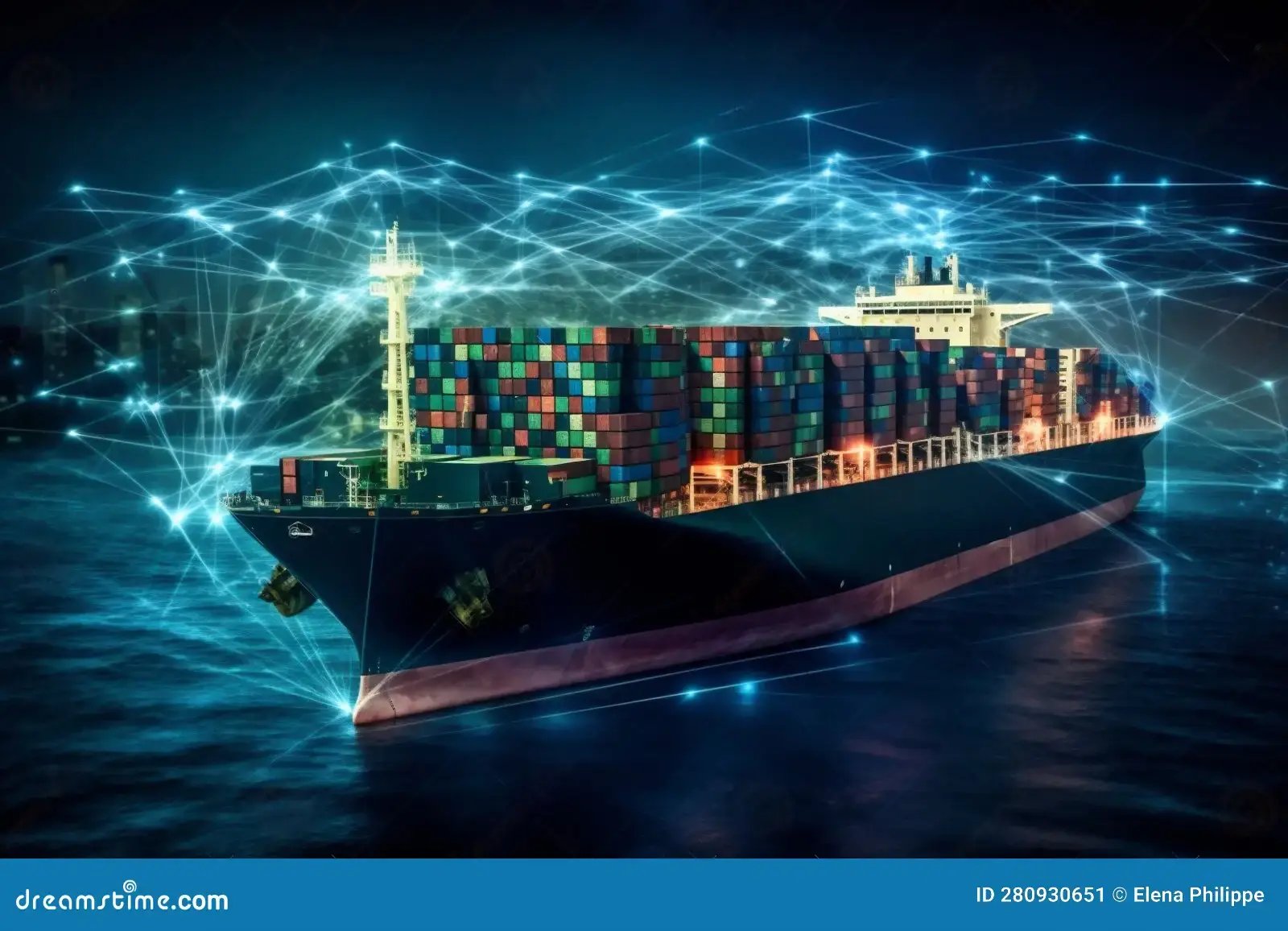
❖Choosing between Full Container Load (FCL) and Less than Container Load (LCL) is the first major decision for any importer using sea freight services. FCL involves renting an entire 20ft or 40ft container for your exclusive use, which provides better security and faster handling at the port. In contrast, LCL allows you to share container space with other shippers, making it a cost-effective choice for smaller volumes under 15 cubic meters.
Moreover, FCL shipments generally face fewer delays because they do not require the consolidation and deconsolidation processes associated with shared loads. Therefore, businesses with consistent, large-scale inventory needs typically prefer FCL to ensure a more predictable arrival schedule. However, LCL remains an indispensable tool for startups and small enterprises that need to manage cash flow while keeping inventory levels balanced.
How Does Sea Freight Compare to Other Shipping Options?
❖Navigating the choice between ocean, air, and rail transport requires a clear understanding of the trade-offs between speed and expenditure. While air freight offers the fastest delivery times, usually within 5 to 7 days, it often costs five to ten times more than sea transport. Consequently, air transport is reserved for high-value electronics, urgent medical supplies, or fashion items with short shelf lives.
Meanwhile, rail freight has emerged as a popular middle-ground solution for the China-France route, offering transit times of 18 to 22 days. This method provides a significant speed advantage over sea freight while remaining much more affordable than air options. Nevertheless, sea freight remains the dominant choice for heavy machinery, furniture, and bulk raw materials due to its unmatched capacity and lowest cost per unit.
| Shipping Method | Cost Range | Transit Time | Best For |
|---|---|---|---|
| Sea Freight | $1,800 – $4,200 | 30 – 45 Days | Bulk goods and heavy machinery |
| Air Freight | $5.50 – $9.00/kg | 5 – 8 Days | Urgent or high-value items |
| Rail Freight | $2,500 – $4,800 | 18 – 25 Days | Time-sensitive industrial parts |
| Express Service | $8.00 – $12.00/kg | 3 – 5 Days | Samples and small parcels |
Major Shipping Routes and Ports from China to France
❖Specifically, most shipments departing from China originate from massive hubs like Shanghai, Shenzhen, Ningbo-Zhoushan, and Guangzhou. Shanghai currently holds the title of the world’s busiest container port, offering the most frequent sailings and competitive rates for French destinations. Additionally, Shenzhen serves as the primary gateway for electronics and consumer goods manufactured in the Pearl River Delta region.
Upon reaching France, cargo typically enters through major maritime gateways such as Le Havre, Marseille-Fos, or Dunkirk. Le Havre is the preferred port for goods destined for Paris and northern France due to its advanced multimodal connections. On the other hand, Marseille-Fos serves as the primary entry point for southern France and Mediterranean trade routes, providing efficient access to regional distribution centers.
Estimated Transit Times for 2026
❖Predicting arrival dates accurately is crucial for maintaining an efficient supply chain and meeting customer expectations. Typically, the sea transit from Shanghai to Le Havre takes approximately 32 to 38 days under normal weather and port conditions. Furthermore, shipments from southern China ports like Shenzhen might arrive slightly faster, often reaching Marseille in 28 to 33 days via the Suez Canal route.
However, importers must also account for the time required for booking, loading, and customs clearance at both ends of the journey. In early 2026, market data suggests that total door-to-door transit times generally range from 45 to 55 days. Therefore, we recommend starting the logistics planning process at least two months before the desired delivery date to avoid potential stockouts.
| Origin Port | Destination Port | FCL Transit | LCL Transit |
|---|---|---|---|
| Shanghai | Le Havre | 32 – 35 Days | 38 – 42 Days |
| Shenzhen | Marseille | 28 – 32 Days | 35 – 38 Days |
| Ningbo | Le Havre | 34 – 38 Days | 40 – 45 Days |
| Qingdao | Dunkirk | 38 – 42 Days | 45 – 50 Days |
Shipping Costs and 2026 Market Trends
❖Calculating the total cost of sea freight from China to France involves several components beyond the basic ocean freight rate. These include terminal handling charges (THC), documentation fees, fuel surcharges (BAF), and inland haulage costs. As of early 2026, freight rates have stabilized following the volatility of previous years, though seasonal spikes still occur during the Q3 peak season.
Additionally, environmental regulations in the maritime industry have led to the implementation of new carbon levies that slightly increase overall shipping expenditures. Nevertheless, ocean transport remains significantly more economical than any other method for large shipments. Importers should always request a comprehensive quote that includes all potential surcharges to avoid unexpected financial burdens during the transport process.
Note: Freight rates are subject to change based on fuel costs, carrier capacity, and seasonal demand. Contact us for a current quote tailored to your specific shipment.
| Container Type | Average Rate (2026) | Capacity | Max Weight |
|---|---|---|---|
| 20GP Container | $1,900 – $2,600 | 33 CBM | 28,000 kg |
| 40GP Container | $3,000 – $4,000 | 67 CBM | 26,500 kg |
| 40HQ Container | $3,200 – $4,500 | 76 CBM | 26,500 kg |
| LCL (per CBM) | $60 – $95 | Variable | 1,000 kg/CBM |
Customs Clearance and Essential Documentation
❖Navigating French customs requires meticulous attention to detail and a thorough understanding of European Union import regulations. Every importer must obtain an Economic Operators Registration and Identification (EORI) number before their cargo arrives at a French port. Furthermore, hiring a professional customs brokerage service can significantly reduce the risk of delays and costly fines associated with paperwork errors.
Essential documents for shipping to France include the Commercial Invoice, Packing List, Bill of Lading, and the Certificate of Origin. Specifically, the Commercial Invoice must clearly state the transaction value, description of goods, and the appropriate HS codes for duty calculation. Consequently, ensuring that all information is consistent across all documents is the best way to facilitate a smooth clearance process through French authorities.
Case Study: Shipping Electronics from Shenzhen to Le Havre
❖Case Study 1: High-Volume Consumer Electronics
Route: Shenzhen, China to Le Havre, France. Cargo: Smart home devices, 68 CBM, 12,500 kg. Container: 40HQ. Shipping Details: Carrier: CMA CGM. Port of Loading: Yantian (Shenzhen). Port of Discharge: Le Havre. Route Type: Direct. Cost Breakdown: Ocean Freight: $3,450. Origin Charges: $420. Destination Charges: $550. Customs and Duties: $4,200. Total Landed Cost: $8,620. Timeline: Booking to Loading: 4 days. Sea Transit: 31 days. Customs Clearance: 2 days. Total Door-to-Door: 42 days. Key Insight: Utilizing a 40HQ container maximized the volume efficiency, reducing the per-unit shipping cost by 15 percent compared to using multiple 20GP containers. Based on Q1 2026 market rates.

Case Study: Industrial Machinery from Shanghai to Marseille
❖Case Study 2: Heavy Industrial Components
Route: Shanghai, China to Marseille, France. Cargo: CNC Machine parts, 12 CBM, 8,000 kg. Container: LCL. Shipping Details: Carrier: Maersk. Port of Loading: Shanghai. Port of Discharge: Marseille-Fos. Route Type: Transshipment via Port Klang. Cost Breakdown: Ocean Freight: $960. Origin Charges: $310. Destination Charges: $480. Customs and Duties: $2,100. Total Landed Cost: $3,850. Timeline: Booking to Loading: 6 days. Sea Transit: 36 days. Customs Clearance: 3 days. Total Door-to-Door: 52 days. Key Insight: While LCL transit took longer due to transshipment, it saved the client over $1,000 compared to booking a full 20GP container that would have been half-empty. Typical rates as of early 2026.
Which Shipping Option Should You Choose?
❖Deciding on the best logistics strategy depends heavily on your specific business priorities regarding budget, speed, and cargo volume. If your primary goal is cost reduction and you have a lead time of over 50 days, sea freight is undoubtedly the superior choice. Conversely, businesses facing tight deadlines or dealing with perishable goods should opt for air or express services despite the higher costs.
For shipments that fall between 10 and 15 cubic meters, we often recommend evaluating both LCL and FCL options. Sometimes, the security and speed of a 20ft FCL container justify the small price difference over a large LCL shipment. Additionally, many modern importers are exploring door to door solutions to simplify their operations and consolidate all logistics costs into a single, manageable invoice.
Final Thoughts on Shipping to France
To summarize, mastering sea freight from China to France requires a balance of strategic planning, cost management, and regulatory compliance. As global trade routes continue to evolve in 2026, staying informed about port developments and freight trends remains paramount for maintaining a healthy bottom line. By selecting the right container type and partnering with experienced logistics providers, you can ensure your goods move efficiently across the ocean to their final destination in France.
Ultimately, the success of your import business hinges on the reliability of your shipping partners and your ability to adapt to market changes. Whether you are shipping small LCL loads or managing large-scale FCL projects, the principles of ocean freight remain a cornerstone of international commerce. We encourage all importers to conduct regular reviews of their shipping strategies to identify new opportunities for cost savings and improved transit times.
Ready to streamline your logistics?
Are you ready to optimize your supply chain with reliable sea freight from China to France? Contact our expert team today to receive a personalized quote and streamline your logistics process. Visit: https://Top China Freight.com/contact-us/
Request Quote