
Seamless Cargo Handling China to France: Your Complete Guide
Shipping goods from China to France involves complex logistics, therefore understanding efficient cargo handling is paramount for businesses. Successfully importing products requires navigating various shipping methods, customs regulations, and transit times. This comprehensive guide, brought to you by Top China Freight, will simplify the process, ensuring your goods arrive safely and on schedule.
Navigating Cargo Handling China to France
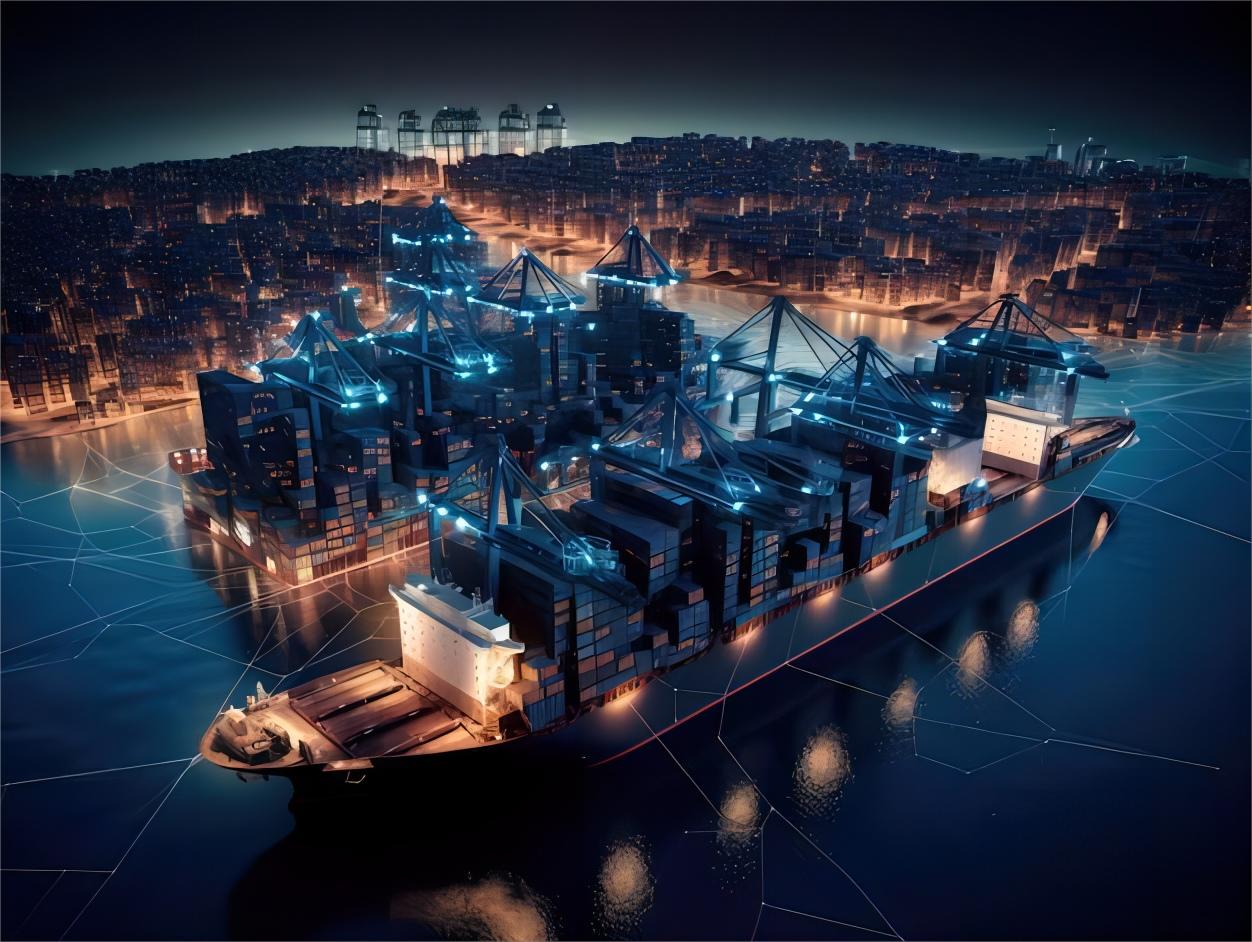
Managing cargo handling from China to France presents unique challenges, however, with the right strategy, businesses can achieve seamless operations. Importers face decisions regarding cost, speed, and reliability, all while adhering to strict international trade regulations. Efficient logistics are crucial for maintaining competitive advantage and customer satisfaction in the European market.
Proper planning is essential for successful import operations, from supplier coordination in China to final delivery in France. Understanding the nuances of each shipping method and the associated documentation ensures a smooth supply chain. Consequently, businesses can minimize delays and unexpected expenses.
How Does Sea Freight Compare to Other Shipping Options from China to France?
Choosing the optimal shipping method for cargo handling China to France heavily depends on your specific needs regarding budget, urgency, and cargo volume. While sea freight is often the most economical, air freight offers unparalleled speed, and rail freight provides a balanced alternative. Each option has distinct advantages and limitations worth considering.
Consequently, a thorough evaluation helps businesses make informed decisions to optimize their logistics. For instance, high-value, time-sensitive goods might warrant air freight, whereas bulk commodities typically benefit from sea or rail transport. This comparison table outlines the primary differences.
| Shipping Method | Cost Range | Transit Time (Days) | Best For | Limitations |
|---|---|---|---|---|
| Sea Freight | $50-100/CBM (LCL), $3,000-4,200 (40HQ) | 28-38 | Large volume, heavy cargo, non-urgent | Slowest, port-to-port only, potential delays |
| Air Freight | $4-8/kg | 3-7 | Urgent, high-value, small volume | Most expensive, weight/size restrictions, higher carbon footprint |
| Rail Freight | $1-2.5/kg | 15-22 | Medium urgency, cost-effective for mid-volume, inland access | Limited routes, capacity constraints, potential for transshipment |
Sea Freight: The Cost-Effective Choice
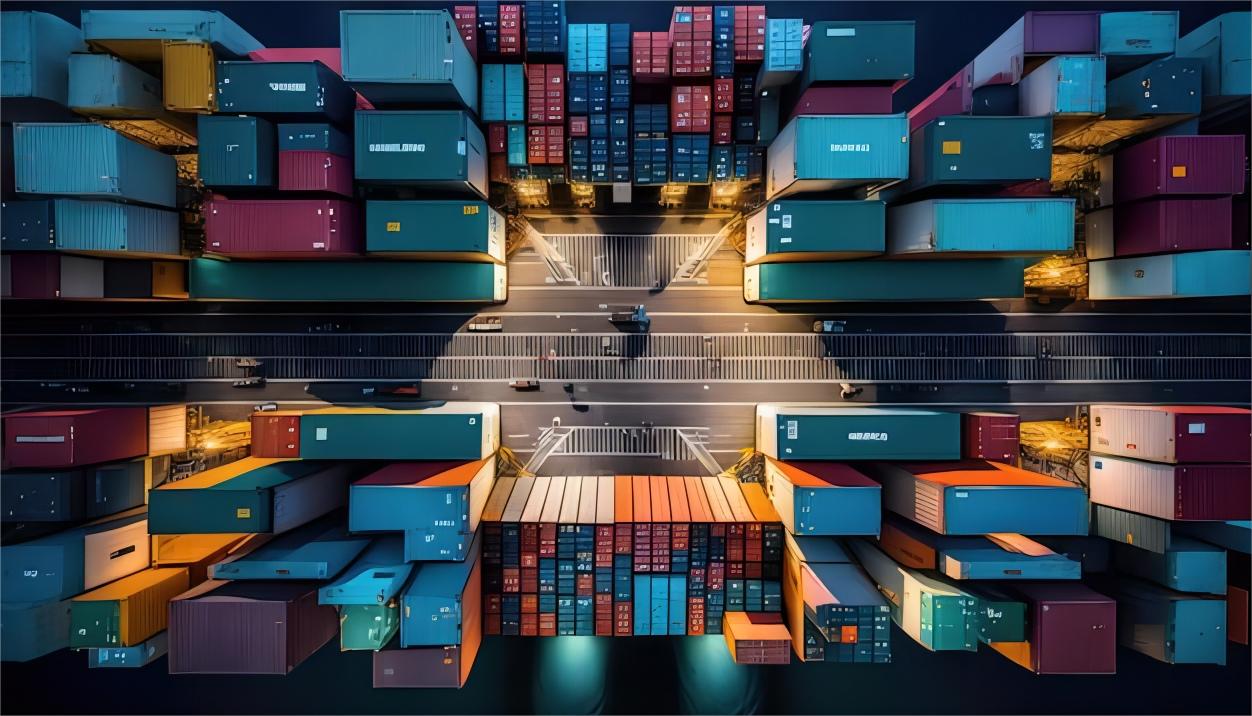
Sea freight remains the backbone of international trade for cargo handling China to France, particularly for large or heavy shipments. This method offers significant cost savings, especially for full container loads (FCL) or substantial less than container load (LCL) consignments. However, longer transit times and potential port congestion are common considerations.
Air Freight: Speed and Urgency
For time-sensitive goods or those with high value, air freight from China to France is the fastest option. Although it involves higher costs, the reduced transit time can significantly benefit supply chains for perishable items or urgent product launches. Air cargo is ideal for smaller, lighter consignments where speed is the priority.
Rail Freight: The Balanced Alternative
Rail freight has emerged as a viable middle-ground for cargo handling China to France, combining reasonable costs with faster transit times than sea freight. The New Silk Road railway network connects major Chinese cities directly to European hubs, offering a reliable and increasingly popular option. It is particularly suitable for medium-sized shipments and those destined for inland European locations.
Which Shipping Option Should You Choose for China to France?
Deciding on the best shipping method for your cargo handling China to France requires careful consideration of several factors. Your budget, the urgency of delivery, and the nature of your goods all play critical roles in this strategic decision. Consequently, aligning your choice with your business priorities is essential for logistical success.
For instance, if budget is your primary concern and time is flexible, sea freight is generally the most economical. Conversely, if speed is paramount for high-value or perishable goods, air freight becomes indispensable. Rail freight offers a compelling balance for mid-range needs. Furthermore, the volume and weight of your cargo often dictate whether FCL, LCL, or air cargo is most suitable.
Streamlining Customs and Documentation
Effective cargo handling China to France necessitates meticulous attention to customs clearance and documentation. The process involves various forms, permits, and declarations to ensure compliance with both Chinese export and French import regulations. Errors can lead to significant delays and penalties, therefore expert guidance is invaluable.
Key documents typically include the commercial invoice, packing list, bill of lading (for sea) or air waybill (for air), certificate of origin, and potentially product-specific licenses. Engaging a reliable customs brokerage service can significantly streamline this complex process, minimizing risks and ensuring smooth entry into France.
Real-World Cargo Handling China to France: Case Studies
Examining real-world scenarios highlights the practical application of effective cargo handling China to France strategies. These examples illustrate how different shipping methods and logistical approaches address specific business needs and challenges. Each case study provides insights into costs, transit times, and key considerations.
These insights are based on typical rates as of early 2025 and demonstrate the varied outcomes depending on cargo specifics and chosen services. Understanding these practical applications can help you better plan your own international shipments.
Case Study 1: High-Value Electronics Shipment
| Detail | Description |
|---|---|
| Route | Shenzhen, China -> Paris, France |
| Cargo | Consumer Electronics, 5 CBM, 800 kg |
| Container | LCL 5 CBM |
| Shipping Method | Rail Freight (China-Europe Express) |
| Carrier/Service | Major rail operator |
| Port of Loading | Xian Dry Port |
| Port of Discharge | Dourges, France |
| Route Type | Direct Rail Service |
| Ocean Freight (Rail) | $1,800 |
| Origin Charges | $150 |
| Destination Charges | $200 |
| Customs & Duties (estimated) | $350 |
| Total Landed Cost | $2,500 |
| Booking to Loading | 5 days |
| Rail Transit | 18 days |
| Customs Clearance | 2 days |
| Total Door-to-Door | 25 days |
| Key Insight | Cost-effective for urgent mid-volume, faster than sea, avoids air freight cost. |
Case Study 2: Bulk Textiles Import
| Detail | Description |
|---|---|
| Route | Ningbo, China -> Marseille, France |
| Cargo | Textile Fabrics, 20 CBM, 5,000 kg |
| Container | LCL 20 CBM |
| Shipping Method | Sea Freight |
| Carrier/Service | COSCO (Major carrier) |
| Port of Loading | Ningbo Port |
| Port of Discharge | Port of Marseille Fos |
| Route Type | Transshipment via Singapore |
| Ocean Freight | $1,400 |
| Origin Charges | $250 |
| Destination Charges | $300 |
| Customs & Duties (estimated) | $400 |
| Total Landed Cost | $2,350 |
| Booking to Loading | 7 days |
| Sea Transit | 35 days |
| Customs Clearance | 3 days |
| Total Door-to-Door | 45 days |
| Key Insight | Most economical for bulk, but requires longer lead times. Q4 peak season rates were 15% higher. |
Optimizing Your Logistics for Door-to-Door Delivery
Achieving truly efficient cargo handling China to France often culminates in seamless door-to-door delivery. This integrated service handles every stage of the shipping process, from pickup at the supplier’s factory in China to final delivery at your warehouse in France. It significantly reduces administrative burdens and ensures greater control over the entire supply chain.
By consolidating various logistical components under one provider, businesses can minimize coordination efforts and potential communication gaps. Moreover, this approach often includes customs clearance, local transportation, and tracking, simplifying the import experience. Consequently, it allows businesses to focus on their core operations rather than managing complex shipping details.

Conclusion: Mastering Cargo Handling China to France
Effective cargo handling China to France is a cornerstone of successful international trade, demanding careful planning and strategic execution. By understanding the various shipping methods – sea, air, and rail – and their respective advantages, businesses can make informed decisions. Furthermore, meticulous attention to customs procedures and documentation is crucial for avoiding delays.
Ultimately, partnering with an experienced logistics provider can significantly simplify the complexities of importing from China to France. This ensures not only cost-efficiency but also timely and secure delivery of your goods, strengthening your supply chain.
Need a tailored shipping solution?
Ready to streamline your cargo handling China to France? Contact our expert team today for a personalized quote and discover how our tailored solutions can optimize your supply chain. We are committed to providing reliable, efficient, and cost-effective shipping services for your business needs.