
Shipping Agent China to Singapore: Your Ultimate Guide
Navigating international logistics can be complex, especially when importing goods. For businesses seeking efficient and reliable transport, choosing the right shipping agent China to Singapore is absolutely crucial. This comprehensive guide will illuminate the pathways to successful shipments, helping you understand methods, costs, and key considerations for your cargo.

Why Partner with a Professional Shipping Agent China to Singapore?
Engaging a reliable shipping agent from China to Singapore offers significant advantages. These specialists expertly navigate complex international shipping regulations and optimize your logistics. Consequently, you save valuable time and reduce potential shipping costs.
Furthermore, a skilled agent ensures smooth customs clearance, minimizing delays and unexpected charges. They provide essential guidance on documentation, tariffs, and compliance requirements. Ultimately, this expertise helps protect your business from costly errors.
Moreover, they offer various service options, including cargo consolidation and warehousing solutions. This flexibility allows businesses to tailor shipping strategies to their specific needs. Therefore, partnering with an expert enhances your overall supply chain efficiency.
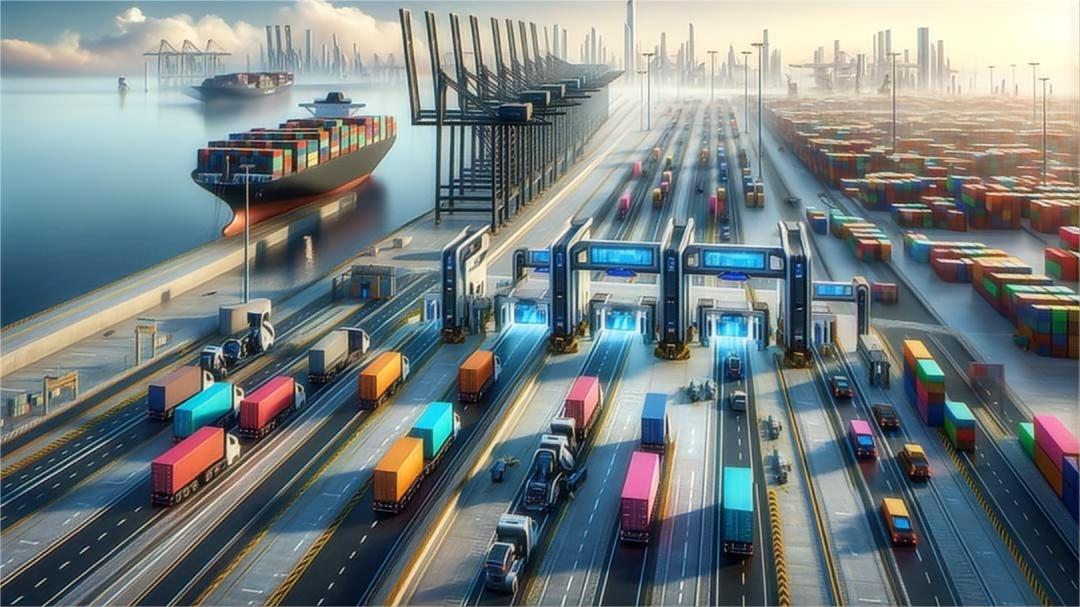
Indeed, a dedicated shipping agent can provide real-time tracking and proactive communication. This transparency gives you peace of mind throughout the entire shipping process. Therefore, you maintain better control over your inventory and delivery schedules.
Understanding Key Shipping Methods from China to Singapore
Several primary shipping methods connect China and Singapore, each with distinct benefits and drawbacks. Your choice largely depends on factors like cargo volume, urgency, and budget. Understanding these options is vital for making informed decisions.
Sea freight is generally the most economical option for large or heavy shipments. This method is ideal for non-urgent goods, offering significant cost savings. Consider sea freight for bulk commodities or oversized items.
Conversely, air freight provides the fastest transit times for urgent or high-value cargo. While more expensive, it ensures quicker delivery, crucial for time-sensitive products. Explore air freight for electronics, perishables, or fashion items.
Express shipping, a specialized form of air freight, offers even faster door-to-door services. This premium option is suitable for small, urgent packages and documents. It often includes expedited customs handling, ensuring rapid delivery.
How Does Sea Freight Compare to Other Shipping Options?
Comparing sea freight with other options highlights the trade-offs between speed, cost, and capacity. For instance, while sea freight is slow, its capacity is unmatched. This comparison is critical for optimizing your shipping strategy.
Furthermore, understanding these differences helps in planning your inventory and delivery schedules effectively. Different methods suit different business models and product types. Therefore, a careful analysis is always recommended.
Singapore, as a major global hub, receives vast amounts of cargo via sea. However, for immediate needs, air freight remains indispensable. This section provides a comprehensive look at the viable alternatives for your China to Singapore shipments.
| Shipping Method | Cost Range (per kg/CBM) | Transit Time | Best For | Limitations |
|---|---|---|---|---|
| Sea Freight (FCL) | USD 50-150/CBM (container) | 10-18 days | Large volumes, heavy goods, non-urgent shipments | Slower transit, port-to-port only |
| Sea Freight (LCL) | USD 80-200/CBM (consolidated) | 15-25 days | Smaller volumes, cost-sensitive, flexible | Longer transit, potential delays due to consolidation |
| Air Freight | USD 4-8/kg | 3-7 days | Urgent, high-value, small to medium shipments | High cost, weight/size restrictions, environmental impact |
| Express Service | USD 8-15/kg | 1-3 days | Very urgent, small packages, samples | Highest cost, strict weight/size limits, not for bulk |
Navigating Customs and Documentation for China-Singapore Shipments
Effective customs clearance is paramount for seamless international trade between China and Singapore. Incorrect documentation can lead to significant delays, fines, and storage fees. Therefore, meticulous preparation is essential.
A proficient customs brokerage service is invaluable in this process. They ensure all necessary permits, licenses, and declarations are accurately completed. This expertise accelerates the movement of your goods through both Chinese export and Singaporean import customs.
Moreover, understanding Singapore’s import duties and GST (Goods and Services Tax) is crucial. Most goods are subject to GST at 9% (as of 2024), while specific items may incur additional duties. Your shipping agent can provide up-to-date information on these charges.
Additionally, a comprehensive shipping agent will help you classify your goods correctly using Harmonized System (HS) codes. Proper classification impacts both duty assessment and regulatory compliance. Consequently, it minimizes risks of customs disputes.
| Document Type | Purpose | Issuing Party | Notes |
|---|---|---|---|
| Commercial Invoice | Details of goods, value, seller/buyer | Exporter | Crucial for customs valuation and duties |
| Packing List | Itemized list of contents, weights, dimensions | Exporter | Aids in cargo inspection and handling |
| Bill of Lading (B/L) / Air Waybill (AWB) | Contract of carriage, title to goods | Carrier/Forwarder | Proof of shipment, required for cargo release |
| Certificate of Origin | Confirms country of manufacture | Chamber of Commerce | May qualify for preferential tariffs (e.g., ASEAN-China FTA) |
| Import Permit/License | Required for controlled goods (e.g., food, medical) | Singapore Authorities (e.g., SFA, HSA) | Obtain before shipment to avoid delays |
Optimizing Your Supply Chain: Tips for Efficient Shipping
Optimizing your supply chain from China to Singapore goes beyond choosing a shipping method. It involves strategic planning and leveraging expert services. This proactive approach can significantly reduce your overall shipping costs and transit time.
Consider cargo consolidation (LCL) if you have smaller, regular shipments. Combining multiple smaller consignments into one container reduces per-unit costs. This strategy is particularly effective for businesses with consistent but low-volume imports.
Furthermore, explore door-to-door shipping China to Singapore for maximum convenience. This service handles the entire logistics chain, from pickup at the supplier’s factory to final delivery. Consequently, it simplifies your operations and reduces administrative burden.
Implementing robust cargo insurance is also vital. While rare, unforeseen events like damage or loss can occur during transit. Proper insurance coverage protects your financial investment and provides peace of mind. Discuss options with your shipping agent.
Real-World Success: Case Studies in China-Singapore Shipping
Examining real-world scenarios demonstrates the practical application of effective shipping strategies. These case studies highlight how different businesses optimized their logistics from China to Singapore. They showcase various challenges and successful resolutions.
These examples underscore the importance of choosing the right shipping partner. Furthermore, they illustrate the flexibility and adaptability required in international freight. Each case offers valuable insights for your own import operations.
Case Study 1: E-commerce Retailer’s Seasonal Inventory
A Singaporean e-commerce brand needed to replenish its fashion accessories for the upcoming festive season. Speed was crucial, but cost-effectiveness for a mid-volume shipment was also a factor. They opted for a hybrid approach.
| Category | Details |
|---|---|
| Route | Shenzhen, China -> Singapore |
| Cargo | Fashion accessories, 8 CBM, 1200 kg |
| Container | LCL 8 CBM |
| Shipping Details | |
| – Carrier/Service | Major carrier (LCL consolidation) |
| – Port of Loading | Yantian, Shenzhen |
| – Port of Discharge | Port of Singapore |
| – Route Type | Direct |
| Cost Breakdown | |
| – Ocean Freight | USD 680 (based on Q1 2025 market rates) |
| – Origin Charges (THC, documentation) | USD 180 |
| – Destination Charges | USD 250 |
| – Customs & Duties (estimated) | USD 550 (GST included) |
| – Total Landed Cost | USD 1660 |
| Timeline | |
| – Booking to Loading | 4 days |
| – Sea Transit | 12 days |
| – Customs Clearance | 2 days |
| – Total Door-to-Door | 18 days |
| Key Insight | LCL provided a balance of cost and speed for time-sensitive, mid-volume goods. Proactive customs brokerage avoided delays during peak season. |
Case Study 2: Industrial Equipment for Manufacturing Plant
A manufacturing company in Singapore required a large piece of machinery from a supplier in Shanghai. The equipment was oversized and non-urgent, making sea freight the obvious choice. Reliability and careful handling were top priorities.
| Category | Details |
|---|---|
| Route | Shanghai, China -> Singapore |
| Cargo | CNC machine, 28 CBM, 8500 kg |
| Container | 20GP FCL |
| Shipping Details | |
| – Carrier/Service | COSCO |
| – Port of Loading | Shanghai |
| – Port of Discharge | Port of Singapore |
| – Route Type | Direct |
| Cost Breakdown | |
| – Ocean Freight | USD 1850 (typical rates as of early 2025) |
| – Origin Charges (THC, documentation) | USD 320 |
| – Destination Charges | USD 400 |
| – Customs & Duties (estimated) | USD 1200 (GST, no duties on machinery) |
| – Total Landed Cost | USD 3770 |
| Timeline | |
| – Booking to Loading | 7 days |
| – Sea Transit | 14 days |
| – Customs Clearance | 3 days |
| – Total Door-to-Door | 24 days |
| Key Insight | FCL provided dedicated space and security for heavy, valuable equipment. Pre-arranged lifting equipment at destination ensured smooth delivery. |
Case Study 3: Urgent Electronics Components Shipment
A tech startup in Singapore faced a critical shortage of electronic components from a factory in Shenzhen. Production lines were at risk of halting. Speed was the absolute priority, regardless of cost, necessitating air freight.
| Category | Details |
|---|---|
| Route | Shenzhen, China -> Singapore |
| Cargo | Electronic components, 0.5 CBM, 150 kg |
| Container | Air Cargo (Standard) |
| Shipping Details | |
| – Carrier/Service | Cathay Pacific Cargo |
| – Port of Loading | Shenzhen Bao’an International Airport (SZX) |
| – Port of Discharge | Singapore Changi Airport (SIN) |
| – Route Type | Direct |
| Cost Breakdown | |
| – Air Freight | USD 950 (based on Q4 2024 peak season rates) |
| – Origin Charges (handling, documentation) | USD 120 |
| – Destination Charges | USD 180 |
| – Customs & Duties (estimated) | USD 150 (GST only) |
| – Total Landed Cost | USD 1400 |
| Timeline | |
| – Booking to Loading | 1 day |
| – Air Transit | 1 day |
| – Customs Clearance | 1 day |
| – Total Door-to-Door | 3 days |
| Key Insight | Air freight successfully averted production shutdown. Expedited customs process through a professional agent was critical for rapid delivery. |
Which Shipping Option Should You Choose?
Deciding on the best shipping method involves evaluating your specific business needs. Consider your budget, the urgency of your shipment, and the nature of your cargo. Each factor plays a crucial role in the selection process.
If budget is your primary concern, sea freight (FCL or LCL) is usually the most cost-effective choice. It provides excellent value for money, especially for large, non-time-sensitive shipments. However, plan for longer transit times.
Conversely, if speed is paramount, air freight or express service is indispensable. These options minimize transit time, ideal for urgent orders, high-value goods, or just-in-time inventory. Be prepared for higher shipping costs.
For bulky or heavy machinery, Full Container Load (FCL) sea freight is optimal. It offers dedicated space and security for your cargo. Meanwhile, smaller, consolidated shipments (LCL) suit businesses with regular, lower-volume imports. Ultimately, a strategic approach considering all these factors leads to the most efficient logistics solution for your shipping agent China to Singapore needs.
Common Challenges and Solutions in China-Singapore Logistics
International shipping, while beneficial, often presents various challenges. These can range from port congestion to complex regulatory changes. A proactive approach and an experienced shipping agent can mitigate many risks.
Port congestion, particularly during peak seasons or holidays like Chinese New Year, can cause significant delays. Planning shipments well in advance and utilizing flexible agents who can reroute if necessary are key solutions. This helps maintain your delivery schedule.
Customs regulations are constantly evolving, requiring continuous vigilance. An expert shipping agent stays updated on all changes, ensuring your shipments remain compliant. This prevents unexpected hold-ups and fines.
Additionally, unforeseen events such as natural disasters or global disruptions can impact transit times. Opting for cargo insurance provides financial protection against such eventualities. Moreover, a responsive agent offers alternative solutions during crises.
Your Trusted Partner for Shipping Agent China to Singapore
In summary, navigating the complexities of international shipping from China to Singapore demands expertise and strategic planning. Choosing the right shipping agent is not just about moving goods; it’s about optimizing your supply chain, managing costs, and ensuring timely delivery. A professional partner provides invaluable support, from selecting the best shipping method to handling intricate customs procedures.
Ultimately, partnering with a knowledgeable shipping agent China to Singapore can transform your logistics into a competitive advantage. This collaboration ensures your goods reach their destination efficiently and reliably, empowering your business to thrive in the global marketplace. Make an informed decision to secure your supply chain success.
Ready to streamline your logistics?
Ready to streamline your imports from China to Singapore? Contact us today for a personalized quote and expert advice. Our team is dedicated to providing efficient and reliable shipping solutions tailored to your business needs.
Request Quote