
Shipping Container China: Your Essential Guide to Global Freight
The global supply chain heavily relies on efficient logistics, particularly when sourcing goods from Asia. Navigating the complexities of shipping container China can be a daunting task for businesses worldwide. Fortunately, understanding the various options and processes makes importing smoother and more cost-effective. This comprehensive guide provides crucial insights for your next shipment.

Understanding Shipping Container China: The Fundamentals
Shipping goods from China involves a detailed understanding of logistics. Essentially, this process entails transporting products from Chinese factories to destinations across the globe. Consequently, businesses must choose the right container type and shipping method to ensure efficiency and cost-effectiveness.
Crucially, selecting the appropriate service can significantly impact your supply chain. Therefore, it is important to consider factors like cargo volume, urgency, and budget. This foundational knowledge streamlines your import operations and mitigates potential delays.
Common Container Types and Their Uses
Primarily, two main types of container shipping dominate the market: Full Container Load (FCL) and Less than Container Load (LCL). FCL means your goods occupy an entire container, offering dedicated space and faster transit times. This option is generally more cost-effective for larger volumes.
Conversely, LCL involves sharing container space with other shippers. This method is ideal for smaller shipments that do not fill a whole container. However, LCL shipments may experience longer transit times due to consolidation and deconsolidation processes at ports.
Essential Shipping Terminology
Navigating international shipping requires familiarity with specific terms. For instance, Incoterms define the responsibilities of buyers and sellers for the delivery of goods. Understanding these terms prevents disputes and clarifies obligations during transit.
Additionally, concepts like VGM (Verified Gross Mass) are critical for safety and compliance. Furthermore, knowledge of freight forwarding, customs brokerage, and port-to-port versus door-to-door services helps in making informed decisions. This foundational vocabulary empowers you in your shipping endeavors.
Choosing Your Shipping Method: Sea, Air, or Rail Freight?
Determining the optimal shipping method for your goods from China is a pivotal decision. Each option offers distinct advantages and disadvantages concerning cost, speed, and capacity. Therefore, aligning your choice with your specific business needs is paramount.
Moreover, market conditions and product characteristics often influence this selection. Consequently, a thorough evaluation of each method ensures efficient and economical delivery. Let us explore the primary options available.
| Shipping Method | Cost Range (per 40HQ/equivalent) | Transit Time (China to Europe) | Best For |
|---|---|---|---|
| Sea Freight (FCL) | $3,000 – $4,200 | 28 – 35 days | Large volumes, heavy goods, cost-saving, non-urgent |
| Rail Freight (FCL/LCL) | $5,000 – $8,000 | 16 – 20 days | Medium urgency, inland Europe, balance of cost/speed |
| Air Freight (General Cargo) | $15,000 – $25,000+ | 5 – 7 days | Urgent, high-value, small volume, e-commerce |
Sea Freight: The Cost-Effective Choice
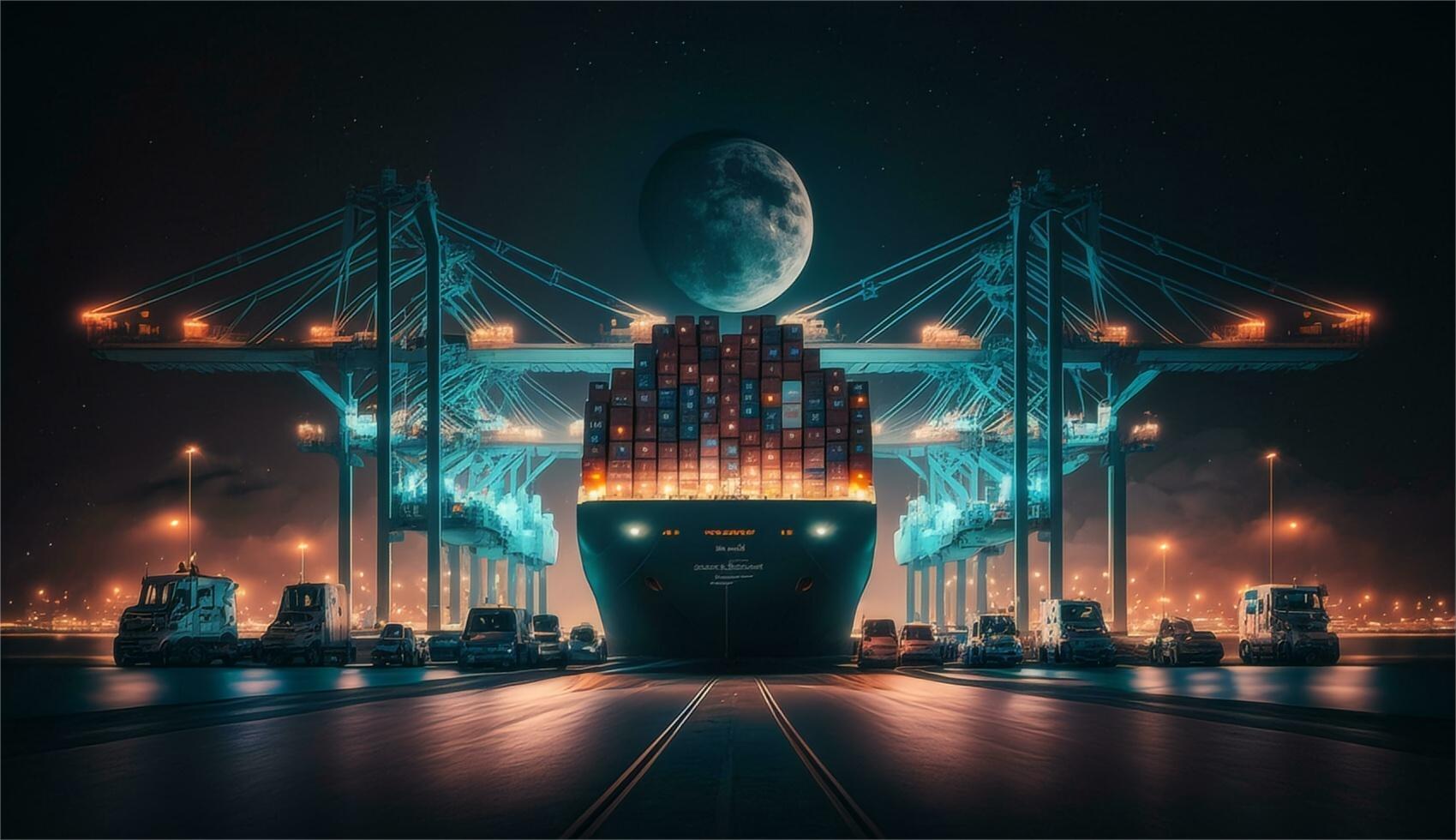
Undeniably, sea freight remains the most popular and economical method for large volume shipments. It is particularly suitable for heavy, bulky, or non-urgent cargo. While transit times are longer, the per-unit cost is significantly lower.
Generally, sea freight offers immense capacity, accommodating various container sizes. However, planning ahead is crucial due to longer delivery schedules. Many businesses rely on this method for their regular inventory replenishment and bulk orders from China.
Air Freight: For Speed and Urgency
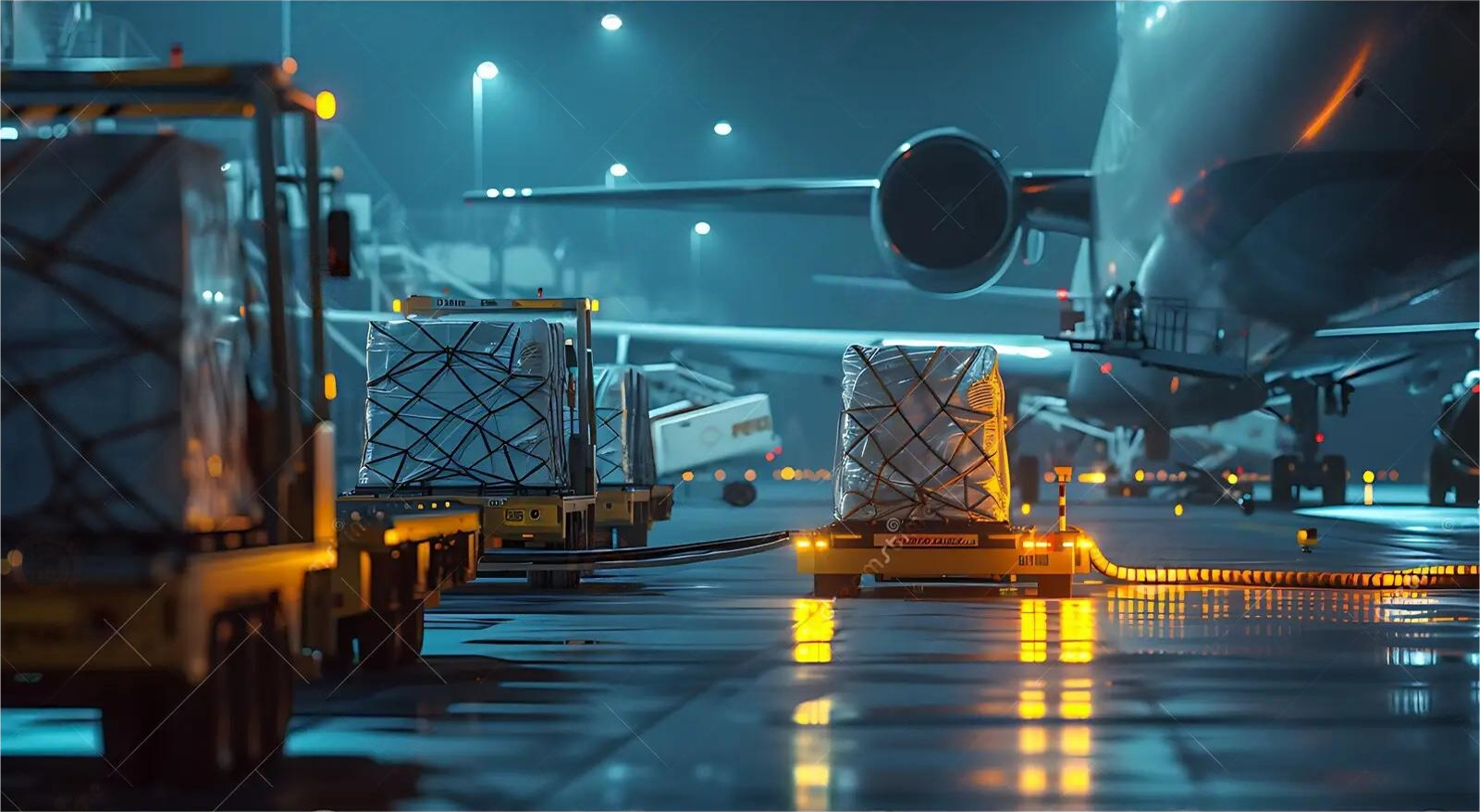
Alternatively, air freight is the fastest option for shipping goods from China. It is indispensable for urgent shipments, high-value items, or products with a short shelf life. Although more expensive, it drastically reduces transit times.
Indeed, air freight minimizes inventory holding costs and allows for quicker market entry. However, its capacity is limited compared to sea freight, and costs can escalate rapidly with weight and volume. It is often the preferred choice for e-commerce and time-sensitive deliveries.
Rail Freight: A Balanced Inland Option
For shipments between China and Europe, rail freight presents a compelling middle-ground. It offers faster transit times than sea freight and is more economical than air freight. This method has gained popularity due to its efficiency and reliability.
Furthermore, rail freight is often less affected by weather conditions than sea or air transport. It provides a viable solution for businesses seeking a balance between speed and cost, especially for inland destinations in Europe. However, it is not an option for overseas routes like China to Australia.
Key Factors Influencing Shipping Costs from China
Understanding the cost structure of door to door shipping from China is essential for budgeting. Various elements contribute to the final freight rates. Therefore, businesses must factor in all potential charges to avoid unexpected expenses.
Indeed, these factors can fluctuate based on market dynamics, seasonality, and the specific services required. Consequently, obtaining a detailed quote that outlines all costs is always recommended. Let us examine the primary cost components.
Freight Rates and Surcharges
Primarily, the base freight rate depends on the shipping method, volume, weight, and destination. However, various surcharges significantly impact the total cost. These include Bunker Adjustment Factor (BAF) for fuel fluctuations and Currency Adjustment Factor (CAF).
Moreover, Peak Season Surcharges (PSS) are common during peak shipping times, such as before major holidays. Terminal Handling Charges (THC) at both origin and destination ports also add to the overall cost. These surcharges reflect the dynamic nature of global logistics trends.
Customs Duties and Taxes
Importing goods always incurs customs duties and taxes, which vary by product category and destination country. Proper classification of goods using HS codes is crucial for accurate calculation. Therefore, engaging an experienced customs brokerage service is highly beneficial.
Furthermore, Value Added Tax (VAT) or Goods and Services Tax (GST) may apply upon entry into the destination country. These governmental charges are non-negotiable and must be accounted for in your import budget. Accurate documentation helps to avoid delays and penalties.
Port Charges and Local Logistics
Beyond the main freight and customs, several local charges apply at both origin and destination. These include documentation fees, security fees, and container detention or demurrage charges if containers are not cleared promptly. Therefore, efficient cargo handling is vital.
Additionally, inland transportation costs from the port of discharge to your final warehouse must be considered. This last-mile delivery is often a significant component of the total landed cost. Consequently, planning the entire delivery schedule ensures a seamless process.
Navigating Customs and Documentation for China Imports
The customs and documentation process is a critical, yet often complex, aspect of importing goods via `shipping container China`. Accurate and complete paperwork is essential to prevent delays, fines, and even seizure of goods. Therefore, meticulous attention to detail is paramount.
Indeed, a smooth customs clearance directly impacts your delivery schedule and overall supply chain efficiency. Consequently, understanding the requirements and preparing all necessary documents in advance can save significant time and money. Here’s what you need to know.
Required Documents Checklist
A comprehensive set of documents is required for international shipments. This typically includes the Commercial Invoice, Packing List, and Bill of Lading (for sea freight) or Air Waybill (for air freight). Each document serves a specific purpose in the import/export process.
Furthermore, depending on the goods, a Certificate of Origin, product-specific licenses, or quality inspection certificates might be necessary. It is advisable to verify specific requirements with your freight forwarder or customs broker. This proactive approach ensures compliance.
Tips for Smooth Customs Clearance
To ensure seamless customs clearance, several best practices should be followed. Firstly, ensure all information on your commercial invoice matches your packing list and bill of lading precisely. Inconsistencies can lead to immediate red flags.
Secondly, classify your goods correctly using the Harmonized System (HS) codes. Incorrect classification can result in wrong duty payments or customs holds. Lastly, maintain open communication with your freight forwarder, as they possess expertise in navigating these regulations effectively.
Optimizing Your Supply Chain: Strategies for Efficient Shipping
Achieving efficiency in your `shipping container China` operations goes beyond simply choosing a method. Strategic planning and optimization can significantly reduce costs and improve delivery times. Therefore, businesses should constantly seek ways to streamline their supply chain.
Moreover, adopting smart logistics practices enhances reliability and customer satisfaction. Consequently, focusing on these optimization strategies can provide a competitive edge. Let us explore some effective approaches.
Consolidation Strategies for Cost Savings
For businesses with multiple suppliers in China, cargo consolidation is a powerful cost-saving strategy. Instead of shipping small, individual LCL consignments, goods from various vendors can be collected and combined into a single FCL shipment. This reduces per-unit shipping costs significantly.
Furthermore, consolidation reduces administrative burden and simplifies customs procedures. This approach is especially beneficial for growing businesses or those managing diverse product lines. It minimizes the number of shipments while maximizing container utilization.
Route Optimization and Carrier Selection
Optimizing your shipping routes involves selecting the most efficient path and reliable carriers. Direct routes, though sometimes pricier, can save considerable transit time compared to routes with multiple transshipment points. Therefore, evaluating the trade-off between speed and cost is crucial.
Additionally, partnering with reputable carriers known for their punctuality and service quality minimizes risks. This ensures your goods arrive safely and on schedule. Regularly reviewing carrier performance and market data helps in making informed decisions.
Leveraging Technology and Seasonal Planning
Modern logistics benefits immensely from technology, offering better visibility and tracking capabilities. Utilizing digital platforms for booking, tracking, and documentation streamlines the entire process. This provides real-time updates and improves decision-making.
Furthermore, understanding seasonal shipping patterns is vital. Rates typically increase 15-25% during August-October peak season, and Chinese New Year also causes significant disruptions. Planning shipments outside these peak periods, or booking well in advance, can lead to substantial savings and smoother operations.
Real-World Shipping Container China Case Studies
Examining real-world examples illustrates the practical application of these shipping strategies. These case studies highlight diverse scenarios and solutions for importing goods using `shipping container China`. Therefore, they offer valuable insights into effective logistics management.
Based on current market rates and typical operational flows, these examples demonstrate how different shipping methods and planning impact outcomes. Consequently, businesses can learn from these scenarios to optimize their own operations. Note: Freight rates are subject to change based on fuel costs, carrier capacity, and seasonal demand. Contact us for a current quote tailored to your specific shipment.
Case Study 1: Large Volume Furniture Import to Europe
This case study showcases an efficient FCL shipment for a furniture importer. The goal was to minimize costs while maintaining a reasonable transit time for bulky goods.
The client successfully received their goods, demonstrating effective planning and execution for a large-scale import.
| Detail | Description |
|---|---|
| Route | Shanghai, China -> Hamburg, Germany |
| Cargo | Assorted wooden furniture, 65 CBM, 8,000 kg |
| Container | 1 x 40HQ |
| Shipping Details | Carrier: COSCO, Port of Loading: Shanghai, Port of Discharge: Hamburg, Route Type: Direct |
| Cost Breakdown | Ocean Freight: $3,500; Origin Charges: $350; Destination Charges: $400; Customs & Duties (estimated): $800; Total Landed Cost: $5,050 (Based on Q3 2024 market rates) |
| Timeline | Booking to Loading: 5 days; Sea Transit: 32 days; Customs Clearance: 3 days; Total Door-to-Door: 40 days |
| Key Insight | FCL sea freight proved highly cost-effective for large, non-urgent furniture, leveraging a direct route for reliability. |
Case Study 2: Urgent E-commerce Electronics to North America
An e-commerce business needed to quickly restock high-demand electronics for an upcoming sales event. Speed was the primary concern, outweighing cost considerations.
The express air freight option ensured rapid delivery, meeting the tight market deadline for the client.
| Detail | Description |
|---|---|
| Route | Shenzhen, China -> Los Angeles, USA |
| Cargo | Consumer electronics, 2 CBM, 200 kg |
| Container | Air Cargo (Express Service) |
| Shipping Details | Carrier: Major air cargo carrier, Port of Loading: Shenzhen Airport, Port of Discharge: LAX, Route Type: Direct |
| Cost Breakdown | Air Freight: $3,000; Origin Charges: $150; Destination Charges: $200; Customs & Duties (estimated): $400; Total Landed Cost: $3,750 (Typical rates as of early 2025) |
| Timeline | Booking to Loading: 2 days; Air Transit: 2 days; Customs Clearance: 1 day; Total Door-to-Door: 5 days |
| Key Insight | Choosing express service air freight was critical for meeting an urgent market demand, despite the higher cost. |
Case Study 3: Multi-Supplier Consolidation to Australia
A small business imported diverse goods from three different suppliers in Guangzhou. The challenge was to consolidate these smaller shipments into a single, cost-effective delivery to Australia.
LCL consolidation proved to be the ideal solution, optimizing costs for multiple smaller orders.
| Detail | Description |
|---|---|
| Route | Guangzhou, China -> Sydney, Australia |
| Cargo | Mixed retail goods (textiles, small electronics), 8 CBM, 1,500 kg |
| Container | LCL (Less than Container Load) |
| Shipping Details | Carrier: Major consolidator, Port of Loading: Nansha, Port of Discharge: Sydney, Route Type: Direct |
| Cost Breakdown | Ocean Freight: $560 (8CBM x $70/CBM); Origin Charges: $250; Destination Charges: $300; Customs & Duties (estimated): $600; Total Landed Cost: $1,710 (Industry average for this route, Q1 2025) |
| Timeline | Booking to Loading: 7 days (consolidation); Sea Transit: 15 days; Customs Clearance: 4 days; Total Door-to-Door: 26 days |
| Key Insight | Consolidating multiple suppliers into an LCL shipment significantly reduced shipping costs compared to individual parcels. This also allowed for efficient Amazon FBA preparation. |
How Does Shipping Container China Compare to Other Options?
When planning your imports, comparing various shipping methods is crucial. Each option presents a unique balance of cost, speed, and suitability for different cargo types. Consequently, an objective analysis helps in making the best logistical decision.
Furthermore, market data suggests that freight rates and transit times are subject to constant change. Therefore, staying informed about current market conditions is vital. This section provides a comprehensive comparison to guide your choices.
Comprehensive Comparison of Shipping Methods
Choosing between sea, air, and rail freight depends heavily on your specific business requirements. While sea freight is the backbone for bulk goods, air freight serves the urgent market. Rail freight offers a compelling alternative for specific land routes. Consider the following table for a quick overview.
| Shipping Method | Cost Range (Relative) | Transit Time (China to Europe/USA) | Key Considerations |
|---|---|---|---|
| Sea Freight (FCL/LCL) | Low to Medium | 12-35 days | Best for bulky, heavy, non-urgent goods. High capacity. Vulnerable to port congestion. |
| Rail Freight (FCL/LCL) | Medium | 16-20 days | Faster than sea, cheaper than air. Environmentally friendlier. Limited routes (China-Europe). |
| Air Freight | High | 2-7 days | Fastest option for urgent, high-value, perishable goods. Higher cost, lower capacity. |
| Express Service | Very High | 1-5 days | Door-to-door, fastest for small parcels. Includes customs. Premium for speed and convenience. |
Decision Framework: Which Option Should You Choose?
Selecting the ideal shipping method involves weighing multiple factors. Firstly, assess your budget priority; if cost is paramount, sea freight is generally the best choice. Secondly, consider speed priority; urgent shipments necessitate air or express services.
Thirdly, cargo type considerations play a big role; fragile or high-value items might benefit from air freight’s quicker transit and reduced handling. Finally, volume thresholds for switching methods are important; for instance, LCL is economical for under 15 CBM, but FCL becomes more cost-effective beyond that. Hybrid solutions, like sea-air combinations, can also offer flexibility for specific needs.
Future Trends in Shipping Container China Logistics
The landscape of `shipping container China` is continually evolving, driven by technological advancements and global events. Consequently, staying abreast of emerging trends is vital for businesses to maintain a competitive edge. Therefore, adapting to these changes is crucial for long-term success.
Moreover, understanding these trends helps in anticipating future challenges and opportunities. This proactive approach ensures your supply chain remains resilient and efficient. Let us explore some key developments shaping the industry.
Digitization and Enhanced Visibility
The increasing adoption of digital platforms is revolutionizing logistics. From online booking systems to real-time cargo tracking, technology provides unprecedented visibility across the supply chain. This enables better planning and quicker response to disruptions.
Furthermore, AI and machine learning are being used for predictive analytics, optimizing routes, and forecasting demand. These tools enhance efficiency and reduce operational costs. Such innovations are transforming how businesses manage their import/export operations.
Sustainability Initiatives in Shipping
Growing environmental concerns are pushing the shipping industry towards more sustainable practices. Carriers are investing in greener fuels, optimizing vessel designs, and implementing carbon reduction strategies. This shift impacts both operations and freight rates.
Additionally, businesses are increasingly seeking eco-friendly logistics solutions to align with their corporate social responsibility goals. This trend will likely influence carrier selection and route planning in the coming years. Companies are prioritizing environmental impact.
Market Dynamics and Rate Volatility
As of Q1 2025, freight rates from China have shown stabilization after the significant volatility caused by the 2024 Red Sea disruptions. However, geopolitical events and economic shifts continue to influence market dynamics. Therefore, flexibility in logistics planning is essential.
Moreover, capacity management by shipping lines and port congestion remain key factors affecting transit times and pricing. Businesses must work closely with their freight forwarders to navigate these fluctuations effectively. This partnership ensures optimal freight rates and reliable service.
Mastering Your Shipping Container China Strategy
Navigating the complexities of `shipping container China` requires a deep understanding of various methods, costs, and regulatory requirements. By carefully choosing between sea, air, and rail freight, and by implementing strategic optimization techniques, businesses can significantly enhance their supply chain efficiency.
Furthermore, leveraging expert insights and staying informed about market trends are crucial for successful international trade. Partnering with a reliable freight forwarder ensures that your goods arrive safely, on time, and within budget, ultimately contributing to your business’s growth and profitability.
Start Your Shipment
Ready to optimize your `shipping container China` strategy? Our team of experts is here to provide tailored solutions and competitive quotes. Contact us today to discuss your specific freight forwarding needs and ensure a seamless import experience.
Request Quote