
Shipping Cost from China to Europe: Your Ultimate Guide
Navigating the complexities of international logistics, especially understanding the exact shipping cost from China to Europe, can be a significant challenge for businesses. Fluctuating freight rates, diverse shipping methods, and intricate customs procedures often lead to unexpected expenses and delays. This comprehensive guide aims to demystify these costs, offering clear insights and practical strategies to help you budget effectively and optimize your supply chain.

Understanding the Factors Influencing Shipping Costs from China to Europe
Numerous variables impact the overall shipping cost from China to Europe, making it a dynamic calculation. Consequently, a thorough understanding of these elements is essential for accurate budgeting and strategic planning. These factors range from the nature of your cargo to global economic conditions.
Firstly, the volume and weight of your shipment directly influence freight charges. Larger, heavier consignments typically incur higher costs, although economies of scale can sometimes offer better per-unit rates. Secondly, the chosen shipping method plays a pivotal role in both cost and transit time, alongside fuel prices and seasonal demand.
How Does Sea Freight Compare to Other Shipping Options?
When evaluating the shipping cost from China to Europe, comparing different transportation modes is paramount. Each method offers distinct advantages and disadvantages concerning speed, cost, and capacity. This comparison helps businesses select the most suitable option for their specific needs, balancing budget and delivery expectations.

Sea freight remains the most economical choice for bulk cargo, while air freight offers unmatched speed for urgent shipments. Rail freight provides a balanced alternative, bridging the gap between sea and air in terms of both cost and transit time. Express shipping caters to small, high-value, or time-critical parcels.
| Shipping Method | Cost Range | Transit Time | Key Characteristics |
|---|---|---|---|
| Sea Freight (FCL) | $1,800-$4,200 (per container) | 28-40 days | Cost-effective for large, heavy, non-urgent cargo. Prone to port congestion and slower. |
| Sea Freight (LCL) | $50-$80 (per CBM) | 35-50 days | Economical for smaller volumes (1-15 CBM). Longer transit with potential for delays due to consolidation. |
| Rail Freight | $0.20-$0.40 (per kg) | 18-25 days | Balanced cost and speed for medium urgency. Limited routes and capacity constraints can be a factor. |
| Air Freight | $4.00-$8.00 (per kg) | 5-10 days | Fastest for urgent, high-value, or perishable goods. Significantly higher cost with volume/weight restrictions. |
| Express Shipping | $8.00-$15.00 (per kg) | 2-5 days | Quickest for samples, documents, or very urgent small parcels. Highest cost, with strict size and weight limits. |
Detailed Breakdown of Shipping Methods and Associated Costs
Understanding the specific cost structures for each shipping method is vital for accurate budgeting. Furthermore, considering all components, from terminal handling to final delivery, prevents unexpected expenses. Here’s a closer look at the typical shipping cost from China to Europe for each primary mode. Note: Freight rates are subject to change based on fuel costs, carrier capacity, and seasonal demand. Contact us for a current quote tailored to your specific shipment.
Sea Freight from China to Europe
Sea freight is generally the most cost-effective solution for large volume shipments. The cost largely depends on whether you opt for Full Container Load (FCL) or Less than Container Load (LCL). FCL rates are typically quoted per container, while LCL rates are based on cubic meter (CBM) or weight.
For FCL, typical rates for a 40HQ container from major Chinese ports to European hubs range from $3,000 to $4,200 as of early 2025. This includes ocean freight, but additional surcharges apply. LCL rates might be around $50-80 per CBM, including consolidation fees. Consider sea freight for bulk goods or when transit time is not the most critical factor.
Air Freight from China to Europe
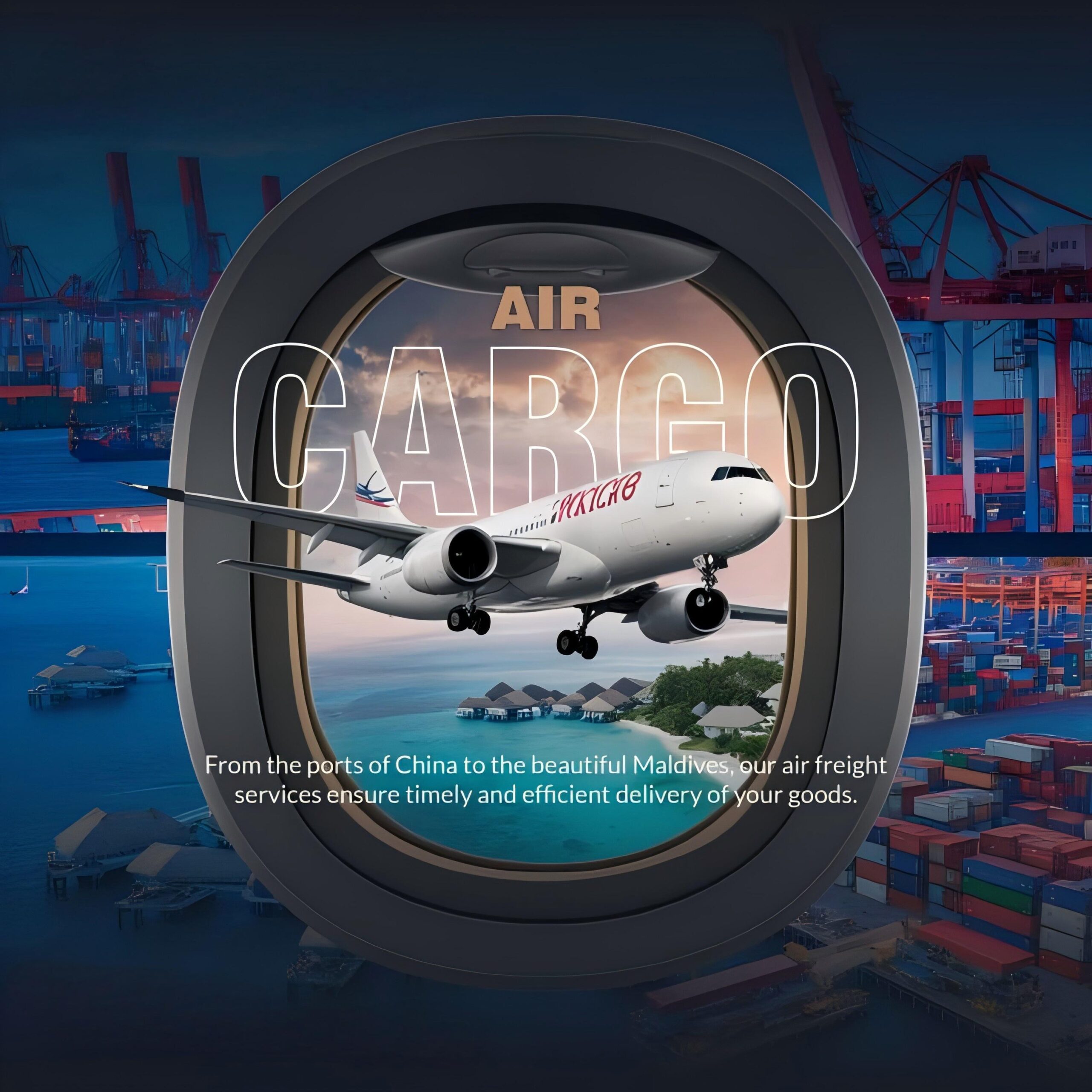
Air freight provides the fastest transit times, making it suitable for urgent or high-value goods. However, this speed comes at a significantly higher price point compared to sea or rail. Air freight costs are primarily calculated based on chargeable weight, which is either the actual weight or volumetric weight.
Current rates for air cargo from China to Europe can range from $4.00 to $8.00 per kilogram, excluding additional surcharges like fuel and security fees. Transit times are typically 5-10 days door-to-door. Businesses often choose air freight for expedited delivery of time-sensitive products or to manage inventory more efficiently.
Rail Freight from China to Europe
Rail freight has emerged as a popular middle-ground option, offering a balance between the speed of air freight and the cost-effectiveness of sea freight. This method is particularly attractive for a diverse range of goods, providing a reliable and increasingly efficient alternative. Transit times via rail typically fall within 18-25 days.
The rail freight cost from China to Europe generally ranges from $0.20 to $0.40 per kilogram. These rates are competitive for medium-sized shipments that require quicker delivery than sea freight but are not urgent enough for air cargo. It offers a more environmentally friendly option too, contributing to sustainable supply chains.
Express Shipping from China to Europe
For small packages, samples, or extremely urgent documents, express shipping via carriers like DHL, FedEx, or UPS is the fastest option. This service provides door-to-door delivery with integrated customs clearance, simplifying the process for shippers. Consequently, it is ideal for B2C e-commerce or critical spare parts.
Costs for express shipping are typically the highest per kilogram, ranging from $8.00 to $15.00 per kilogram. Transit times are usually 2-5 days. While expensive for larger items, it offers unparalleled speed and convenience for smaller, high-priority shipments, making it a valuable tool for specific logistical needs.
Navigating Customs, Duties, and Taxes for China-Europe Shipments
Beyond freight charges, understanding customs procedures, duties, and taxes is crucial for calculating the total shipping cost from China to Europe. These additional expenses can significantly impact your final landed cost. Proper documentation and classification are therefore essential to avoid delays and unexpected fees.
Firstly, the Harmonized System (HS) code of your product determines the applicable import duty rates in Europe. Furthermore, VAT (Value Added Tax) is levied on most goods imported into the EU, typically ranging from 19% to 27% depending on the destination country. Engaging a professional customs brokerage service can streamline this complex process.
Essential Documents for Customs Clearance
For smooth customs clearance, several documents are indispensable. These include a commercial invoice, packing list, bill of lading (for sea freight) or airway bill (for air freight), and a certificate of origin. Ensuring all documentation is accurate and complete is a critical step in avoiding delays.
Calculating Import Duties and VAT
Import duties are calculated based on the declared value of the goods and the applicable HS code. VAT is then calculated on the sum of the declared value, international shipping costs, and the import duty. Thus, accurate valuation and classification are key to predicting these costs effectively.
Optimizing Your Shipping Strategy: Cost-Saving Tips and Alternative Approaches
Minimizing your shipping cost from China to Europe requires a strategic approach beyond just choosing a cheap carrier. Implementing smart logistics practices and exploring alternative solutions can yield significant savings. Therefore, proactive planning and flexibility are invaluable.
One effective strategy is cargo consolidation. Combining multiple smaller shipments into a single FCL or LCL consignment can drastically reduce per-unit costs. This approach also simplifies customs procedures. Moreover, planning your shipments well in advance helps avoid peak season surcharges and allows for more economical shipping methods.
Leveraging Hybrid and Multimodal Solutions
Consider hybrid solutions like sea-air or rail-sea combinations for a balance of speed and cost. For instance, shipping by sea to a transit hub and then by air for the final leg can be faster than pure sea freight and cheaper than pure air freight. Similarly, rail-sea combinations utilize the efficiency of rail for inland China-Europe routes.
These multimodal strategies offer flexibility, allowing businesses to adapt to specific delivery requirements and budget constraints. They are particularly useful for goods that are not extremely urgent but still require faster delivery than traditional ocean freight. Always discuss these options with your freight forwarder.
Negotiating and Partnering with Experts
Building strong relationships with reliable freight forwarders can lead to better rates and service. Forwarders with high shipping volumes often secure preferential pricing from carriers, which they can pass on to their clients. Furthermore, their expertise in route optimization, customs compliance, and crisis management is invaluable. Do not hesitate to compare quotes from several providers to ensure competitive pricing and service quality.
Additionally, consider utilizing a door-to-door service. While seemingly more expensive upfront, it often provides a clearer total landed cost and reduces the administrative burden on your end. This single-provider approach simplifies the entire logistics chain, from pickup in China to final delivery in Europe.
Which Option Should You Choose? A Decision Framework
Selecting the optimal shipping method for your goods from China to Europe depends on several critical considerations. By systematically evaluating these factors, you can make an informed decision that aligns with your business objectives. This framework helps clarify the best approach for managing your shipping cost from China to Europe.
Budget Priority
If cost-saving is your primary concern and transit time is flexible, sea freight (especially LCL for smaller volumes or FCL for larger ones) is generally the most economical choice. Consider rail freight as a slightly faster, moderately priced alternative. Always balance the upfront shipping cost with potential inventory holding costs.
Speed Priority
For urgent shipments, time-sensitive products, or just-in-time inventory, air freight or express shipping are your best options. While significantly more expensive, they offer rapid delivery, crucial for meeting tight deadlines or responding quickly to market demands. Evaluate the cost of delay against the higher shipping expense.
Cargo Type and Volume Considerations
Heavy, bulky, or non-perishable goods are best suited for sea freight. High-value, fragile, or perishable items often benefit from the faster and more secure handling of air freight. For volumes between 1-15 CBM, LCL sea freight or rail freight are usually most appropriate. For larger volumes, FCL sea freight offers better rates and efficiency.
Real-World Case Studies: Shipping from China to Europe
Examining real-world scenarios provides practical insights into the variables affecting the shipping cost from China to Europe. These examples illustrate how different choices impact both expenses and delivery timelines. They highlight the importance of detailed planning and expert execution in logistics.
Case Study 1: Large Volume Sea Freight for Consumer Electronics
| Detail | Value |
|---|---|
| Route | Shenzhen, China -> Rotterdam, Netherlands |
| Cargo | Consumer Electronics (small appliances), 25 CBM, 8,000 kg |
| Container | LCL (Less than Container Load) |
| Shipping Details | Carrier: Major ocean carrier, Port of Loading: Yantian, Port of Discharge: Rotterdam, Route Type: Direct |
| Cost Breakdown | Ocean Freight: $1,600, Origin Charges (THC, documentation): $350, Destination Charges: $450, Customs & Duties (estimated): $1,200, Total Landed Cost: $3,600 |
| Timeline | Booking to Loading: 7 days, Sea Transit: 32 days, Customs Clearance: 3 days, Total Door-to-Door: 42 days |
| Key Insight | Optimal for cost efficiency on non-urgent, high-volume goods. LCL allowed for flexible inventory management without needing a full container. Based on Q4 2024 market rates. |
Case Study 2: Time-Sensitive Air Cargo for Automotive Parts
| Detail | Value |
|---|---|
| Route | Shanghai, China -> Frankfurt, Germany |
| Cargo | Automotive Spare Parts, 2 CBM, 300 kg |
| Container | Air Cargo (Volumetric Weight: 333 kg) |
| Shipping Details | Carrier: Lufthansa Cargo, Airport of Loading: PVG, Airport of Discharge: FRA, Route Type: Direct |
| Cost Breakdown | Air Freight: $1,998 (approx. $6/kg), Origin Charges: $150, Destination Charges: $120, Customs & Duties (estimated): $350, Total Landed Cost: $2,618 |
| Timeline | Booking to Loading: 2 days, Air Transit: 1 day, Customs Clearance: 2 days, Total Door-to-Door: 5 days |
| Key Insight | Ideal for critical, high-value components where production downtime is costly. Air freight ensured rapid delivery, minimizing supply chain disruptions. Typical rates as of early 2025. |
Case Study 3: Balanced Rail Shipment for E-commerce Goods
| Detail | Value |
|---|---|
| Route | Xi’an, China -> Hamburg, Germany |
| Cargo | E-commerce Apparel, 15 CBM, 2,500 kg |
| Container | LCL Rail Cargo |
| Shipping Details | Carrier: China Railway Express, Terminal of Loading: Xi’an, Terminal of Discharge: Hamburg, Route Type: Direct |
| Cost Breakdown | Rail Freight: $900 (approx. $0.36/kg), Origin Charges: $200, Destination Charges: $250, Customs & Duties (estimated): $500, Total Landed Cost: $1,850 |
| Timeline | Booking to Loading: 5 days, Rail Transit: 18 days, Customs Clearance: 2 days, Total Door-to-Door: 25 days |
| Key Insight | Excellent balance of speed and cost for e-commerce inventory. Faster than sea, more affordable than air, particularly suitable for regular stock replenishment. Based on Q1 2025 rates. |
Market Context and Future Trends Affecting Shipping Costs
The landscape of shipping cost from China to Europe is continually evolving, influenced by global events and economic shifts. Staying informed about current market conditions and future trends is therefore crucial for strategic planning. These insights help businesses anticipate changes and adapt their logistics strategies accordingly.
As of Q1 2025, freight rates from China to Europe have largely stabilized after the significant disruptions caused by the 2024 Red Sea situation. However, geopolitical tensions and fluctuating oil prices remain potential factors that could impact costs. Carriers are continuously adjusting routes and capacities in response to these global dynamics, influencing overall freight rates and delivery schedules.
Industry trends suggest a growing emphasis on sustainability, leading to increased demand for greener shipping options like rail. Consequently, investments in rail infrastructure between China and Europe are expanding, potentially offering more capacity and competitive rates. Additionally, digitalization in logistics, such as advanced tracking and predictive analytics, is improving efficiency and transparency.
Furthermore, seasonal patterns consistently affect shipping costs. Rates typically increase 15-25% during the August-October peak season leading up to holidays, and also before Chinese New Year. Planning shipments outside these periods or booking well in advance can help mitigate these seasonal surcharges. Market data suggests that flexibility in booking times can lead to considerable savings.
The Role of a Reliable Freight Forwarder in Managing Shipping Costs
Partnering with an experienced freight forwarder is indispensable for efficiently managing the shipping cost from China to Europe. A professional forwarder offers expertise, networks, and services that can significantly streamline your supply chain and reduce overall expenses. Their knowledge is invaluable in navigating complex international trade regulations.
A reputable forwarder can negotiate better rates with carriers due to their high volume of business. They also provide comprehensive services, including cargo consolidation, customs clearance, warehousing, and local delivery. This integrated approach minimizes the need for multiple vendors, simplifying logistics and reducing administrative costs. Moreover, they can advise on optimal routes and methods, ensuring your goods arrive on time and within budget.
Conclusion: Navigating Your China-Europe Shipping Costs with Confidence
Ultimately, understanding the intricate <a href=”https://Top China Freight.com/shipping-from-china-to-europe/”>shipping cost from China to Europe</a> is crucial for successful international trade. By carefully evaluating various factors, comparing shipping methods, and leveraging expert knowledge, businesses can significantly reduce their expenses and improve delivery times. Partnering with a knowledgeable freight forwarder ensures a smooth, predictable, and efficient supply chain from origin to final destination.
Start Your Shipment
Ready to optimize your shipping cost from China to Europe? Contact Top China Freight today for a personalized quote and expert guidance. Our team is dedicated to providing efficient, reliable, and cost-effective logistics solutions tailored to your business needs.
Request Quote