

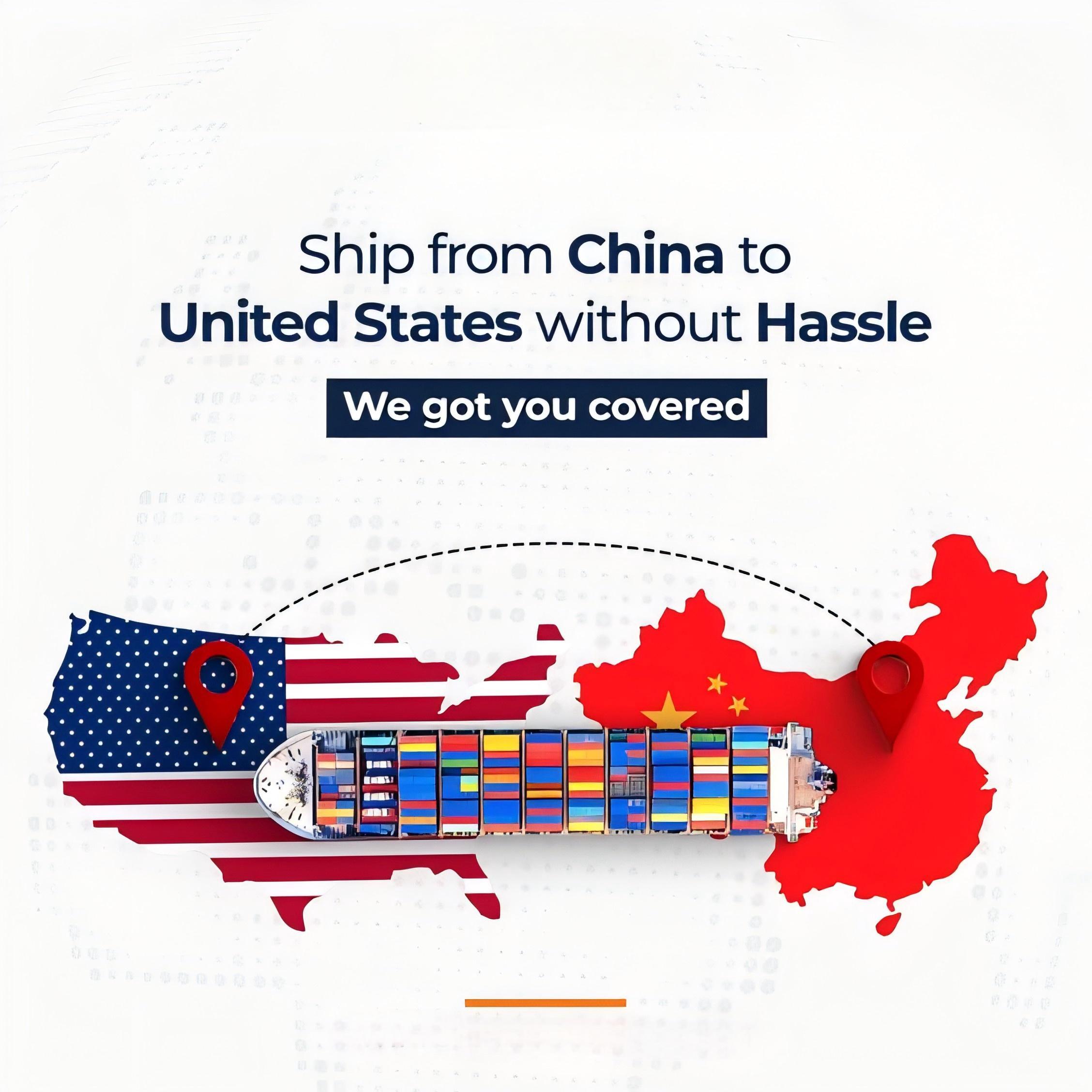
Shipping from China to Belgium: 2026 Freight and Logistics Guide
Navigating the complexities of shipping from China to Belgium requires a strategic approach to balance transit speed and logistics expenditures. As a premier partner in international trade, Top China Freight provides tailored solutions that streamline your supply chain across the Eurasian corridor. Consequently, businesses can focus on growth while we handle the intricate details of cargo movement and regulatory compliance.
What are the Primary Methods for Shipping from China to Belgium?
Understanding the available transport modes is the first step in optimizing your import strategy for the Belgian market. Currently, businesses utilize three main pillars of logistics: sea freight, air freight, and the increasingly popular rail freight services.
Furthermore, each method offers distinct advantages depending on the volume of your goods and the urgency of the delivery schedule. Selecting the right mode ensures that your landed costs remain competitive within the European Union trade zone.
Additionally, sea freight remains the most economical choice for large-scale shipments, particularly for Full Container Load (FCL) and Less than Container Load (LCL) cargo. Most sea shipments arrive at the Port of Antwerp-Bruges, which serves as a massive gateway for the entire continent.
Air Freight and Rail Options for Belgium Logistics
In contrast, air freight provides the fastest transit times, making it ideal for high-value electronics or seasonal fashion items. While the costs are higher than maritime routes, the reliability of flight schedules minimizes the risk of stockouts during peak demand periods.
Therefore, many importers are turning to rail freight as a middle-ground solution that balances speed and cost-effectiveness. The New Silk Road connects major Chinese hubs like Chengdu and Xi’an directly to European terminals, offering a sustainable alternative to traditional methods.
Specifically, rail transit to Belgium typically takes between 15 to 22 days, which is significantly faster than sea freight while remaining much cheaper than air transport. This mode has gained significant traction in 2026 due to its lower carbon footprint and consistent performance.
How Does Sea Freight Compare to Other Shipping Options?
Indeed, comparing these methods requires looking at more than just the base price per kilogram or cubic meter. You must also consider port handling fees, insurance premiums, and the potential for warehouse storage costs if delays occur.
Meanwhile, the following table provides a clear overview of how each shipping method performs across key metrics in the current 2026 market. Use this data to determine which logistics strategy aligns best with your specific business objectives and budget constraints.
| Shipping Method | Cost Range | Transit Time | Best For |
|---|---|---|---|
| Sea Freight (FCL) | $1,800 – $3,500 | 30 – 40 Days | Bulk Goods |
| Air Freight | $4.50 – $8.00/kg | 3 – 7 Days | High Value |
| Rail Freight | $120 – $180/CBM | 18 – 25 Days | Mid-size Cargo |
| Express Service | $7.00 – $12.00/kg | 2 – 4 Days | Small Samples |

Alternative Shipping Strategies and Hybrid Solutions
As a result of evolving global trade patterns, many companies now adopt hybrid shipping strategies to maximize efficiency. For instance, a sea-air combination might involve shipping goods by sea to a hub like Dubai before flying them into Brussels to save both time and money.
Moreover, direct routes often cost 10-15% more but can save nearly a week of transit time compared to transshipment through Southeast Asian ports. If your budget is the primary priority, choosing a transshipment route via Singapore remains the most frugal approach for non-urgent inventory.
Market data suggests that for shipments under 15 CBM, LCL sea freight at $60-90 per cubic meter is often more economical than paying for a full 20GP container. However, once your volume exceeds 15 CBM, the security and speed of FCL usually outweigh the minor price difference.
Shipping for E-commerce: Amazon FBA Solutions
Generally, e-commerce sellers require specialized logistics handling to meet the strict requirements of European fulfillment centers. Utilizing a dedicated Amazon FBA service ensures that your products are labeled, palletized, and delivered according to Amazon’s precise standards.
Often, these services include door-to-door delivery, which simplifies the process for sellers who may not have a physical presence in Belgium. By integrating customs clearance into the package, you avoid the common pitfalls of VAT and duty complications that can stall your sales momentum.
Ultimately, working with a logistics provider that understands the Belgian e-commerce landscape is crucial for maintaining high seller ratings. We ensure that your inventory moves seamlessly from Chinese factories to the final destination in Antwerp or Brussels.
Customs Clearance and Documentation in Belgium
While the shipping process itself is vital, the administrative aspect of customs brokerage often determines the overall success of the shipment. Belgium operates under EU customs regulations, which require accurate documentation including commercial invoices, packing lists, and certificates of origin.
Because the Belgian authorities are thorough, any discrepancy in your paperwork can lead to expensive storage fees at the port or airport. Therefore, it is highly recommended to engage a professional broker who can navigate the EORI registration and VAT deferment schemes available to importers.
Market intelligence indicates that 2026 has seen an increase in digital customs filings, which has slightly improved clearance times for compliant shipments. Ensuring your HS codes are correctly classified remains the single most important factor in avoiding unnecessary audits or fines.
| Document Name | Required For | Purpose | Source |
|---|---|---|---|
| Commercial Invoice | All Shipments | Value Declaration | Shipper |
| Packing List | All Shipments | Cargo Detail | Shipper |
| Bill of Lading | Sea Freight | Title of Goods | Carrier |
| EORI Number | EU Import | Tax ID | Importer |
Real-World Case Studies for Belgium Shipping
Case Study 1: Electronics Distribution +———————————————————+ | Route: Shenzhen, China to Antwerp, Belgium | Cargo: Consumer Electronics, 22 CBM, 4,500 kg | Container: 20GP Full Container | | Shipping Details: | – Carrier: COSCO Shipping | – Port of Loading: Shenzhen | – Port of Discharge: Antwerp | – Route Type: Direct | | Cost Breakdown: | – Ocean Freight: $2,100 | – Origin Charges: $450 | – Destination Charges: $550 | – Customs and Duties: $1,200 | – Total Landed Cost: $4,300 | | Timeline: | – Booking to Loading: 3 days | – Sea Transit: 34 days | – Customs Clearance: 2 days | – Total Door-to-Door: 42 days | | Key Insight: Direct routing avoided transshipment delays during the Q3 peak season. +———————————————————+
Case Study 2: Urgent Apparel Restock +———————————————————+ | Route: Shanghai, China to Brussels, Belgium | Cargo: Summer Apparel, 350 kg, 1.8 CBM | Method: Air Freight Standard | | Shipping Details: | – Carrier: Brussels Airlines | – Port of Loading: Shanghai Pudong (PVG) | – Port of Discharge: Brussels (BRU) | – Route Type: Direct | | Cost Breakdown: | – Air Freight: $1,850 | – Fuel Surcharge: $220 | – Handling Fees: $150 | – Customs Clearance: $100 | – Total Landed Cost: $2,320 | | Timeline: | – Booking to Loading: 1 day | – Air Transit: 2 days | – Customs Clearance: 1 day | – Total Door-to-Door: 5 days | | Key Insight: Utilizing standard air freight saved 30% compared to express courier services. +———————————————————+

Which Option Should You Choose for Your Shipment?
Deciding on the best logistics path involves evaluating your inventory turnover and profit margins against current freight rates. If your budget is the highest priority and you have a long lead time, sea freight is the logical recommendation for your business model.
However, if you are dealing with perishable goods or high-demand product launches, the speed of air freight justifies the additional expense. Rail freight serves as a strategic compromise for those who need faster delivery than the ocean but cannot afford the premium of air transport.
Note: Freight rates are subject to change based on fuel costs, carrier capacity, and seasonal demand. Contact us for a current quote tailored to your specific shipment.
Final Thoughts on Shipping from China to Belgium
Mastering the logistics of shipping from China to Belgium is essential for any business looking to succeed in the European market. By understanding the nuances of sea, air, and rail freight, you can make informed decisions that protect your bottom line and ensure customer satisfaction.
Furthermore, staying updated on the latest customs regulations and market trends in 2026 will give you a significant competitive advantage. Whether you are a small e-commerce seller or a large industrial importer, the right logistics strategy is the backbone of your international success.
Need a tailored shipping solution?
Streamline your international trade today by choosing a reliable partner for shipping from China to Belgium. Contact Top China Freight for a personalized quote and expert logistics advice to optimize your supply chain in 2026. Send Inquiry to our team for immediate assistance.