
Shipping Rates from China to Philippines: Your Ultimate Guide
Navigating international shipping can be complex, especially when importing from China to the Philippines. Understanding the true shipping rates from China to Philippines is crucial for any business or individual. This comprehensive guide from Top China Freight aims to demystify the process, helping you make informed decisions and optimize your logistics strategy.
✦
What Factors Influence Shipping Rates from China to Philippines?
Several critical factors directly impact the overall shipping rates from China to Philippines. Understanding these elements allows you to better estimate costs and plan your shipments effectively. Consequently, careful consideration of each factor can lead to significant savings.
Firstly, the type and volume of your cargo are paramount. Larger, heavier, or specialized goods naturally incur higher costs. Moreover, the chosen shipping method, Incoterms, and current market conditions also play substantial roles in determining the final freight rates. Fuel surcharges, port congestion, and seasonal demand further complicate pricing structures.
What are the Primary Shipping Methods from China to Philippines?
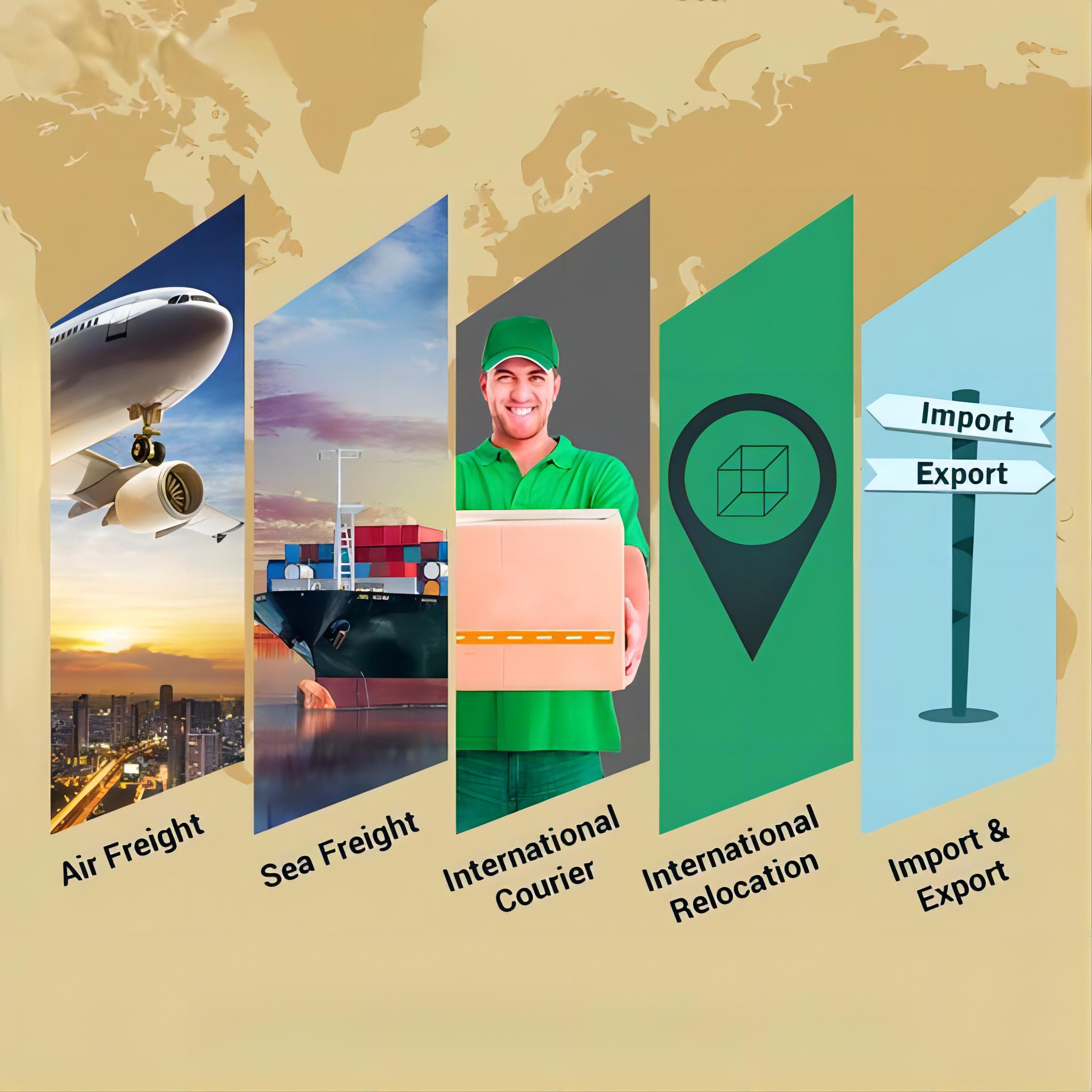
When planning to ship goods, you have several options, each with distinct advantages regarding cost, speed, and capacity. Therefore, selecting the right method is essential for efficient logistics. Typically, businesses choose between sea freight, air freight, and express services for their imports.
Each method caters to different needs, from large-scale commercial shipments to urgent, smaller parcels. Evaluating your priorities, such as budget constraints or time sensitivity, will guide your decision. Ultimately, the best choice depends on your specific cargo and business requirements.
| Shipping Method | Cost Range (per kg/CBM) | Transit Time (China to PH) | Best For | Limitations |
|---|---|---|---|---|
| Sea Freight (LCL) | $50-100/CBM | 12-25 days | Bulk, heavy, non-urgent cargo | Slow, minimum volume requirements |
| Sea Freight (FCL) | $1,000-2,500/container | 10-20 days | Large volume, full container loads | Fixed container size, longer transit |
| Air Freight | $3-8/kg | 3-7 days | Time-sensitive, high-value goods | High cost, weight/size restrictions |
| Express Service | $5-15/kg | 2-5 days | Small parcels, urgent documents, samples | Highest cost, strict size/weight limits |

Sea Freight: Cost-Effective for Bulk Shipments
Sea freight remains the most economical option for shipping large volumes and heavy goods. Businesses frequently use Full Container Load (FCL) for exclusive container use or Less than Container Load (LCL) for smaller shipments. While slower, sea freight offers unparalleled cost efficiency for bulk cargo.
Transit times vary, but you can expect generally longer delivery schedules compared to air options. Nevertheless, for non-urgent, high-volume imports, sea freight presents the best value. It is a cornerstone of global supply chain management.
Air Freight: Speed and Reliability for Time-Sensitive Goods
For urgent shipments or high-value, perishable goods, air freight is the preferred method. Although significantly more expensive than sea freight, it drastically reduces transit times. Consequently, businesses can meet tight deadlines and maintain fresh inventory.
Air cargo offers superior speed and reliability, minimizing risks associated with extended transit. This method is ideal for electronics, fashion items, and other time-sensitive products. It ensures quicker turnaround for your import/export operations.
Express Service: Door-to-Door Convenience for Small Packages
For smaller packages requiring rapid, hassle-free delivery, express service is an excellent choice. Providers like DHL, FedEx, and UPS offer integrated door-to-door shipping solutions. This often includes simplified customs procedures.
While premium priced, express shipping provides convenience and speed, making it suitable for samples, documents, or direct-to-consumer e-commerce. Moreover, it typically boasts comprehensive tracking and reliable delivery schedules. This option is perfect for small package shipping China to Philippines.
What is the Full Cost Breakdown for Shipping from China to Philippines?
Understanding the complete breakdown of shipping costs is vital for accurate budgeting. The freight rate itself is just one component of the total landed cost. Therefore, you must account for various charges from origin to destination.
Key elements include the ocean or air freight charges, origin charges (e.g., terminal handling, documentation), and destination charges (e.g., port fees, drayage). Additionally, customs duties and taxes significantly impact the final price. These factors contribute to the overall shipping rates from China to Philippines.
How Long Does Shipping from China to Philippines Take?
Transit time is a critical consideration for any importer. The duration of your shipment from China to the Philippines depends heavily on the chosen shipping method and specific routes. For instance, sea freight is considerably slower than air freight.
Typically, sea freight can take anywhere from 10 to 25 days, depending on the port of origin in China and the final destination in the Philippines. Conversely, air freight usually delivers within 3 to 7 days. Express services can be even faster, often reaching destinations in 2 to 5 days. Port congestion or customs clearance delays can also affect the final delivery schedule.
What are the Customs Requirements for Imports to the Philippines?
Navigating customs procedures is an indispensable part of importing goods. Proper documentation and adherence to regulations are crucial to avoid delays and additional costs. Consequently, understanding Philippine customs clearance is paramount for smooth operations.
Required documents typically include the commercial invoice, packing list, bill of lading or air waybill, and a certificate of origin. Furthermore, some goods may require specific permits or licenses from relevant Philippine government agencies. Engaging a reliable partner for customs brokerage can streamline this complex process, ensuring compliance with import duties Philippines from China.
How Does Sea Freight Compare to Other Shipping Options?
While sea freight is often the go-to for its cost-effectiveness, it is important to objectively analyze its alternatives for shipping rates from China to Philippines. Different scenarios demand different solutions, balancing cost, speed, and cargo characteristics. This comparison helps in making an informed decision for your supply chain.
For example, a 40HQ container via sea freight might cost $1,500-$2,500, with a transit time of 10-20 days. Comparatively, air freight for a similar volume (if feasible) could easily run $10,000-$20,000 but arrive in 3-7 days. Understanding these trade-offs is key to optimizing your logistics.
| Shipping Method | Cost Range (China to PH) | Transit Time | Best For | Limitations |
|---|---|---|---|---|
| Sea Freight (FCL) | $1,500-2,500 (40HQ) | 10-20 days | Large, heavy, non-urgent goods | Slowest, port-to-port often |
| Sea Freight (LCL) | $50-100/CBM | 12-25 days | Smaller bulk, cost-sensitive | Longer transit, potential delays |
| Air Freight | $3-8/kg | 3-7 days | Time-critical, high-value, perishables | High cost, limited by weight/size |
| Express Service | $5-15/kg | 2-5 days | Small, urgent, samples, e-commerce | Most expensive, strict size limits |
Alternative Approaches and Hybrid Solutions
For shipments under 15 CBM, LCL sea freight at $50-100/CBM is often more economical than a full container. However, if speed is crucial for a small, high-value shipment, air freight or express service becomes more suitable. Consider combining methods, such as sea-air, where goods are shipped by sea to a hub and then air freighted to the final destination, balancing cost and speed.
Moreover, direct routes might cost 10-15% more but save 3-5 days compared to transshipment via a third port. Evaluating these alternative approaches can lead to significant efficiencies. Cost-saving strategies often involve consolidating shipments or optimizing packaging to reduce volumetric weight.
How Can You Optimize Your Shipping Rates and Efficiency?
Optimizing your shipping strategy is crucial for controlling costs and enhancing efficiency. Many businesses seek the cheapest way to ship from China to Philippines without compromising reliability. Therefore, a strategic approach can yield substantial benefits.
Consider consolidating multiple smaller orders into a single, larger shipment to benefit from FCL rates. Additionally, choosing the correct Incoterms can shift responsibilities and costs effectively. Partnering with a reliable freight forwarder China to Philippines also offers expert guidance and better rates. They can offer door-to-door shipping for added convenience.
Real-World Examples: Shipping from China to Philippines
To illustrate practical scenarios, here are a few case studies based on recent shipments. These examples provide insight into actual shipping rates from China to Philippines and associated logistics. They highlight diverse cargo types and shipping methods, reflecting typical rates as of early 2025.
Note: Freight rates are subject to change based on fuel costs, carrier capacity, and seasonal demand. Contact us for a current quote tailored to your specific shipment.
Case Study 1: Small Business E-commerce Goods
This case study involves a Philippine e-commerce seller importing various small goods. They prioritized a balance between cost and reasonable transit time for their apparel and accessories. The shipment utilized LCL sea freight for cost-effectiveness, aiming for a smooth delivery schedule.
| Detail | Description |
|---|---|
| Route | Guangzhou, China Manila, Philippines |
| Cargo | Apparel & Accessories, 5 CBM, 800 kg |
| Container | LCL 5 CBM |
| Shipping Details | Major carrier via Nansha Port |
| Port of Loading | Nansha, Guangzhou |
| Port of Discharge | Manila, Philippines |
| Route Type | Direct |
| Cost Breakdown | |
| – Ocean Freight | $350 (LCL) |
| – Origin Charges | $120 |
| – Destination Charges | $180 |
| – Customs & Duties (est) | $250 |
| – Total Landed Cost | $900 |
| Timeline | |
| – Booking to Loading | 5 days |
| – Sea Transit | 12 days |
| – Customs Clearance | 3 days |
| – Total Door-to-Port | 20 days |
| Key Insight | LCL was ideal for managing inventory costs and avoiding full container expenses for bulk shipping China to Philippines. |
Case Study 2: Urgent Electronics Shipment
A tech retailer needed to replenish their stock of consumer electronics quickly due to unexpected demand. Speed was the paramount concern, justifying the higher cost of air freight. This ensured a rapid delivery schedule and minimal sales disruption, reflecting typical market rates for Q3 2024.
| Detail | Description |
|---|---|
| Route | Shenzhen, China Manila, Philippines |
| Cargo | Consumer Electronics, 200 kg, 1.5 CBM |
| Container | Air Cargo |
| Shipping Details | Commercial airline cargo service |
| Port of Loading | Shenzhen Bao’an International Airport |
| Port of Discharge | Ninoy Aquino International Airport (MNL) |
| Route Type | Direct |
| Cost Breakdown | |
| – Air Freight | $1,000 ($5/kg) |
| – Origin Charges | $80 |
| – Destination Charges | $150 |
| – Customs & Duties (est) | $300 |
| – Total Landed Cost | $1,530 |
| Timeline | |
| – Booking to Loading | 2 days |
| – Air Transit | 3 days |
| – Customs Clearance | 1 day |
| – Total Door-to-Airport | 6 days |
| Key Insight | Higher cost was acceptable for meeting urgent market demand and maintaining competitive sales. |
Case Study 3: Large Volume Industrial Goods
An industrial supplier required a large volume of machinery parts for a manufacturing project. Cost-effectiveness for heavy and bulky items was critical, making FCL sea freight the only viable option. This case highlights the cost of shipping container China to Philippines for industrial needs, based on Q4 2024 rates.
| Detail | Description |
|---|---|
| Route | Shanghai, China Batangas, Philippines |
| Cargo | Machinery Parts, 25,000 kg, 28 CBM |
| Container | 1 x 40GP |
| Shipping Details | COSCO Shipping Lines |
| Port of Loading | Shanghai Port |
| Port of Discharge | Batangas Port |
| Route Type | Direct |
| Cost Breakdown | |
| – Ocean Freight | $2,000 (40GP) |
| – Origin Charges | $250 |
| – Destination Charges | $350 |
| – Customs & Duties (est) | $800 |
| – Total Landed Cost | $3,400 |
| Timeline | |
| – Booking to Loading | 7 days |
| – Sea Transit | 15 days |
| – Customs Clearance | 4 days |
| – Total Door-to-Port | 26 days |
| Key Insight | FCL provided the most economical solution for large-scale, heavy industrial components. |
Which Shipping Option is Best for Your Business?
Choosing the optimal shipping method involves weighing various factors against your specific business needs. There is no single ‘best’ option; instead, the ideal choice depends on your priorities. Consequently, a clear decision framework can help streamline this process.
If budget is your primary concern, sea freight, particularly LCL for smaller volumes or FCL for larger ones, offers the lowest shipping rates from China to Philippines. Conversely, if speed is paramount, air freight or express service is preferable. Cargo type also dictates the method; perishables require speed, while durable goods can endure longer transit. Finally, consider volume thresholds: LCL for under 15 CBM, FCL for full containers.
What are the Current Market Trends Affecting Shipping Rates?
Global logistics trends significantly impact shipping costs and transit times. As of Q1 2025, freight rates have largely stabilized after recent global disruptions, though regional fluctuations persist. Therefore, staying informed about market dynamics is crucial for importers.
Seasonal patterns also play a major role; rates typically increase by 15-25% during peak seasons like August-October and before major holidays. Furthermore, fuel surcharges remain a variable component, responding to global oil prices. These factors collectively influence the overall freight rates and logistics solutions China Philippines.
Navigating Your Shipping Needs from China to Philippines
In conclusion, successfully navigating shipping rates from China to Philippines requires a clear understanding of various factors. This includes shipping methods, cost components, transit times, and customs regulations. By carefully evaluating your cargo’s needs and your business priorities, you can choose the most efficient and cost-effective logistics strategy.
Whether you prioritize speed, budget, or reliability, a tailored approach is always best. Partnering with an experienced freight forwarder like Top China Freight ensures a smooth and compliant shipping process. Ultimately, informed decisions lead to optimized supply chain performance.