

Shipping Requirements for Food Products from China to UK: The Ultimate Guide
Importing consumables requires meticulous planning to ensure safety and compliance with international standards. Navigating the complex shipping requirements for food products from China to UK can be challenging for businesses aiming to expand their market reach. Top China Freight provides the expertise needed to manage these logistics efficiently and securely. This comprehensive guide explores everything from documentation to temperature control to ensure your cargo arrives in perfect condition.
What Are the Core Shipping Requirements for Food Products from China to UK?
Success in the food import industry depends heavily on adhering to the specific regulations set by the UK government. Since leaving the European Union, the United Kingdom has implemented its own set of rules for products of animal origin and high-risk food not of animal origin. Importers must first identify the category of their food product to determine which health certificates are necessary.
Furthermore, businesses must register with the appropriate UK authorities before commencing trade. This includes setting up an account on the IPAFFS (Import of Products, Animals, Food and Feed System) to notify officials of incoming shipments. Failure to comply with these preliminary steps often leads to significant delays at the port of entry.
Understanding the nuances of shipping from China to Europe is vital for maintaining a stable supply chain. Consequently, many companies choose to partner with experienced logistics providers who understand the evolving landscape of UK border controls.
Essential Documentation for UK Food Imports
Documentation serves as the backbone of any international shipping operation involving food. You must ensure that every piece of paperwork is accurate and matches the physical cargo precisely. Any discrepancy in weight, description, or origin can trigger a full customs inspection, increasing your total landed cost.
Specifically, most food items require a Commercial Invoice, a Packing List, and a Bill of Lading. However, food products often require additional specialized certificates such as Phytosanitary Certificates for plants or Health Certificates for processed goods. These documents prove that the food meets the safety standards required for human consumption.
To illustrate the requirements, refer to the following checklist for standard food imports.
| Document Name | Required For | Issuing Authority | Key Function |
|---|---|---|---|
| Health Certificate | Animal Products | China Customs (GACC) | Confirms safety |
| Phytosanitary Cert | Plants/Fruits | China NPPO | Pest-free proof |
| Certificate of Origin | All Food Items | CCPIT China | Determines duties |
| IPAFFS Notification | Regulated Foods | UK Importer | Pre-arrival alert |
How Does Sea Freight Compare to Other Shipping Options for Food?
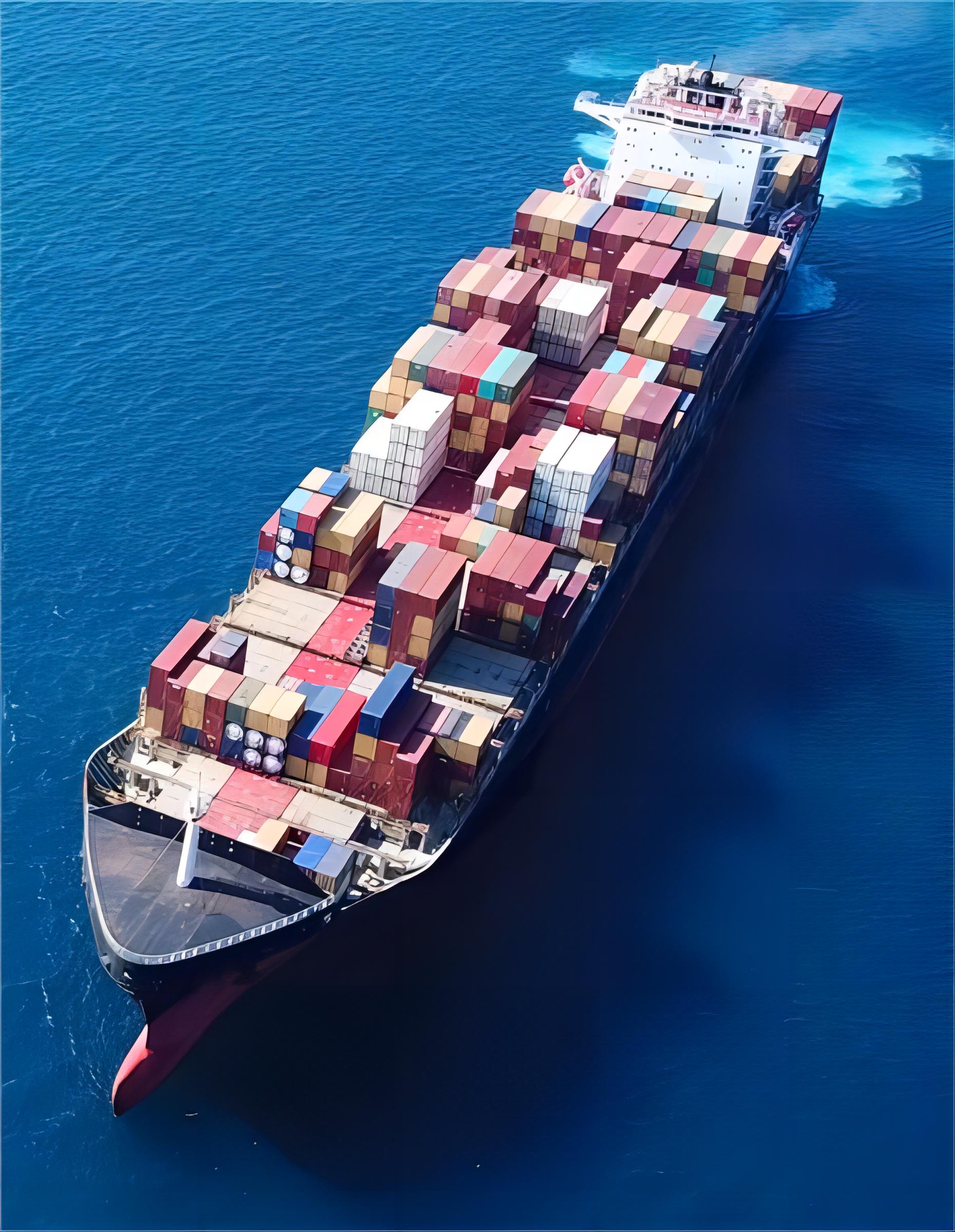
Choosing the right transport mode is a critical decision that impacts both your budget and the shelf life of your products. While sea freight remains the most popular choice for bulk food shipments, it is not always the best fit for perishable items. Large volumes of shelf-stable goods, such as canned food or dried grains, benefit significantly from the low cost of ocean transport.
Moreover, sea transport offers specialized equipment like reefer containers for temperature-sensitive goods. These units maintain a consistent internal climate, which is essential for frozen or chilled products. Nevertheless, the long transit time of 30 to 40 days means that sea freight is unsuitable for highly perishable goods with short expiration dates.
In contrast, other methods provide speed at a higher price point. The following table compares the primary methods for shipping food from China to the UK.
| Method | Avg. Cost Range | Transit Time | Best For |
|---|---|---|---|
| Sea Freight (FCL) | $3,000 – $4,500 | 30-40 Days | Bulk/Shelf-stable |
| Air Freight | $5.00 – $9.00/kg | 5-8 Days | High-value/Perishables |
| Rail Freight | $2,500 – $3,800 | 18-25 Days | Mid-range volume |
| Express | $8.00 – $12.00/kg | 3-5 Days | Samples/Urgent |
Temperature Control and Cold Chain Logistics
Maintaining the cold chain is perhaps the most difficult aspect of meeting shipping requirements for food products from China to UK. Any break in temperature can lead to bacterial growth and the total loss of the shipment. Therefore, you must use high-quality refrigerated containers that are monitored throughout the journey.
Additionally, pre-cooling the cargo before it enters the container is a vital step that many shippers overlook. Placing warm food into a reefer container puts excessive strain on the cooling unit and can lead to uneven temperature distribution. To avoid this, ensure your supplier in China follows strict pre-loading protocols.
Modern logistics trends now include real-time tracking sensors that provide updates on temperature and humidity levels. If a deviation occurs, the carrier can take immediate action to rectify the situation. This level of oversight is crucial for high-value food items like seafood or specialized dairy products.
Labeling and Packaging Standards for UK Compliance
Proper labeling is not just a marketing requirement; it is a legal necessity for entering the UK market. All food labels must be in English and include the name of the food, a list of ingredients, and clear allergen information. Specifically, the 14 major allergens must be highlighted, usually in bold or a different color, to protect consumers.
Furthermore, the label must state the ‘use by’ or ‘best before’ date and provide instructions for storage or use. If you are importing pre-packaged food, you must also include the name and address of the UK-based food business operator responsible for the product. Packaging materials themselves must be food-grade and capable of withstanding the rigors of international transport.
Using durable outer packaging prevents physical damage and contamination during handling. For air shipments, consider using air freight for sensitive items that require minimal handling and faster delivery to maintain packaging integrity.
Navigating Customs Clearance and Duties
Customs clearance is the final hurdle in the shipping process and requires professional management. UK customs officials are particularly strict regarding food safety, often conducting random physical inspections and laboratory testing. Utilizing a professional customs brokerage service can help you navigate these complexities and avoid costly fines.
Consequently, you should calculate your estimated duties and taxes well in advance. The UK Global Tariff applies to most food imports, with rates varying significantly depending on the product’s HS Code. Some products may also be subject to anti-dumping duties or specific agricultural levies.
Indeed, having a clear understanding of your financial obligations ensures that your business remains profitable. Always keep a digital record of all customs declarations and payment receipts for at least several years to comply with UK tax regulations.
Real-World Case Studies: Shipping Food to the UK
Examining real-world scenarios helps clarify the actual costs and timelines involved in these operations. These cases reflect typical market conditions as of early 2025 and highlight common logistical strategies used by successful importers.
Case Study 1: Organic Green Tea. Route: Ningbo to London. Cargo: 8 CBM dried tea, 1,200 kg. Method: Sea Freight LCL. Cost: $1,250 (Freight + Origin/Destination charges). Transit: 38 days. Key Insight: Accurate organic certification was required to pass UK Port Health inspections without delay.
Case Study 2: Frozen Dumplings. Route: Shanghai to Felixstowe. Cargo: Full 40HQ Reefer Container. Method: Sea Freight FCL. Cost: $5,800 (Total Landed). Transit: 34 days. Key Insight: Constant temperature monitoring at -18 degrees Celsius was maintained via satellite tracking.
Case Study 3: Specialty Snacks. Route: Shenzhen to Birmingham. Cargo: 450 kg packaged snacks. Method: Door to Door Air Freight. Cost: $3,200. Transit: 6 days. Key Insight: Fast transit allowed for a longer shelf life in retail stores, offsetting the higher transport cost.
Which Shipping Option Should You Choose?
Deciding on a shipping strategy requires balancing speed, cost, and the nature of your food products. If your primary concern is budget and you are moving large volumes of non-perishables, sea freight is the logical choice. However, if you are dealing with high-demand items or products with short shelf lives, air freight is more appropriate.
Meanwhile, rail freight offers a unique middle ground for those shipping to inland UK destinations. It provides faster transit than sea but at a lower cost than air. For small businesses or those testing new products, express services are excellent for sending samples for quality testing before committing to a full order.
Ultimately, the best approach often involves a hybrid strategy. You might use air freight for initial product launches and sea freight for regular inventory replenishment. Always consult with a logistics expert to tailor a solution to your specific volume and frequency requirements.
Final Thoughts on Food Logistics
Mastering the shipping requirements for food products from China to UK is a continuous process of learning and adaptation. As regulations evolve and market conditions shift, staying informed is the best way to ensure your cargo remains compliant and safe. By focusing on accurate documentation, temperature control, and strategic shipping methods, you can build a resilient supply chain.
Reliable logistics partners play a vital role in this journey, providing the tools and knowledge necessary to overcome international trade barriers. Whether you are a small boutique importer or a large-scale distributor, following these guidelines will help you achieve long-term success in the UK food market.
Ready to streamline your logistics?
Managing the shipping requirements for food products from China to UK requires a partner you can trust. Contact Top China Freight today to receive a customized quote and expert guidance on your next food shipment. Let us handle the complexity while you focus on growing your business. Visit our website to learn more: https://Top China Freight.com/
Request Quote