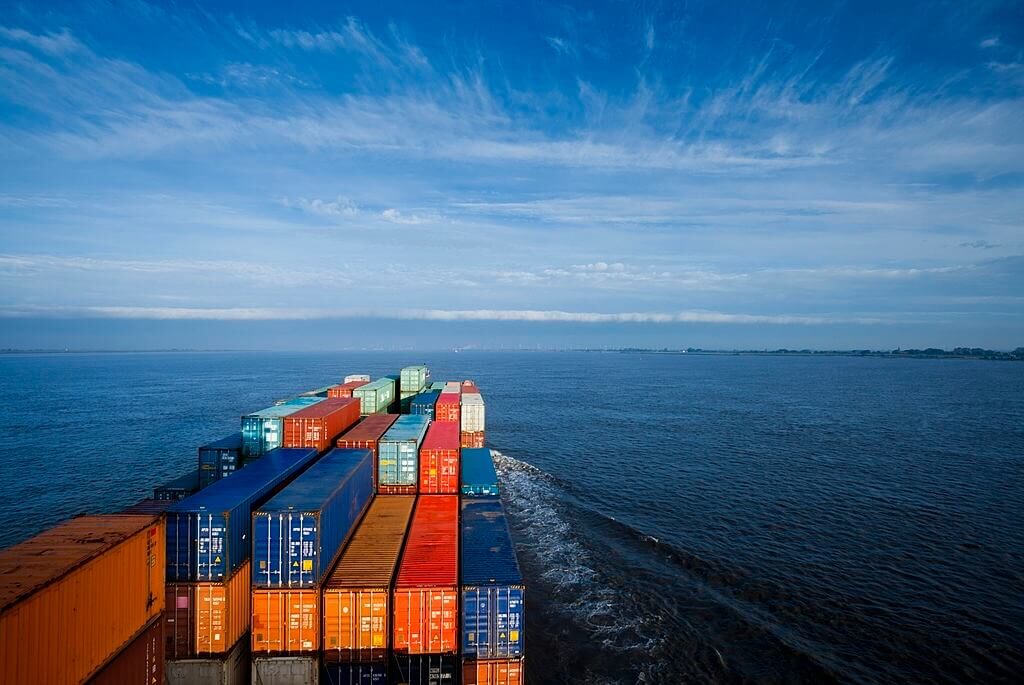
Shipping goods from China to South Africa is a vital process for businesses aiming to access African markets. Shipping to South Africa from China involves managing costs, transit times, customs compliance, and logistics efficiency. Importers often face challenges such as fluctuating shipping rates, port congestion, and regulatory requirements.
What factors affect shipping to South Africa from China?
Multiple variables influence the cost and speed of shipping:
1.Container size:
20ft, 40ft, 40ft HC
2.Transport mode:
sea, air, or rail freight
3.Port of origin and destination:
Shanghai, Shenzhen, Durban, Cape Town
4.Seasonal demand and fuel surcharges
5.Customs clearance and import duties
6.Incoterms:
FOB, CIF, EXW
Understanding these factors allows importers to plan and reduce unexpected costs.
Sea Freight Rates from China to South Africa
Sea freight remains the most cost-effective solution for bulk shipments.
Merge small shipments into LCL to reduce cost per CBM
Reduces per-unit shipping costs
Use air for urgent items, sea for bulk cargo
Compare Durban and Cape Town for fees and congestion
Leverage volume contracts to get better rates.
Case Study: Clothing Importer Reduces Costs
A South African clothing retailer imported seasonal fashion from Guangzhou. By switching 70% of shipments to 40ft FCL sea freight and using air only for urgent items, they reduced shipping costs by 27% and improved inventory planning.
Container and Cargo Options
Container Type
Use Case
Advantages
20ft FCL
Small bulk shipments
Low cost, manageable
40ft FCL
Large shipments
Cost per unit reduction
40ft HC
Tall/voluminous goods
Extra height for bulky cargo
LCL
Small businesses
Flexible, share container costs
Proper packing and weight distribution minimize surcharges and potential cargo damage.
Transit Times to Major South African Ports
Route
Shipping Mode
Transit Time
Shanghai – Durban
Sea
28–32 days
Shenzhen – Cape Town
Sea
30–35 days
Guangzhou – Johannesburg
Rail + Sea
25–30 days
Shanghai – Johannesburg
Air
3–6 days
Planning shipments according to transit times ensures timely inventory replenishment.
Warehouse and Last-Mile Delivery Considerations
Step
Recommendation
Pre-shipment
Verify inventory and packaging
Destination warehouse
Check capacity and handling efficiency
Last-mile delivery
Use local logistics partners for fast distribution
Proper warehouse and distribution planning affect overall shipping to South Africa from China costs and reliability.
Technology and Supply Chain Optimization
1.Tracking systems:
Real-time shipment visibility prevents loss.
2.Inventory management software:
Aligns supply with shipping schedules.
3.Automated customs filing:
Reduces clearance errors and delays.
Conclusion
Managingshipping to South Africa from China requires balancing cost, transit time, and risk. Sea freight is ideal for bulk shipments, air freight ensures speed for urgent items, and rail can complement multimodal logistics. Choosing the right port, container type, and Incoterm, and working with professional freight forwarders optimizes cost-efficiency and delivery reliability. By combining strategic planning with modern technology, importers can maintain a competitive edge in South African markets.
Need a Shipping Quote?
If you want expert guidance and peace of mind, our team is ready to assist.
TJ China Freight offers tailored solutions to help businesses of all sizes ship more reliably from China.
Q1:How can I reduce shipping costs to South Africa from China?
Use FCL for bulk, consolidate small shipments, and negotiate with freight forwarders to lower overall shipping to South Africa from China costs.
Q2:Which Chinese ports are best for cost-efficient shipping?
Ningbo, Shenzhen, and Guangzhou often provide lower port fees than Shanghai, reducing shipping to South Africa from China expenses.
Q3:Is air freight suitable for all shipments?
Air freight is best for urgent or high-value items, while bulk shipments benefit from cost-effective sea freight for shipping to South Africa from China.
Q4:What documents are required for customs clearance?
Commercial invoice, packing list, B/L, certificate of origin, and import/export declarations ensure smooth shipping to South Africa from China.
Q5:Can LCL shipments save money for small businesses?
Yes, sharing container space via LCL reduces per-CBM costs, making shipping to South Africa from China affordable for smaller imports.