
Shoes Sea Freight China to UK: Your Ultimate Guide
Shipping shoes via sea freight from China to the UK presents a cost-effective solution for businesses, however, it requires careful planning. Understanding the nuances of international logistics is crucial for a smooth import process. This comprehensive guide will illuminate the complexities, offering insights into optimizing your supply chain and ensuring timely delivery of your footwear. Discover reliable strategies and expert advice for successful China to UK sea freight operations.
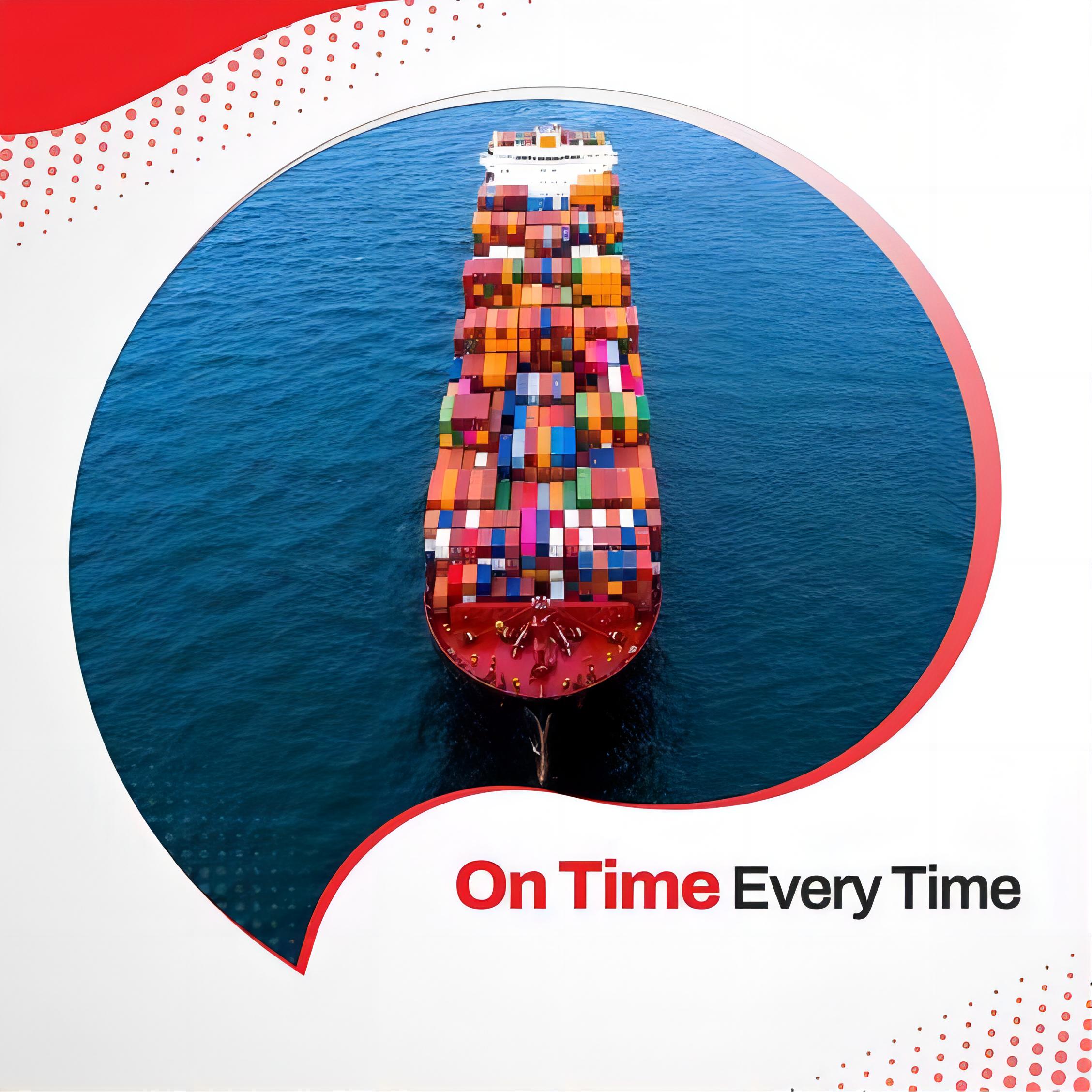
Why Choose Sea Freight for Shoes from China to UK?
Opting for sea freight offers significant advantages, especially when importing large volumes of shoes from China to the UK. This method is renowned for its affordability, making it ideal for businesses focused on managing shipping costs. Furthermore, it accommodates various cargo sizes, from consolidated LCL shipments to full container loads.
Consequently, choosing sea freight can substantially reduce your per-unit shipping expenses. This cost-efficiency directly impacts your profit margins, providing a competitive edge in the market. Moreover, sea freight is generally more environmentally friendly compared to air cargo, aligning with sustainable business practices.
Understanding Sea Freight Shipping Costs
The total shipping shoes from China to UK cost involves several components beyond just the ocean freight. Factors such as origin charges, destination charges, and local delivery play a significant role. Additionally, understanding freight rates fluctuations is essential for budgeting.
Indeed, these rates can vary based on fuel surcharges, peak seasons, and carrier capacity. Therefore, securing a detailed quote that outlines all potential expenses is highly recommended. This ensures transparency and helps avoid unexpected charges during the import process. Consider customs brokerage services to navigate these complexities.
| Cost Component | Description | Typical Range (USD) |
|---|---|---|
| Ocean Freight | Base cost for container/LCL space | $2,000 – $4,500 |
| Origin Charges | Terminal handling, documentation, loading | $300 – $600 |
| Destination Charges | Terminal handling, unloading, port fees | $400 – $700 |
| Customs Clearance | Brokerage fees, import duties, VAT | Varies (often 10-20% of value) |
| Inland Transportation | Port to warehouse delivery in UK | $200 – $800 |
Typical Transit Times for Shoes Sea Freight China to UK
When considering how long does sea freight take from China to UK, expect a transit time ranging from 30 to 38 days for direct routes. However, this duration can extend depending on the specific ports of origin and destination, as well as any transshipment points. Port congestion and adverse weather conditions can also impact delivery schedules.
Consequently, planning ahead with a realistic delivery schedule is paramount for managing inventory effectively. Supply chain resilience greatly benefits from accurate transit time estimations. For instance, peak seasons often lead to longer delays, necessitating earlier booking. You might also explore door to door services for simplified logistics.
| Origin Port (China) | Destination Port (UK) | Estimated Sea Transit Time (Days) |
|---|---|---|
| Shanghai | Felixstowe | 32-38 |
| Ningbo | Southampton | 30-36 |
| Shenzhen | London Gateway | 30-35 |
| Qingdao | Liverpool | 34-39 |
Navigating Customs and Import Duties for Footwear
Customs clearance for shoes from China to UK is a critical stage that demands meticulous attention to detail. Importers must ensure all documentation is accurate and complete to avoid delays or penalties. This includes commercial invoices, packing lists, and bills of lading.
Furthermore, understanding UK import duties and VAT for footwear is essential for accurate cost calculation. Tariffs vary based on the type of shoe and its material composition. Therefore, consulting with a customs expert or using a reliable customs brokerage service is advisable to ensure compliance and manage duties on shoe imports effectively.
| Document | Purpose | Key Details |
|---|---|---|
| Commercial Invoice | Proof of sale, customs valuation | HS codes, value, Incoterms |
| Packing List | Details of cargo contents | Number of cartons, weight, dimensions |
| Bill of Lading (B/L) | Contract of carriage, title to goods | Shipper, consignee, vessel, port details |
| Certificate of Origin | Proof of manufacturing country | Required for preferential tariffs |
| Declaration of Conformity | Ensures product meets UK/EU standards | Applicable safety or environmental standards |
FCL vs. LCL: Choosing the Right Container Option
When importing footwear, selecting between Full Container Load (FCL) and Less than Container Load (LCL) shipping is a crucial decision. This choice largely depends on the volume of your shipment and your budget. Each option offers distinct advantages and disadvantages.
LCL shipping shoes China to UK is generally more suitable for smaller volumes, typically under 15 CBM. Here, your goods share container space with other shippers, reducing costs but potentially increasing transit time due to consolidation. On the other hand, FCL shipping shoes China to UK is ideal for larger shipments, offering dedicated container space and often faster transit times, though at a higher base cost.
| Feature | LCL (Less than Container Load) | FCL (Full Container Load) |
|---|---|---|
| Volume | < 15 CBM | >= 15 CBM (e.g., 20GP, 40GP, 40HQ) |
| Cost Structure | Per CBM/Weight, higher per unit | Flat rate per container, lower per unit |
| Transit Time | Potentially longer due to consolidation/deconsolidation | Generally faster and more predictable |
| Handling | More handling points, higher damage risk | Less handling, lower damage risk |
| Best For | Small businesses, samples, frequent small orders | Large importers, consistent high volume, bulk goods |
How Does Sea Freight Compare to Other Shipping Options?
Understanding the landscape of international shipping methods is vital for making informed logistics decisions. While sea freight excels in cost-effectiveness for bulk shoe shipments, other options like air freight and express services offer different benefits. Each method caters to specific business needs and priorities.
As a result, a comprehensive comparison helps businesses identify the best shipping companies for shoes China to UK. Factors such as urgency, cargo value, and budget constraints will heavily influence the optimal choice. Considering hybrid solutions can also offer a balanced approach to logistics trends.
| Shipping Method | Cost Range (China-UK) | Transit Time | Best For | Limitations |
|---|---|---|---|---|
| Sea Freight (FCL 40HQ) | $3,500 – $4,500 | 30-38 days | Large volumes, cost-sensitive, non-urgent | Slowest, port congestion risks |
| Sea Freight (LCL 1 CBM) | $80 – $150 | 35-45 days | Small volumes, samples, budget-friendly | Longer transit, more handling, higher per CBM rate |
| Air Freight (1000kg) | $4,000 – $7,000 | 5-10 days | Urgent, high-value, smaller volumes | Expensive, limited by weight/volume |
| Express Service (DHL/UPS) | $8,000 – $12,000 | 3-5 days | Very urgent, small parcels, door-to-door | Most expensive, less suitable for bulk |

Which Option Should You Choose?
Determining the ideal shipping method for your shoe imports requires evaluating several key criteria. Your budget priority, speed requirements, and specific cargo type considerations will guide this decision. Each scenario has a recommended approach for optimal efficiency.
If budget is your top priority and time is not critical, sea freight is undoubtedly the most economical choice. Conversely, for urgent deliveries or high-value, time-sensitive fashion collections, air freight or express service becomes more appropriate. Consider rail freight for a balance of speed and cost to Europe, though direct UK rail links require intermodal solutions.
Budget Priority
For businesses prioritizing the cheapest way to ship shoes from China to UK, sea freight is the clear winner. Utilizing LCL for smaller volumes or FCL for larger quantities provides significant cost savings. However, be prepared for longer transit times.
Speed Priority
When speed is paramount, particularly for new product launches or seasonal collections, air freight is the preferred option. Despite higher costs, the rapid transit time ensures products reach the market quickly. Express services offer even faster delivery for critical, smaller shipments.
Cargo Type and Volume Thresholds
For durable, non-perishable shoes in large quantities, sea freight is highly efficient. If you are shipping less than 15 CBM, LCL is usually more economical than an empty FCL. For volumes exceeding 15 CBM, FCL often becomes more cost-effective. Delicate or high-value footwear might benefit from the reduced handling of air freight or FCL sea freight.

Case Studies: Real-World Shoes Sea Freight China to UK
These case studies illustrate practical applications of shoes sea freight from China to UK, highlighting various scenarios and their logistical solutions. They provide realistic examples of costs, timelines, and key considerations for footwear importers. Based on Q3 2024 market rates, these examples reflect typical operations.
Case Study 1: Bulk Sneaker Import for Retail Chain
This case involved a UK retail chain importing a substantial volume of sneakers to replenish stock for the upcoming season. The primary goal was cost-efficiency over speed, making sea freight the obvious choice for this large-scale operation.
| Detail | Value |
|---|---|
| Route | Shanghai, China -> Felixstowe, UK |
| Cargo | 15,000 pairs of sneakers, 60 CBM, 9,000 kg |
| Container | 1 x 40HQ |
| Shipping Details – Carrier/Service | COSCO (Major carrier) |
| Shipping Details – Port of Loading | Shanghai, China |
| Shipping Details – Port of Discharge | Felixstowe, UK |
| Shipping Details – Route Type | Direct |
| Cost Breakdown – Ocean Freight | $4,100 |
| Cost Breakdown – Origin Charges | $550 |
| Cost Breakdown – Destination Charges | $650 |
| Cost Breakdown – Customs & Duties (estimated) | $5,000 (12% duty + 20% VAT on value) |
| Cost Breakdown – Total Landed Cost (excl. product) | $10,300 |
| Timeline – Booking to Loading | 7 days |
| Timeline – Sea Transit | 35 days |
| Timeline – Customs Clearance | 3 days |
| Timeline – Total Door-to-Door | 45 days |
| Key Insight | Early booking avoided peak season surcharges, maintaining budget. Documentation accuracy ensured smooth customs clearance. |
Case Study 2: Niche Footwear Brand LCL Shipment
A small UK-based niche footwear brand needed to import a limited run of custom-designed boots. Their volume was too small for an FCL, making LCL shipping the most practical and cost-effective solution. Managing communication was key for this LCL shipment.
| Detail | Value |
|---|---|
| Route | Ningbo, China -> Southampton, UK |
| Cargo | 500 pairs of leather boots, 8 CBM, 1,200 kg |
| Container | LCL (8 CBM) |
| Shipping Details – Carrier/Service | MSC (Major carrier) |
| Shipping Details – Port of Loading | Ningbo, China |
| Shipping Details – Port of Discharge | Southampton, UK |
| Shipping Details – Route Type | Transshipment via Singapore |
| Cost Breakdown – Ocean Freight | $850 (per CBM rate) |
| Cost Breakdown – Origin Charges | $300 |
| Cost Breakdown – Destination Charges | $450 |
| Cost Breakdown – Customs & Duties (estimated) | $1,800 (17% duty + 20% VAT on value) |
| Cost Breakdown – Total Landed Cost (excl. product) | $3,400 |
| Timeline – Booking to Loading | 10 days |
| Timeline – Sea Transit | 40 days |
| Timeline – Customs Clearance | 4 days |
| Timeline – Total Door-to-Door | 58 days |
| Key Insight | Transshipment added a few days but provided a more economical rate for LCL. Effective communication with freight forwarder mitigated potential delays. |
Market Context and Optimizing Your Footwear Supply Chain
The global logistics landscape, particularly for China to UK routes, is dynamic. As of Q1 2025, freight rates have largely stabilized following earlier Red Sea disruptions, though regional conflicts can still cause volatility. Industry average for this route indicates a return to pre-pandemic levels, but seasonal patterns persist.
Market data suggests rates typically increase by 15-25% during the August-October peak season, driven by holiday demand. Therefore, planning shipments strategically outside these windows can significantly reduce your shipping costs for shoes. Moreover, diversifying your carrier options and leveraging freight forwarder expertise enhances supply chain resilience. This proactive approach helps manage logistics trends effectively.
Mastering Your Shoes Sea Freight China to UK Shipments
Successfully navigating shoes sea freight from China to UK involves understanding costs, managing transit times, and ensuring customs compliance. By strategically choosing between FCL and LCL, and planning for market dynamics, businesses can optimize their logistics. Partnering with an experienced freight forwarder is vital for a smooth and efficient supply chain.
Indeed, careful planning and expert support are key to minimizing risks and maximizing profitability for your footwear imports. Take control of your shipping strategy and ensure your shoes reach the UK market efficiently. Freight rates are subject to change based on fuel costs, carrier capacity, and seasonal demand. Contact us for a current quote tailored to your specific shipment.
Start Your Shipment
Ready to streamline your shoes sea freight from China to UK? Contact Top China Freight today for a personalized quote and expert guidance. Our team is dedicated to providing efficient, reliable, and cost-effective shipping solutions tailored to your specific footwear import needs.
Request Quote