

Sporting Goods Sea Freight China to USA: The Ultimate 2025 Logistics Guide
Importing bulky items requires a strategic approach to logistics and cost management. When you partner with Top China Freight, you gain access to reliable sporting goods sea freight China to USA solutions tailored for your specific business needs. This guide explores everything from container pricing to customs clearance to ensure your supply chain remains efficient and profitable. Navigating the complexities of international shipping becomes significantly easier when you understand the nuances of the trans-Pacific route. We provide the insights necessary to reduce overhead and improve delivery schedules for your fitness gear and outdoor equipment.

Why Choose Sporting Goods Sea Freight China to USA?
Shipping large volumes of gym equipment or outdoor gear often presents significant financial challenges for growing businesses. Consequently, ocean transport remains the most cost-effective method for moving heavy or oversized items across the Pacific Ocean.
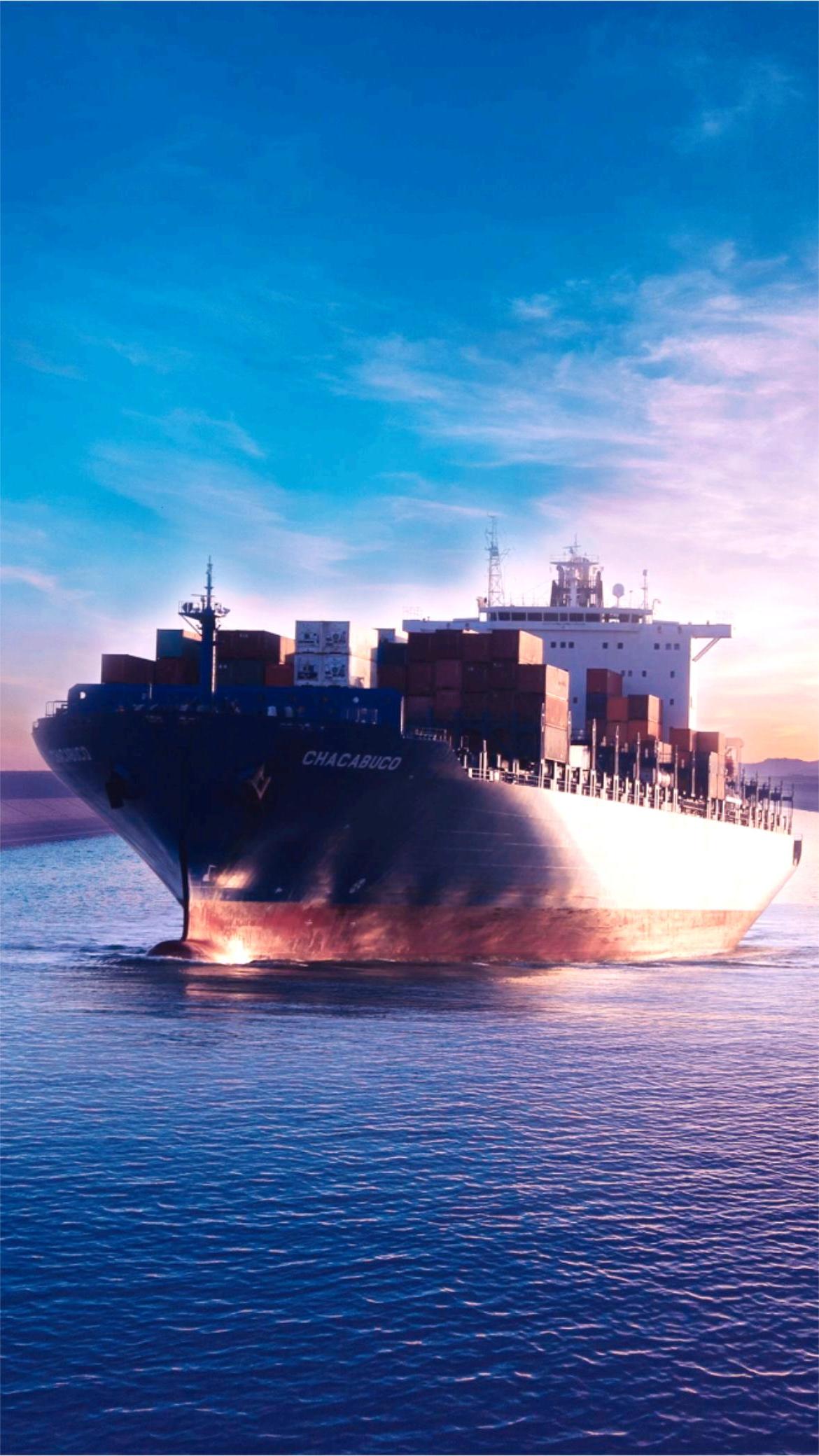
Moreover, sea freight allows for the transport of massive quantities that would be prohibitively expensive via other methods. This mode of transport provides the stability and capacity required for seasonal inventory spikes.
Additionally, businesses can choose between different container sizes to optimize their shipping spend based on actual volume. Therefore, utilizing sea freight is the logical choice for importers prioritizing budget over extreme speed.
Nevertheless, successful logistics require careful planning to account for longer lead times compared to air transport. Planning ahead ensures that your sporting goods arrive in time for peak retail seasons.
How Does Sporting Goods Sea Freight China to USA Compare to Other Shipping Options?
Understanding the differences between shipping methods is essential for making an informed logistics decision. While ocean transport is the standard, alternatives like air or express services may be necessary for urgent restocks.
For example, air freight offers unmatched speed but comes with a much higher price tag for heavy items. In contrast, sea freight provides the lowest cost per unit for high-volume shipments of dumbbells, treadmills, or bicycles.
Hybrid solutions also exist for those seeking a balance between cost and speed. However, for the majority of sporting goods importers, the ocean route remains the primary backbone of their supply chain.
| Shipping Method | Cost Range | Transit Time | Best For |
|---|---|---|---|
| Sea Freight (FCL) | $2,500 – $5,500 | 18 – 35 Days | Bulk inventory and heavy gear |
| Sea Freight (LCL) | $50 – $150 per CBM | 25 – 45 Days | Small shipments and samples |
| Air Freight | $5 – $12 per kg | 5 – 10 Days | Urgent restocks and high-value gear |
| Express Service | $8 – $15 per kg | 3 – 5 Days | Small parcels and documents |
FCL vs. LCL: Which is Best for Your Sporting Goods?
Choosing between Full Container Load (FCL) and Less than Container Load (LCL) depends largely on your total shipment volume. FCL is generally faster and more secure because the container is dedicated solely to your goods.
On the other hand, LCL allows you to share container space with other shippers, which is ideal for smaller loads under 15 cubic meters. This flexibility helps smaller businesses maintain inventory without committing to massive orders.
Furthermore, FCL shipments typically involve fewer handling steps, reducing the risk of damage to fragile sporting equipment. Consequently, many high-volume retailers prefer the 40HQ container for its superior cost-to-volume ratio.
Ultimately, you should calculate the total landed cost for both options before making a final booking. If your volume exceeds 15 CBM, FCL often becomes the more economical choice despite the higher upfront cost.
Navigating Customs Brokerage and Documentation
Importing sporting goods into the USA requires strict adherence to Customs and Border Protection (CBP) regulations. Missing or incorrect documentation can lead to costly delays or even the seizure of your inventory.
Specifically, you must provide a commercial invoice, a packing list, and a bill of lading for every shipment. Working with a professional customs brokerage service ensures that all paperwork meets federal requirements.
Additionally, certain sporting goods may be subject to specific safety standards or anti-dumping duties. Therefore, it is vital to verify the Harmonized System (HS) codes for your products well in advance of shipping.
Meanwhile, ensuring that your supplier provides accurate descriptions of materials used in the equipment will prevent classification errors. Clear communication with your freight forwarder simplifies the entire clearance process.
Major Shipping Routes and Transit Times
Transit times for sporting goods sea freight China to USA vary significantly based on the destination port. Shipments to the West Coast, such as Los Angeles or Long Beach, are much faster than those heading to the East Coast.
Typically, a direct vessel from Shanghai to Los Angeles takes about 14 to 18 days. In contrast, shipping to New York or Savannah via the Panama Canal can take 30 to 35 days depending on congestion.
Furthermore, choosing a door to door service can add several days for inland trucking and final delivery. However, this comprehensive service minimizes the logistical burden on your internal team.
As a result, you must factor in these timelines when planning marketing campaigns or product launches. Seasonal weather patterns and port labor issues can also impact these estimates throughout the year.
| Origin Port | Destination Port | Average Transit | Service Type |
|---|---|---|---|
| Shenzhen | Los Angeles | 15 – 18 Days | Direct |
| Ningbo | Long Beach | 16 – 20 Days | Direct |
| Shanghai | New York | 32 – 38 Days | Via Panama Canal |
| Qingdao | Savannah | 35 – 40 Days | Via Panama Canal |
Understanding Costs and Pricing Trends for 2025
Freight rates are influenced by several factors, including fuel costs, seasonal demand, and global economic conditions. As of early 2025, market data suggests that rates have stabilized but remain higher than pre-2020 levels.
Indeed, peak season surcharges typically apply from August through October as retailers prepare for the holiday rush. During this period, you can expect rates to increase by 15% to 25% compared to the spring months.
Moreover, equipment availability can fluctuate, leading to premium pricing for 40HQ containers. Consequently, booking your space at least 3-4 weeks in advance is recommended to secure the best possible rate.
Note: Freight rates are subject to change based on fuel costs, carrier capacity, and seasonal demand. Contact us for a current quote tailored to your specific shipment.
Alternative Strategies and Hybrid Solutions
Sometimes standard sea freight is not enough to meet tight deadlines or complex inventory needs. In such cases, businesses may consider hybrid Sea-Air solutions to save time while keeping costs lower than pure air transport.
Another effective strategy involves utilizing Amazon FBA dedicated shipping lines for e-commerce sellers. These services are optimized for small-to-medium enterprises looking for streamlined entry into the US market.
Additionally, transshipment via intermediate ports can sometimes offer lower rates, though it increases the risk of delays. Evaluating these alternatives allows you to pivot your strategy when market conditions change suddenly.
For instance, if West Coast ports are congested, rerouting to the East Coast or using a rail-bridge service from the West might be more efficient. Flexibility is the key to maintaining a resilient sporting goods supply chain.
Real-World Case Studies: Shipping Success Stories
Case Study 1: Large Scale Gym Equipment Import. Route: Shanghai to Los Angeles. Cargo: Professional treadmills and weight benches, 28 CBM. Container: 1x40GP. Shipping Details: Direct service via COSCO. Ocean Freight: $3,200. Total Landed Cost: $4,850. Total Transit: 22 days door-to-door. Key Insight: FCL provided the best protection for sensitive electronic components in the treadmills.
Case Study 2: Yoga Mat Distribution. Route: Ningbo to New York. Cargo: Eco-friendly yoga mats, 8 CBM. Container: LCL. Shipping Details: Transshipment via Singapore. Ocean Freight: $950. Total Landed Cost: $1,600. Total Transit: 42 days. Key Insight: LCL allowed the client to test a new product line without the cost of a full container.
Case Study 3: Bicycle Retailer Restock. Route: Shenzhen to Savannah. Cargo: Carbon fiber mountain bikes, 55 CBM. Container: 1x40HQ. Shipping Details: Direct via Maersk. Ocean Freight: $5,100. Total Landed Cost: $7,200. Total Transit: 36 days. Key Insight: Utilizing a 40HQ container maximized the volume-to-cost ratio for lightweight but bulky bikes.
Which Shipping Option Should You Choose? (Decision Framework)
Deciding on the right method requires a clear understanding of your business priorities. If your primary goal is minimizing expenditure and you have a flexible schedule, sea freight is the undisputed winner.
However, if you are launching a new product and need to be first to market, air freight might justify the extra expense. Most established sporting goods brands use a mix of both methods to balance their inventory.
Specifically, use FCL for your core, high-volume products that have predictable demand throughout the year. Use LCL or express services for samples, accessories, or urgent replacement parts that cannot wait for a container ship.
Ultimately, the best choice depends on your specific cargo type, budget, and urgency. Consulting with a logistics expert can help you map out a strategy that maximizes your profit margins while ensuring customer satisfaction.
Final Thoughts on Shipping Sporting Goods
Managing sporting goods sea freight China to USA effectively is a cornerstone of a successful fitness or outdoor retail business. By understanding the differences between FCL and LCL, navigating customs with professional help, and planning for transit times, you can significantly reduce your operational risks.
Furthermore, staying informed about market trends and pricing for 2025 will allow you to negotiate better rates and avoid unexpected surcharges. Remember that a resilient supply chain is built on reliable partnerships and clear communication.
In conclusion, while the logistics landscape can be complex, following the strategies outlined in this guide will put you ahead of the competition. Let us help you move your sporting goods across the ocean with efficiency and care.
Ready to streamline your logistics?
Are you ready to streamline your sporting goods sea freight China to USA process? Contact us today to receive a personalized quote and expert logistics advice for your next shipment. Visit our inquiry page at https://Top China Freight.com/contact-us/
Request Quote