
Sporting Goods Sea Freight from China: Your Ultimate Guide
Importing sporting goods from China presents a significant opportunity for businesses worldwide. However, navigating the complexities of international shipping can be challenging. This comprehensive guide, brought to you by Top China Freight, will demystify the process, helping you master sporting goods sea freight from China.
Why Choose Sea Freight for Sporting Goods from China?
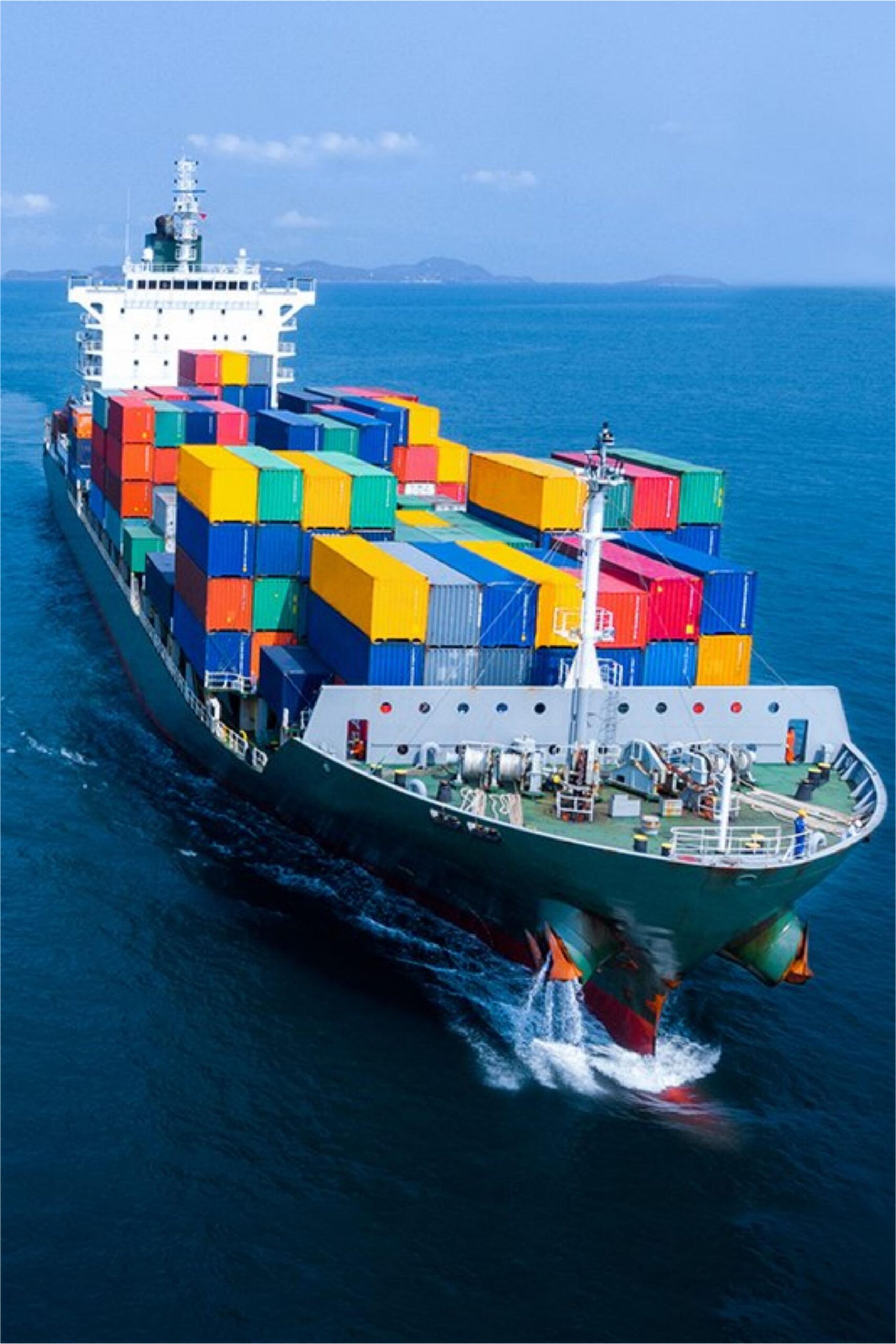
Sea freight remains the most cost-effective solution for importing large volumes of goods. This is particularly true for bulky or heavy sporting equipment, where air freight costs would be prohibitive.
Furthermore, it offers unparalleled capacity, allowing businesses to ship everything from exercise machines to large outdoor gear. Consequently, it is ideal for maintaining healthy inventory levels without excessive transport expenses.
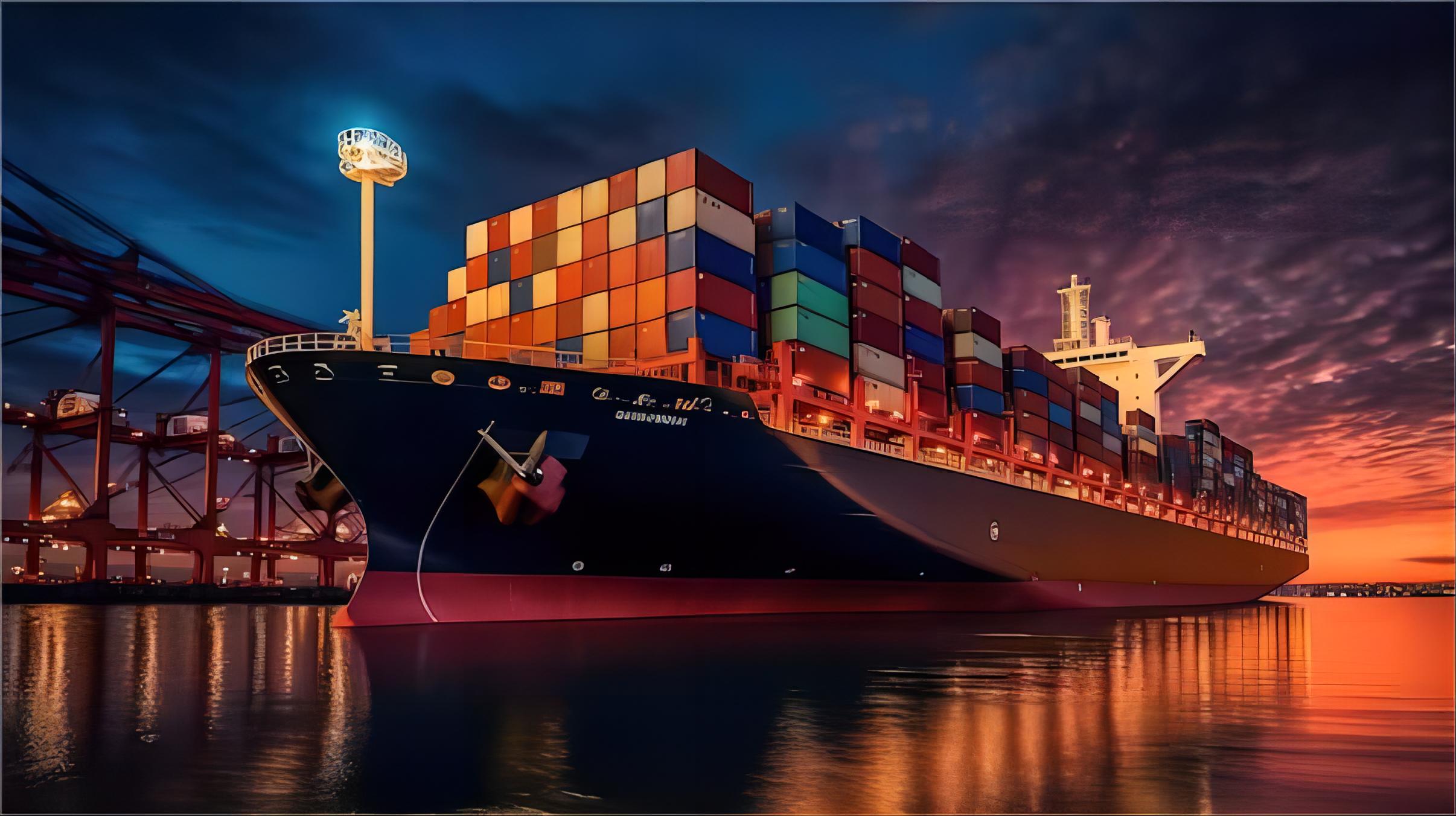
Moreover, sea freight also provides a lower carbon footprint compared to air shipping. This makes it a more environmentally friendly choice for businesses focused on sustainability initiatives.
Understanding FCL vs. LCL for Sporting Goods Shipments
When shipping sporting goods from China, you primarily have two options: Full Container Load (FCL) or Less than Container Load (LCL). Each choice has distinct advantages depending on your shipment’s size and urgency.
FCL means your goods occupy an entire shipping container, typically 20-foot or 40-foot. This option provides exclusive use of the container, leading to faster transit times and reduced handling.
Conversely, LCL involves sharing container space with other shippers’ goods. This is suitable for smaller volumes that do not fill a full container, offering a more economical solution for smaller businesses or trial orders.
| Feature | FCL (Full Container Load) | LCL (Less than Container Load) | Best For Sporting Goods |
|---|---|---|---|
| Volume | Larger shipments (15+ CBM) | Smaller shipments (1-15 CBM) | Bulky equipment (e.g., gym machines) for FCL; smaller items (e.g., apparel, accessories) for LCL |
| Cost Efficiency | Lower per-unit cost for large volumes | Higher per-unit cost, but lower total cost for small volumes | FCL for large orders, LCL for samples or small reorders |
| Transit Time | Generally faster, direct routing possible | Potentially slower due to consolidation/deconsolidation | FCL for time-sensitive large orders, LCL for less urgent, smaller imports |
| Handling | Less handling, reduced risk of damage | More handling, slightly higher risk of damage | FCL for fragile items, LCL for durable, well-packaged goods |
| Flexibility | Less flexible for small changes | Highly flexible for varying shipment sizes | LCL offers adaptability for diverse sporting goods inventory |
The Process of Sporting Goods Sea Freight from China
Shipping sporting goods from China involves several critical steps to ensure a smooth delivery. Understanding this process helps in effective planning and execution.
Initially, you must select a reliable freight forwarder and decide on your shipping method (FCL or LCL). This initial planning phase sets the foundation for your entire logistics operation.
Subsequently, your goods are transported from the factory to the port of loading in China. Here, they undergo customs clearance procedures before being loaded onto a vessel.
During transit, your cargo travels across the ocean to the destination port. Upon arrival, it goes through destination customs clearance and final delivery to your warehouse. Consider utilizing door-to-door services for a streamlined experience.
How Does Sporting Goods Sea Freight Compare to Other Shipping Options?
While sea freight is often the preferred choice for sporting goods, other shipping methods offer different benefits. Evaluating these alternatives is crucial for optimizing your supply chain.
Each method presents a unique balance of cost, speed, and capacity. Therefore, choosing the right option depends heavily on your specific business needs and product characteristics.
Comparison Table: Sea, Air, and Rail Freight
This table provides a concise overview of the primary shipping methods available from China. It highlights key differences to help you make an informed decision for your sporting goods imports.
| Shipping Method | Cost Range (40HQ approx.) | Transit Time (China to Europe/USA) | Best For | Limitations |
|---|---|---|---|---|
| Sea Freight | $3,000 – $6,000 | 28 – 45 days | Large, heavy, or non-urgent sporting goods (e.g., gym equipment, bikes) | Slowest transit time, potential port delays |
| Air Freight | $15,000 – $25,000 | 5 – 10 days | High-value, urgent, or small-volume sporting goods (e.g., electronics, samples) | Highest cost, limited capacity for bulky items |
| Rail Freight | $8,000 – $12,000 | 18 – 25 days | Mid-size, moderately urgent sporting goods to Europe/Central Asia | Limited destinations (not applicable to Australia/Americas), less flexible routing |
Alternative Strategies and Hybrid Solutions
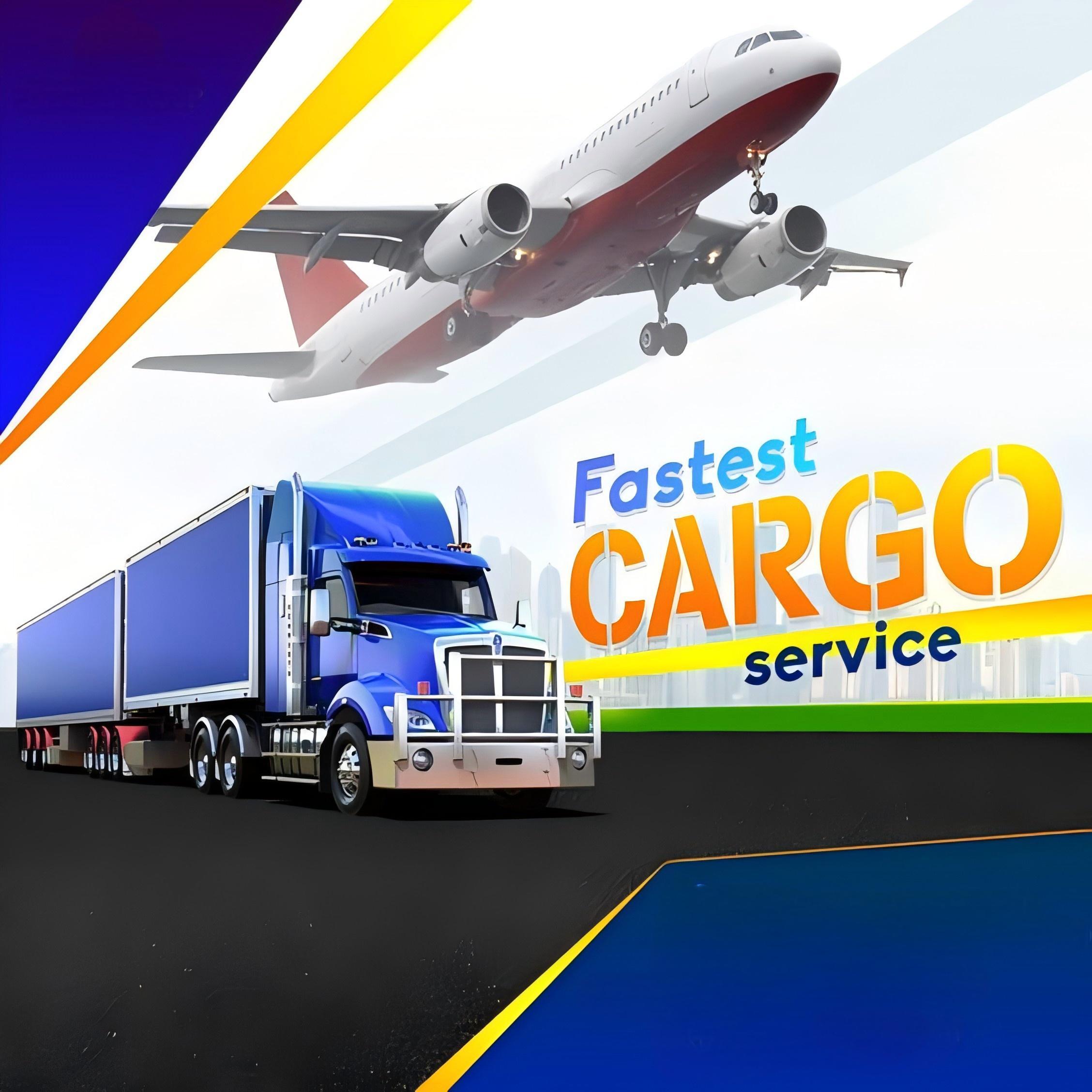
For urgent shipments of sporting goods, air freight is an alternative to consider. While significantly more expensive, it drastically reduces transit times, ideal for new product launches or emergency stock replenishment.
Furthermore, for destinations like Europe, rail freight offers a middle ground between sea and air. It provides faster transit than sea freight at a lower cost than air, making it suitable for certain types of sporting goods.
Hybrid solutions, such as Sea-Air, combine the cost-effectiveness of sea freight with the speed of air freight. Goods travel by sea to an intermediary hub, then by air to the final destination. This can be a strategic option for balancing budget and speed.
Additionally, for businesses selling through online marketplaces, consider integrating Amazon FBA services. This streamlines delivery directly to Amazon warehouses, reducing warehousing and distribution complexities.
Decision Framework: Which Option Should You Choose?
**Budget Priority:** If cost is your primary concern, and you have ample lead time, sea freight is almost always the best choice. It offers the lowest per-unit cost for importing sporting goods.
**Speed Priority:** When time is critical, for instance, for seasonal sporting goods or fast-moving inventory, air freight is indispensable. However, be prepared for higher shipping costs.
**Cargo Type Considerations:** For oversized or heavy sports equipment (e.g., treadmills, weight benches), sea freight via FCL is typically the only viable option. Lighter, smaller items might suit LCL or air freight.
**Volume Thresholds:** Shipments exceeding 15 CBM are generally more economical via FCL sea freight. Smaller volumes (1-10 CBM) can benefit from LCL, while very small, high-value items may justify air freight.
Navigating Customs and Regulations for Sporting Goods Import
Customs clearance is a critical, often complex, step in importing sporting goods from China. Proper documentation and adherence to regulations are essential to avoid delays and penalties.
You will need various documents, including a commercial invoice, packing list, bill of lading, and potentially certificates of origin. Specific sporting goods may also require additional certifications, such as safety standards or material compliance.
Import duties and taxes (tariffs) vary significantly by product type and destination country. Researching the Harmonized System (HS) codes for your specific sporting goods is crucial for accurate cost estimation. Engaging a reputable customs brokerage service can simplify this process.
Furthermore, compliance with intellectual property rights is vital. Importing counterfeit sporting goods can lead to severe legal repercussions and seizure of your shipment. Always verify your suppliers’ legitimacy.
Real Case Studies: Sporting Goods Sea Freight Successes
These case studies illustrate practical applications of sporting goods sea freight from China. They highlight typical scenarios, costs, and transit times experienced by importers.
Case Study 1: Large Volume Gym Equipment to the USA
This case involved a US-based fitness retailer importing a significant quantity of gym equipment for a new store opening. Efficiency and cost-effectiveness were paramount for this large order.
| Detail | Description |
|---|---|
| Route | Shanghai, China to Los Angeles, USA |
| Cargo | Treadmills, weight benches, dumbbells; 50 CBM, 15,000 kg |
| Container | 2 x 40HQ |
| Shipping Details | |
| – Carrier/Service | COSCO (Major carrier) |
| – Port of Loading | Shanghai |
| – Port of Discharge | Los Angeles |
| – Route Type | Direct |
| Cost Breakdown (Based on Q3 2024 market rates) | |
| – Ocean Freight | $5,800 (for 2x40HQ) |
| – Origin Charges (THC, documentation) | $650 |
| – Destination Charges | $550 |
| – Customs & Duties (estimated) | $1,200 |
| – Total Landed Cost | $8,200 |
| Timeline | |
| – Booking to Loading | 7 days |
| – Sea Transit | 16 days |
| – Customs Clearance | 3 days |
| – Total Door-to-Door | 28 days |
| Key Insight | Direct FCL shipping proved highly efficient for bulky sporting goods, minimizing handling and transit time to the US West Coast. |
Case Study 2: Seasonal Outdoor Gear to Europe
A European outdoor sports supplier needed to replenish stock of camping tents and hiking backpacks before the summer season. Balancing cost with a reasonable delivery schedule was key.
| Detail | Description |
|---|---|
| Route | Ningbo, China to Hamburg, Germany |
| Cargo | Camping tents, hiking backpacks; 12 CBM, 2,500 kg |
| Container | LCL 12 CBM |
| Shipping Details | |
| – Carrier/Service | MSC (Major carrier) |
| – Port of Loading | Ningbo |
| – Port of Discharge | Hamburg |
| – Route Type | Transshipment via Singapore |
| Cost Breakdown (Typical rates as of early 2025) | |
| – Ocean Freight | $960 |
| – Origin Charges (THC, documentation) | $380 |
| – Destination Charges | $450 |
| – Customs & Duties (estimated) | $700 |
| – Total Landed Cost | $2,490 |
| Timeline | |
| – Booking to Loading | 10 days |
| – Sea Transit | 32 days |
| – Customs Clearance | 5 days |
| – Total Door-to-Door | 48 days |
| Key Insight | LCL offered a flexible, cost-effective solution for a mid-volume seasonal shipment, despite slightly longer transit due to consolidation. |
Case Study 3: Fitness Accessories to Australia
An Australian online retailer required a regular supply of fitness accessories like resistance bands and yoga mats. Consistent delivery and competitive pricing were crucial for their e-commerce model.
| Detail | Description |
|---|---|
| Route | Shenzhen, China to Sydney, Australia |
| Cargo | Fitness accessories; 20 CBM, 4,000 kg |
| Container | 1 x 20GP |
| Shipping Details | |
| – Carrier/Service | Maersk (Major carrier) |
| – Port of Loading | Shenzhen |
| – Port of Discharge | Sydney |
| – Route Type | Direct |
| Cost Breakdown (Industry average for this route Q4 2024) | |
| – Ocean Freight | $1,100 |
| – Origin Charges (THC, documentation) | $400 |
| – Destination Charges | $350 |
| – Customs & Duties (estimated) | $600 |
| – Total Landed Cost | $2,450 |
| Timeline | |
| – Booking to Loading | 5 days |
| – Sea Transit | 15 days |
| – Customs Clearance | 2 days |
| – Total Door-to-Door | 25 days |
| Key Insight | A 20GP container provided an excellent balance of cost and speed for regular, moderately sized shipments of sporting goods to Australia, a relatively short sea route. |
Ensuring Safety and Security for Your Sporting Goods Cargo
Protecting your sporting goods during transit is paramount. Proper packaging and cargo insurance are vital to mitigate risks inherent in international shipping.
Appropriate packaging protects items from moisture, impact, and shifting during transit. Use sturdy cartons, cushioning materials, and consider fumigated wooden crates for heavy or sensitive equipment.
Cargo insurance is highly recommended, covering losses or damages that may occur during the journey. While carriers have limited liability, comprehensive insurance provides peace of mind and financial protection.
Furthermore, work with reputable freight forwarders who adhere to strict security protocols. This minimizes the risk of theft or tampering, especially for high-value sporting goods.
Choosing a Reliable Freight Forwarder for Sporting Goods from China
Selecting the right freight forwarder is perhaps the most critical decision for successful sporting goods sea freight from China. A good partner streamlines the entire process, offering expertise and reliability.
Look for a forwarder with extensive experience in the China-specific logistics market and a proven track record in handling sporting goods. Their knowledge of customs regulations, port procedures, and carrier networks is invaluable.
A reliable partner, such as Top China Freight, offers transparent pricing, excellent communication, and proactive problem-solving. They should provide comprehensive services from origin to destination, simplifying your import operations.
Always request detailed quotes and references. A trustworthy forwarder will be upfront about all costs, including potential surcharges, ensuring no hidden fees surprise you later. This transparency builds trust and fosters long-term relationships.
Mastering Sporting Goods Sea Freight from China
Successfully importing sporting goods from China via sea freight requires careful planning, an understanding of logistics, and a reliable partner. By choosing the right shipping method, navigating customs, and ensuring cargo safety, businesses can optimize their supply chain.
Indeed, sea freight remains the backbone for cost-effective, large-volume imports of sporting equipment. Partnering with experienced professionals will ensure your goods arrive safely and on time, securing your competitive edge.
Need a tailored shipping solution?
Ready to streamline your sporting goods sea freight from China? Contact us today for a personalized quote and expert guidance. Our team is prepared to help you navigate international logistics efficiently and cost-effectively.