
Sporting Goods Shipping from China: Your Ultimate Logistics Guide
Navigating the complexities of global logistics for sporting goods shipping from China can be daunting. Manufacturers often seek reliable, cost-effective solutions to move diverse products, from bulky fitness equipment to delicate sports apparel. Understanding the intricacies of international freight is crucial for success in this competitive market. For comprehensive support, visit Top China Freight.
Why is Sporting Goods Shipping from China a Unique Challenge?
Shipping sporting goods from China presents distinct logistical hurdles. The sheer variety of products, ranging from large gym equipment to small, high-value electronics like smartwatches, demands specialized handling. Moreover, these items often come with specific import regulations and safety standards.
Furthermore, seasonal demand significantly impacts shipping volumes and urgency. Peaks around major sporting events or holiday seasons can strain supply chains, leading to increased freight rates and potential delays. Careful planning is therefore essential for managing these fluctuating demands effectively.
Consequently, businesses importing sports equipment must navigate customs, diverse cargo types, and fluctuating market conditions. An experienced logistics partner can streamline this complex process, ensuring timely and compliant delivery of your athletic gear.
Understanding Your Shipping Options for Sporting Goods
When importing sporting goods from China, several shipping methods are available, each offering distinct advantages and disadvantages. Choosing the right mode depends on factors like urgency, budget, cargo volume, and product type. Evaluating these options carefully can lead to significant savings and improved delivery schedules.
Therefore, a thorough understanding of sea, air, rail, and express freight services is paramount. Each method caters to different business needs, from large-scale, cost-effective transport to rapid, high-priority deliveries. Here is a comparison to help guide your decision-making.
| Shipping Method | Cost & Transit Time | Best For | Limitations |
|---|---|---|---|
| Sea Freight | Low, 20-45 days | Large volumes, heavy items | Slow, port congestion risks |
| Air Freight | High, 3-10 days | Urgent, high-value, small volumes | Expensive, weight/size restrictions |
| Rail Freight | Medium, 15-25 days | Europe-bound, moderate urgency | Limited routes, not global |
| Express Service | Very High, 1-5 days | Samples, very urgent small parcels | Highest cost, small package focus |
How Does Sea Freight Compare to Other Shipping Options?
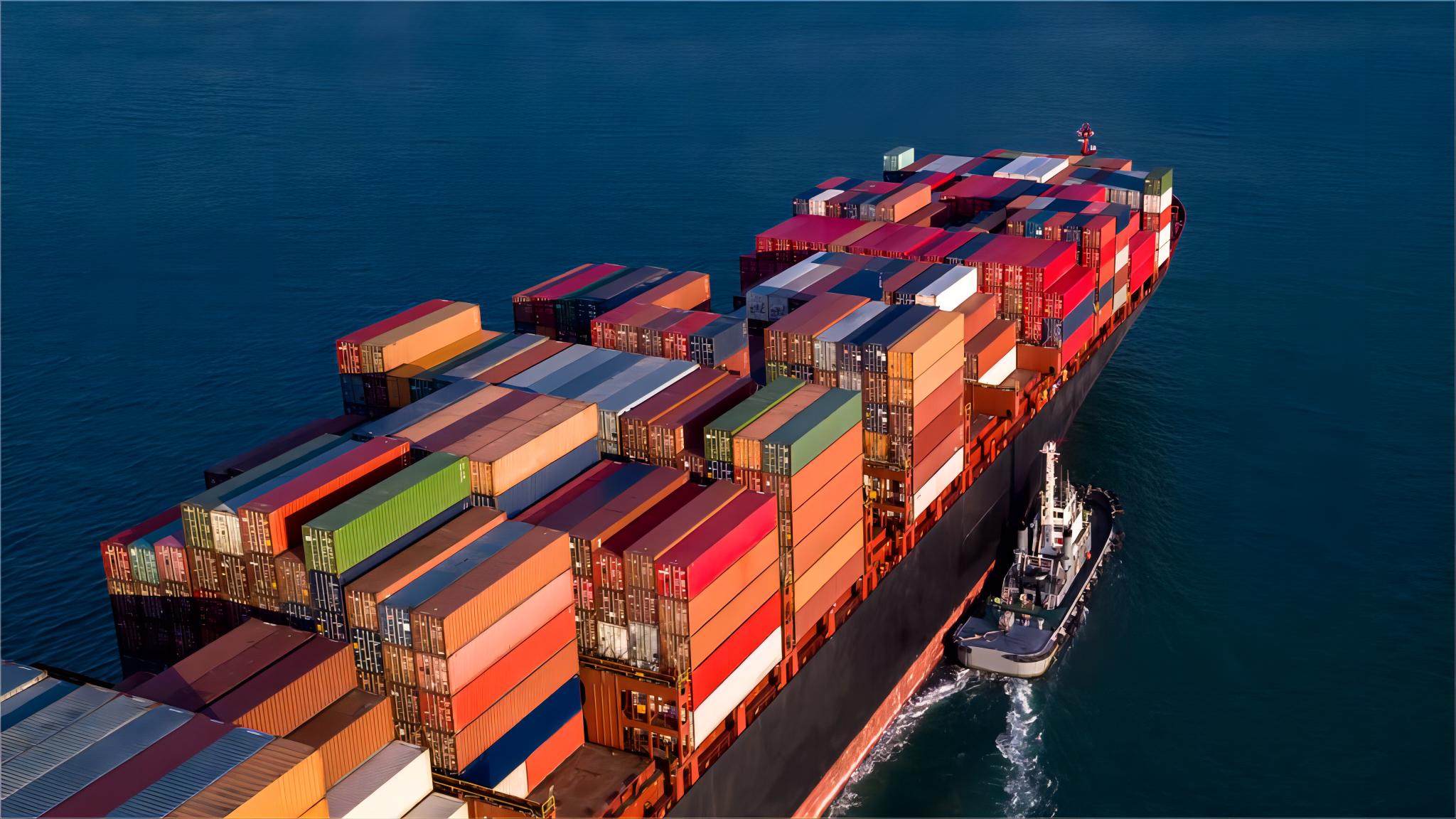
Sea freight remains the backbone for shipping sporting goods from China due to its cost-effectiveness for large volumes. For instance, a 40HQ container of fitness equipment to Europe might cost $3,000-$4,200, taking 28-35 days. In contrast, the same volume by air freight could easily exceed $20,000 but arrive in 5-7 days.
Conversely, for smaller shipments under 15 CBM, Less than Container Load (LCL) options are more economical than Full Container Load (FCL). LCL rates, typically $50-$80/CBM, allow businesses to share container space, reducing overall shipping costs. This is ideal for diverse product lines or smaller inventory orders.
However, for time-sensitive or high-value sporting goods, air freight provides a faster alternative. While significantly more expensive, the reduced transit time can be critical for new product launches or replenishing fast-selling items. Air cargo typically delivers within 3-10 days to most major destinations.
For European destinations, rail freight offers a compelling middle ground. It is faster than sea freight and considerably more affordable than air freight, with transit times around 15-25 days. This hybrid approach balances speed and cost, making it suitable for many types of sports equipment destined for the European market.
Key Factors Influencing Sporting Goods Shipping Costs
Several critical factors dictate the overall shipping costs for sporting goods from China. Foremost among these are the freight rates, which fluctuate based on fuel surcharges, carrier capacity, and seasonal demand. Peak seasons, often from August to October, can see rates increase by 15-25% due to higher volumes.
Moreover, the dimensions and weight of your cargo play a significant role. Bulky items like treadmills or kayaks incur different costs than compact items like tennis rackets. Volume, measured in cubic meters (CBM), and gross weight determine whether your shipment is charged by actual weight or volumetric weight.
Additionally, origin and destination charges, including terminal handling, documentation fees, and local transport, add to the total landed cost. Customs duties and taxes, which vary by product type and destination country, must also be factored in. Insurance is highly recommended to protect against damage or loss during transit.
Understanding these components helps in accurately budgeting for your import operations. Partnering with a freight forwarder can provide transparent breakdowns of these charges, helping you manage your supply chain more effectively and avoid unexpected expenses.
Note: Freight rates are subject to change based on fuel costs, carrier capacity, and seasonal demand. Always contact us for a current quote tailored to your specific shipment.
Navigating Customs and Compliance for Sports Equipment
Successfully clearing customs is a non-negotiable step in sporting goods shipping from China. Proper documentation is paramount to avoid delays and penalties. This includes a commercial invoice, packing list, bill of lading or air waybill, and a certificate of origin.
Furthermore, accurately classifying your sports equipment with Harmonized System (HS) codes is essential for determining correct duties and taxes. Many sporting goods also fall under specific product safety standards or certifications in the destination country, such as CE for Europe or ASTM for the USA. Customs brokerage services are invaluable here.
Consequently, working with an experienced customs broker can significantly streamline the import process. They ensure all declarations are accurate, duties are correctly calculated, and compliance with all import regulations is met. This expertise minimizes risks and accelerates clearance.
| Document | Purpose | Key Information Required |
|---|---|---|
| Commercial Invoice | Proof of sale, customs valuation | Seller/Buyer details, product description, value, HS code |
| Packing List | Details of cargo contents | Number of packages, weight, dimensions, contents per package |
| Bill of Lading/Air Waybill | Contract of carriage, title to goods | Shipper/Consignee, carrier, port/airport details, cargo description |
| Certificate of Origin | Confirms country of manufacture | Country of origin, product description |
| Import License/Permits | Required for controlled goods | Specific product types (e.g., firearms accessories, certain chemicals) |
Optimizing Transit Times and Delivery Schedules
Efficient management of transit times is crucial for maintaining a competitive edge in the sporting goods market. Strategic route planning and carrier selection directly impact how quickly your products reach their destination. Opting for direct routes, for instance, can save 5-7 days compared to transshipment via major hubs like Singapore or Port Klang, albeit at a slightly higher cost.
For urgent inventory needs or samples, express service provides the fastest delivery options. While more expensive, express couriers offer door-to-door service within 1-5 days, which is invaluable for time-sensitive sporting events or product launches. This premium service ensures rapid turnaround.
Moreover, staying informed about current logistics trends and potential disruptions is vital. Market data suggests that port congestion and labor strikes can significantly impact delivery schedules, especially during peak seasons. Proactive communication with your logistics provider helps mitigate these risks.
To summarize, a well-coordinated delivery schedule considers both cost and speed. Balancing these factors ensures that your sporting goods arrive when needed, optimizing inventory flow and customer satisfaction. Always factor in potential delays and build in buffer time.
Case Studies: Real-World Sporting Goods Shipments
Exploring real-world scenarios offers valuable insights into the practicalities of sporting goods shipping from China. These case studies highlight diverse challenges and effective solutions, showcasing how different methods are applied. They underscore the importance of tailored logistics strategies for varied cargo and destinations.
Case Study 1: Large Volume Fitness Equipment to Europe
A European distributor needed to import a substantial quantity of fitness equipment, including treadmills and weight benches. Their priority was cost-effectiveness for a large, non-urgent order, making sea freight the optimal choice. This allowed them to maximize cargo volume per shipment.
| Detail | Description | ||||
|---|---|---|---|---|---|
| Route | Shanghai, China -> Hamburg, Germany | ||||
| Cargo | Fitness equipment (treadmills, weight benches), 58 CBM, 15,000 kg | ||||
| Container | 1 x 40HQ | ||||
| Shipping Details | Carrier: MSC, Port of Loading: Shanghai, Port of Discharge: Hamburg, Route Type: Direct | ||||
| Cost Breakdown | Ocean Freight: $3,800 | Origin Charges: $450 | Destination Charges: $550 | Customs & Duties (estimated): $1,200 | Total Landed Cost: $6,000 |
| Timeline | Booking to Loading: 5 days | Sea Transit: 30 days | Customs Clearance: 3 days | Total Door-to-Door: 38 days | |
| Key Insight | Direct sea route offered significant cost savings for bulk items, based on Q3 2024 market rates. |

Case Study 2: Urgent High-Value Sports Apparel to North America
An online retailer required a rapid replenishment of a popular line of specialized sports apparel before a major sales event. Due to the high value and urgency, air freight was selected, despite the higher cost. Speed was paramount for capitalizing on market demand.
| Detail | Description | ||||
|---|---|---|---|---|---|
| Route | Shenzhen, China -> Los Angeles, USA | ||||
| Cargo | Performance sports apparel, 5 CBM, 800 kg | ||||
| Container | Air Cargo (consolidated) | ||||
| Shipping Details | Carrier: Major airline, Airport of Loading: Shenzhen (SZX), Airport of Discharge: Los Angeles (LAX), Route Type: Direct | ||||
| Cost Breakdown | Air Freight: $4,800 | Origin Charges: $250 | Destination Charges: $300 | Customs & Duties (estimated): $500 | Total Landed Cost: $5,850 |
| Timeline | Booking to Loading: 2 days | Air Transit: 4 days | Customs Clearance: 1 day | Total Door-to-Door: 7 days | |
| Key Insight | Air freight enabled quick market entry for a time-sensitive product, typical rates as of early 2025. |
Case Study 3: Diverse Sporting Goods LCL Shipment to Australia
A small boutique importer needed to consolidate various types of sporting goods, including yoga mats, resistance bands, and small camping gear, from multiple suppliers. Given the mixed nature and moderate volume, LCL sea freight was chosen for cost-efficiency. This allowed for flexible inventory management.
| Detail | Description | ||||
|---|---|---|---|---|---|
| Route | Ningbo, China -> Sydney, Australia | ||||
| Cargo | Mixed sporting accessories, 12 CBM, 2,500 kg | ||||
| Container | LCL (Less than Container Load) | ||||
| Shipping Details | Carrier: Major carrier, Port of Loading: Ningbo, Port of Discharge: Sydney, Route Type: Transshipment via Singapore | ||||
| Cost Breakdown | Ocean Freight: $960 (at $80/CBM) | Origin Charges: $300 | Destination Charges: $400 | Customs & Duties (estimated): $350 | Total Landed Cost: $2,010 |
| Timeline | Booking to Loading: 7 days | Sea Transit: 18 days | Customs Clearance: 2 days | Total Door-to-Door: 27 days | |
| Key Insight | LCL allowed consolidation of diverse goods, optimizing costs for smaller volumes. Based on current market rates as of Q1 2025. |
Which Option Should You Choose for Your Sporting Goods?
Deciding on the best shipping method for your sporting goods requires a clear understanding of your priorities. A structured approach helps in making informed decisions. Consider your budget, urgency, and the specific characteristics of your cargo.
If budget is your primary concern and you have ample lead time, sea freight, particularly FCL for larger volumes, is highly recommended. It offers the lowest cost per unit for bulkier items like gym equipment or large quantities of sports apparel. LCL is suitable for smaller, less urgent shipments.
Conversely, if speed is paramount, for instance, for seasonal launches or urgent restocking, air freight or express services are the best options. These methods ensure rapid delivery, allowing you to quickly respond to market demands or unforeseen inventory shortages. The higher cost is often justified by the quick turnaround.
Furthermore, consider hybrid solutions, such as sea-air combinations for certain routes, to balance cost and speed. For instance, shipping by sea to a regional hub and then by air for the final leg can reduce overall transit time compared to pure sea freight, while being more economical than pure air freight. For seamless logistics, explore door-to-door services.
Partnering with a Reliable Logistics Provider for Sporting Goods Shipping
Choosing the right logistics partner is critical for successful sporting goods shipping from China. An experienced freight forwarder offers invaluable expertise in navigating complex regulations, optimizing routes, and managing potential disruptions. Their network and industry knowledge can significantly streamline your supply chain.
A reliable partner provides end-to-end solutions, from origin pickup to final delivery, including customs clearance and warehousing. This comprehensive approach ensures efficient cargo handling and reduces the administrative burden on your business. Ultimately, it allows you to focus on your core operations.
Moreover, they can offer insights into current market conditions and help you secure competitive freight rates. Their ability to adapt to changing logistics trends and provide robust support is a significant asset. This partnership is vital for maintaining a smooth and reliable flow of your sports equipment.
Conclusion: Mastering Sporting Goods Shipping from China
Successfully navigating sporting goods shipping from China requires a strategic approach, encompassing careful selection of shipping methods, diligent customs compliance, and proactive supply chain management. The diverse nature of sports equipment demands flexible and informed logistics decisions. By understanding the nuances of each shipping option and the factors influencing costs and transit times, businesses can optimize their import operations.
Ultimately, partnering with a knowledgeable and experienced logistics provider is paramount. Such a partnership ensures that your sporting goods reach their destination efficiently, compliantly, and cost-effectively. This allows you to maintain inventory, satisfy customer demand, and thrive in the competitive global market for sports equipment.

Get Your Shipping Quote Today
Ready to streamline your sporting goods shipping from China? Contact our expert team today for a personalized quote and discover how our tailored logistics solutions can benefit your business. We are here to help you navigate every step of the process.
Request Quote