
Streamlining Bags Shipping from China to USA: Your Complete Guide
Navigating the complexities of international logistics for bags shipping from China to USA can be challenging for businesses. From understanding freight rates to customs regulations, every detail impacts your supply chain efficiency. This comprehensive guide, brought to you by Top China Freight, aims to demystify the process, offering clear insights and actionable strategies to optimize your bag imports.
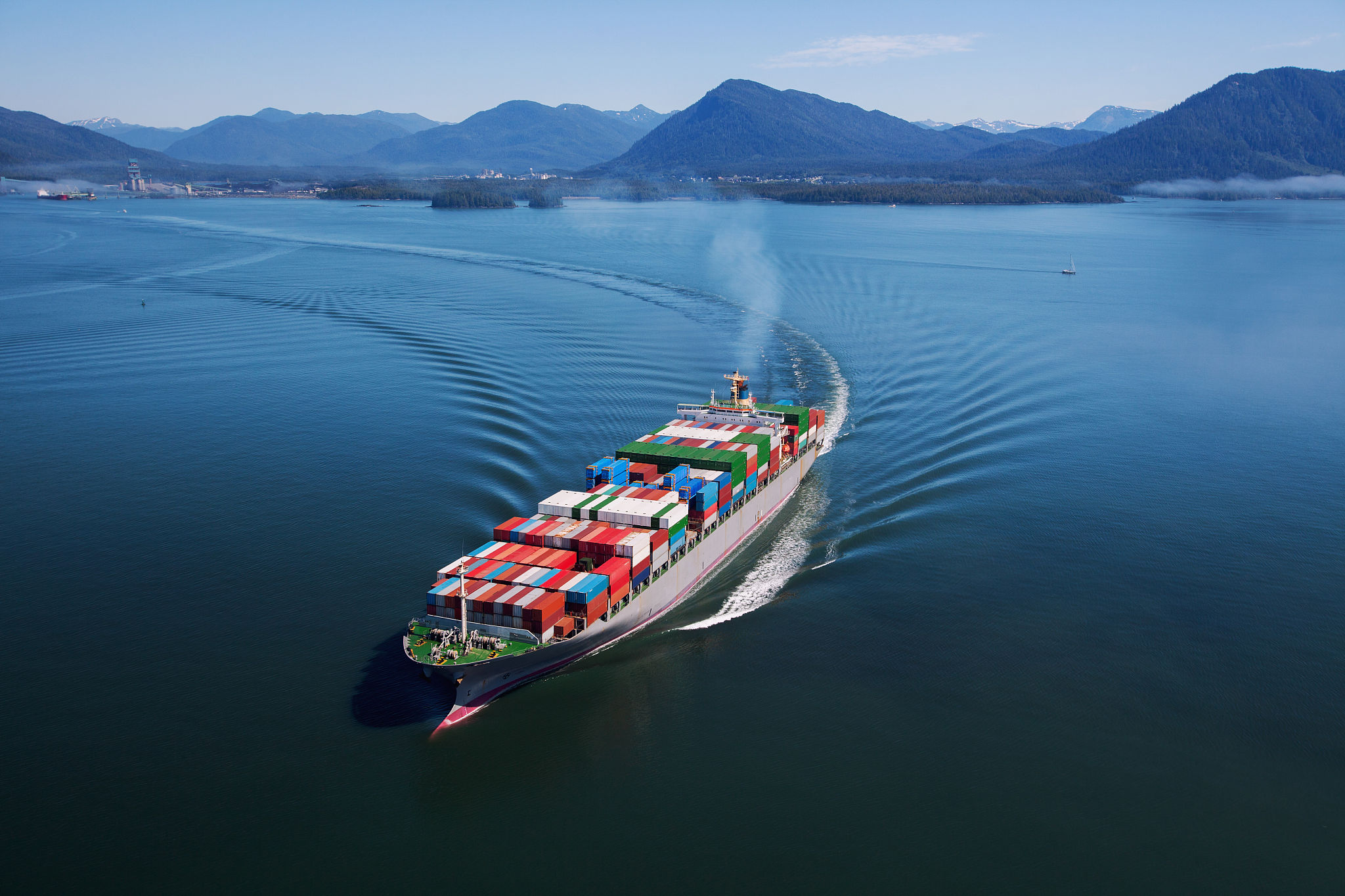
Understanding Bags Shipping from China to USA: Key Factors
Shipping bags from China to the USA involves several critical considerations that impact overall cost and delivery schedule. Businesses must carefully evaluate factors like volume, urgency, and product value. Consequently, a well-planned logistics strategy is essential for successful import operations.
Furthermore, understanding the nuances of international freight, including various shipping modes and associated costs, is paramount. This initial assessment helps in making informed decisions. Moreover, it directly influences your profitability and customer satisfaction.
Choosing the Right Shipping Method for Your Bags
Selecting the most appropriate shipping method is crucial for balancing cost, speed, and reliability. Indeed, each option presents distinct advantages and disadvantages. Therefore, a thorough evaluation based on your specific needs is highly recommended.
| Shipping Method | Cost Range (per kg) | Transit Time | Best For | Limitations |
|---|---|---|---|---|
| Sea Freight (LCL) | $0.50 – $1.50 | 20-35 days | Large volumes, non-urgent, cost-sensitive | Slow, potential delays |
| Sea Freight (FCL) | $0.20 – $0.80 | 14-30 days | Very large volumes, exclusive use | Requires full container, longer lead times |
| Air Freight | $4.00 – $8.00 | 3-8 days | Urgent, high-value, smaller volumes | High cost, weight/size restrictions |
| Express Shipping | $7.00 – $15.00 | 1-5 days | Samples, small parcels, very urgent | Highest cost, strict size/weight limits |

Sea Freight for Bags
Sea freight remains the most economical option for large volumes of bags, especially for non-urgent shipments. It offers significant cost savings for bulk orders. Consequently, it is ideal for businesses focusing on budget efficiency.
Moreover, you can choose between Full Container Load (FCL) for exclusive container use or Less than Container Load (LCL) for smaller shipments. Sea freight is perfect for heavy or bulky bags, offering substantial capacity. However, transit times are considerably longer, ranging from 14 to 35 days depending on the destination port.
Air Freight for Bags
For urgent bag shipments or high-value fashion items, air freight provides unparalleled speed. Although significantly more expensive, it drastically reduces transit times. Therefore, it is the preferred choice for time-sensitive inventory.
Generally, air freight delivers bags from China to the USA within 3-8 days. This method is particularly beneficial for seasonal collections or replenishing fast-selling stock. However, its higher freight rates may impact your margins, especially for lower-value bags.
Express Shipping for Small Bag Orders
Express services, provided by major couriers, are ideal for small parcels, samples, or very urgent, lightweight bag shipments. They offer fast, express service with door-to-door tracking. Consequently, this method ensures convenience and speed for smaller quantities.
Typically, express shipping delivers within 1-5 days. While extremely fast, the per-kilogram cost is the highest among all options. Thus, it is usually reserved for critical, low-volume consignments rather than regular bulk imports of bags.
Navigating Customs and Documentation for Bag Imports
Successful bags shipping from China to USA heavily relies on accurate customs documentation and compliance. Missteps here can lead to costly delays or penalties. Therefore, proper preparation is non-negotiable for smooth importation.
Key documents typically include the commercial invoice, packing list, bill of lading (for sea freight) or air waybill (for air freight), and a certificate of origin. Furthermore, specific tariffs and import duties apply to bags, varying by material and type. Leveraging a professional customs brokerage service is highly recommended to ensure all regulations are met. This includes proper Harmonized System (HS) code classification and payment of applicable duties, streamlining the customs clearance process for your bag shipments.
How Does Sea Freight Compare to Other Shipping Options for Bags?
When considering bags shipping from China to USA, sea freight often serves as the benchmark for cost-effectiveness. However, its suitability depends heavily on your specific business requirements. Understanding its comparison with other modes is crucial.
For instance, while sea freight offers significantly lower freight rates, its extended transit time means a longer inventory holding period. Conversely, air freight dramatically cuts transit time but at a premium cost. Therefore, the choice involves a strategic trade-off between speed and budget.
| Shipping Method | Cost Range (40HQ to USA East) | Transit Time | Best For | Limitations |
|---|---|---|---|---|
| Sea Freight (FCL) | $4,500 – $6,000 | 30-35 days | Bulk bags, planned inventory, lowest cost | Long lead times, port congestion risk |
| Sea Freight (LCL) | $80-150/CBM | 30-40 days | Smaller bulk bags (under 15 CBM), flexible | Longer transit than FCL, potential for more handling |
| Air Freight | $15,000 – $25,000 (equivalent volume) | 5-7 days | Urgent fashion bags, high-value items, quick market entry | Very high cost, limited capacity for large volumes |
| Hybrid (Sea-Air) | Mid-range | 15-20 days | Moderate urgency, balance cost/speed | Complex coordination, not always available |
Optimizing Your Supply Chain: Cost-Saving Strategies
Reducing shipping costs for bags from China to USA requires strategic planning and execution. Consequently, several approaches can help businesses achieve significant savings. Smart choices in logistics can dramatically impact your bottom line.
Consider consolidating multiple smaller orders into a single, larger shipment. This often allows for better freight rates, especially when transitioning from LCL to FCL. Furthermore, optimizing packaging to minimize volumetric weight can reduce both sea and air freight charges. Understanding Incoterms is equally vital, as they define cost and risk allocation between buyer and seller. For seamless logistics, exploring door-to-door delivery services can also streamline your supply chain and reduce unforeseen local charges.
Real-World Scenarios: Bags Shipping from China to USA
Examining actual case studies provides practical insights into the complexities and solutions for shipping bags. These examples highlight how different factors influence method selection and overall logistics. They demonstrate effective strategies for various business needs.
Case Study 1: Large Volume Handbags
This scenario illustrates the benefits of FCL sea freight for substantial, non-urgent inventory. It emphasizes cost efficiency over speed. Effective planning was key to success.
| Detail | Description |
|---|---|
| Route | Shanghai, China to Los Angeles, USA |
| Cargo | 25,000 units of PU leather handbags, 65 CBM, 15,000 kg |
| Container | 1 x 40HQ |
| Shipping Details | Carrier: COSCO, Port of Loading: Shanghai, Port of Discharge: Los Angeles, Route Type: Direct |
| Cost Breakdown | Ocean Freight: $3,200; Origin Charges: $550; Destination Charges: $400; Customs & Duties (est): $1,800; Total Landed Cost: $5,950 |
| Timeline | Booking to Loading: 5 days; Sea Transit: 14 days; Customs Clearance: 3 days; Total Door-to-Door: 22 days |
| Key Insight | Leveraging FCL for large volume bags shipping significantly reduced per-unit cost. Based on Q3 2024 market rates, direct routes to the US West Coast remain efficient. |

Case Study 2: Urgent Fashion Backpacks
This case highlights the necessity of air freight for time-sensitive fashion items. Speed was prioritized to meet seasonal demand. Despite higher costs, market entry was swift.
| Detail | Description |
|---|---|
| Route | Guangzhou, China to New York (JFK), USA |
| Cargo | 1,500 units of designer backpacks, 6 CBM, 800 kg |
| Container | Air Cargo (Palletized) |
| Shipping Details | Carrier: Major airline, Airport of Loading: Guangzhou (CAN), Airport of Discharge: New York (JFK), Route Type: Direct |
| Cost Breakdown | Air Freight: $4,800; Origin Charges: $250; Destination Charges: $180; Customs & Duties (est): $900; Total Landed Cost: $6,130 |
| Timeline | Booking to Loading: 2 days; Air Transit: 3 days; Customs Clearance: 1 day; Total Door-to-Door: 7 days |
| Key Insight | Urgent fashion bags shipping benefited from air freight’s speed, securing early market presence. Typical rates as of early 2025 reflect this premium service. |
Case Study 3: Consolidated Small Leather Goods
This example demonstrates the efficiency of LCL sea freight for smaller, consolidated shipments from multiple suppliers. It balanced cost and reasonable transit time. Effective consolidation was crucial.
| Detail | Description |
|---|---|
| Route | Ningbo, China to Houston, USA |
| Cargo | 3,000 units of small leather wallets and cardholders, 8 CBM, 1,200 kg |
| Container | LCL (Less than Container Load) |
| Shipping Details | Carrier: Major NVOCC, Port of Loading: Ningbo, Port of Discharge: Houston, Route Type: Transshipment via Busan |
| Cost Breakdown | Ocean Freight: $1,200; Origin Charges: $350; Destination Charges: $280; Customs & Duties (est): $600; Total Landed Cost: $2,430 |
| Timeline | Booking to Loading: 7 days; Sea Transit: 28 days; Customs Clearance: 4 days; Total Door-to-Door: 45 days |
| Key Insight | Consolidating multiple suppliers’ small bag orders via LCL saved costs compared to air freight. Market data suggests LCL remains a viable option for moderate volumes, even with slightly longer transit times due to transshipment. |
Which Shipping Option Should You Choose for Your Bags?
The optimal choice for bags shipping from China to USA depends on several intertwined factors. Businesses must carefully weigh their priorities. Ultimately, aligning the shipping method with your operational goals is key.
Prioritizing Budget
If cost-effectiveness is your primary concern, especially for large inventory volumes, sea freight is almost always the best option. Both FCL and LCL services offer significantly lower freight rates compared to air. This method is ideal for high-volume, low-margin bags.
Prioritizing Speed
When speed is critical for quick market entry or urgent replenishment, air freight is the undisputed choice. This applies particularly to high-value or fashion-sensitive bags. Express shipping is reserved for the absolute fastest, smallest consignments, like samples.
Considering Cargo Type and Volume
For very large, heavy shipments, FCL sea freight offers the most efficient solution. Smaller bulk orders (under 15 CBM) might find LCL sea freight more economical. For lightweight, high-value bags or those requiring immediate delivery, air freight scales better. Ultimately, the bag type and quantity dictates the most practical approach.
Market Trends and Future Outlook for Bags Shipping
The global logistics landscape for bags shipping from China to USA is constantly evolving. Current market conditions, including fuel costs and port congestion, significantly influence freight rates. Consequently, staying informed about these trends is crucial for planning.
As of Q1 2025, freight rates have largely stabilized after recent global disruptions, though regional variations persist. Industry average for this route indicates a steady demand. Moreover, seasonal patterns often lead to rate increases, typically 15-25% during August-October peak season. Looking ahead, advancements in logistics technology and increased focus on sustainability will continue to shape the industry, potentially offering new efficiencies for importing bags. Note: Freight rates are subject to change based on fuel costs, carrier capacity, and seasonal demand. Contact us for a current quote tailored to your specific shipment.

Conclusion: Master Your Bags Shipping from China to USA
Effectively managing bags shipping from China to USA demands a clear understanding of various shipping methods, their costs, and regulatory requirements. Businesses must strategically choose between sea, air, or express freight based on their unique priorities. Ultimately, partnering with an experienced logistics provider simplifies this complex process, ensuring efficient and cost-effective delivery.
By focusing on meticulous planning, optimizing your supply chain, and staying abreast of market trends, you can successfully navigate international shipping. This ensures your bags arrive on time and within budget. Consequently, your business gains a significant competitive edge in the market.
Get Your Shipping Quote Today
Ready to streamline your bags shipping from China to USA? Our experts at Top China Freight are here to provide tailored solutions and competitive quotes. Do not let complex logistics hinder your business growth; let us handle the details. Reach out today to discuss your specific needs and get a free, no-obligation quote for your next shipment of bags.
Request Quote