
Streamlining Electronics Sea Freight from China: Your Ultimate Guide
Shipping electronics from China can be complex, often presenting challenges like balancing costs with transit times. Navigating international logistics for sensitive goods requires expertise and meticulous planning. This guide will demystify the process, offering practical insights and solutions for your electronics sea freight needs.
Why Choose Sea Freight for Electronics from China?
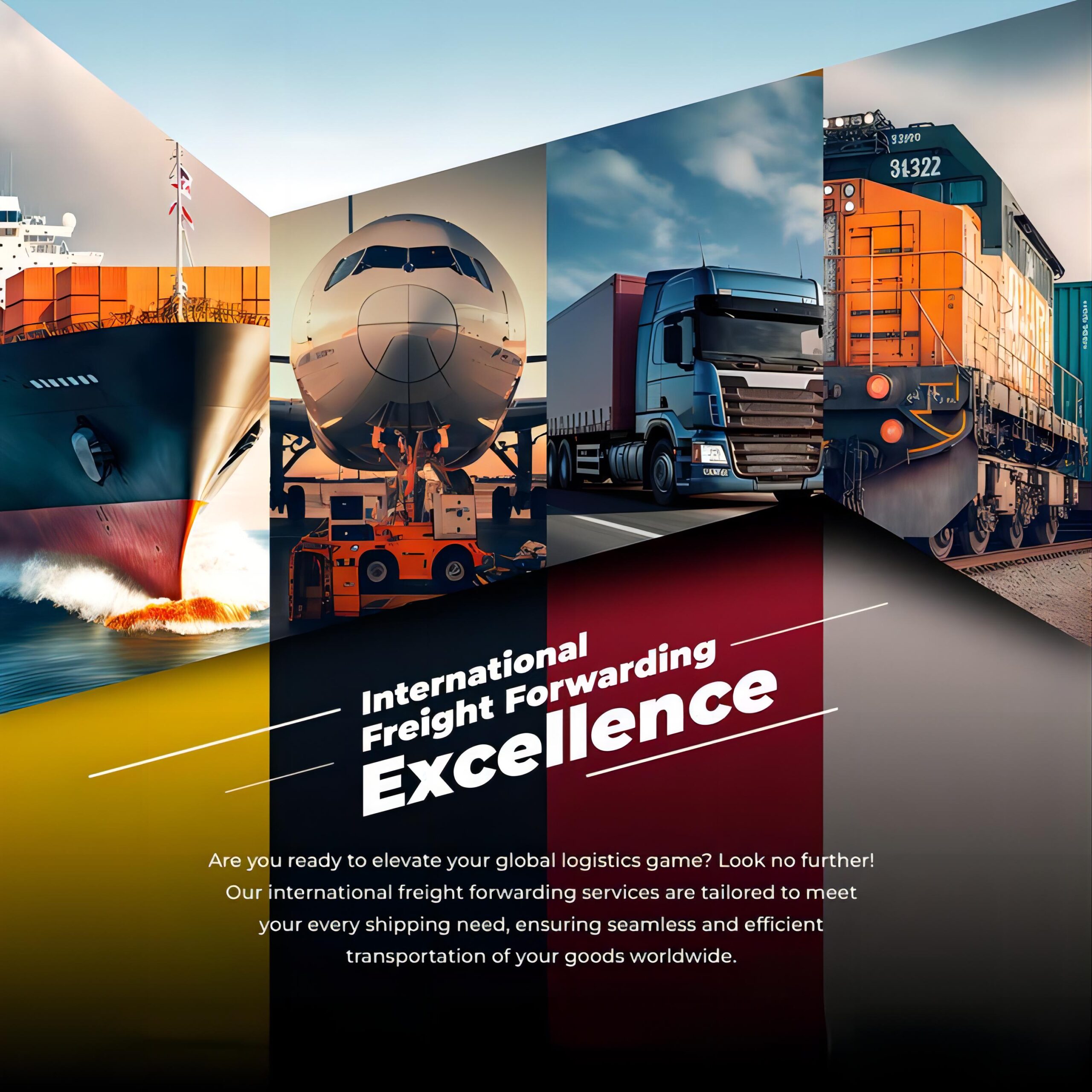
Opting for sea freight when importing electronics from China offers significant advantages, primarily cost-effectiveness for larger volumes. This method is ideal for businesses seeking to manage *shipping costs* efficiently, especially for bulk orders of consumer electronics. Furthermore, it provides the capacity to transport goods that might be too large or heavy for air freight.
Despite longer *transit times*, sea freight is a reliable choice for less time-sensitive electronics. It helps optimize your *supply chain management electronics* by allowing for strategic inventory planning. Indeed, for many businesses, the economic benefits outweigh the extended *delivery timeline electronics sea freight*.

Understanding Electronics Sea Freight Costs and Transit Times
Accurately estimating *ocean freight rates for electronics* is crucial for budgeting and profitability. Various elements contribute to the total shipping expense. Moreover, understanding the duration of transit is equally important for effective planning and customer communication.
Key Cost Factors
Several factors directly influence the *cost of shipping electronics from China by sea*. These include the volume (whether Full Container Load – FCL or Less than Container Load – LCL), the specific origin and destination ports, and current fuel surcharges. Additionally, terminal handling charges, customs duties, and insurance premiums all add to the final cost. Therefore, a comprehensive quote is essential.
| Cost Factor | Description | Impact |
|---|---|---|
| Cargo Volume | FCL vs. LCL | Determines container space utilization |
| Route & Distance | Origin to Destination Ports | Longer distances mean higher base rates |
| Fuel Surcharges | Bunker Adjustment Factor (BAF) | Fluctuates with global oil prices |
| Port Charges | Terminal Handling, Wharfage | Fees levied by ports at both ends |
| Customs & Duties | Import Taxes, Brokerage Fees | Mandatory charges for international trade |
Typical Transit Times
The *delivery timeline electronics sea freight* varies significantly based on the route and service. For instance, shipments from major Chinese ports to the US West Coast might take 15-25 days, whereas routes to the East Coast or Europe could extend to 30-45 days. Port congestion, weather conditions, and customs clearance procedures can further impact these estimates. Hence, flexibility in planning is advised.

Navigating Documentation and Ensuring Safe Handling
Successful *electronics sea freight from China* relies heavily on accurate documentation and robust packaging. Failing in either aspect can lead to delays, damage, or increased costs. Consequently, meticulous attention to detail is paramount for smooth international shipping.
Essential Export Documents
To comply with *electronics import regulations China* and destination country rules, several documents are mandatory. These typically include a Commercial Invoice, Packing List, and a Bill of Lading. Furthermore, product-specific certifications like CE (for Europe) or FCC (for the US) are often required. Preparing these documents accurately streamlines *customs clearance for electronics China*.
| Document | Purpose | Key Information |
|---|---|---|
| Commercial Invoice | Proof of sale, customs valuation | Product description, value, terms of sale |
| Packing List | Details of cargo contents | Quantity, weight, dimensions, packaging details |
| Bill of Lading (B/L) | Contract of carriage, title to goods | Shipper, consignee, carrier, port details |
| Certifications (CE/FCC) | Product compliance | Safety and environmental standards adherence |
Packaging and Insurance for Electronics
Proper *packaging requirements for electronics sea shipping* cannot be overstated. Electronics are sensitive to shock, vibration, and moisture. Therefore, robust cushioning, anti-static materials, and desiccant packs are essential. Moreover, securing *insurance for electronics sea freight* is a wise investment, protecting against unforeseen damages or loss during transit.
Case Study 1: Large-Scale Consumer Electronics Import
A US-based retailer needed to import 2000 units of smart home devices from Shenzhen, China, to Los Angeles, USA. Given the volume and product value, FCL was the optimal choice for efficiency and security. This allowed for dedicated container space and faster loading/unloading.
Details of the Shipment
| Aspect | Detail |
|---|---|
| Origin | Shenzhen, China |
| Destination | Los Angeles, USA |
| Cargo Type | 2000 Smart Home Devices (consumer electronics) |
| Container Size | 1 x 40ft HQ (High Cube) |
| Shipping Method | FCL Sea Freight |
| Transit Time | 22 days |
| Estimated Cost | $4,800 (port-to-port) |
Case Study 2: Optimizing Small-Batch Electronics Shipments
A startup in Germany required 500 units of a new electronic gadget from Shanghai, China, to Hamburg, Germany. As the volume didn’t justify a full container, LCL was chosen. This allowed them to manage *shipping consumer electronics from China* without incurring FCL costs, consolidating their cargo with other shipments.
Details of the Shipment
| Aspect | Detail |
|---|---|
| Origin | Shanghai, China |
| Destination | Hamburg, Germany |
| Cargo Type | 500 Electronic Gadgets |
| Volume | 5 CBM (Cubic Meters) |
| Shipping Method | LCL Sea Freight |
| Transit Time | 35 days |
| Estimated Cost | $1,200 (port-to-port) |
Selecting the Right Freight Forwarder for Your Electronics
Choosing a *reliable sea freight forwarder China electronics* is paramount for a smooth import process. Look for a partner with proven experience in handling sensitive electronics and a strong network in China. They should offer comprehensive *logistics solutions for electronics*, including warehousing and distribution if needed. Indeed, their expertise can significantly mitigate risks.
A good freight forwarder will provide transparent pricing, clear communication, and robust *tracking electronics shipments from China*. They will also assist with *customs clearance for electronics China* and offer advice on *import duties electronics China*. Ultimately, their support ensures your goods arrive safely and efficiently.
Conclusion
Successfully managing *electronics sea freight from China* involves understanding various factors, including costs, transit times, and complex regulations. By prioritizing proper documentation, secure packaging, and choosing a knowledgeable freight forwarder, businesses can optimize their *supply chain management electronics*. This approach ensures efficient, cost-effective, and safe delivery of valuable goods.
Ultimately, partnering with an experienced logistics provider like Top China Freight simplifies the entire process. This allows you to focus on your core business, confident that your *shipping consumer electronics from China* are in expert hands.
Ready to streamline your logistics?
Ready to streamline your electronics imports? Contact Top China Freight today for a customized quote and expert guidance on your next sea freight shipment. Let us handle the complexities, ensuring your electronics arrive safely and on time.
Request Quote