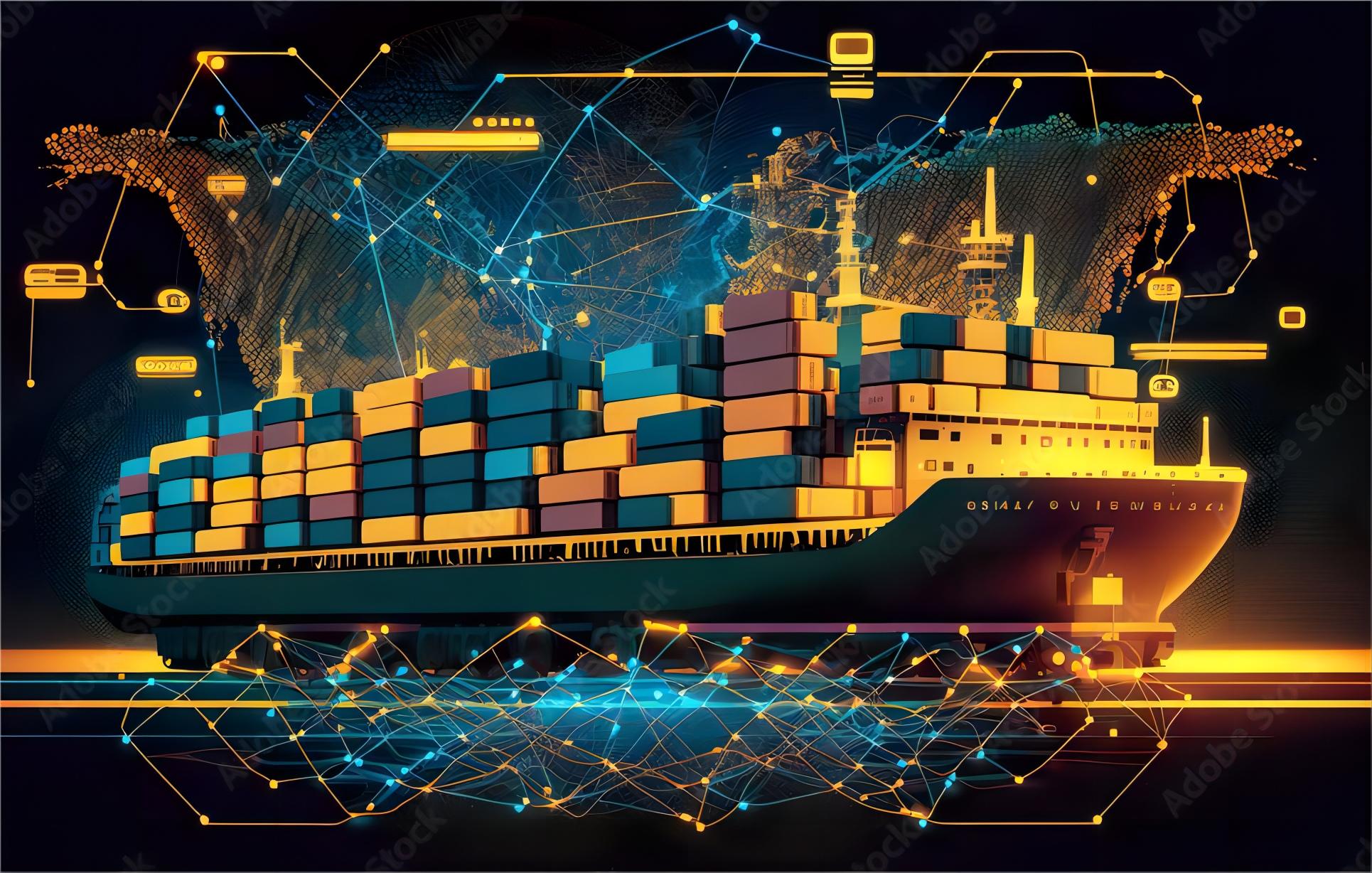
Streamlining Logistics: Leveraging China Europe Rail for Efficient China to Japan Shipments
Navigating the complexities of international freight from China to Japan often presents a dilemma between speed and cost. While direct sea or air routes are common, integrating elements of the robust China Europe Rail network offers a unique, efficient alternative for specific cargo types. This innovative approach can significantly streamline your supply chain, providing a competitive edge for businesses. We delve into how this intermodal strategy can benefit your shipments, connecting China via rail to Japan.

Understanding the China Europe Rail Network’s Reach for Japan-Bound Cargo
The China Europe Rail, often known as the ‘New Silk Road’, primarily connects China’s inland cities with Europe. However, its extensive network within China is crucial for optimizing domestic logistics, making it relevant for cargo ultimately destined for Japan. This rail system efficiently moves goods from manufacturing hubs in central and western China to major eastern coastal ports.
Consequently, for many shippers, this network acts as a vital land bridge, significantly reducing transit times compared to traditional trucking over long distances. It seamlessly integrates into a broader multimodal strategy, where rail handles the continental leg before transitioning to sea freight for the final journey to Japan. This combined approach offers a balanced solution for various cargo types.
Optimizing Transit Times: Rail-Sea Multimodal from China to Japan
Leveraging China Europe Rail infrastructure for the initial leg of a China to Japan shipment can lead to notable time savings. For instance, cargo originating from inland Chinese cities like Chongqing or Chengdu can reach coastal ports much faster by rail than by road. This expedited domestic transit directly impacts the overall delivery schedule.
Upon arrival at a major port such as Shanghai or Ningbo, the cargo is then seamlessly transferred to sea vessels bound for Japan. This intermodal transport strategy combines the speed of rail for the long overland haul with the cost-effectiveness of sea freight for the international leg. Therefore, businesses can achieve faster door-to-door delivery without solely relying on expensive air freight.
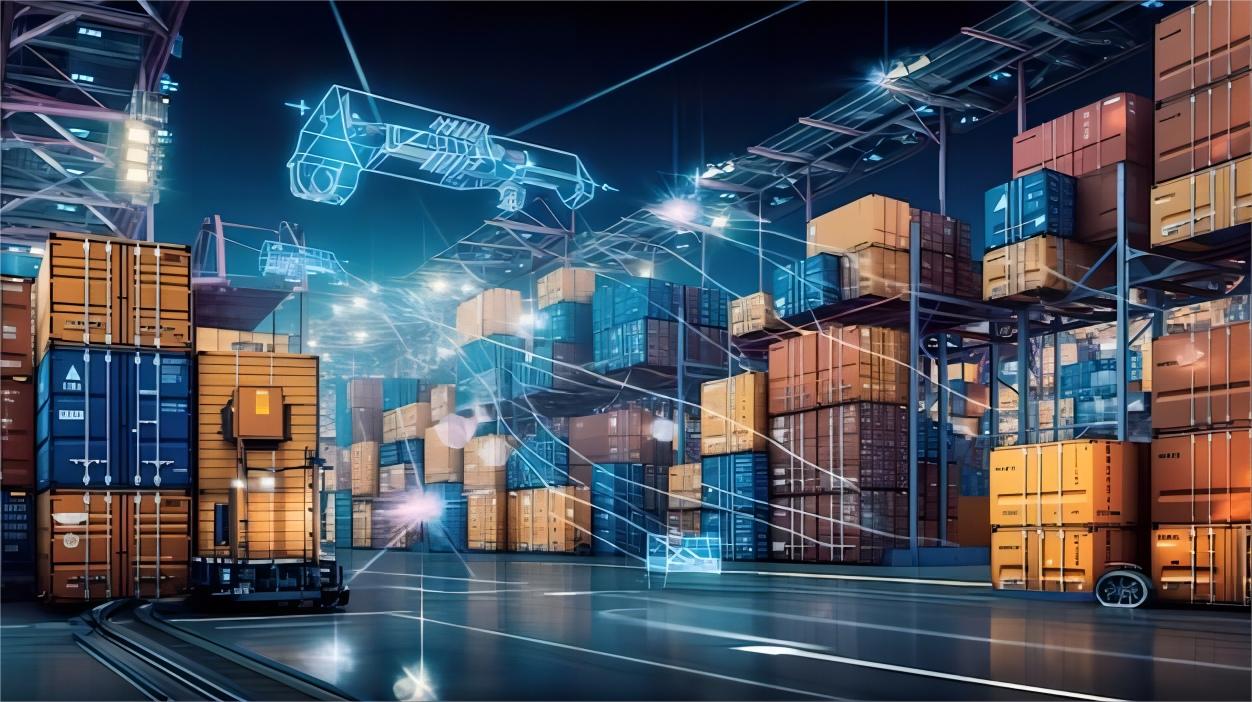
Are There Cost Advantages for China to Japan Shipments via Rail-Sea?
While direct China Europe Rail to Japan isn’t a single route, integrating rail into a multimodal solution can offer significant cost advantages. Compared to air freight, a rail-sea combination is considerably more economical, especially for bulkier or less time-sensitive goods. It bridges the gap between slow, cheap sea freight and fast, expensive air freight.
Moreover, this approach can reduce warehousing costs by optimizing the supply chain and ensuring a more predictable delivery schedule. Businesses can better manage inventory, thereby lowering overall logistics expenses. This makes it an attractive option for companies looking for cost-effective shipping solutions Asia.
Key Logistics Considerations for China Europe Rail to Japan Multimodal Transport
When planning a multimodal shipment involving China Europe Rail and subsequent sea transport to Japan, several factors require careful consideration. Firstly, cargo type is crucial; hazardous materials or extremely fragile goods may have specific limitations. Secondly, customs clearance procedures in both China and Japan must be meticulously handled to avoid delays.
Furthermore, selecting reliable freight forwarding partners with expertise in both rail and sea logistics is paramount. They can manage transshipment points efficiently and provide end-to-end visibility. Understanding the full import/export process and potential logistics trends is vital for successful supply chain optimization.
Case Study: Electronics from Chongqing to Tokyo
A major electronics manufacturer in Chongqing, China, needed to ship a batch of high-value components to their assembly plant in Tokyo, Japan. Direct sea freight was too slow, and air freight was prohibitively expensive for the volume. They opted for a multimodal solution leveraging the China Europe Rail network.
The components traveled by rail from Chongqing to Shanghai, significantly cutting the domestic transit time. From Shanghai, they were loaded onto a container vessel for a swift sea journey to Tokyo. This strategy resulted in a total transit time of approximately 12-14 days, a substantial improvement over pure sea freight (20-25 days) and a 40% cost saving compared to air freight. This demonstrates the practical benefits of such an intermodal route.
| Shipping Method | Transit Time (China to Japan) | Estimated Cost (Relative) |
|---|---|---|
| Pure Sea Freight | 20-25 days | Low |
| Rail-Sea Multimodal | 12-14 days | Medium |
| Air Freight | 3-5 days | High |
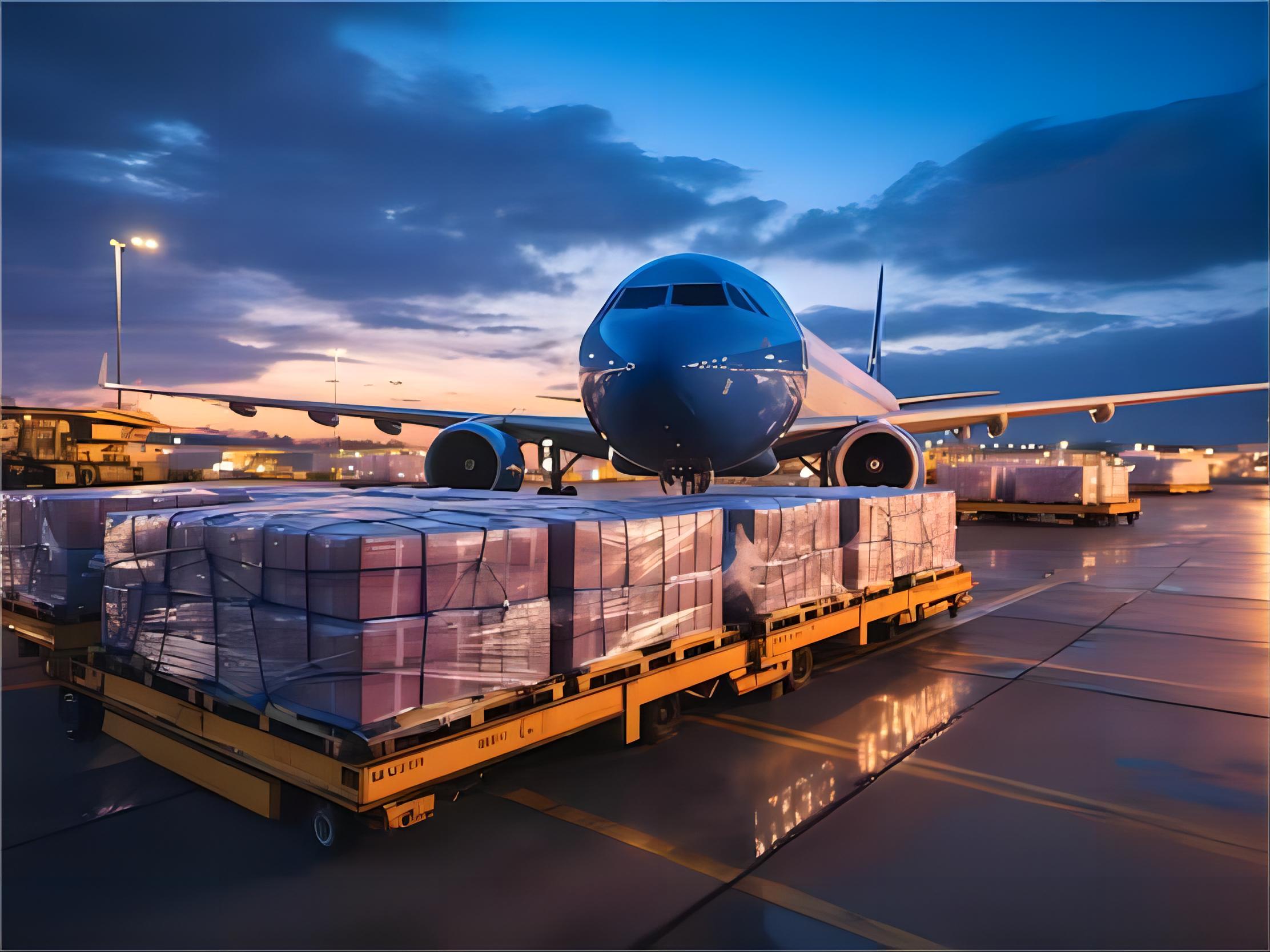
Enhancing Your China to Japan Supply Chain with Smart Logistics
While the China Europe Rail primarily serves the Eurasian land bridge, its robust infrastructure within China offers remarkable potential for optimizing routes from China to Japan. By integrating rail with sea freight, businesses can achieve a compelling balance of speed, cost-effectiveness, and reliability.
This multimodal approach is a strategic advantage for shippers seeking efficient cargo routes and better control over their delivery schedule. Explore these innovative shipping costs and transit time solutions to elevate your import/export operations.
Start Your Shipment
Ready to optimize your China to Japan supply chain with efficient multimodal solutions? Contact Top China Freight today for a personalized quote and expert guidance on leveraging the China Europe Rail network for your cargo. Our team is prepared to provide seamless logistics services tailored to your specific needs.