
Textiles Sea Freight China to Europe: Guide & Rates
Shipping textiles from China to Europe presents a significant logistical challenge for many businesses. Consequently, understanding the intricacies of textiles sea freight China to Europe is crucial for efficient supply chain management. This comprehensive guide will illuminate the process, costs, and best practices, ensuring your textile imports arrive smoothly and cost-effectively.
Why Choose Textiles Sea Freight China to Europe?
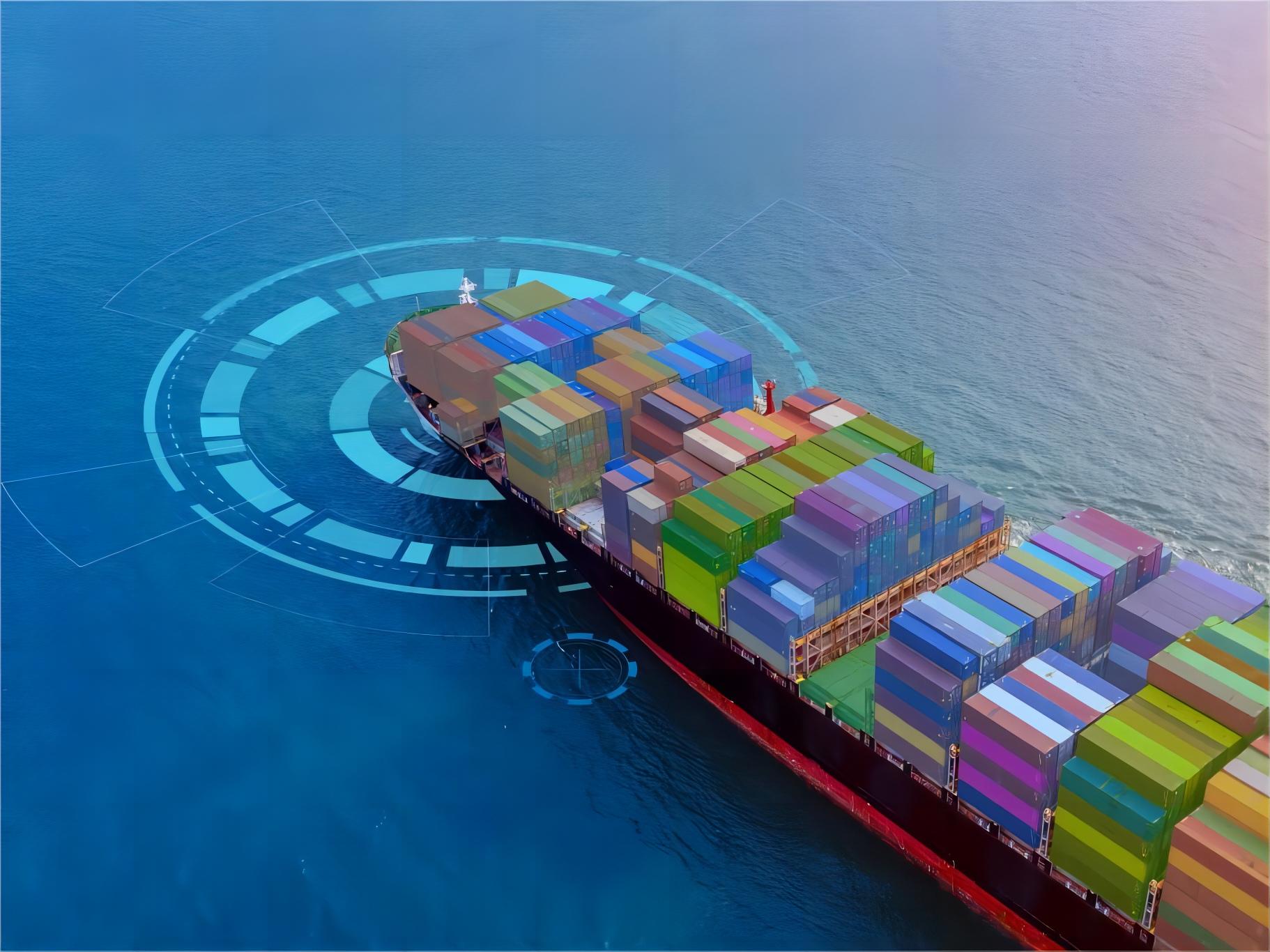
Opting for sea freight when importing textiles from China to Europe offers numerous advantages. This method is often the most economical choice, especially for large volumes of goods. Furthermore, it supports sustainable logistics practices due to its lower carbon footprint per ton-mile compared to air transport.
Conversely, while transit times are longer, the cost savings can be substantial. Businesses prioritize sea freight for its capacity to handle bulk shipments, ensuring a steady flow of inventory. Consequently, it becomes a cornerstone for many fashion and textile supply chains.
Cost-Effectiveness for Bulk Shipments
Sea freight undeniably provides the most budget-friendly option for textiles sea freight China to Europe. Shipping costs per unit decrease significantly with larger volumes. Therefore, it is ideal for businesses importing substantial quantities of fabrics, garments, or raw materials.
Moreover, these lower freight rates allow companies to maintain competitive pricing in the European market. This financial advantage is a primary reason for its widespread adoption in the textile industry.
Unmatched Capacity and Volume
Container ships boast immense carrying capacity, accommodating thousands of containers. This makes them perfect for transporting textiles in bulk, from rolls of fabric to finished apparel. Indeed, no other mode of transport can match this scale.
Consequently, businesses can consolidate larger orders, reducing the frequency of shipments. This consolidation helps streamline inventory management and minimizes administrative overhead.
Environmental Sustainability Benefits
Shipping by sea generally has a lower environmental impact per ton of cargo than air freight. As a result, many companies are increasingly choosing sea freight to meet their sustainability goals. This aligns with growing consumer demand for eco-friendlier supply chains.
Furthermore, reducing carbon emissions contributes positively to a brand’s corporate social responsibility profile. Therefore, sea freight is a strategic choice for businesses committed to sustainable practices.
Understanding the Textiles Sea Freight Process
Navigating the sea freight process from China to Europe involves several critical stages. Each step requires meticulous planning and coordination. Understanding these phases ensures a smoother import experience and helps mitigate potential delays.
From booking your cargo to final delivery, a clear overview of the process is essential. This knowledge empowers businesses to manage their textile logistics effectively.
Booking and Documentation
The journey begins with booking your shipment with a reliable freight forwarder. Crucial documents like the Bill of Lading, commercial invoice, and packing list are prepared. These documents are vital for customs clearance and cargo tracking.
Furthermore, accurate documentation prevents costly delays at both origin and destination ports. Therefore, attention to detail at this stage is paramount for successful textile imports.
Cargo Preparation and Loading
Once booked, your textile cargo undergoes proper packaging and labeling. It is then transported to the port of loading in China. Here, it is consolidated into containers, either as Full Container Load (FCL) or Less than Container Load (LCL).
Proper loading techniques are essential to prevent damage during transit. Moreover, security checks are performed to ensure compliance with international shipping regulations.
Ocean Transit and Tracking
The container ship then embarks on its journey across the ocean to Europe. Sea transit times typically range from 28 to 35 days for direct routes. Modern tracking systems allow you to monitor your shipment’s progress in real-time.
Indeed, continuous visibility provides peace of mind and enables proactive planning for arrival. Unexpected delays, however, can occur due to weather or port congestion, necessitating flexible planning.
Customs Clearance in Europe
Upon arrival at a European port, your textile shipment must undergo customs clearance. This involves submitting all necessary import declarations and paying applicable duties and taxes. A professional customs brokerage service can greatly streamline this complex step.
Consequently, efficient clearance minimizes delays and ensures timely onward delivery. Non-compliance, on the other hand, can lead to significant fines and storage fees.
Key Factors Influencing Textiles Sea Freight Costs
Understanding the various components of shipping costs is vital for budgeting and optimizing your textiles sea freight China to Europe. Several factors contribute to the overall freight rates. These include the type of container, origin and destination charges, and fluctuating market conditions.
Moreover, fuel surcharges and seasonal demand can significantly impact the final price. Therefore, a comprehensive analysis of these elements is crucial for accurate financial planning.
Freight Rates and Surcharges
The base ocean freight rate is determined by factors like cargo volume, weight, and the chosen route. However, various surcharges are added, such as Bunker Adjustment Factor (BAF) for fuel and Currency Adjustment Factor (CAF). These can fluctuate significantly.
Furthermore, Peak Season Surcharges (PSS) are common during busy periods like before holidays. Therefore, securing quotes in advance helps mitigate unexpected cost increases for your textile logistics.
Container Type: FCL vs LCL for Textiles
The choice between Full Container Load (FCL) and Less than Container Load (LCL) profoundly impacts shipping costs. FCL is generally more cost-effective for larger textile volumes, offering dedicated container space. Conversely, LCL is suitable for smaller shipments, where your cargo shares container space with others.
Indeed, LCL involves consolidation and deconsolidation fees, which can add to the per-unit cost. Selecting the right option depends on your cargo size and urgency.
For example, a 40HQ container typically costs less per CBM than multiple LCL shipments.
| Container Type | Description | Best For | Cost Implication |
|---|---|---|---|
| FCL (Full Container Load) | Exclusive use of a 20GP, 40GP, or 40HQ container. | Large volumes (over 15-20 CBM), dedicated textile shipments. | Lower per-unit cost, faster transit than LCL. |
| LCL (Less than Container Load) | Sharing container space with other shippers’ cargo. | Smaller textile volumes (under 15 CBM), samples, non-urgent goods. | Higher per-unit cost, potential for longer transit due to consolidation. |

Origin and Destination Charges
Beyond ocean freight, both origin and destination ports incur various charges. Origin charges include terminal handling, documentation, and drayage to the port. Similarly, destination charges cover terminal handling, customs inspection, and local delivery.
These charges, often referred to as local charges, can add a substantial amount to the total landed cost. Therefore, it is important to obtain a detailed breakdown from your freight forwarder.
Duties, Taxes, and Customs
Importing textiles into Europe necessitates paying applicable customs duties and Value Added Tax (VAT). These rates vary based on the specific type of textile product and its Harmonized System (HS) code. Accurate classification is crucial to avoid penalties.
Moreover, understanding EU import regulations and potential free trade agreements can help optimize these costs. Seeking expert advice on these matters is highly recommended for textile imports.
Typical Transit Times for China to Europe
When planning textiles sea freight China to Europe, transit time is a critical consideration. While sea freight is cost-effective, it is also the slowest shipping method. Understanding typical durations helps manage expectations and supply chain schedules.
However, various factors can influence these timelines, from port congestion to carrier routes. Therefore, flexible planning is essential for successful textile logistics.
Note: Freight rates are subject to change based on fuel costs, carrier capacity, and seasonal demand. Contact us for a current quote tailored to your specific shipment.
Major Port Routes and Durations
Direct routes from major Chinese ports like Shanghai, Ningbo, and Shenzhen to European hubs such as Rotterdam, Hamburg, and Felixstowe typically take 28-35 days. Transshipment routes, involving a stop at an intermediate port, can extend this to 35-45 days. Choosing a direct service often saves time.
Indeed, specific carrier schedules and vessel speed also play a role in overall transit time. Therefore, reviewing detailed sailing schedules is advisable.
Impact of Peak Seasons and Congestion
Peak shipping seasons, often before major holidays or during Q3/Q4, can significantly lengthen transit times. Port congestion in both China and Europe can lead to vessel delays. These delays are beyond the control of freight forwarders.
Consequently, planning textile shipments well in advance during these periods is crucial. Building buffer time into your delivery schedule helps account for unforeseen circumstances.
Expedited Sea Services
Some carriers offer expedited sea services, sometimes referred to as ‘fast boat’ options. These services aim to reduce transit times by a few days compared to standard services. However, they come at a premium price.
Furthermore, while faster, they are still considerably slower than air freight. Therefore, they represent a middle ground for businesses needing a slight speed advantage without the high cost of air transport.
How Does Textiles Sea Freight Compare to Other Shipping Options?
Choosing the right shipping method for textiles from China to Europe depends on a balance of cost, speed, and cargo characteristics. While sea freight excels in cost-efficiency for bulk, alternative methods offer different advantages. Understanding these differences is key to optimizing your supply chain.
This comparison will help you make informed decisions for your textile imports.
Note: Freight rates are subject to change based on fuel costs, carrier capacity, and seasonal demand. Contact us for a current quote tailored to your specific shipment.
| Shipping Method | Cost Range (40HQ) | Transit Time | Best For | Limitations |
|---|---|---|---|---|
| Sea Freight (FCL) | $3,000-4,200 | 28-35 days | Large volumes, cost-sensitive, non-urgent textiles | Slowest, potential port congestion |
| Sea Freight (LCL) | $50-80/CBM | 35-45 days | Smaller volumes, cost-sensitive textiles | Slower than FCL, consolidation delays |
| Rail Freight | $6,000-9,000 | 18-25 days | Mid-size volumes, faster than sea, cheaper than air | Limited routes, weather impacts, less capacity |
| Air Freight | $15,000-25,000 | 5-7 days | Urgent, high-value, small textile volumes | Very high cost, environmental impact, volume restrictions |

Air Freight for Urgency
When speed is paramount, air freight is the undisputed choice for textiles. It offers transit times of 5-7 days, making it ideal for urgent fashion collections or samples. However, the cost is significantly higher than sea freight.
Conversely, air freight is typically limited by cargo weight and volume. Therefore, it is best reserved for high-value, low-volume, or time-sensitive textile shipments. For example, a new collection launch might justify the higher cost.
Rail Freight for Balance
Rail freight presents a compelling middle-ground solution between sea and air for China to Europe routes. Transit times are generally 18-25 days, faster than sea but slower than air. Moreover, it is more cost-effective than air freight but pricier than sea.
This method is particularly suitable for mid-sized textile volumes that require a quicker delivery than sea freight. The New Silk Road railway network provides reliable and increasingly popular routes for rail freight.
Indeed, it offers a good balance of speed, cost, and environmental impact.
Hybrid Solutions
For specific needs, hybrid solutions can be explored. For instance, a sea-air combination might involve shipping textiles by sea to a hub like Dubai, then by air to Europe. This strategy can reduce overall transit time compared to pure sea freight while being cheaper than pure air.
Furthermore, such bespoke logistics solutions can be tailored to meet unique supply chain demands. This approach provides flexibility for managing textile delivery schedules.
Which Option Should You Choose?
Your decision framework should consider several key criteria. If budget is your priority and urgency is low, sea freight is the clear winner for textiles. For instance, large-scale fabric imports fit this category.
However, if speed is paramount for a new fashion line, air freight is recommended. Rail freight offers a balanced approach for mid-range urgency and cost. Ultimately, the best choice aligns with your specific textile import requirements and business strategy.
Navigating Customs and Compliance for Textile Imports
Importing textiles into Europe involves strict customs regulations and compliance requirements. Navigating these complexities successfully is essential to avoid delays and penalties. Proper documentation and understanding of EU laws are critical.
Therefore, engaging with experts in customs brokerage can significantly ease this process for your textiles sea freight China to Europe.
Required Documentation
A comprehensive set of documents is required for customs clearance. This includes the commercial invoice, packing list, Bill of Lading, and Certificate of Origin. Additionally, specific textile products may require further certificates, such as those related to safety or material composition.
Indeed, any discrepancies in these documents can lead to significant delays and storage costs. Therefore, meticulous preparation is non-negotiable for smooth import operations.
EU Import Regulations and Standards
The European Union has stringent regulations for textile imports, covering aspects like product safety, labeling, and environmental standards. Textiles must comply with REACH regulations concerning chemical substances. Furthermore, labeling must meet EU requirements for fiber composition and care instructions.
Non-compliance can result in goods being detained, rejected, or even destroyed. Therefore, ensuring your Chinese suppliers adhere to these standards is paramount for successful textile imports.
Tariffs and HS Codes for Textiles
Every textile product is assigned a Harmonized System (HS) code, which determines the applicable import tariffs and duties. Correctly identifying the HS code is crucial for accurate duty assessment. Misclassification can lead to incorrect duty payments or customs audits.
Moreover, certain textiles may benefit from preferential tariff rates under trade agreements between the EU and other countries. Consulting a customs expert can help optimize these costs for your textile shipments.
Real-World Scenarios: Textiles Sea Freight China to Europe
Examining actual case studies provides practical insights into the complexities and solutions for textiles sea freight from China to Europe. These examples illustrate how different cargo types and logistical needs are addressed. They highlight the importance of strategic planning and expert execution.
These scenarios are based on typical rates as of early 2025, providing a realistic perspective.
Case Study 1: Large Volume Garment Import
This case involved a European fashion retailer importing a large quantity of finished garments. The primary goal was cost efficiency for their seasonal collection. Therefore, sea freight was the optimal choice for this substantial order.
Careful planning ensured smooth customs clearance and timely delivery, despite the longer transit time. This strategy allowed the retailer to maintain healthy profit margins.
| Detail | Description |
|---|---|
| Route | Shanghai, China Hamburg, Germany |
| Cargo | Finished garments, 65 CBM, 10,000 kg |
| Container | 40HQ |
| Shipping Details | Carrier: COSCO, Port of Loading: Shanghai, Port of Discharge: Hamburg, Route Type: Direct |
| Cost Breakdown | Ocean Freight: $3,800, Origin Charges: $450, Destination Charges: $550, Customs & Duties (estimated): $1,200, Total Landed Cost: $6,000 |
| Timeline | Booking to Loading: 5 days, Sea Transit: 30 days, Customs Clearance: 3 days, Total Door-to-Door: 38 days |
| Key Insight | Cost-effective for bulk, but requires careful planning for seasonal deliveries. Q4 peak season rates were 20% higher than average. |
Case Study 2: LCL Shipment for Fabric Samples
A European textile designer needed to import a small volume of unique fabric samples for new product development. Speed was not critical, but cost control was important. LCL shipping proved to be the most suitable solution for this smaller consignment.
This allowed the designer to test new materials without committing to a full container. However, the transit time was longer due to consolidation processes.
| Detail | Description |
|---|---|
| Route | Ningbo, China Rotterdam, Netherlands |
| Cargo | Fabric samples, 5 CBM, 500 kg |
| Container | LCL 5 CBM |
| Shipping Details | Carrier: Major carrier, Port of Loading: Ningbo, Port of Discharge: Rotterdam, Route Type: Transshipment via Singapore |
| Cost Breakdown | Ocean Freight: $400 ($80/CBM), Origin Charges: $150, Destination Charges: $200, Customs & Duties (estimated): $100, Total Landed Cost: $850 |
| Timeline | Booking to Loading: 7 days, Sea Transit: 35 days, Customs Clearance: 4 days, Total Door-to-Door: 46 days |
| Key Insight | Ideal for smaller, non-urgent loads, but transit time can be longer due to consolidation. Based on Q3 2024 market rates. |
Case Study 3: Seasonal Fashion Collection
This scenario involved a mid-sized fashion brand launching a new seasonal collection, requiring timely arrival for market launch. They opted for two 20GP containers to manage their inventory. Strategic planning of the delivery schedule was crucial.
Indeed, coordinating multiple containers from different suppliers ensured all items arrived together. This required proactive communication with the freight forwarder and suppliers.
| Detail | Description |
|---|---|
| Route | Shenzhen, China Felixstowe, UK |
| Cargo | New season apparel, 30 CBM, 4,500 kg |
| Container | Two 20GP containers |
| Shipping Details | Carrier: Maersk, Port of Loading: Shenzhen, Port of Discharge: Felixstowe, Route Type: Direct |
| Cost Breakdown | Ocean Freight: $4,800 ($2,400 per 20GP), Origin Charges: $600, Destination Charges: $700, Customs & Duties (estimated): $900, Total Landed Cost: $7,000 |
| Timeline | Booking to Loading: 6 days, Sea Transit: 32 days, Customs Clearance: 3 days, Total Door-to-Door: 41 days |
| Key Insight | Managing multiple containers requires precise coordination to meet market launch dates. Typical rates as of early 2025, subject to carrier capacity. |
Optimizing Your Textile Supply Chain
Efficiently managing your textile supply chain from China to Europe requires more than just choosing a shipping method. It involves strategic partnerships, technological integration, and proactive risk management. These elements collectively contribute to a robust and resilient logistics operation.
Therefore, continuous optimization is key to staying competitive in the dynamic textile market.
Choosing the Right Freight Forwarder
Partnering with an experienced freight forwarder specializing in textiles sea freight China to Europe is invaluable. They offer expertise in customs, documentation, and route optimization. Moreover, a good forwarder provides transparent communication and reliable service.
Consider their network, customer support, and ability to offer tailored door-to-door solutions. This partnership can significantly reduce stress and improve efficiency.
Leveraging Technology for Visibility
Modern logistics platforms and tracking technologies provide real-time visibility into your textile shipments. This allows for proactive problem-solving and better inventory management. Indeed, digital tools can automate documentation and streamline communication.
Furthermore, data analytics can identify bottlenecks and areas for improvement in your supply chain. Therefore, investing in technology is a smart move for long-term efficiency.
Risk Management and Insurance
Despite careful planning, shipping risks such as cargo damage, loss, or delays can occur. Implementing a robust risk management strategy is crucial. This includes obtaining comprehensive cargo insurance to protect your textile investments.
Moreover, diversifying suppliers and routes can mitigate dependency risks. Consequently, proactive measures safeguard your business against unforeseen disruptions in the global supply chain.
Conclusion: Mastering Your Textiles Sea Freight from China to Europe
Successfully navigating textiles sea freight from China to Europe requires a deep understanding of costs, transit times, and regulatory compliance. While challenges exist, the cost-effectiveness and capacity of sea freight make it an indispensable choice for many businesses. By partnering with a knowledgeable freight forwarder and embracing strategic planning, you can ensure your textile imports are efficient and reliable.
Indeed, continuous optimization of your supply chain, coupled with informed decision-making, will contribute significantly to your business’s success in the competitive European market. We are here to support your textile logistics needs every step of the way.
Get Your Shipping Quote Today
Are you ready to optimize your textiles sea freight from China to Europe? Do not hesitate to contact our expert team today for a personalized consultation. We provide tailored solutions to meet your unique shipping needs and ensure a seamless experience.
Request Quote