
Textiles Shipping from China: Your Ultimate Logistics Guide
The global textile industry heavily relies on China for sourcing, manufacturing, and distribution. Navigating the complexities of textiles shipping from China can be a daunting task for businesses worldwide. Understanding the various logistics options and regulatory requirements is crucial for a smooth and cost-effective supply chain. This comprehensive guide illuminates the path, ensuring your textile imports arrive efficiently and without unexpected hurdles.
Why is China Pivotal for Textiles Shipping?
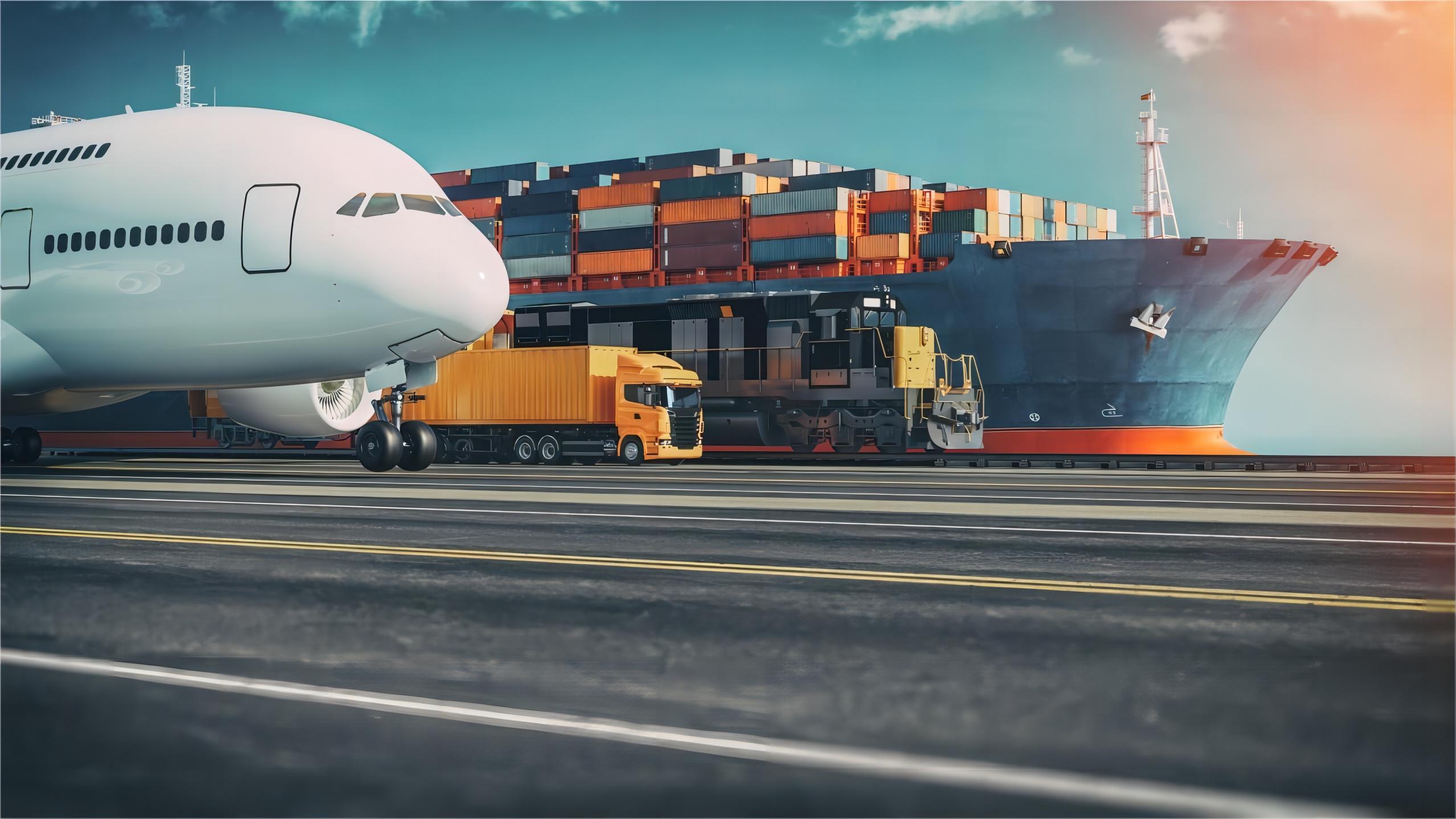
China’s unparalleled manufacturing capacity and diverse product range solidify its position as the world’s leading textile producer. Consequently, businesses globally depend on effective textiles shipping from China to maintain their inventory and meet consumer demand. This dominance extends across raw materials, finished fabrics, and ready-to-wear apparel.
Moreover, the country’s advanced infrastructure, including major ports and extensive logistics networks, significantly supports efficient global distribution. Therefore, understanding the nuances of China’s textile export ecosystem is essential for any international buyer. It allows for better planning and strategic sourcing decisions.
Furthermore, competitive pricing and continuous innovation in textile manufacturing make China an attractive hub. These factors directly influence the overall cost-effectiveness of importing. Strategic partnerships with reliable freight forwarders become paramount for managing this complex supply chain effectively.
What Are the Primary Methods for Textiles Shipping from China?
Selecting the right shipping method for textiles from China is a critical decision, balancing cost, speed, and cargo volume. Each option offers distinct advantages tailored to different business needs. Therefore, a careful evaluation of your specific requirements is always recommended.
For bulk orders and less time-sensitive shipments, sea freight remains the most economical choice. Conversely, when speed is paramount for smaller, high-value textile goods, air freight provides significantly faster transit times. Understanding these fundamental differences is key to successful textile logistics.
Additionally, rail freight offers a balanced solution for certain routes, combining reasonable costs with faster transit than sea freight. Express services are ideal for urgent samples or very small packages. Ultimately, the ‘best way to import textiles from China’ depends on your unique operational priorities and budget constraints.
| Shipping Method | Cost (per kg) | Transit Time | Best For | Limitations |
|---|---|---|---|---|
| Sea Freight (FCL/LCL) | $0.05 – $0.20 | 15-45 days | Large volumes, heavy goods, cost-effective | Slowest, port congestion risks |
| Air Freight | $4 – $8 | 3-10 days | Urgent, high-value, small volumes | Most expensive, weight/size restrictions |
| Rail Freight | $1 – $3 | 12-25 days | Europe/Central Asia, balanced speed/cost | Limited routes, customs delays |
| Express Service | $6 – $12 | 2-5 days | Samples, documents, very small packages | Highest cost, strict size/weight limits |
How Do Customs and Regulations Impact Textiles Shipping from China?
Navigating customs for textile imports from China is a complex but crucial step in the shipping process. Importers must accurately declare their goods, providing detailed information about the fabric composition, origin, and intended use. Incorrect declarations can lead to significant delays and penalties.
Moreover, understanding Harmonized System (HS) codes specific to textiles is essential for proper classification and duty calculation. These codes determine the applicable textile import duties China might impose upon arrival at the destination port. Therefore, partnering with an experienced customs brokerage service is highly advisable.
Furthermore, various countries have specific regulations concerning textile imports, including labeling requirements, anti-dumping duties, and safety standards. Compliance with these rules is non-negotiable to avoid seizures or costly re-exportation. Proactive research and expert guidance streamline this often challenging aspect of global trade.
What Factors Determine the Cost of Textiles Shipping from China?
The overall cost of shipping textiles from China is influenced by a multitude of factors, extending beyond just the freight rate. Understanding these components allows businesses to budget accurately and identify potential savings. Freight rates are subject to change based on market demand and fuel costs, necessitating regular quote comparisons.
Firstly, the choice between Full Container Load (FCL) and Less than Container Load (LCL) significantly impacts pricing. FCL is generally more cost-effective for larger volumes, while LCL suits smaller textile shipments by consolidating cargo. Accurately assessing your cargo volume is therefore vital.
Secondly, Incoterms (International Commercial Terms) define the responsibilities and costs between buyer and seller. These terms dictate who pays for insurance, customs clearance, and local transportation. Choosing the right Incoterm can optimize your landed cost. Additionally, port charges, surcharges, and destination fees contribute to the final expenditure.
Lastly, seasonal variations and global logistics trends can cause fluctuations in freight rates. For example, peak seasons often see increased demand and higher prices. Staying informed about these trends helps in making timely and cost-effective shipping decisions for your textile goods.
How Can You Optimize Your Textile Supply Chain from China?
Optimizing your textile supply chain from China involves strategic planning and efficient execution to reduce costs and improve delivery schedules. Effective inventory management, for instance, minimizes storage fees and prevents stockouts. This proactive approach ensures a smoother flow of goods.
Consolidating multiple smaller orders into a single, larger shipment can significantly reduce per-unit shipping costs. This strategy is particularly beneficial for businesses sourcing from various Chinese suppliers. Furthermore, exploring door-to-door delivery services simplifies logistics by handling the entire process from factory to warehouse.
Implementing robust risk mitigation strategies is equally important, especially concerning potential delays or quality control issues. Diversifying suppliers or having backup shipping routes can provide resilience against unforeseen disruptions. Managing textile logistics China requires a proactive and adaptable mindset. Ultimately, a streamlined supply chain enhances reliability and customer satisfaction.
Real-World Scenarios: Textiles Shipping from China
Examining actual shipping scenarios provides valuable insights into the complexities and solutions for textiles shipping from China. These case studies highlight the practical application of different shipping methods and strategic choices. They demonstrate how various factors influence overall logistics and cost-effectiveness.
Based on Q3 2024 market rates, these examples illustrate typical challenges and outcomes in international textile freight from China. Understanding these real-world applications can help businesses make more informed decisions for their own import operations. Each scenario offers unique lessons in logistics management.
Case Study 1: Large Volume Apparel to Europe
This case study showcases an efficient FCL shipment of apparel, highlighting the cost benefits for large volumes. The focus was on minimizing per-unit costs while maintaining a reasonable transit time. Effective communication with the factory and carrier was crucial for smooth execution.
| Category | Detail |
|---|---|
| Route | Ningbo, China -> Rotterdam, Netherlands |
| Cargo | Cotton apparel, 60 CBM, 9,000 kg |
| Container | 40HQ |
| Shipping Method | Sea Freight (MSC) |
| Port of Loading | Ningbo |
| Port of Discharge | Rotterdam |
| Route Type | Direct |
| Ocean Freight | $3,800 |
| Origin Charges (THC, documentation) | $450 |
| Destination Charges | $550 |
| Customs & Duties (estimated) | $600 |
| Total Landed Cost (est.) | $5,400 |
| Booking to Loading | 7 days |
| Sea Transit | 30 days |
| Customs Clearance | 4 days |
| Total Door-to-Door | 41 days |
| Key Insight | FCL offered significant cost savings for bulk apparel. Proactive customs preparation prevented delays. |
Case Study 2: Urgent Fabric Samples to USA West Coast
This example illustrates the use of air freight for time-sensitive fabric samples, prioritizing speed over cost. The client needed samples quickly for production approval. Expedited customs clearance was a key factor in the rapid delivery.
| Category | Detail |
|---|---|
| Route | Shanghai, China -> Los Angeles, USA |
| Cargo | Polyester fabric samples, 0.5 CBM, 150 kg |
| Container | Air Cargo |
| Shipping Method | Air Freight (FedEx) |
| Port of Loading | Shanghai PVG |
| Port of Discharge | Los Angeles LAX |
| Route Type | Direct |
| Air Freight | $900 |
| Origin Charges (documentation) | $80 |
| Destination Charges | $120 |
| Customs & Duties (estimated) | $50 |
| Total Landed Cost (est.) | $1,150 |
| Booking to Loading | 2 days |
| Air Transit | 4 days |
| Customs Clearance | 1 day |
| Total Door-to-Door | 7 days |
| Key Insight | Air freight was essential for meeting tight deadlines. Pre-clearance arrangements sped up customs. |
Case Study 3: Mixed Textile Goods to Australia via LCL
This case study demonstrates an LCL shipment of various textile goods, offering a cost-effective solution for smaller, consolidated orders. The challenge involved coordinating multiple suppliers for a single container. Efficient cargo handling and consolidation were crucial for success.
Typical rates as of early 2025 indicated LCL was the most viable option for this client’s volume. Careful planning ensured all items were packed and labeled correctly for customs. This approach is ideal for businesses that don’t fill a full container but still require regular shipments.
| Category | Detail |
|---|---|
| Route | Shenzhen, China -> Sydney, Australia |
| Cargo | Mixed textile goods (garments, accessories), 10 CBM, 1,200 kg |
| Container | LCL 10 CBM |
| Shipping Method | Sea Freight (Maersk) |
| Port of Loading | Shenzhen |
| Port of Discharge | Sydney |
| Route Type | Direct |
| Ocean Freight | $1,000 |
| Origin Charges (THC, documentation) | $200 |
| Destination Charges | $300 |
| Customs & Duties (estimated) | $150 |
| Total Landed Cost (est.) | $1,650 |
| Booking to Loading | 6 days |
| Sea Transit | 15 days |
| Customs Clearance | 2 days |
| Total Door-to-Door | 23 days |
| Key Insight | LCL allowed for cost-effective shipment of smaller, diverse textile orders. Consolidation saved significant freight costs. |
How Does Sea Freight Compare for Textiles Shipping from China?
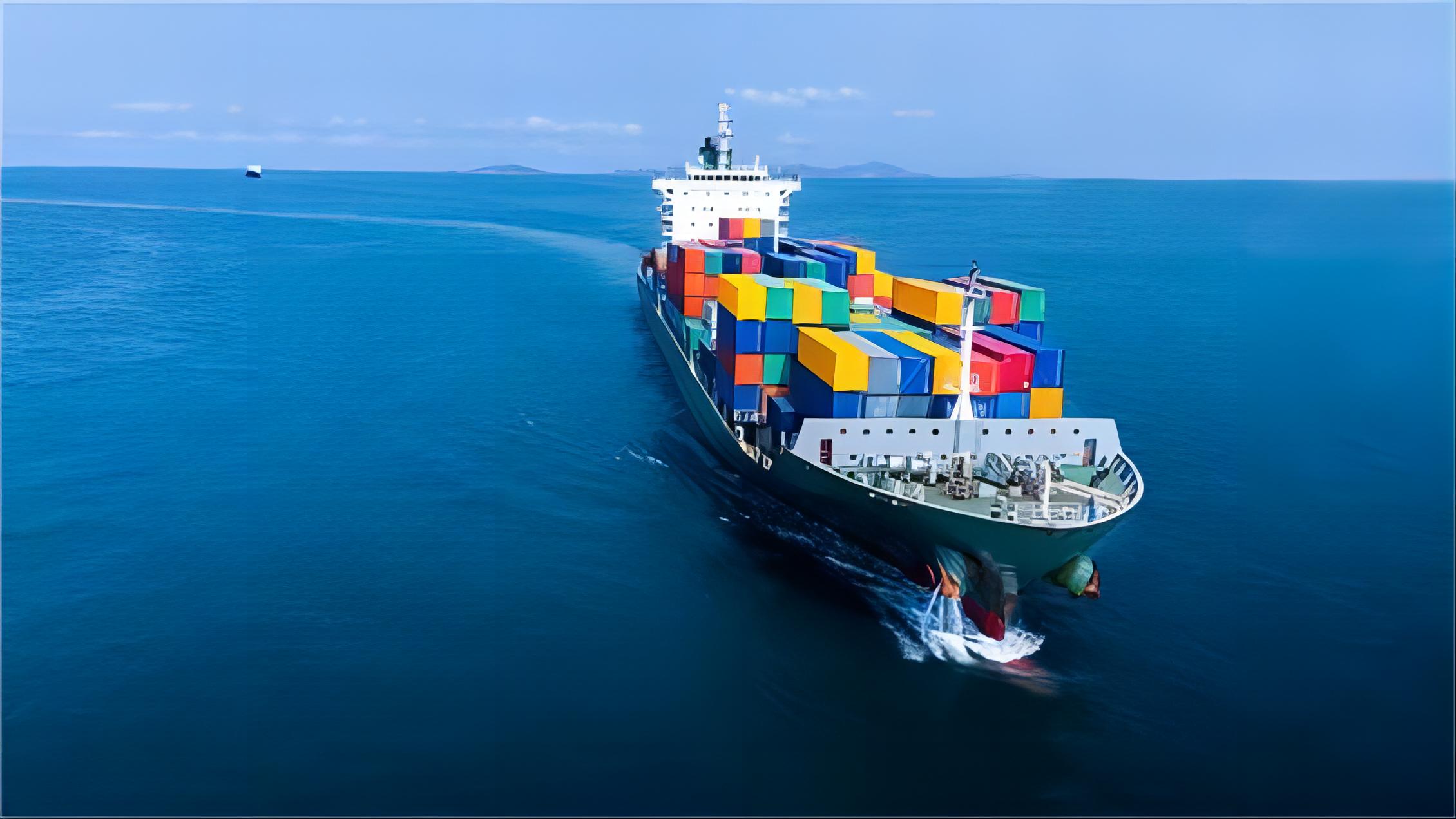
Sea freight is undoubtedly the backbone for most textiles shipping from China, especially for large-volume commercial imports. It offers the most economical rates per unit, making it ideal for businesses focused on cost efficiency. However, its slower transit times necessitate meticulous planning and longer lead times.
In contrast, air freight, while significantly faster, comes at a much higher premium. For example, while sea freight might cost $3,000-$4,200 for a 40HQ container from China to Europe, air freight for the same volume could easily reach $15,000-$25,000. This substantial cost difference makes air freight suitable only for urgent or high-value textile goods, like limited edition collections or critical samples.
Rail freight, an increasingly popular option for destinations in Europe and Central Asia, provides a middle ground. It’s faster than sea freight (12-25 days vs. 30-45 days) and more affordable than air freight. However, its geographical limitations mean it’s not a universal solution for all textiles shipping from China. Lastly, express service is reserved for extremely small, time-critical parcels, offering door-to-door delivery within days but at the highest per-kilogram rate.
Note: Freight rates are subject to change based on fuel costs, carrier capacity, and seasonal demand. Contact us for a current quote tailored to your specific shipment.
| Shipping Method | Cost Range (40HQ/100kg) | Transit Time | Best For | Limitations |
|---|---|---|---|---|
| Sea Freight (FCL) | $2,800 – $6,000 (40HQ) | 15-45 days | Bulk textile orders, cost-sensitive | Long transit, port congestion |
| Air Freight | $400 – $800 (100kg) | 3-10 days | Urgent samples, high-value fabrics | Expensive, weight/volume limits |
| Rail Freight | $100 – $300 (100kg) | 12-25 days | EU/Central Asia, balanced approach | Limited routes, infrastructure |
| Express Service | $600 – $1,200 (100kg) | 2-5 days | Small, critical documents/samples | Highest cost, strict item limits |
Which Option Should You Choose for Your Textiles Shipping?
Deciding on the optimal shipping strategy for your textiles from China requires a clear understanding of your priorities. A comprehensive decision framework helps streamline this process. Consider these key aspects to align your logistics with business goals.
If budget is your primary concern, especially for large consignments of common fabrics or apparel, sea freight (FCL or LCL depending on volume) is almost always the most cost-effective solution. While it requires patience, the savings are substantial for shipping clothing from China to USA or Europe.
Conversely, if speed is paramount for new season collections, urgent production needs, or high-fashion items, air freight is indispensable. It ensures rapid delivery, allowing you to react quickly to market trends. This method is crucial for maintaining a competitive edge.
For a balanced approach combining reasonable speed with moderate costs, particularly for shipments to Europe, rail freight offers a compelling alternative. It bridges the gap between the slowness of sea and the expense of air. Hybrid solutions, such as sea-air combinations, can also be explored for specific routes, offering a blend of cost and speed efficiency. For example, sea to Dubai, then air to Europe can cut transit time while managing costs. Ultimately, the best choice aligns with your specific cargo type, volume, and delivery schedule requirements.

Mastering Your Textiles Shipping from China
Navigating textiles shipping from China requires careful planning and a reliable logistics partner. By understanding the various shipping methods, customs requirements, and cost factors, businesses can significantly enhance their supply chain efficiency. Proactive engagement with freight forwarders ensures compliance and smooth operations.
Ultimately, successful textiles shipping from China hinges on informed decisions and strategic partnerships. Choosing the right mode of transport and an experienced logistics provider will ensure your textile goods arrive on time and within budget. This comprehensive approach is vital for long-term success in the global textile market.
Ready to streamline your logistics?
Ready to optimize your textiles shipping from China? Our expert team at Top China Freight is here to provide tailored solutions. Contact us today for a personalized quote and streamline your import process.
Request Quote