
Time to Ship Auto Parts from China to Europe: A Comprehensive Guide
“Navigating the complexities of international logistics, particularly for critical components like auto parts, can be challenging. Businesses frequently ask about the exact time to ship auto parts from China to Europe. Understanding these transit times is crucial for maintaining efficient inventory levels and meeting production schedules. This guide will explore various shipping methods, factors influencing delivery, and strategies to optimize your supply chain.”

What Influences the Time to Ship Auto Parts from China to Europe?
❖Several critical factors dictate the overall time to ship auto parts from China to Europe. Foremost among these is the chosen shipping method, which significantly impacts speed versus cost. Moreover, the specific origin and destination ports play a vital role, as direct routes are naturally faster than those involving transshipments.
Furthermore, cargo handling and customs clearance procedures can introduce unforeseen delays, particularly if documentation is incomplete. Seasonal demand, port congestion, and geopolitical events also affect transit times. Therefore, a comprehensive understanding of these elements is essential for accurate delivery schedule planning.
Exploring Shipping Methods for Auto Parts from China to Europe
❖Sea Freight: Cost-Effective for Bulk Auto Parts
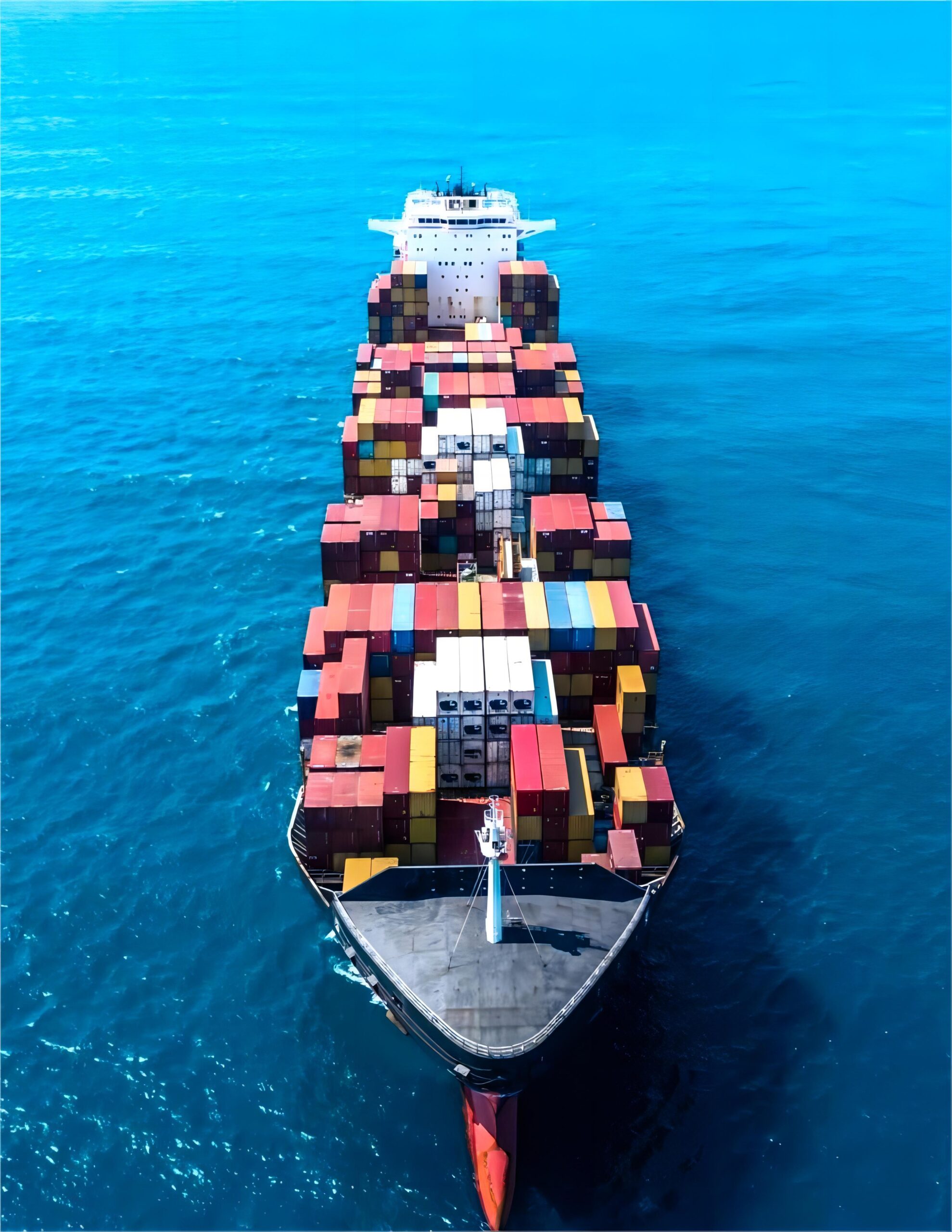
Sea freight remains the most popular option for shipping large volumes of auto parts due to its cost-effectiveness. This method is ideal for non-urgent, heavy, or bulky components. Typical transit time for sea freight from major Chinese ports to Europe ranges from 28 to 45 days, depending on the specific route and service.
However, this timeframe does not include pre-shipment preparation or post-arrival customs clearance. Consequently, businesses must factor in additional days for these processes. While slower, sea freight offers significant savings on shipping costs for substantial orders, making it a cornerstone of automotive supply chains.
Air Freight: Speed for Urgent Automotive Components
For time-critical auto parts, air freight provides the fastest transit times, typically between 3 to 7 days. This speed is invaluable for urgent replacements, production line emergencies, or high-value, lightweight components. Yet, the premium for air shipping is considerably higher than sea freight.
Consequently, businesses often reserve air freight for situations where speed outweighs shipping costs. Despite the higher expense, the rapid delivery ensures minimal disruption to production or repair schedules. This method is crucial for maintaining a responsive supply chain for sensitive automotive parts.
Rail Freight: A Balanced Option for China-Europe Auto Parts
Rail freight has emerged as a viable middle-ground for shipping auto parts from China to Europe. It offers a balance between speed and cost, with transit times generally ranging from 15 to 22 days. This makes it significantly faster than sea freight but more economical than air freight.
Furthermore, rail transport is often more environmentally friendly and less susceptible to weather delays than sea shipping. This option is increasingly favored for medium-urgency shipments that require a predictable delivery schedule without the exorbitant costs of air travel.
Express Shipping: For Small, Time-Critical Automotive Spares
For very small, lightweight, and extremely urgent auto parts, express service couriers offer unparalleled speed. These services typically deliver within 1 to 4 days, often door-to-door. This method is ideal for samples, prototypes, or emergency spare parts.
However, the cost per kilogram is the highest among all shipping methods. Therefore, its use is generally restricted to low-volume, high-value, or absolutely critical shipments where the cost is secondary to the immediate need. This ensures minimal downtime for critical automotive components.

How Do Different Shipping Methods Compare for Auto Parts from China to Europe?
❖Choosing the optimal shipping method for auto parts involves weighing various factors, including transit time, shipping costs, cargo type, and urgency. Each method presents distinct advantages and limitations that directly impact your supply chain efficiency. Therefore, a clear understanding of these differences is paramount.
Understanding these trade-offs helps businesses make informed decisions, ensuring a balance between speed, cost, and reliability. This strategic choice directly affects inventory management and overall operational expenses for importing automotive components.
| Shipping Method | Cost Range (per kg/CBM) | Transit Time (Port-to-Port) | Best For | Limitations |
|---|---|---|---|---|
| Sea Freight (FCL/LCL) | $0.05-$0.15/kg; $50-$100/CBM | 28-45 days | Large volumes, heavy/bulky parts, non-urgent shipments | Slowest, longer customs clearance |
| Air Freight | $4-$8/kg | 3-7 days | Urgent, high-value, lightweight parts, samples | Most expensive, size/weight restrictions |
| Rail Freight | $1.5-$3/kg | 15-22 days | Medium urgency, balanced cost/speed, regular shipments | Limited routes, capacity constraints |
| Express Shipping | $8-$15+/kg | 1-4 days | Small, critical, high-value items, documents | Extremely expensive for larger items, strict weight limits |
Navigating Customs and Documentation for Auto Parts to Europe
❖Proper customs brokerage and documentation are crucial for smooth importation of auto parts into Europe. Errors or omissions can lead to significant delays and additional costs. Key documents typically include the commercial invoice, packing list, bill of lading (for sea) or air waybill (for air), and certificate of origin.
Moreover, specific auto parts may require conformity certificates (e.g., CE marking) or other regulatory approvals to comply with EU standards. Engaging a knowledgeable freight forwarder can streamline this complex process. Consequently, proactive preparation of all necessary paperwork is vital to avoid customs hold-ups and ensure a predictable delivery schedule.
Strategies for Optimizing Your Auto Parts Supply Chain
❖Optimizing the door-to-door delivery of auto parts from China to Europe involves more than just selecting a shipping method. It requires a holistic approach to supply chain management. Consider consolidating smaller shipments into larger ones (LCL or FCL) to reduce per-unit costs, especially for regular orders.
Furthermore, establishing robust communication channels with suppliers and freight forwarders helps anticipate potential issues. Implementing inventory management systems can also reduce the need for costly expedited shipping. Therefore, strategic planning ensures efficient and cost-effective transport of automotive components.
Real-World Scenarios: Typical Time to Ship Auto Parts from China to Europe
❖Understanding the theoretical transit times is one thing, but real-world examples offer invaluable insight into actual delivery schedules. These case studies illustrate how different methods and cargo types influence the overall time to ship auto parts from China to Europe. They also highlight potential challenges and successful strategies.
Based on Q3 2024 market rates, these examples provide a realistic view of current logistics operations. It is important to note that actual costs and timelines can fluctuate due to market conditions, fuel surcharges, and carrier capacity.
Case Study 1: Large Volume Sea Shipment of Engine Blocks
| Detail | Value |
|---|---|
| Route | Shanghai, China Hamburg, Germany |
| Cargo | Engine blocks, 25 CBM, 18,000 kg |
| Container | 1 x 20GP |
| Shipping Details | Major carrier (e.g., COSCO), Port of Loading: Shanghai, Port of Discharge: Hamburg, Route Type: Direct |
| Cost Breakdown (Estimated) | Ocean Freight: $2,200; Origin Charges: $350; Destination Charges: $400; Customs & Duties (estimated): $800; Total Landed Cost: $3,750 |
| Timeline | Booking to Loading: 5 days; Sea Transit: 30 days; Customs Clearance: 3 days; Total Door-to-Door: 38 days |
| Key Insight | Cost-effective for heavy, non-urgent components. Early booking crucial during peak season. |

Case Study 2: Urgent Delivery of Electronic Control Units (ECUs)
| Detail | Value |
|---|---|
| Route | Shenzhen, China Frankfurt, Germany |
| Cargo | Electronic Control Units (ECUs), 1 CBM, 150 kg |
| Container | Air Cargo (Consolidated) |
| Shipping Details | Major airline (e.g., Lufthansa Cargo), Port of Loading: Shenzhen, Port of Discharge: Frankfurt, Route Type: Direct |
| Cost Breakdown (Estimated) | Air Freight: $900; Origin Charges: $120; Destination Charges: $150; Customs & Duties (estimated): $250; Total Landed Cost: $1,420 |
| Timeline | Booking to Loading: 1 day; Air Transit: 2 days; Customs Clearance: 1 day; Total Door-to-Door: 4 days |
| Key Insight | Fastest option for critical, high-value, lightweight parts. Higher cost justified by urgency. |
Case Study 3: Regular Rail Shipment of Interior Components
| Detail | Value |
|---|---|
| Route | Chongqing, China Duisburg, Germany |
| Cargo | Interior trim components, 10 CBM, 2,500 kg |
| Container | 1 x 40HQ (shared/LCL on rail) |
| Shipping Details | China-Europe Railway Express, Terminal of Loading: Chongqing, Terminal of Discharge: Duisburg, Route Type: Direct |
| Cost Breakdown (Estimated) | Rail Freight: $3,500; Origin Charges: $200; Destination Charges: $250; Customs & Duties (estimated): $600; Total Landed Cost: $4,550 |
| Timeline | Booking to Loading: 3 days; Rail Transit: 18 days; Customs Clearance: 2 days; Total Door-to-Door: 23 days |
| Key Insight | Excellent balance of cost and speed for regular, medium-urgency shipments. Predictable transit time. |
Cost-Saving Strategies and Trade-Offs for Auto Parts Shipping
❖Minimizing shipping costs without compromising delivery reliability requires strategic planning. For larger volumes or less urgent auto parts, opting for LCL (Less than Container Load) or FCL (Full Container Load) sea freight significantly reduces per-unit expenditure. However, this often means longer transit times.
Conversely, while air freight offers speed, its high cost makes it suitable only for critical, high-value, or emergency shipments. Exploring hybrid solutions, such as sea-air combinations, can offer a balance. For instance, shipping by sea to a Middle Eastern hub then air to Europe can save time over pure sea freight and cost over pure air freight.
Furthermore, consolidating multiple smaller orders into one larger shipment can reduce documentation and handling fees. Negotiating favorable terms with a reliable freight forwarder also yields significant savings. Therefore, assessing the urgency versus the budget is key to making informed decisions.
Which Shipping Option Should You Choose for Your Auto Parts?
❖Selecting the ideal method for your auto parts hinges on your specific business priorities. If budget is the primary concern and lead times are flexible, sea freight is typically the most economical choice. Conversely, when speed is paramount, particularly for production-critical components or emergency repairs, air freight becomes indispensable despite its higher cost.
For cargo that requires a good balance of both speed and cost, rail freight offers a compelling alternative. Consider the volume and type of auto parts as well; large, heavy items are best suited for sea, while small, lightweight, high-value electronics might justify air or express. Thresholds for switching methods often depend on the cost per kilogram and the impact of delayed delivery.
Market Trends and Seasonal Impacts on Auto Parts Shipping
❖Current market conditions significantly influence the time to ship auto parts from China to Europe and associated costs. As of Q1 2025, freight rates from China to Europe have largely stabilized following the 2024 Red Sea disruptions, although some volatility remains. Industry benchmarks suggest that while capacity has improved, unexpected events can still cause fluctuations.
Seasonal patterns also play a critical role; rates typically increase 15-25% during August-October peak season leading up to holidays. Furthermore, Chinese New Year celebrations often result in factory closures and port backlogs, necessitating early planning. Therefore, staying informed about logistics trends and planning ahead is essential for maintaining a resilient automotive supply chain.
Conclusion: Streamlining Your Auto Parts Shipments
Effectively managing the time to ship auto parts from China to Europe is paramount for the automotive industry. Factors like shipping method, customs, and market conditions all play a crucial role in determining overall transit times and costs. By carefully evaluating sea, air, rail, and express options, businesses can make informed decisions tailored to their specific needs.
Ultimately, leveraging expert freight forwarding services and proactive planning ensures a smoother, more predictable supply chain. This approach helps maintain inventory, meet production demands, and keep your business competitive in the fast-paced automotive sector.
Ready to streamline your logistics?
Ready to optimize the time to ship auto parts from China to Europe for your business? Partner with Top China Freight for reliable and efficient logistics solutions. Contact us today for a personalized quote and expert guidance on your next shipment.
Request Quote