
Time to Ship Machinery from China to Europe: A Comprehensive Guide
Shipping machinery from China to Europe involves intricate logistics and diverse transit times. Understanding these critical factors is essential for effective supply chain management and project planning. This guide will clarify the typical duration, methods, and key considerations for your Top China Freight shipments.
Understanding Transit Times for Machinery Shipping from China to Europe
The overall time to ship machinery from China to Europe varies significantly. Several factors influence the delivery schedule, impacting your import planning and operational timelines. Consequently, careful consideration of these elements is crucial for successful logistics.
Generally, transit times can range from a few days to over two months. This broad spectrum depends heavily on the chosen shipping method, specific origin and destination points, and current market conditions. Thus, understanding these variables is paramount.
Factors Influencing Shipping Duration
Indeed, multiple elements can affect how long it takes to ship industrial equipment. These include the shipping method, route complexity, customs clearance procedures, and potential port congestion.
Moreover, seasonal peaks, such as Chinese New Year or holiday seasons, can extend transit times. Furthermore, the type of machinery and its dimensions also influence handling and loading processes. Therefore, planning ahead is always advisable.
Key Shipping Methods: Sea, Air, and Rail Freight
Choosing the right shipping method is fundamental for balancing speed, cost, and capacity when moving heavy goods from Asia to Europe. Each option offers distinct advantages and trade-offs. Therefore, assessing your specific needs is key.
Sea Freight for Heavy Machinery
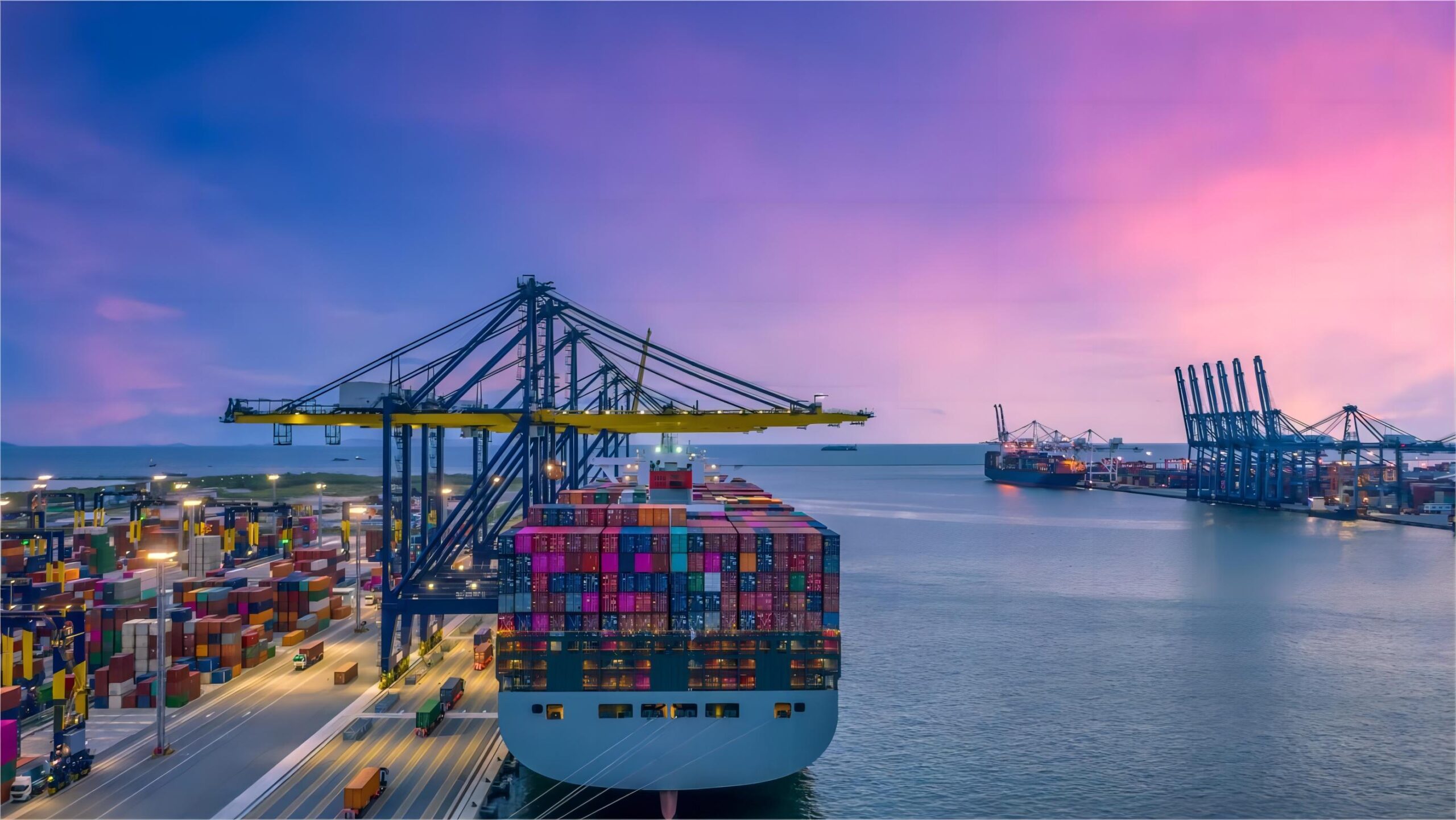
Sea freight remains the most common and cost-effective method for shipping large equipment from China. It is ideal for non-urgent, high-volume, or oversized cargo. Transit time for sea freight from China to Europe typically ranges from 28 to 45 days, port-to-port.
Additionally, options like Full Container Load (FCL) or Less than Container Load (LCL) are available for varying cargo sizes. For instance, FCL is best for larger shipments, while LCL suits smaller volumes. Consider sea freight for robust and economical transport.
Air Freight for Urgent Shipments
When speed is the highest priority, air freight is the fastest way to ship machinery to Europe. This method can reduce transit times to as little as 3-7 days. However, it comes with a significantly higher shipping cost.
Air freight is particularly suitable for high-value, time-sensitive, or smaller machinery components. Consequently, it minimizes downtime and accelerates project timelines. Explore air freight for expedited machinery shipping to Europe.
Rail Freight: A Balanced Option
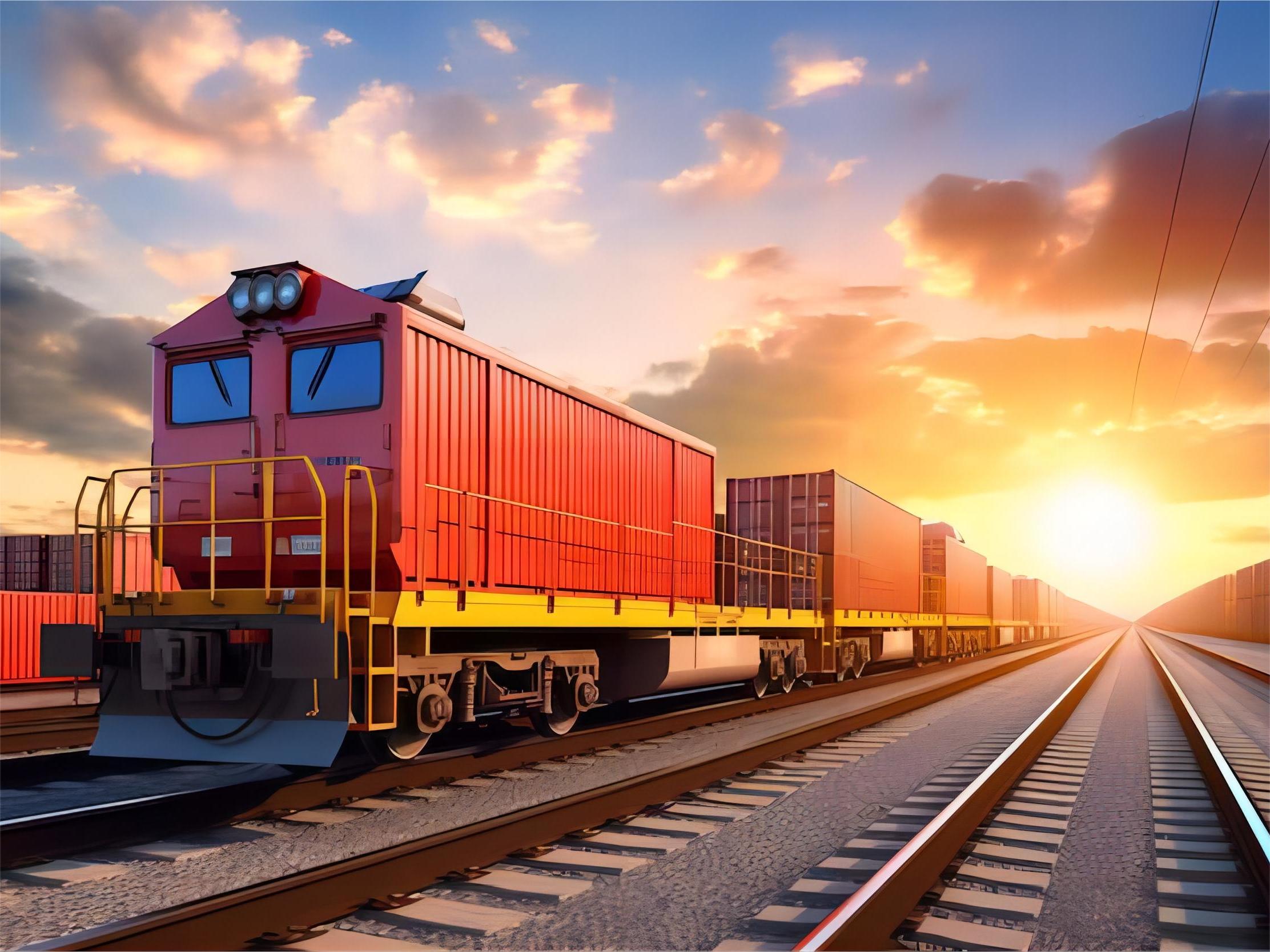
Rail freight offers a compelling balance between the speed of air freight and the cost-effectiveness of sea freight. With transit times typically between 15-25 days, it provides a reliable middle ground. This option is increasingly popular for its efficiency.
Furthermore, rail freight offers better environmental benefits compared to air shipping. It is an excellent choice for a variety of machinery types. Learn more about rail freight schedules from China to Europe for machinery transport.
How Do Shipping Methods Compare for Machinery?
Selecting the optimal shipping solution requires a clear understanding of each method’s strengths and weaknesses. This comparison helps in making an informed decision based on your specific requirements.
Consider your budget priority, speed priority, and the nature of your cargo. Ultimately, the best choice aligns with your business objectives for shipping machinery from China to Europe.
| Shipping Method | Cost Range (per 40HQ) | Transit Time | Best For | Limitations |
|---|---|---|---|---|
| Sea Freight (FCL) | $3,000 – $4,500 | 28 – 45 Days | Heavy, large volume, non-urgent, cost-sensitive cargo | Slowest transit, port congestion risks |
| Rail Freight | $6,000 – $9,000 | 15 – 25 Days | Mid-size, moderately urgent, balanced cost/speed | Limited routes, capacity constraints |
| Air Freight | $15,000 – $25,000+ | 3 – 7 Days | High-value, urgent, small/medium machinery | Highest cost, volume/weight restrictions |
Navigating Customs, Documentation, and Costs
Successful import of machinery into Europe requires meticulous attention to customs procedures and cost components. Overlooking these details can lead to significant delays and unexpected expenses. Therefore, thorough preparation is vital.
Understanding the full financial picture, including freight rates and duties, is crucial for accurate budgeting. This ensures smooth operations and avoids any unwelcome surprises.
Essential Documentation
Proper documentation is indispensable for customs clearance for machinery imports into Europe. Key documents include the commercial invoice, packing list, bill of lading (for sea) or air waybill (for air), certificate of origin, and import licenses.
Furthermore, technical specifications and compliance certificates (e.g., CE marking) for the machinery are often required. Engaging customs brokerage services can streamline this complex process. This helps avoid delays at the port of entry.
Cost Components to Consider
The total cost to ship heavy machinery from China encompasses more than just freight rates. It includes origin charges (e.g., handling, customs declaration), ocean/air/rail freight, insurance, destination charges (e.g., terminal handling, customs clearance), and import duties on machinery to Europe.
Additionally, inland transportation from the European port to the final destination adds to the overall landed cost. These factors combine to form the complete financial outlay. Always request a detailed quote.
Case Study: Precision Manufacturing Equipment to the UK
Examining a real-world scenario offers practical insights into the complexities of international machinery shipping. This case highlights a typical sea freight operation for industrial equipment. The client sought a balance of cost-efficiency and reasonable transit time.
Case Study 1: CNC Machine Delivery to London
This shipment involved a crucial CNC machine for a manufacturing plant. The client chose sea freight for its cost advantages, understanding the longer transit time. Effective logistics solutions for industrial equipment were paramount.
| Detail | Description |
|---|---|
| Route | Ningbo, China Felixstowe, UK |
| Cargo | 1 CNC Machine, 18 CBM, 6,500 kg |
| Container | LCL 18 CBM |
| Shipping Method | Sea Freight (Major Carrier) |
| Total Transit Time | 37 days (Port to Port) |
| Estimated Total Cost | $3,100 (Landed Cost, Q3 2024 rates) |
| Key Insight | Careful consolidation and complete documentation ensured a smooth customs process. LCL proved cost-effective for this volume. Note: Freight rates are subject to change based on fuel costs, carrier capacity, and seasonal demand. Contact us for a current quote tailored to your specific shipment. |

Optimizing Your Machinery Shipping Strategy
Developing an effective strategy is crucial for streamlining your supply chain management for machinery imports. Consider all available options to minimize risks and maximize efficiency. This proactive approach ensures better outcomes.
Hybrid solutions, such as sea-rail combinations, can also offer flexibility. They provide a balance of speed and cost for specific routes. For a seamless experience, door-to-door shipping can simplify the entire process.
Which Option Should You Choose?
If budget is your top priority, sea freight is generally the most economical choice for machinery shipping times China Europe. It provides significant cost savings for large volumes. However, be prepared for longer transit periods.
For speed priority, air freight is unmatched, delivering machinery in days. This option is ideal for critical components or urgent production needs. It minimizes downtime despite higher costs.
When balancing both cost and speed, rail freight offers an excellent compromise. It is faster than sea and more affordable than air. Additionally, consider volume thresholds for switching methods; FCL is often more economical above 15 CBM than LCL.
Finally, for comprehensive service, consider engaging a freight forwarder that offers integrated solutions. This ensures all aspects, from cargo handling to delivery, are managed efficiently.
Conclusion
The time to ship machinery from China to Europe is a critical factor in global supply chains. By understanding the nuances of sea, air, and rail freight, alongside customs requirements and cost components, businesses can make informed decisions. Partnering with experienced logistics providers ensures efficient and timely delivery of your valuable equipment.
Need a tailored shipping solution?
Ready to streamline your machinery imports from China to Europe? Contact our experts today for a personalized consultation and a competitive quote. We specialize in efficient, reliable logistics solutions designed for your specific needs.