

Toys Sea Freight China to USA: The Ultimate 2025 Shipping Guide
Toys sea freight China to USA remains the most reliable method for businesses to transport high-volume inventory across the Pacific Ocean. Navigating the complexities of international logistics requires a strategic approach and a trusted partner like Top China Freight to ensure your cargo arrives safely and on time. This comprehensive guide will explain everything you need to know about shipping toys efficiently and cost-effectively.
Why Choose Sea Freight for Toys from China?
Shipping toys via ocean carriers offers significant cost advantages for businesses importing large quantities of goods. Moreover, sea freight provides the necessary volume capacity that air freight simply cannot match for bulky items like playhouses or ride-on cars. Consequently, most toy importers prioritize sea routes to maintain healthy profit margins during peak shopping seasons.
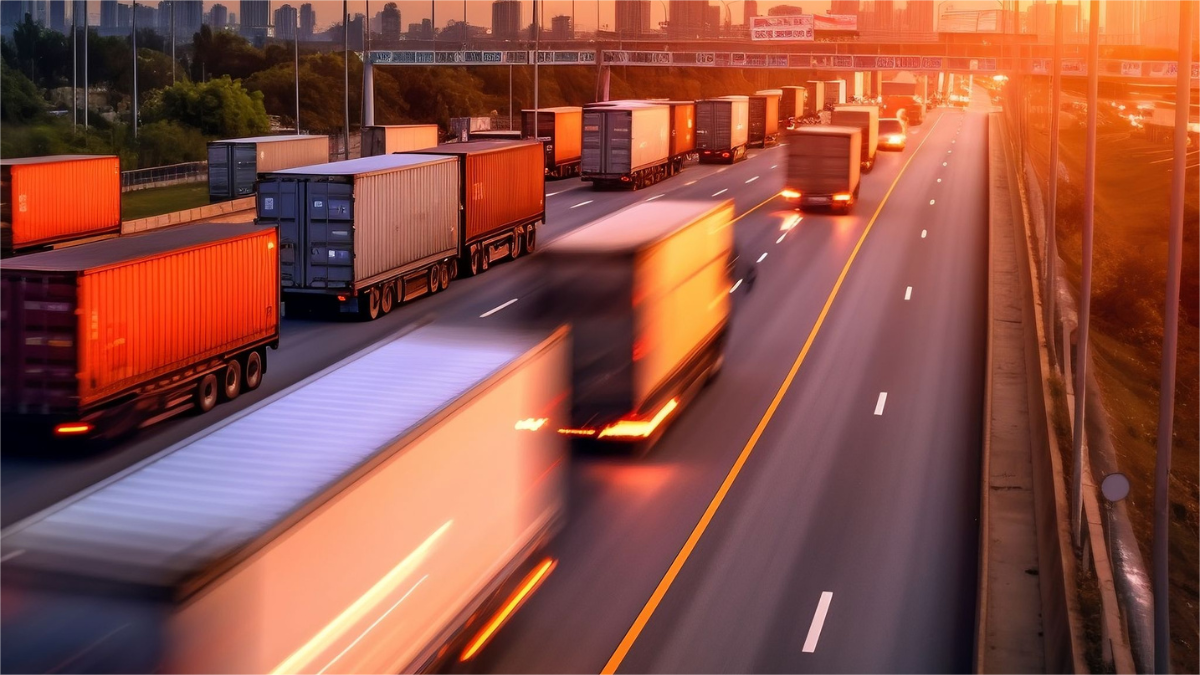
Ocean transport allows for flexible scheduling and the ability to move diverse product types in a single shipment. Additionally, the environmental impact of sea freight is considerably lower per ton-mile compared to air transport. Therefore, companies focusing on sustainability often choose this method as their primary supply chain solution.
Transit stability is another key factor that makes sea freight the preferred choice for fragile or sensitive toy products. Indeed, modern container ships use advanced stabilization technology to protect cargo from excessive movement during the voyage. This ensures that retail packaging remains in pristine condition for the end consumer.
How Does Sea Freight Compare to Other Shipping Options?
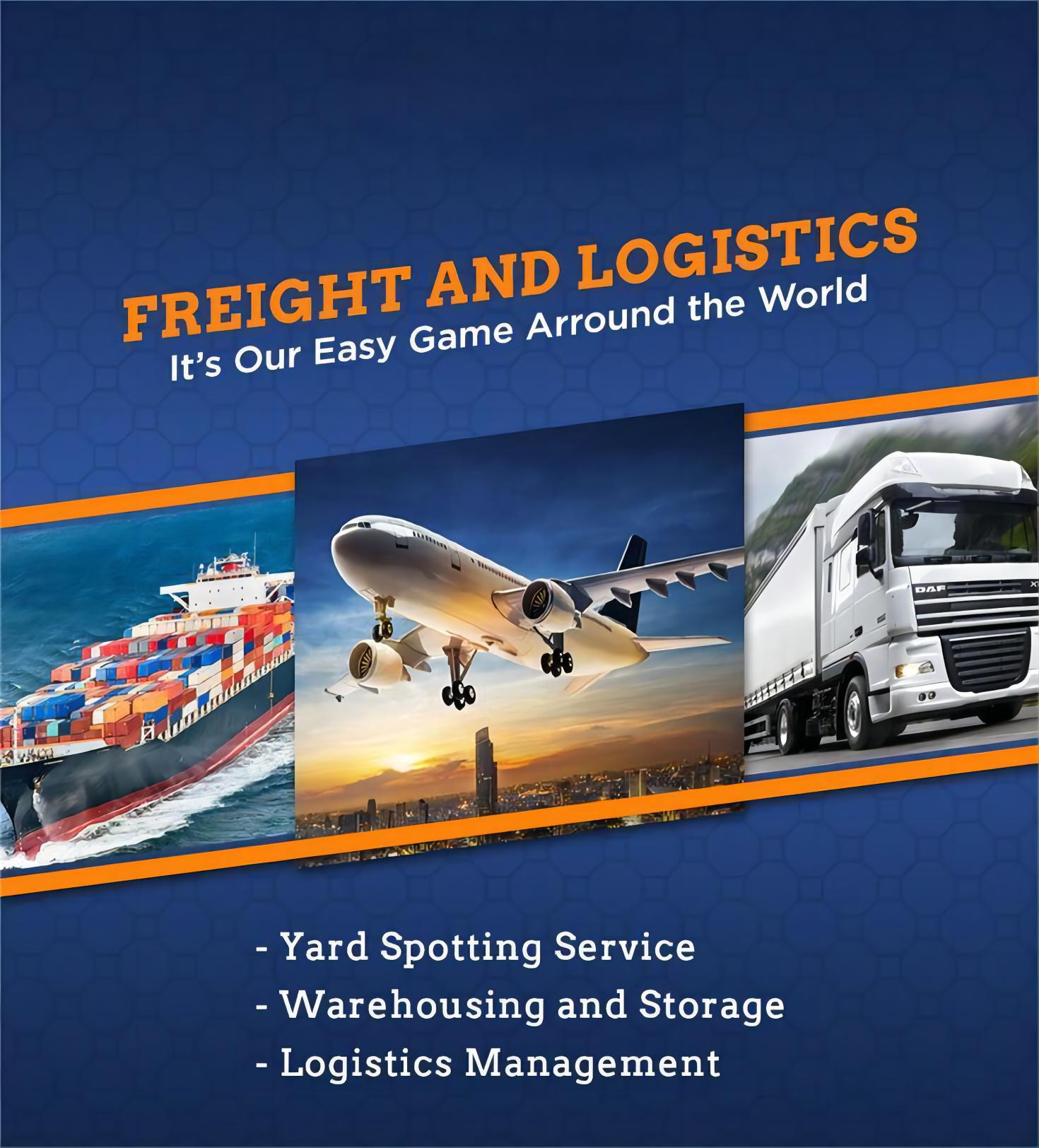
Evaluating different transport modes is essential for optimizing your toy supply chain. While sea freight is the most economical, it is also the slowest, requiring careful inventory planning. On the other hand, air freight offers speed but comes with a price tag that can be ten times higher than ocean rates.
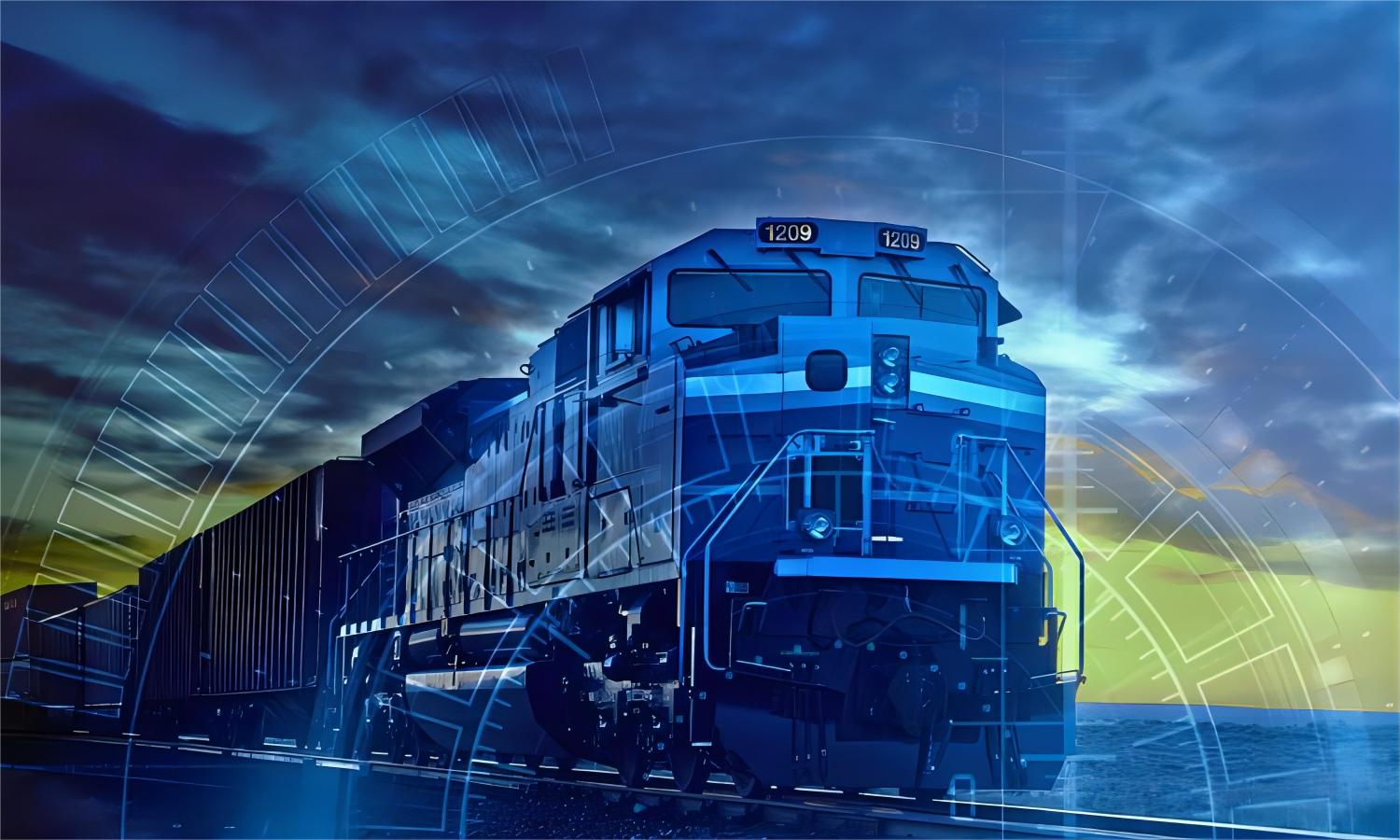
Rail freight is a viable alternative for shipments moving toward Europe, but for China to USA routes, it is not a direct option. Meanwhile, express services are best suited for small samples or urgent replacement parts rather than bulk inventory. Understanding these trade-offs helps you decide when to stick with sea freight and when to pivot to faster methods.
Hybrid solutions like sea-air freight can sometimes bridge the gap between cost and speed. For example, you might ship goods by sea to a hub and then fly them to the final destination to save time. However, for the vast majority of toy imports, direct ocean freight remains the gold standard for efficiency.
| Shipping Method | Cost Range | Transit Time | Best For |
|---|---|---|---|
| Sea Freight (FCL) | $2,500 – $5,500 | 18 – 35 Days | Bulk Inventory |
| Sea Freight (LCL) | $60 – $160/CBM | 22 – 40 Days | Mid-sized Batches |
| Air Freight | $5 – $12/kg | 3 – 7 Days | Urgent Samples |
| Express Service | $8 – $18/kg | 2 – 5 Days | Small Packages |
Understanding FCL and LCL for Toy Shipments
Full Container Load (FCL) shipping involves renting an entire 20ft or 40ft container for your exclusive use. This method is generally faster because the container does not need to be consolidated with other shippers’ goods. Furthermore, FCL reduces the risk of damage since the cargo is handled less frequently during transit.
Less than Container Load (LCL) is an excellent choice for smaller toy businesses that do not have enough volume to fill a whole container. In this scenario, your goods share space with other shipments, and you only pay for the volume you occupy. Nevertheless, LCL shipments may take slightly longer due to the consolidation and deconsolidation processes at the ports.
Choosing between these two depends largely on your total volume and budget constraints. If your shipment exceeds 15 cubic meters, switching to FCL often becomes more cost-effective. For smaller loads, door to door LCL services provide a convenient way to manage inventory without high overheads.
Essential Customs Documentation for Toy Imports
Importing toys into the USA requires strict adherence to safety regulations and documentation standards. Specifically, you must provide a Children’s Product Certificate (CPC) to prove that your goods comply with CPSC safety rules. Failure to provide this document can lead to significant delays or even the seizure of your cargo by US Customs.
Customs authorities also require a Commercial Invoice, a Packing List, and a Bill of Lading for every shipment. Additionally, you should ensure that your toys have the correct Harmonized System (HS) codes to determine the applicable duty rates. Working with a professional customs brokerage can simplify this process and prevent costly errors.
Labeling requirements are equally important for toy products sold in the American market. For instance, toys must have clear age-grading labels and tracking information as mandated by the Consumer Product Safety Improvement Act (CPSIA). Consequently, verifying these details with your manufacturer before the ship leaves China is a critical step in the logistics process.
Transit Times and Port Selection Strategies
Shipping times for toys sea freight China to USA vary significantly based on the destination port. Shipments to the West Coast, such as Los Angeles or Long Beach, typically take between 14 and 20 days. In contrast, East Coast ports like Savannah or New York can take 30 to 40 days as the vessel must pass through the Panama Canal.
Port congestion can also impact your delivery schedule, especially during the peak season from August to October. Therefore, it is wise to book your shipments at least 3-4 weeks in advance to secure space on a vessel. Meanwhile, choosing smaller or less congested ports can sometimes speed up the inland delivery process.
Inland transport from the port to your warehouse is the final leg of the journey. For many toy sellers, using Amazon FBA services simplifies this step by automating the delivery to fulfillment centers. This ensures that your products are ready for sale as soon as they clear customs.
| Origin Port | Destination Port | Transit (Days) | Route Type |
|---|---|---|---|
| Shenzhen | Los Angeles | 14 – 18 | Direct |
| Ningbo | Long Beach | 16 – 20 | Direct |
| Shanghai | New York | 30 – 35 | Via Panama |
| Qingdao | Savannah | 32 – 38 | Via Panama |
Real-World Case Studies for Toy Shipping
Case Study 1: Large Scale Plush Toy Import. A retailer in California imported a 40HQ container of plush toys from Shenzhen to Long Beach. The shipment was handled as FCL, with a total landed cost of $4,200 including ocean freight and local charges. The transit time was 16 days, allowing the client to restock just before the holiday rush.
Case Study 2: Small Batch Action Figures. A startup toy brand used LCL to ship 8 CBM of plastic action figures from Ningbo to New York. By choosing a consolidated service, they paid only $1,150 for the ocean portion of the freight. Although the transit took 34 days, the cost savings allowed them to invest more in their marketing budget.
Case Study 3: Urgent Amazon FBA Restock. A seller faced an unexpected stockout and used a fast sea freight service from Shanghai to Los Angeles. The cargo was cleared and delivered to an FBA warehouse in 22 days total. This quick turnaround saved their search ranking and ensured continuous sales during a peak promotion period.
Which Option Should You Choose? Decision Framework
Selecting the right shipping strategy depends on your specific business needs and product characteristics. If your primary goal is cost reduction and you have high volume, FCL sea freight is almost always the best option. Conversely, if you are testing a new product line with low volume, LCL provides the flexibility you need without a heavy financial commitment.
Speed requirements should also dictate your choice of destination port. Shipping to the West Coast and using transcontinental trucking is often faster than shipping directly to the East Coast by sea. However, this approach usually incurs higher inland transportation costs, which you must balance against the value of time.
Cargo type also plays a role in your decision-making process. Large, lightweight toys might reach the volume limit of a container before they reach the weight limit, making FCL very efficient. For small, heavy items like die-cast cars, LCL might be more economical depending on how the freight forwarder calculates their rates.
Final Thoughts on Shipping Toys from China
Successfully managing toys sea freight China to USA requires a deep understanding of costs, transit times, and regulatory requirements. By choosing the right container load type and planning for seasonal fluctuations, you can significantly improve your supply chain efficiency. Remember that proper documentation and port selection are just as important as the freight rate itself.
As market conditions evolve in 2025, staying informed about logistics trends and maintain flexible shipping strategies will be key to your success. Partnering with an experienced freight forwarder ensures that your toy business remains competitive in a demanding market. Start planning your next shipment today to ensure your inventory arrives exactly when you need it.
Ready to streamline your logistics?
Ready to optimize your toys sea freight China to USA? Our team of logistics experts is standing by to provide you with a competitive quote and a seamless shipping experience. Visit https://Top China Freight.com/ to start your inquiry today and secure your spot for the upcoming season.
Request Quote