
Reliable tracking for FCL shipping from China to Ireland is vital for importers who want full visibility of their containers throughout the entire supply chain. From departure at Shenzhen or Ningbo to arrival at Dublin or Cork, tracking ensures that every milestone — booking, loading, customs, and delivery — is transparent and timely. This article explores how container tracking works, its benefits, cost factors, and practical case studies for full-container shipments.

What Is FCL Shipping and Why Tracking Matters for Importers?
Full Container Load (FCL) shipping is when one shipper reserves an entire container for their goods. For long-distance trade between China and Ireland, FCL ensures security, reduced damage risk, and faster customs processing compared to shared LCL shipments.
Tracking allows businesses to monitor real-time container movement, minimize demurrage, and improve delivery reliability — critical for maintaining Ireland’s retail and distribution timelines.

How Does Tracking Work for FCL Shipping from China to Ireland?
Modern logistics providers use advanced tracking systems integrating GPS, AIS (Automatic Identification System), and EDI (Electronic Data Interchange) to provide accurate updates.
Main Tracking Stages
- Booking Confirmation: Carrier assigns container and vessel details.
- Loading at Port: Container sealed, temperature or weight sensors activated if applicable.
- Departure Update: EDI transmits vessel departure confirmation.
- In-Transit Monitoring: Satellite GPS and AIS data update every 6–12 hours.
- Arrival Notification: System issues alerts upon vessel arrival in Ireland.
- Customs and Delivery: Final tracking continues during inland transport to destination.
This process allows importers to identify potential port congestion or customs delays before they occur.
What Are the Main Routes for FCL Shipping from China to Ireland?
| Route | Port of Loading | Port of Discharge | Transit Time | Mode |
|---|---|---|---|---|
| Shenzhen → Dublin | Yantian Port | Dublin | 32–36 days | Sea |
| Ningbo → Cork | Ningbo Port | Cork Port | 34–38 days | Sea |
| Qingdao → Dublin | Qingdao Port | Dublin | 33–37 days | Sea |
| Shanghai → Limerick | Waigaoqiao Port | Limerick | 35–40 days | Sea + Truck |
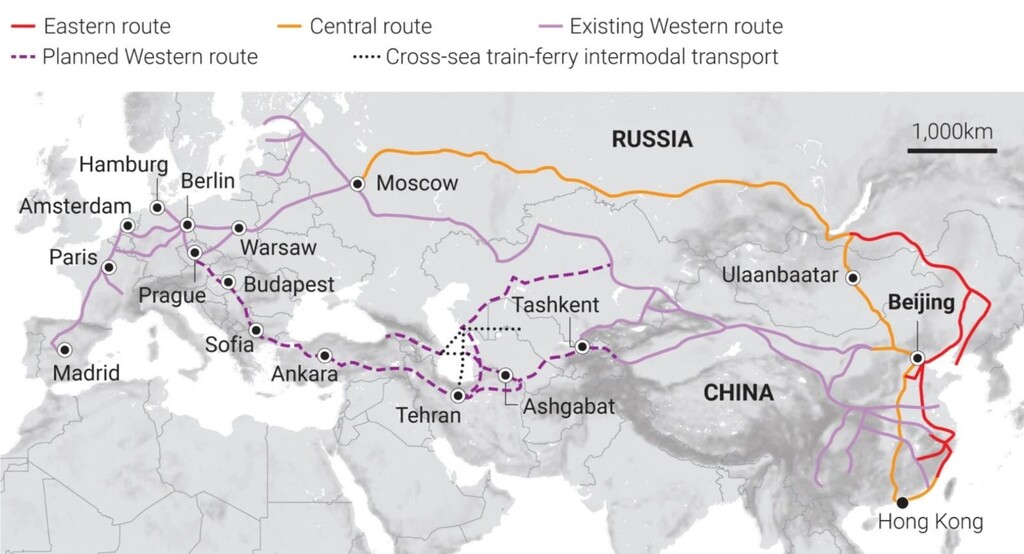
Alternatively, some importers use Rotterdam or Antwerp as transshipment hubs, then move goods by feeder vessels or trucks to Ireland.
What Are the Advantages of Using Real-Time FCL Tracking Systems?
Tracking provides both operational and financial benefits.
| Benefit | Description |
|---|---|
| Real-Time Visibility | See container’s exact location via GPS and AIS data. |
| Predictable Delivery | Receive accurate ETA updates to plan warehouse operations. |
| Reduced Risk | Detect and resolve customs or weather delays quickly. |
| Data Integration | Sync updates directly with ERP or inventory systems. |
| Customer Transparency | Share status with Irish buyers or distributors. |
Thus, tracking turns logistics into a data-driven process that improves decision-making and cost control.
Real Case Studies: FCL Tracking from China to Ireland
Case 1 – Shenzhen to Dublin
Cargo: Electronic accessories (40GP FCL)
Transit: 34 days
Cost: USD 4,850
Result: GPS tracking detected a 12-hour port delay in Rotterdam, allowing the importer to reschedule local trucking in Dublin efficiently.
Case 2 – Ningbo to Cork
Cargo: Furniture sets (40HQ FCL)
Transit: 36 days
Cost: USD 5,200
Result: EDI system enabled automatic customs documentation upload, reducing clearance time by two days.
What Are the Cost Factors for FCL Shipping and Tracking to Ireland?
| Cost Factor | Description | Impact |
|---|---|---|
| Freight Rate | Varies by port, container size, and season | High |
| Port Handling | Terminal charges at origin and destination | Medium |
| Tracking System | GPS/EDI integration costs | Low |
| Customs Clearance | Duty, VAT, and inspection fees | Medium |
| Insurance | Covers damage or loss | Optional but recommended |
Advanced tracking tools are often included in freight forwarding services, offering full visibility without extra charges.
Need a reliable logistics partner? Share your shipment details and we’ll provide a tailored quotation quickly and accurately.
How to Manage Customs Clearance for FCL Shipments to Ireland?
Required Documents
| Document | Purpose | Issued By |
|---|---|---|
| Bill of Lading | Proof of shipment | Carrier |
| Packing List | Lists cargo content | Exporter |
| Commercial Invoice | Declares product value | Supplier |
| Certificate of Origin | Confirms production country | Chamber of Commerce |
| Customs Entry Declaration | Required for Irish import | Importer or Broker |
Tips for Smooth Clearance
- File import declarations before vessel arrival.
- Ensure all invoices include HS codes and Incoterms.
- Use EORI number for customs processing.
- Partner with experienced forwarders familiar with Irish customs.
Effective customs management prevents port detention and additional storage costs.
Why Choose TopChinaFreight for FCL Tracking from China to Ireland?
TopChinaFreight provides integrated logistics and tracking solutions for global importers:
- Real-time FCL container tracking through IoT and EDI systems.
- Door-to-door delivery from Shenzhen, Ningbo, or Qingdao to Irish ports.
- 24/7 shipment updates and proactive delay alerts.
- In-house customs brokerage and duty assistance.
- Transparent pricing with no hidden surcharges.
Conclusion
To conclude, tracking for FCL shipping from China to Ireland plays a crucial role in maintaining logistics transparency, avoiding delays, and improving supply chain performance. By leveraging modern tracking tools, accurate documentation, and dependable freight partners like TopChinaFreight, importers can ensure efficient, cost-effective, and fully visible transportation from factory to Irish port.
Request a Quote
Need a tailored solution for your shipping from China?Let TJ China Freight Forwarder assist you with reliable, cost-effective service.
FAQ:
Q1.How does FCL tracking improve logistics efficiency?
It provides real-time location updates, allowing importers to plan deliveries, manage customs, and avoid unnecessary warehouse delays.
Q2.What technology is used for tracking containers?
FCL tracking relies on GPS, AIS, and EDI systems that transmit location and status data during each shipment stage.
Q3.Can I monitor multiple FCL shipments at once?
Yes, integrated tracking dashboards allow users to manage and view several active FCL containers simultaneously in one system.
Q4.How long does it take to ship from China to Ireland?
Transit usually takes 32–38 days, depending on port congestion, vessel schedule, and final inland delivery route.
Q5.Are tracking updates available after customs clearance?
Yes, tracking continues through inland delivery, showing container arrival, truck movement, and proof of delivery.