
Train Cargo China to Dubai: Your Ultimate Logistics Guide
Navigating international freight can be complex, especially when seeking efficient and cost-effective solutions. For businesses looking to transport goods, understanding the nuances of train cargo China to Dubai is essential. This guide provides comprehensive insights into optimizing your shipping strategy to the UAE with Top China Freight.
Is Direct Train Cargo China to Dubai Possible?
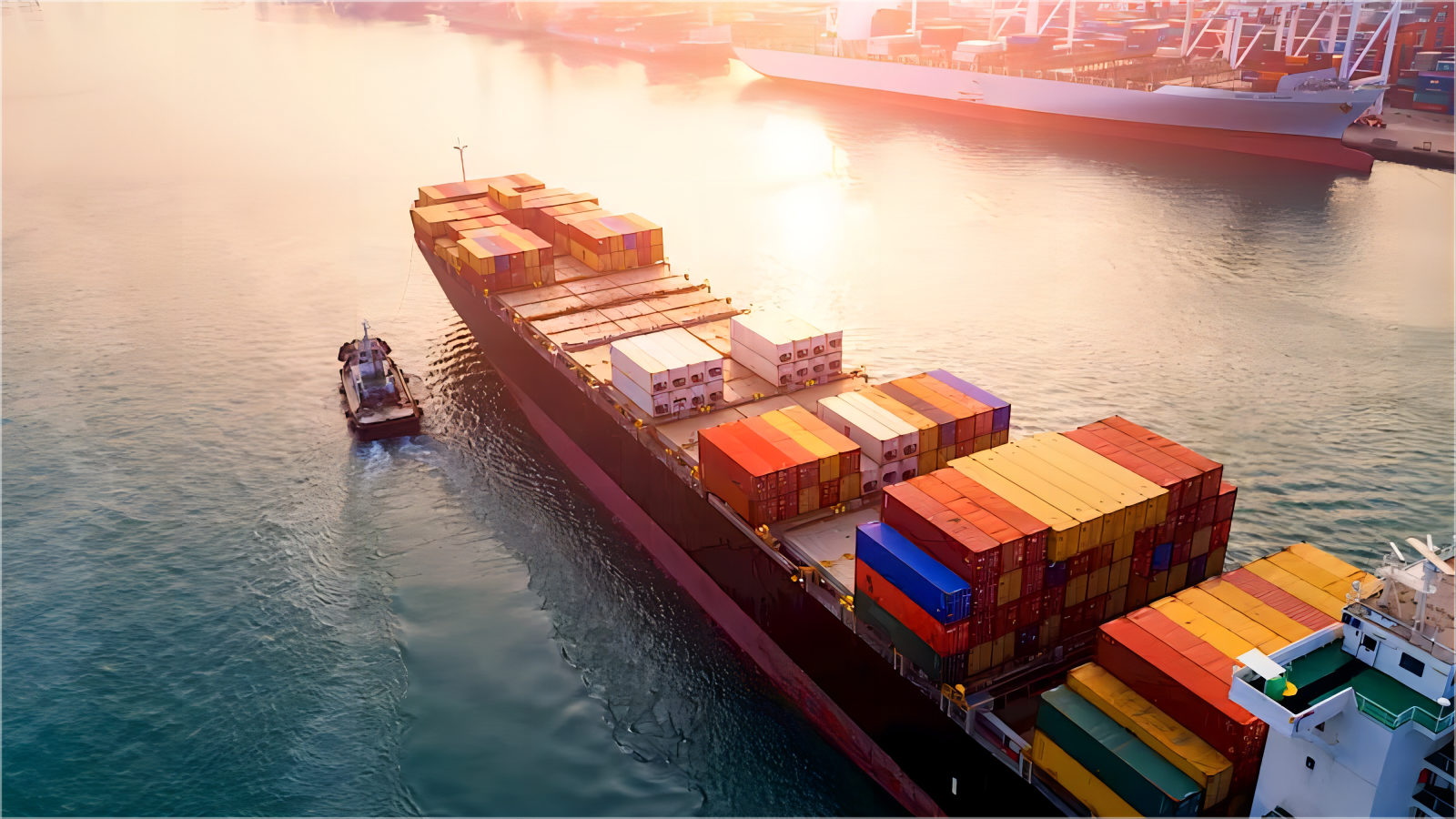
Many businesses inquire about direct train cargo from China to Dubai. However, it is crucial to understand that a direct rail link spanning this entire distance does not currently exist. The geographical landscape and infrastructure limitations make a continuous rail journey impractical.
Instead, shipments destined for Dubai from China via rail typically involve a multimodal approach. This strategy combines the efficiency of rail freight with the extensive reach of sea freight, creating an optimized route for your cargo. It leverages the strengths of each transport mode.
Understanding the China-Dubai Multimodal Rail-Sea Route
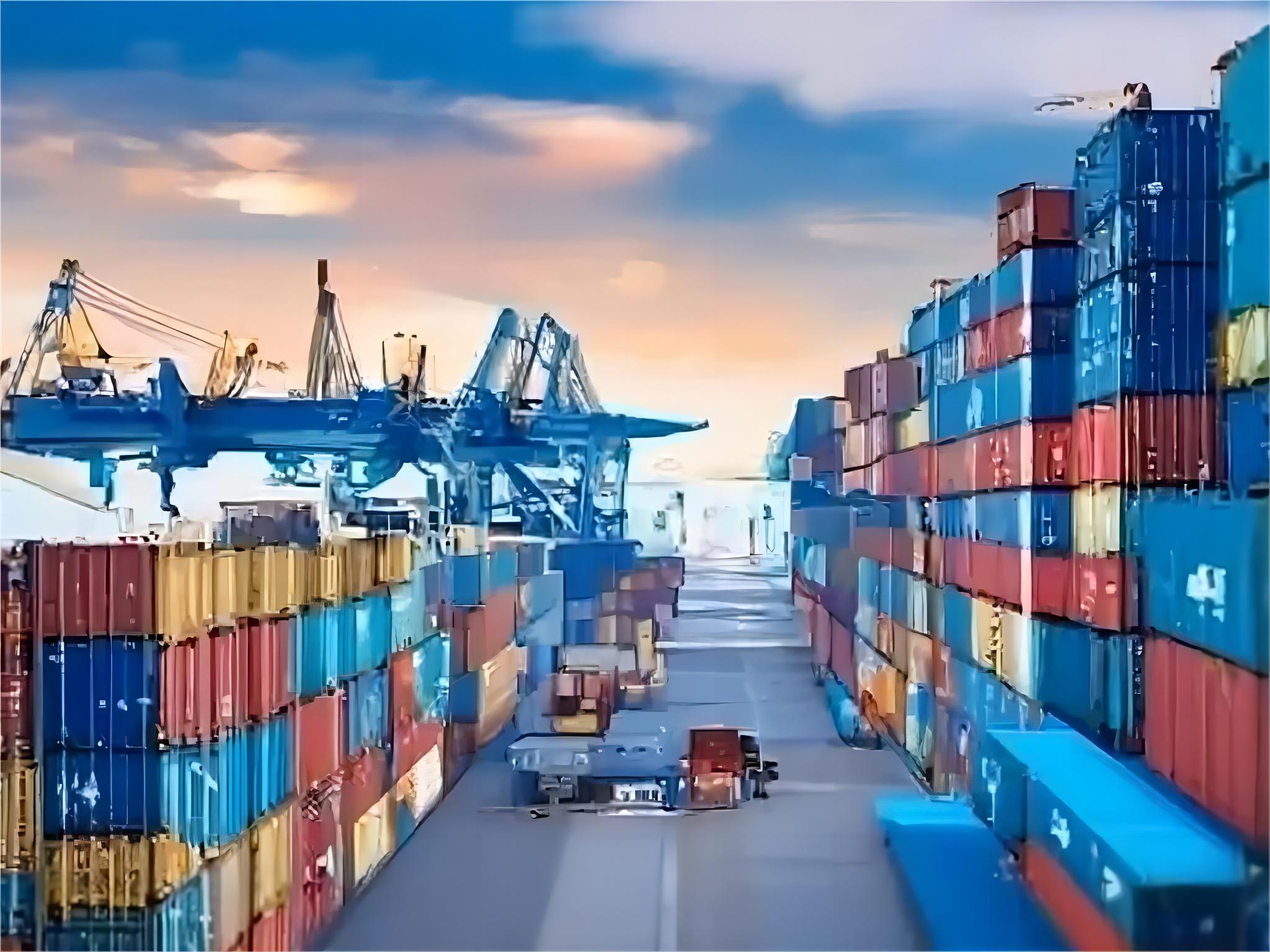
The most viable and popular method for train cargo China to Dubai is a rail-sea multimodal solution. This involves transporting goods by rail from inland Chinese cities to major coastal ports. From there, the cargo transitions to sea freight for the journey across the Arabian Sea to the UAE.
This integrated approach offers a balance between speed and cost-effectiveness. Consequently, it has become a preferred choice for many importers. The seamless transfer between rail and sea ensures your supply chain remains efficient and reliable.
Major rail hubs in China, such as Chengdu, Xi’an, and Chongqing, connect to ports like Shanghai, Ningbo, and Shenzhen. The cargo then sails to Jebel Ali Port in Dubai, which is a key gateway for the Middle East. This strategic combination streamlines the entire logistics process.
Key Advantages of Rail-Sea Freight from China to Dubai
Opting for a rail-sea multimodal route for your China to Dubai shipments presents several distinct advantages. Firstly, it often provides a more cost-effective solution compared to air freight, especially for bulkier or heavier goods. This can significantly reduce overall shipping costs.
Furthermore, this method typically offers faster transit times than traditional pure sea freight. The rail leg within China accelerates the initial journey, bypassing potential port congestion and inland trucking delays. This hybrid approach optimizes delivery schedules.
Moreover, rail freight is known for its reliability and environmental benefits. It offers a more stable schedule less susceptible to weather disruptions than sea-only routes and has a lower carbon footprint than air transport. Consequently, it aligns with sustainable logistics practices.
How Does Rail Cargo Compare to Other Shipping Options?
When considering shipping from China to Dubai, various methods are available, each with its own benefits and drawbacks. Understanding these differences is crucial for making an informed decision about your logistics strategy. Here, we compare the main options.
Air freight offers unparalleled speed but comes at a premium cost, suitable for urgent or high-value goods. Sea freight is the most economical for large volumes but has the longest transit times. Rail-sea multimodal strikes a balance between these two extremes, providing a middle-ground solution.
As of early 2025, market conditions, including fuel surcharges and carrier capacity, heavily influence pricing and transit times across all modes. Therefore, a comprehensive comparison helps in selecting the most appropriate service for your specific needs.
| Shipping Method | Cost Range (20GP) | Transit Time | Best For | Limitations |
|---|---|---|---|---|
| Air Freight | $3,000 – $6,000+ | 3-7 days | Urgent, high-value, small volume | High cost, weight/size restrictions |
| Rail-Sea Multimodal | $1,800 – $3,000 | 20-28 days | Balanced cost & speed, mid-volume | Requires transshipment, specific rail hubs |
| Direct Sea Freight | $1,500 – $2,500 | 25-35 days | Large volume, heavy, non-urgent | Slowest transit, port congestion risk |
| Express Service | $500 – $1,500+ | 2-5 days | Small parcels, e-commerce, samples | Very high cost per kg, strict limits |
Optimizing Costs and Transit Times for Your Shipments
To effectively manage your budget and delivery schedules for train cargo China to Dubai, several strategies can be employed. Consolidating smaller shipments into a single larger consignment, known as LCL (Less than Container Load) for sea freight, often reduces per-unit costs.
For larger volumes, utilizing FCL (Full Container Load) can offer better rates and dedicated space. Furthermore, choosing reputable freight forwarders like Top China Freight with established networks helps secure competitive pricing and reliable service.
Consider the lead time for your orders and plan accordingly. Shipping during off-peak seasons can often result in lower rates and faster transit due to reduced demand. Flexibility in your delivery schedule can yield significant savings, impacting your overall logistics budget positively.
Note: Freight rates are subject to change based on fuel costs, carrier capacity, and seasonal demand. Contact us for a current quote tailored to your specific shipment.
Essential Documentation and Customs Clearance for UAE Imports
Navigating customs procedures is a critical aspect of importing goods into Dubai. Proper documentation is paramount to ensure smooth and timely clearance. Consequently, understanding the requirements beforehand can prevent costly delays and penalties.
Key documents typically include the commercial invoice, packing list, bill of lading (for sea freight) or air waybill (for air freight), and a certificate of origin. Depending on the type of goods, additional permits or certificates (e.g., health, safety, or conformity certificates) may be required.
Working with an experienced customs brokerage service is highly recommended. They can guide you through the complex regulations, ensure all paperwork is accurate, and facilitate efficient clearance at Jebel Ali Port or Dubai International Airport. This expertise minimizes potential issues.
Case Study 1: Electronics Components via Rail-Sea Multimodal
This case study illustrates a successful multimodal shipment of electronics components from an inland Chinese city to Dubai, demonstrating the efficiency of combining rail and sea freight.
Based on Q3 2024 market rates, this solution offered a cost-effective balance between speed and budget, ideal for sensitive but non-urgent cargo. The seamless transfer at the port was crucial for maintaining the schedule.
Shipment Details
| Attribute | Details |
|---|---|
| Route | Chongqing, China -> Jebel Ali, Dubai |
| Cargo | Electronics Components, 18 CBM, 4,500 kg |
| Container | 20GP FCL |
| Shipping Details | Rail from Chongqing to Shanghai, then Sea Freight (COSCO) |
| Port of Loading | Shanghai |
| Port of Discharge | Jebel Ali |
| Route Type | Multimodal (Rail-Sea) |
Cost Breakdown
| Cost Item | Amount |
|---|---|
| Rail Freight (Chongqing-Shanghai) | $600 |
| Ocean Freight (Shanghai-Jebel Ali) | $2,200 |
| Origin Charges (THC, documentation) | $350 |
| Destination Charges (Jebel Ali) | $400 |
| Customs & Duties (estimated) | $500 |
| Total Landed Cost | $4,050 |
Timeline
| Stage | Days |
|---|---|
| Booking to Loading | 5 days |
| Rail Transit | 3 days |
| Sea Transit | 20 days |
| Customs Clearance | 2 days |
| Total Door-to-Door | 30 days |
Key Insight
The rail leg significantly reduced inland transit time compared to trucking, ensuring a faster overall delivery than pure sea freight from Chongqing. Effective coordination between rail and sea carriers was paramount for success.
Case Study 2: Textile Goods for Retail via LCL Multimodal
This example demonstrates how small to medium-sized businesses can leverage multimodal LCL services for their textile imports, offering flexibility and cost efficiency. The client needed regular, moderately fast shipments.
Typical rates as of early 2025 indicated that LCL multimodal was the most suitable option for their volume, avoiding the higher costs of air freight while still being faster than direct LCL sea freight from a distant inland factory.
Shipment Details
| Attribute | Details |
|---|---|
| Route | Xi’an, China -> Jebel Ali, Dubai |
| Cargo | Textile Goods (clothing), 8 CBM, 1,200 kg |
| Container | LCL (Less than Container Load) |
| Shipping Details | Rail from Xi’an to Ningbo, then Sea Freight (Maersk) |
| Port of Loading | Ningbo |
| Port of Discharge | Jebel Ali |
| Route Type | Multimodal (Rail-Sea) |
Cost Breakdown
| Cost Item | Amount |
|---|---|
| Rail Freight (Xi’an-Ningbo) | $350 |
| Ocean Freight (Ningbo-Jebel Ali) | $800 |
| Origin Charges (Consolidation, documentation) | $200 |
| Destination Charges (Deconsolidation, Jebel Ali) | $250 |
| Customs & Duties (estimated) | $300 |
| Total Landed Cost | $1,900 |
Timeline
| Stage | Days |
|---|---|
| Booking to Loading | 6 days |
| Rail Transit | 4 days |
| Sea Transit | 22 days |
| Customs Clearance | 3 days |
| Total Door-to-Door | 35 days |
Key Insight
LCL multimodal allowed the client to ship smaller quantities more frequently, adapting to market demand without incurring high air freight costs. Careful packaging and clear labeling were crucial for smooth consolidation and deconsolidation.
Which Option Should You Choose for Shipping to Dubai?
Selecting the ideal shipping method for your cargo from China to Dubai depends on several critical factors. Evaluating your priorities will guide you toward the most suitable and efficient logistics solution. Consider your budget, urgency, and cargo characteristics.
If budget is your primary concern and time is not critical, traditional sea freight is likely the most economical choice for large volumes. This method offers the lowest cost per unit, although with longer transit times. Plan well in advance for these shipments.
For urgent or high-value goods where speed is paramount, air freight remains the fastest option. However, be prepared for significantly higher costs. This is best reserved for time-sensitive deliveries or smaller, high-margin products.
When you need a balance between cost and speed, especially for inland origins in China, the rail-sea multimodal approach is excellent. It offers faster transit than pure sea freight at a more competitive price than air freight. This hybrid solution is growing in popularity.
Additionally, for a seamless experience from supplier to your doorstep, consider a door-to-door service. This option handles all aspects of logistics, including pickup, international transport, customs clearance, and final delivery, simplifying your supply chain dramatically.
Future Trends in China-Dubai Logistics
The logistics landscape between China and Dubai is continually evolving, driven by technological advancements and shifting global trade dynamics. Emerging technologies like blockchain are enhancing transparency and security across the supply chain. This helps in tracking train cargo China to Dubai.
Furthermore, increased investment in rail infrastructure, especially within China and across Central Asia, could further optimize multimodal routes. This development might lead to even faster and more reliable rail-sea options in the coming years. Consequently, transit times could shorten.
Sustainability is also becoming a major focus, with a growing emphasis on greener shipping solutions. Rail transport, being more eco-friendly than air or road freight, is expected to play an even larger role in international logistics. This aligns with global environmental goals.
Your Reliable Partner for Train Cargo China to Dubai
In conclusion, while a direct train cargo China to Dubai route is not feasible, the multimodal rail-sea solution offers an excellent alternative. It provides a strategic balance of cost, speed, and reliability for your international shipments. Understanding the options and leveraging expert guidance are key to successful logistics.
By carefully planning your shipments, managing documentation, and choosing the right partner, you can optimize your supply chain to the UAE. Top China Freight is committed to providing seamless and efficient freight solutions, ensuring your goods reach Dubai safely and on time.

Start Your Shipment
Ready to streamline your logistics and ensure efficient train cargo China to Dubai? Contact Top China Freight today for a personalized consultation and a competitive quote. Our experts are here to help you navigate the complexities of international shipping.
Request Quote