
Train Cargo China to Japan: Your Complete Shipping Guide
Many businesses inquire about Top China Freight‘s options for train cargo from China to Japan. While direct rail freight between these two nations is not feasible due to geographical barriers, numerous efficient and cost-effective alternatives exist. This guide will navigate the best shipping methods, essential considerations, and how to optimize your logistics from China to Japan.

Understanding Train Cargo China to Japan: Reality vs. Expectation
Indeed, when considering “train cargo China to Japan,” it is crucial to understand the logistical realities. Directly, there is no cross-border rail link connecting mainland China and Japan; the vast expanse of the East China Sea makes this impossible. Therefore, businesses seeking to transport goods between these nations must explore alternative, viable shipping methods.
However, rail freight plays a significant role within China’s domestic logistics network. Many companies utilize rail freight to move goods from inland production hubs to major coastal ports. From these ports, cargo then transitions to sea or air freight for the final leg to Japan, creating a multimodal transport solution. This approach is often more cost-effective than trucking for long distances within China.
Primary Shipping Methods from China to Japan
Consequently, for direct international shipping from China to Japan, two primary methods dominate: sea freight and air freight. Each option presents distinct advantages and disadvantages concerning cost, transit time, and cargo suitability. Understanding these differences is paramount for making an informed decision about your logistics strategy.
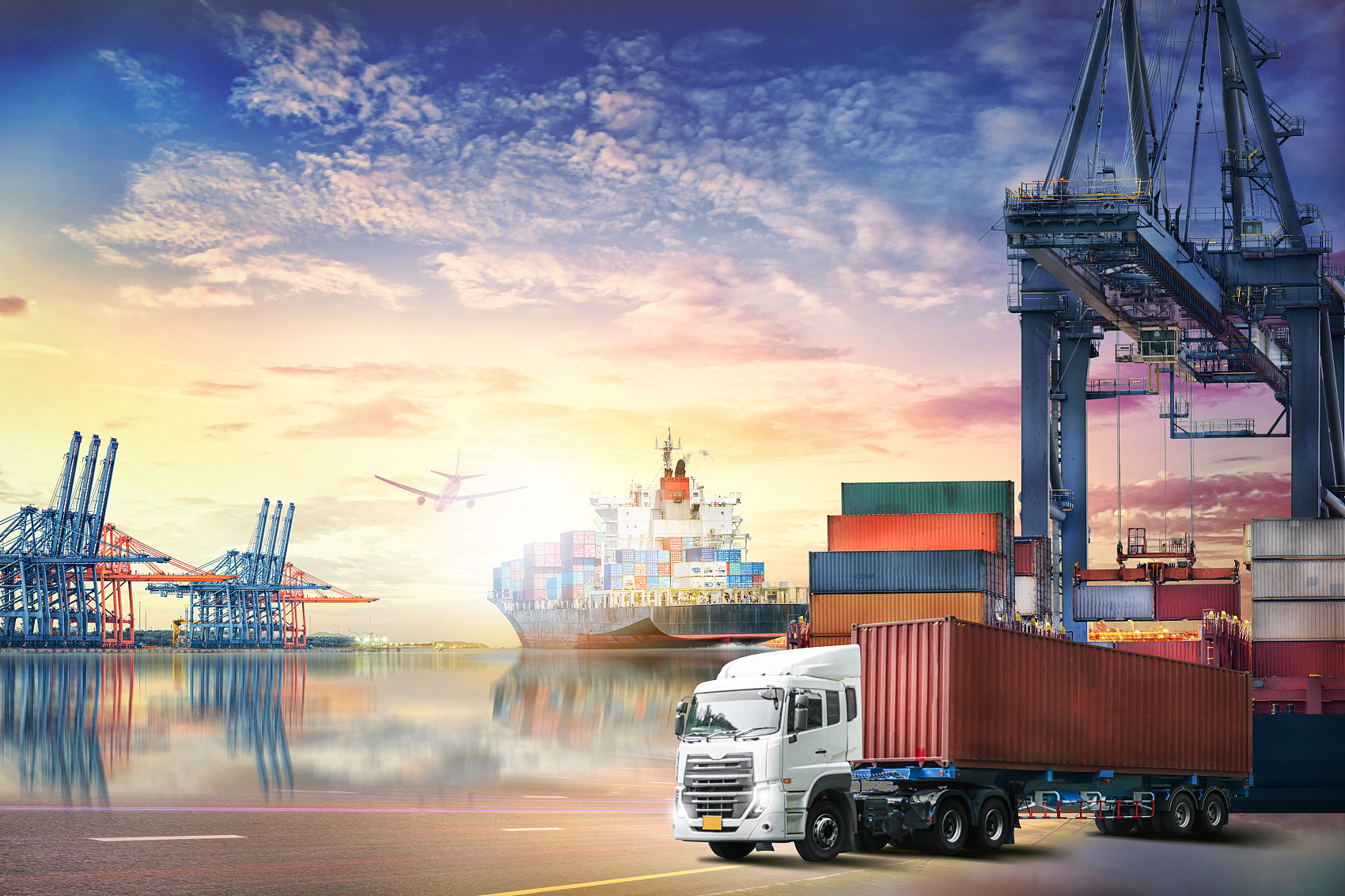
Furthermore, express shipping services offer a premium, expedited solution for urgent or small parcels. Evaluating your specific needs, such as budget, delivery schedule, and cargo type, will guide you toward the most appropriate shipping mode. Here is a brief comparison of these key methods.
| Shipping Method | Cost Level | Transit Time | Best For | Limitations |
|---|---|---|---|---|
| Sea Freight (FCL/LCL) | Low | 3-10 days | Bulky, heavy, non-urgent goods | Slower, port-to-port only |
| Air Freight | High | 1-3 days | Urgent, high-value, perishable goods | Expensive, volume/weight restrictions |
| Express Shipping | Very High | 1-2 days | Small parcels, documents, samples | Highest cost, strict size/weight limits |
Sea Freight from China to Japan: The Economical Choice
Undoubtedly, sea freight remains the most popular and economical method for shipping large volumes of cargo from China to Japan. It is ideal for businesses that prioritize cost savings over speed. Key ports in China include Shanghai, Ningbo, Shenzhen, and Qingdao, while major Japanese ports are Tokyo, Osaka, Yokohama, and Kobe.
Moreover, sea freight offers flexibility with both Full Container Load (FCL) and Less than Container Load (LCL) options. FCL is suitable for shipments large enough to fill an entire container, providing better security and faster transit. Conversely, LCL allows multiple shippers to share container space, significantly reducing freight rates for smaller consignments. Typical transit times range from 3 to 10 days, depending on the specific origin and destination ports and whether it is a direct or transshipment route.
Air Freight from China to Japan: Speed and Efficiency
In contrast, air freight is the preferred option for time-sensitive, high-value, or perishable goods. While considerably more expensive than sea freight, it offers unparalleled speed, with transit times typically ranging from 1 to 3 days. This rapid delivery schedule can be crucial for maintaining tight supply chain management and responding quickly to market demands.
Furthermore, major international airports in China such as Shanghai Pudong (PVG), Guangzhou Baiyun (CAN), and Beijing Capital (PEK) connect directly to Japan’s key airports like Narita (NRT) and Kansai (KIX). Air cargo rates are calculated based on both weight and volumetric weight, so understanding your cargo’s dimensions is essential. Businesses often choose air freight for samples, electronics, fashion items, and urgent spare parts.
Essential Factors for China to Japan Shipping
When planning your import/export operations, several critical factors influence the efficiency and cost-effectiveness of shipping from China to Japan. Addressing these elements proactively can prevent delays and unexpected expenses. Furthermore, a thorough understanding of logistics trends and regulatory requirements is vital for smooth cargo handling.
Shipping Costs and Freight Rates
Firstly, shipping costs are a major determinant for any business. Freight rates from China to Japan fluctuate based on fuel surcharges, carrier capacity, and seasonal demand. Sea freight is generally priced per container (FCL) or per cubic meter (LCL), while air freight costs are based on chargeable weight. Always request a detailed quote to understand all associated charges.
Additionally, consider terminal handling charges (THC), documentation fees, and local delivery costs. As of early 2025, sea freight for a 20GP container from major Chinese ports to Japan can range from $300 to $800, while air freight for 100kg could be $300-$600, depending on urgency and service level. Note: Freight rates are subject to change based on fuel costs, carrier capacity, and seasonal demand. Contact us for a current quote tailored to your specific shipment.
Transit Time and Delivery Schedule
Secondly, the transit time directly impacts your inventory management and customer satisfaction. Sea freight can take 3-10 days, whereas air freight typically delivers within 1-3 days. Moreover, door-to-door shipping can add a few extra days for origin and destination logistics, including customs clearance and local transportation.
Indeed, factors like port congestion, weather conditions, and holiday periods can affect the delivery schedule. Planning ahead, especially during peak seasons like Chinese New Year or Golden Week, is crucial to avoid delays. Clear communication with your logistics partner about expected transit times is essential for effective supply chain planning.
Customs Clearance and Documentation
Without a doubt, navigating customs procedures is a complex but necessary part of international shipping. Both China and Japan have specific import regulations and documentation requirements. Essential documents include the commercial invoice, packing list, bill of lading (for sea freight) or air waybill (for air freight), and a certificate of origin.
Furthermore, certain goods may require additional licenses or permits. Engaging a reliable customs brokerage service can significantly streamline this process, ensuring compliance and preventing costly delays. They can help with tariff classification, duty calculations, and adherence to Japanese import laws.
Cargo Handling and Insurance
Proper cargo handling is vital to ensure your goods arrive in Japan safely and undamaged. This includes appropriate packaging, labeling, and loading procedures. For delicate or high-value items, specialized handling might be necessary. Consequently, choosing a freight forwarder with expertise in cargo handling is important.
Additionally, cargo insurance offers financial protection against loss or damage during transit. While not mandatory, it is highly recommended, particularly for valuable shipments. Marine insurance for sea freight and air cargo insurance for air shipments provide peace of mind and safeguard your investment against unforeseen circumstances.
How Does China to Japan Shipping Compare to Other Routes?
Shipping from China to Japan presents a unique logistical profile compared to longer-haul routes like China to Europe or North America. The shorter distance significantly impacts transit times and, consequently, freight rates. This proximity allows for faster turnaround times and more frequent sailings or flights, which can be advantageous for just-in-time inventory strategies.
Moreover, the trade volume between China and Japan is substantial, leading to well-established routes and competitive services. This contrasts with less frequent services on niche routes. However, specific challenges like port congestion or customs variations can still arise, making a knowledgeable logistics partner invaluable for managing your cargo handling effectively.
Shipping Method Comparison: China to Japan
Here’s a comprehensive comparison of the main shipping options, focusing on their suitability for the China-Japan trade lane. This helps in understanding the trade-offs involved in selecting a method for your specific import/export needs.
| Shipping Method | Cost Range (per 100kg/CBM) | Transit Time (Port-to-Port) | Best For | Limitations |
|---|---|---|---|---|
| Sea Freight (LCL) | $50-100/CBM | 5-10 days | Small to medium volumes, non-urgent | Slower, potential for delays |
| Sea Freight (20GP FCL) | $300-800 | 3-7 days | Large volumes, cost-effective | Requires full container, longer lead times |
| Air Freight | $3-6/kg | 1-3 days | Time-sensitive, high-value, small volumes | High cost, limited by weight/volume |
| Express Courier | $6-12/kg | 1-2 days | Samples, documents, very urgent small parcels | Highest cost, very strict size/weight limits |

FCL vs. LCL: Optimizing Your Container Choice
For sea freight, the decision between FCL (Full Container Load) and LCL (Less than Container Load) hinges on your cargo volume. FCL is generally more economical for shipments exceeding 15 CBM, offering dedicated container space and often faster transit due to fewer handling points. It’s the preferred choice for bulk cargo or when security is a top concern.
On the other hand, LCL services are perfect for smaller shipments that don’t fill an entire container. While LCL freight rates are lower per shipment, the cost per cubic meter can sometimes be higher than FCL. Additionally, LCL involves consolidation and deconsolidation processes, which can add a few days to the overall transit time. A skilled freight forwarder can help you determine the most cost-effective solution.
Direct vs. Transshipment and Hybrid Solutions
Given the short distance, most sea freight routes from China to Japan are direct, which minimizes transit time and reduces the risk of damage or delays associated with transshipment. Direct routes offer the fastest sea freight option. However, for certain less common port pairs, a transshipment via a larger hub might be necessary, potentially adding 2-3 days to the journey.
While direct “train cargo China to Japan” is not an option, hybrid solutions are widely used within the broader logistics chain. For instance, goods from western China might use rail freight to a coastal port, then switch to sea freight for Japan. This multimodal approach optimizes cost and speed for different legs of the journey, offering a flexible and efficient supply chain strategy.
Streamlining Your Supply Chain: Value-Added Services
To truly optimize your shipping experience from China to Japan, leveraging value-added services is essential. These services extend beyond basic transportation, offering comprehensive solutions that address various aspects of your import/export needs. They ensure a seamless and efficient process, reducing your operational burden.
Accordingly, services like Door to Door shipping mean your goods are handled from their origin in China directly to their final destination in Japan. This includes all logistics, customs clearance, and local delivery. Similarly, Amazon FBA services cater specifically to e-commerce sellers, managing direct shipments to Amazon fulfillment centers in Japan, simplifying your inventory management and distribution.
Case Studies: Successful Shipments from China to Japan
These real-world examples illustrate how effective logistics planning can ensure smooth and efficient cargo transport between China and Japan, despite the non-existence of direct train cargo China to Japan. They highlight the importance of choosing the right shipping method and a reliable freight forwarder.
Case Study 1: E-commerce Apparel Shipment (LCL Sea Freight)
This case demonstrates efficient LCL sea freight for a growing e-commerce business seeking cost-effective shipping for fashion items.
| Detail | Description |
|---|---|
| Route | Guangzhou, China -> Tokyo, Japan |
| Cargo | Apparel (T-shirts, jeans), 8 CBM, 1200 kg |
| Container | LCL 8 CBM |
| Shipping Details | |
| – Carrier/Service | Major LCL consolidator |
| – Port of Loading | Nansha, Guangzhou |
| – Port of Discharge | Tokyo |
| – Route Type | Direct |
| Cost Breakdown (Based on Q3 2024 market rates) | |
| – Ocean Freight | $480 |
| – Origin Charges (THC, documentation) | $150 |
| – Destination Charges | $120 |
| – Customs & Duties (estimated) | $250 |
| – Total Landed Cost | $1000 |
| Timeline | |
| – Booking to Loading | 3 days |
| – Sea Transit | 6 days |
| – Customs Clearance | 2 days |
| – Total Door-to-Door | 11 days |
| Key Insight | Cost-effective for regular, non-urgent inventory replenishment. Careful documentation ensured quick customs clearance. |
Case Study 2: Industrial Machinery Parts (FCL Sea Freight)
This example showcases an FCL shipment for heavy industrial components, where security and direct routing were paramount for the logistics partner.
| Detail | Description |
|---|---|
| Route | Shanghai, China -> Osaka, Japan |
| Cargo | Industrial machine parts, 25 CBM, 15,000 kg |
| Container | 1 x 20GP |
| Shipping Details | |
| – Carrier/Service | COSCO |
| – Port of Loading | Shanghai |
| – Port of Discharge | Osaka |
| – Route Type | Direct |
| Cost Breakdown (Typical rates as of early 2025) | |
| – Ocean Freight | $650 |
| – Origin Charges (THC, documentation) | $200 |
| – Destination Charges | $180 |
| – Customs & Duties (estimated) | $400 |
| – Total Landed Cost | $1430 |
| Timeline | |
| – Booking to Loading | 4 days |
| – Sea Transit | 5 days |
| – Customs Clearance | 2 days |
| – Total Door-to-Door | 11 days |
| Key Insight | FCL provided dedicated space, crucial for delicate machinery. Efficient port handling minimized transit time. |
Case Study 3: Urgent Electronic Components (Air Freight)
This scenario highlights the necessity of air freight for high-value, time-critical electronic components, demonstrating the speed benefits.
| Detail | Description |
|---|---|
| Route | Shenzhen, China -> Narita, Japan |
| Cargo | Electronic circuit boards, 1.5 CBM, 250 kg |
| Container | Air Cargo Pallet |
| Shipping Details | |
| – Carrier/Service | Cathay Pacific Cargo |
| – Port of Loading | Shenzhen (SZX) |
| – Port of Discharge | Narita (NRT) |
| – Route Type | Direct Flight |
| Cost Breakdown (Based on Q1 2025 peak season rates) | |
| – Air Freight | $1125 |
| – Origin Charges (handling, documentation) | $180 |
| – Destination Charges | $150 |
| – Customs & Duties (estimated) | $300 |
| – Total Landed Cost | $1755 |
| Timeline | |
| – Booking to Loading | 1 day |
| – Air Transit | 1 day |
| – Customs Clearance | 1 day |
| – Total Door-to-Door | 3 days |
| Key Insight | Crucial for meeting production deadlines. Higher cost justified by minimal transit time and secure handling of sensitive goods. |
Which Shipping Option Should You Choose?
Deciding on the optimal shipping method for your cargo from China to Japan involves balancing various priorities. There is no one-size-fits-all answer; instead, the best choice depends on your specific business requirements and the nature of your goods. Therefore, consider the following decision framework.
By carefully evaluating these criteria, you can select the most suitable and cost-effective shipping solution. A professional freight forwarder can provide tailored advice, helping you navigate the complexities of international logistics and ensuring your goods reach Japan efficiently.
Budget Priority
If cost-saving is your primary concern, particularly for bulk or heavy goods, sea freight (especially LCL for smaller volumes or FCL for larger volumes) is the most economical option. It offers the lowest freight rates per unit, making it ideal for non-urgent inventory and minimizing overall shipping costs.
Speed Priority
For urgent shipments, high-value items, or goods with short shelf lives, air freight is the undisputed choice. Its rapid transit times ensure quick delivery, crucial for meeting tight deadlines or responding swiftly to market demands. Express courier services offer even faster, albeit more expensive, door-to-door options for small parcels.
Cargo Type Considerations
The nature of your cargo also dictates the best method. Perishable goods, pharmaceuticals, or delicate electronics often require the controlled environment and speed of air freight. Conversely, durable goods, raw materials, or oversized items are well-suited for the capacity and lower cost of sea freight. Hazardous materials require specialized handling regardless of the chosen method.
Volume Thresholds for Switching Methods
Consider the crossover point where LCL becomes less economical than FCL. Generally, for shipments over 15-20 CBM, FCL offers better value. For very small packages, express services might be cheaper than LCL. Evaluate your cargo’s volume and weight to determine the most cost-efficient threshold for each shipping method, ensuring optimized freight rates.
Navigating Logistics Trends for Train Cargo China to Japan
Staying informed about current logistics trends and market conditions is vital for effective supply chain management. As of Q1 2025, freight rates from China to Japan have remained relatively stable, although global events can quickly introduce volatility. Industry average transit times are consistent, but port efficiencies are continuously improving.
Indeed, seasonal patterns significantly impact shipping. Rates typically increase by 15-25% during August-October (peak season) and before major Chinese holidays. Planning your import/export schedule around these periods can lead to considerable cost savings. Market data suggests that digital platforms and advanced cargo handling technologies are increasingly streamlining processes, enhancing transparency and efficiency in the China-Japan trade corridor.
Conclusion: Optimizing Your China to Japan Cargo Logistics
In summary, while direct train cargo from China to Japan is not a viable option, a robust network of sea and air freight services ensures efficient and reliable transport. Businesses must carefully weigh factors like cost, transit time, and cargo type to select the most appropriate shipping method.
Ultimately, partnering with an experienced freight forwarder like Top China Freight is key to navigating the complexities of international logistics. We provide tailored solutions, from customs brokerage to door-to-door delivery, ensuring your goods arrive safely and on schedule. Optimize your supply chain and achieve your import/export goals with expert support for your China to Japan cargo needs.
Get Your Shipping Quote Today
Ready to streamline your shipping from China to Japan? Whether you need fast air freight, economical sea freight, or comprehensive door-to-door solutions, our experts are here to help. Contact us today for a personalized quote and discover how we can optimize your cargo transport.
Request Quote