

Trusted FCL Shipping from China to Belgium: A Complete Logistics Guide
Securing trusted FCL shipping from China to Belgium is a critical component for businesses looking to maintain a robust international supply chain. By choosing Top China Freight, importers gain access to streamlined logistics solutions that prioritize cargo safety and schedule reliability. This guide explores everything from container costs to customs requirements for your Belgian shipments.

Why Choose Trusted FCL Shipping from China to Belgium?
Full Container Load (FCL) shipping remains the preferred choice for high-volume importers because it offers unparalleled security and cost-efficiency. Specifically, when you utilize trusted FCL shipping from China to Belgium, your goods occupy an entire container, reducing the risk of damage from other shippers’ cargo. Consequently, this method is ideal for fragile electronics, heavy machinery, or large batches of consumer goods destined for the European market.
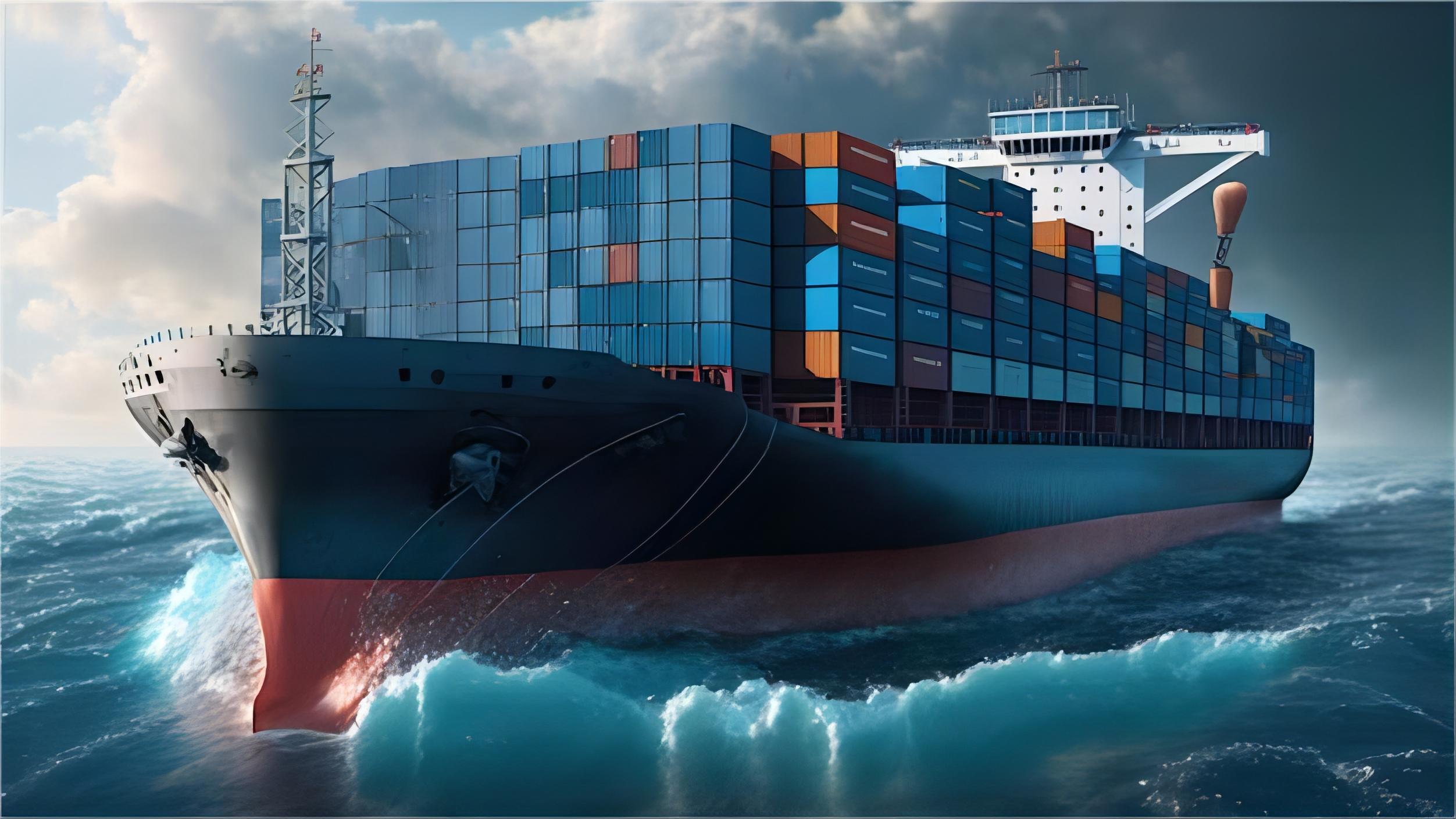
Moreover, FCL shipments typically move faster than Less than Container Load (LCL) options because they skip the consolidation and deconsolidation phases. Therefore, businesses can maintain tighter inventory controls and meet demanding delivery schedules with greater precision. Indeed, the direct nature of FCL logistics minimizes handling points, which significantly lowers the probability of transit delays or loading errors.
Additionally, Belgian ports like Antwerp and Zeebrugge are world-class hubs equipped with advanced infrastructure to handle massive container volumes. Choosing shipping to Europe via these gateways ensures your products are positioned perfectly for distribution across the continent. Furthermore, the administrative processes in Belgium are highly digitized, facilitating smoother entry for your imported goods.
How Does FCL Compare to Other Shipping Options?
Understanding the differences between various transport modes is essential for optimizing your logistics budget and timeline. While sea freight is the most common method, other alternatives like rail or air might suit specific business needs depending on urgency and cargo value. For instance, sea freight provides the lowest cost per unit for bulk shipments but requires the longest lead times.
On the other hand, rail freight serves as a middle ground, offering faster transit than the sea while remaining significantly cheaper than air transport. However, FCL sea freight remains the gold standard for large-scale trade due to its massive capacity and economies of scale. In contrast, air freight is reserved for time-critical or high-value items where the speed justifies the premium price.
Hybrid solutions, such as sea-air or rail-sea combinations, are also gaining traction among modern supply chain managers. These strategies allow for flexibility when traditional routes face congestion or seasonal spikes in demand. Nevertheless, for the majority of standard commercial imports, a dedicated full container offers the best balance of protection and price.
| Shipping Method | Cost Range (USD) | Transit Time | Best For |
|---|---|---|---|
| FCL Sea Freight | $2,000 – $4,200 | 30 – 40 Days | Bulk goods / Cost savings |
| LCL Sea Freight | $50 – $120 per CBM | 35 – 45 Days | Small shipments < 15CBM |
| Rail Freight | $4,500 – $7,000 | 18 – 24 Days | Medium urgency / Landlocked |
| Air Freight | $5.00 – $9.00 per kg | 5 – 8 Days | High value / Urgent |
How Much Does Trusted FCL Shipping from China to Belgium Cost?
Determining the exact cost of trusted FCL shipping from China to Belgium involves several variables, including container size, seasonal demand, and fuel surcharges. Typically, a 20-foot container (20GP) is more economical for heavy, dense goods, whereas a 40-foot high cube (40HQ) offers better value for voluminous cargo. Furthermore, market fluctuations can cause rates to shift weekly, making it vital to stay updated on current logistics trends.
As of early 2025, freight rates have stabilized, though peak seasons like the weeks leading up to the Lunar New Year still see significant spikes. For example, ocean freight for a 40HQ container from Shanghai to Antwerp might range between $3,000 and $4,200 depending on the carrier and service level. Additionally, you must account for local charges such as terminal handling fees, documentation costs, and port security levies.
Selecting a reliable freight forwarder helps in navigating these costs by providing transparent breakdowns and negotiating better contracts with major carriers. Without a doubt, avoiding hidden fees is easier when you work with experienced partners who understand the Belgian port tariff structures. Note: Freight rates are subject to change based on fuel costs, carrier capacity, and seasonal demand. Contact us for a current quote tailored to your specific shipment.
| Container Type | Average Rate (Low) | Average Rate (High) | Capacity (CBM) |
|---|---|---|---|
| 20GP Container | $1,800 | $2,500 | 28 – 33 CBM |
| 40GP Container | $2,800 | $3,800 | 67 – 68 CBM |
| 40HQ Container | $3,000 | $4,200 | 76 – 78 CBM |
Transit Times for Full Container Loads to Belgium
Shipping timelines from major Chinese ports to Belgium generally fall within the 30 to 40-day range for direct sea routes. Specifically, departures from Southern China ports like Shenzhen or Guangzhou may take slightly longer than those from Eastern ports like Ningbo or Shanghai due to the sailing path. Consequently, planning your production cycle around these transit times is essential for maintaining consistent stock levels.
Weather conditions and port congestion can occasionally extend these durations by a few days. However, the Port of Antwerp-Bruges is known for its high efficiency and quick vessel turnaround times, which helps mitigate potential delays. Furthermore, choosing a direct service instead of a transshipment route can save you 5 to 7 days, though it may come at a 10% higher cost.
Once the vessel arrives, the discharge and customs brokerage process typically takes another 2 to 4 business days. Therefore, a total door-to-door timeline of 45 to 50 days is a realistic expectation for most FCL shipments. Indeed, staying informed about the delivery schedule allows you to coordinate inland transport more effectively.
Essential Customs Documentation for Belgian Imports
Navigating the regulatory landscape is a mandatory step for any successful import operation into the European Union. Belgium requires specific documentation to verify the origin, value, and safety of the goods being brought into the country. For instance, the Bill of Lading, Commercial Invoice, and Packing List are the primary documents required for every FCL shipment.
In addition to these, you may need a Certificate of Origin to qualify for preferential tariff treatments under various trade agreements. Moreover, certain products like electronics or chemicals might require CE marking or REACH compliance certificates to meet EU safety standards. Consequently, failure to provide accurate paperwork can lead to costly delays or even the seizure of your cargo by Belgian customs authorities.
Working with a specialist in door to door logistics can simplify this process immensely. These professionals handle the complex filings and ensure all duties and taxes are calculated correctly before the ship reaches the port. Furthermore, they can advise on the EORI number registration, which is a prerequisite for any business importing into Belgium.
Which Shipping Option Should You Choose?
Selecting the right method depends largely on your specific business constraints and the nature of your products. If your primary goal is budget optimization and you are shipping more than 15 cubic meters, FCL sea freight is unquestionably the best choice. On the other hand, if you are launching a new product and need it in the Belgian market within two weeks, rail freight is the more suitable alternative.
Cargo type also plays a significant role in the decision-making process. For example, heavy industrial equipment is almost always shipped via FCL due to the weight limits of other modes and the need for specialized container handling. Meanwhile, high-fashion apparel or seasonal electronics might benefit from the speed of air freight to capitalize on market trends before they fade.
To summarize, you should prioritize FCL sea freight when volume is high and lead times are flexible. Conversely, choose rail for a balance of speed and cost, or air for maximum urgency. By evaluating these factors carefully, you can develop a logistics strategy that supports your long-term growth and profitability.
Case Studies: Successful FCL Shipments to Belgium
Case Study 1: High-Volume Electronics Distribution. Route: Shenzhen, China to Antwerp, Belgium. Cargo: Consumer electronics, 75 CBM, 18,500 kg. Container: 40HQ. Shipping Details: Direct carrier service via COSCO. Port of Loading: Shenzhen. Port of Discharge: Antwerp. Timeline: 32 days sea transit, 3 days customs clearance. Total door-to-door: 42 days. Key Insight: Booking 3 weeks in advance secured a rate 15% below the peak market average.
Case Study 2: Industrial Machinery Import. Route: Ningbo, China to Zeebrugge, Belgium. Cargo: CNC Machinery, 28 CBM, 12,000 kg. Container: 20GP. Shipping Details: Transshipment via Singapore. Port of Loading: Ningbo. Port of Discharge: Zeebrugge. Timeline: 38 days sea transit, 5 days customs inspection. Total door-to-door: 48 days. Key Insight: Professional packing and bracing within the FCL container prevented damage during the transshipment handling phase.
Case Study 3: Seasonal Furniture Stock. Route: Shanghai, China to Antwerp, Belgium. Cargo: Outdoor furniture, 65 CBM, 9,000 kg. Container: 40GP. Shipping Details: Major carrier direct. Port of Loading: Shanghai. Port of Discharge: Antwerp. Timeline: 34 days sea transit, 2 days clearance. Total door-to-door: 44 days. Key Insight: Utilizing a 40GP instead of multiple 20GP containers reduced the total freight cost by 25% for the same volume.
Final Thoughts on FCL Logistics to Belgium
In conclusion, mastering the nuances of trusted FCL shipping from China to Belgium is vital for any importer seeking a competitive edge. By understanding the cost structures, transit times, and documentation requirements, you can significantly reduce risks and improve your bottom line. Whether you are shipping machinery, electronics, or retail goods, the security and efficiency of a full container load remain unmatched.
Furthermore, partnering with an experienced freight forwarder ensures that your cargo is handled with the highest level of professional care. As global logistics trends continue to evolve, staying informed and flexible will allow you to navigate challenges effectively. We encourage you to leverage the insights in this guide to optimize your next shipment to the heart of Europe.
Ready to streamline your logistics?
Ready to streamline your supply chain with trusted FCL shipping from China to Belgium? Contact Top China Freight today for a customized quote and expert logistics support. Visit our website to learn more about our comprehensive shipping solutions. Send Inquiry
Request Quote