
Trusted FCL Shipping from Shenzhen to Spain: Your Comprehensive Guide
“Embarking on international trade often presents complex logistical challenges. For businesses moving substantial goods, ensuring trusted FCL shipping from Shenzhen to Spain is paramount for supply chain integrity. This comprehensive guide, provided by Top China Freight, will demystify the process, offering crucial insights and strategies for your full container load shipments. Ultimately, we aim to streamline your import operations and enhance your overall efficiency.”

What is FCL Shipping and Why Choose It for Shenzhen to Spain?
❖Full Container Load (FCL) shipping involves reserving an entire shipping container exclusively for your cargo. This method is ideal when you have sufficient volume to fill a 20-foot or 40-foot container. Consequently, it offers enhanced security and often faster transit times compared to sharing space.
Choosing FCL for your Shenzhen to Spain route provides several distinct advantages. It minimizes handling, reducing the risk of damage or loss. Ultimately, FCL is a robust solution for significant import/export volumes.
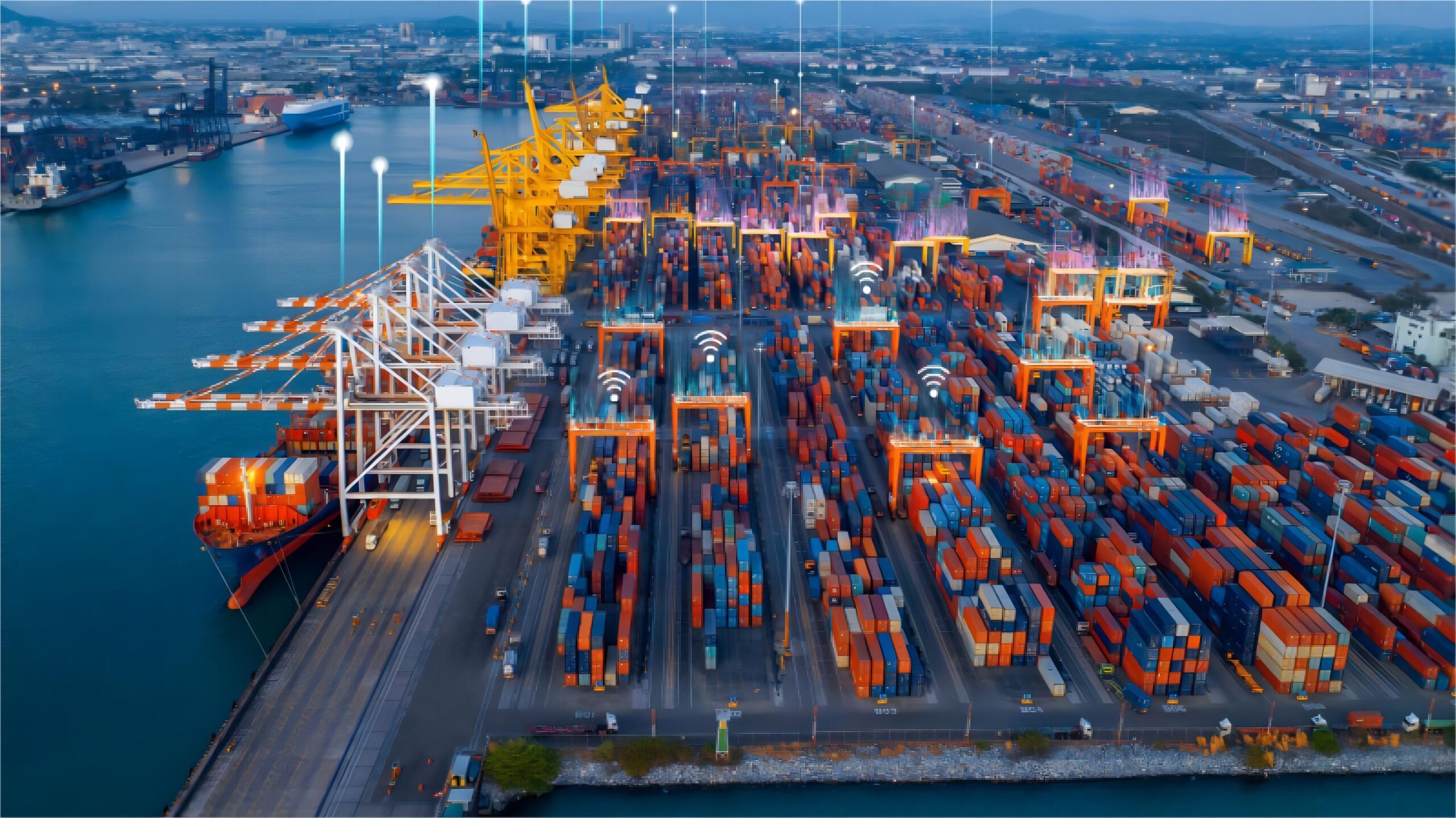
Key Considerations for Trusted FCL Shipping from Shenzhen to Spain
❖When planning your FCL shipment, several critical factors demand careful attention. Understanding these elements ensures a smoother, more efficient, and truly trusted FCL shipping from Shenzhen to Spain. Moreover, proactive planning can circumvent common logistical pitfalls.
Selecting a reliable freight forwarder is crucial. A seasoned partner can navigate complex customs procedures and optimize your freight rates. Secondly, consider the specific requirements of your cargo, including its dimensions, weight, and any special handling needs.
Understanding Transit Times and Routes
Transit time for FCL shipments from Shenzhen to Spain typically ranges from 28 to 35 days, depending on the specific port of discharge and carrier. Direct routes are generally faster but can sometimes be more expensive. In contrast, routes involving transshipment might add a few days but could offer cost savings.
Major ports of loading in China include Shenzhen, Shanghai, and Ningbo. Key Spanish ports of discharge often include Valencia, Barcelona, and Algeciras. Therefore, selecting the optimal port combination is vital for an efficient delivery schedule.
Navigating Customs and Documentation
Customs clearance is a critical step in international shipping. Proper documentation is essential to avoid delays and penalties. Indeed, incomplete or incorrect paperwork is a leading cause of hold-ups at borders.
You will need a commercial invoice, packing list, bill of lading, and potentially a certificate of origin. Furthermore, understanding Spain’s import regulations and any applicable duties and taxes is paramount. A proficient customs brokerage service can prove invaluable here.
Optimizing Your FCL Freight Rates and Shipping Costs
❖Managing shipping costs effectively is fundamental to any successful import operation. FCL freight rates from Shenzhen to Spain can fluctuate based on various market conditions. Consequently, understanding these dynamics can help you secure better deals.
Factors influencing costs include fuel surcharges, peak season demand, and carrier capacity. As of early 2025, rates for a 40HQ container typically range from $3,000 to $4,200. However, these are subject to change. Always request a current quote for precise planning.
Note: Freight rates are subject to change based on fuel costs, carrier capacity, and seasonal demand. Contact us for a current quote tailored to your specific shipment.
Cost-Saving Strategies for FCL Shipments
Several strategies can help reduce your overall FCL shipping costs. Firstly, booking in advance, especially during peak seasons, can often lead to more favorable rates. Secondly, consolidating orders to maximize container utilization is highly effective for reducing per-unit costs.
Moreover, consider off-peak shipping if your delivery schedule allows for flexibility. Negotiating with multiple carriers or leveraging the expertise of a freight forwarder can also yield significant savings. In addition, always factor in potential demurrage and detention charges to avoid unexpected expenses.
How Does FCL Shipping Compare to Other Shipping Options?
❖While FCL is often the preferred choice for bulk cargo, it is important to consider alternative shipping methods. Each option offers distinct advantages and disadvantages regarding speed, cost, and suitability for different cargo types. A holistic view ensures optimal logistics trends for your business.
Understanding these comparisons helps in making informed decisions about your supply chain. For instance, sometimes a hybrid approach might be the most efficient solution. Consequently, evaluating all possibilities is crucial for strategic planning.
| Shipping Method | Cost Range (40HQ equivalent) | Transit Time (Shenzhen-Spain) | Best For | Limitations |
|---|---|---|---|---|
| FCL Ocean Freight | $3,000-4,200 | 28-35 days | Large volumes, bulky items, cost-efficiency, secure cargo handling | Longer transit times, less flexible scheduling |
| LCL Ocean Freight | $50-80/CBM (for <15 CBM) | 35-45 days | Smaller volumes (under 15 CBM), budget-conscious, flexible | More handling, potential delays, shared container risk |
| Air Freight | $15,000-25,000 (for 40HQ volume) | 5-7 days | Urgent shipments, high-value goods, small parcels | High cost, limited by cargo size/weight, environmental impact |
Alternative Shipping Approaches
For smaller shipments, Less than Container Load (LCL) provides a cost-effective alternative to FCL. Your cargo shares container space with other shippers, meaning you only pay for the volume you use. However, LCL typically involves more handling and longer transit times due to consolidation and deconsolidation processes.
Air freight offers unparalleled speed for urgent or high-value goods. While significantly more expensive than ocean freight, it drastically reduces transit time from weeks to mere days. This option is ideal for time-sensitive deliveries or smaller, critical components. Learn more about air freight services.
Rail freight, primarily via the China-Europe railway, presents a balance between sea and air in terms of cost and speed. However, for Shenzhen to Spain, direct sea routes are generally more common and often more direct. Nevertheless, it remains a viable option for certain European destinations. Explore rail freight possibilities.
Hybrid solutions, such as sea-air combinations, can also be considered. For example, shipping by sea to a hub like Dubai and then by air to Spain can offer a balance of speed and cost savings for specific scenarios. This approach caters to unique delivery schedule requirements.
Which Option Should You Choose for Your Trusted FCL Shipping from Shenzhen to Spain?
❖Selecting the most suitable FCL shipping option requires a clear understanding of your priorities. A strategic decision framework can guide you towards the most effective solution for your business. Consider your budget, urgency, and the nature of your goods.
Ultimately, the best choice aligns with your specific operational needs and overarching business goals. For example, a business prioritizing speed over cost will lean towards different solutions than one focused purely on minimizing freight rates.
Decision Framework for Your Cargo
If **budget is your primary priority**, FCL ocean freight is almost always the most cost-effective solution for large volumes. It provides the lowest per-unit shipping costs, especially for non-time-sensitive goods. Consider optimizing container space to further reduce expenses.
If **speed is paramount**, air freight is the undisputed champion, despite its higher cost. For instance, if you have urgent inventory replenishment or critical components, air cargo ensures the quickest delivery. However, for extremely large or heavy items, air freight might be impractical.
For **cargo type considerations**, FCL is ideal for durable goods, machinery, raw materials, or products that require minimal handling. Perishable goods, on the other hand, might necessitate specialized refrigerated containers (Reefers) or even air freight for freshness. Delicate items also benefit from the reduced handling of FCL.
**Volume thresholds** are crucial for switching methods. For shipments exceeding 15 CBM, FCL generally becomes more economical than LCL. If your volume consistently approaches or fills a 20GP container, investing in FCL will provide better security and often a more predictable transit time. Conversely, for volumes under 2-3 CBM, express services might even be competitive with LCL for specific routes. Explore express service options.
Real-World FCL Shipping Success Stories to Spain
❖Examining actual case studies provides valuable insights into the practicalities and benefits of trusted FCL shipping from Shenzhen to Spain. These examples highlight how effective planning and reliable partnerships lead to successful deliveries. They showcase diverse scenarios and solutions.
These scenarios demonstrate the adaptability and efficiency of FCL solutions for various business needs. They also underscore the importance of expert door-to-door logistics management.
Case Study 1: Large Volume Furniture Import
This case study illustrates a seamless shipment of furniture, demonstrating efficient cargo handling and timely delivery.
| Detail | Value |
|---|---|
| Route | Shenzhen, China -> Valencia, Spain |
| Cargo | Flat-pack furniture, 65 CBM, 12,000 kg |
| Container | 1 x 40HQ |
| Shipping Details | Carrier: MSC, Port of Loading: Yantian (Shenzhen), Port of Discharge: Valencia, Route Type: Direct |
| Cost Breakdown | Ocean Freight: $3,800, Origin Charges: $450, Destination Charges: $600, Customs & Duties (estimated): $1,500, Total Landed Cost: $6,350 (Based on Q3 2024 market rates) |
| Timeline | Booking to Loading: 5 days, Sea Transit: 30 days, Customs Clearance: 3 days, Total Door-to-Door: 38 days |
| Key Insight | Direct service minimized transit time and handling. Careful packing ensured zero damage to delicate furniture. Proactive customs documentation prevented delays. |
Case Study 2: Seasonal Apparel Shipment
This example showcases how a fashion retailer managed a time-sensitive, seasonal shipment effectively using FCL.
| Detail | Value |
|---|---|
| Route | Shekou (Shenzhen), China -> Barcelona, Spain |
| Cargo | Seasonal apparel, 28 CBM, 4,500 kg |
| Container | 1 x 20GP |
| Shipping Details | Carrier: COSCO, Port of Loading: Shekou (Shenzhen), Port of Discharge: Barcelona, Route Type: Direct |
| Cost Breakdown | Ocean Freight: $2,200, Origin Charges: $380, Destination Charges: $550, Customs & Duties (estimated): $800, Total Landed Cost: $3,930 (Typical rates as of early 2025) |
| Timeline | Booking to Loading: 7 days, Sea Transit: 32 days, Customs Clearance: 2 days, Total Door-to-Door: 41 days |
| Key Insight | Booking well in advance avoided peak season surcharges. Efficient communication with the forwarder ensured timely customs pre-clearance, crucial for seasonal goods. |
| Note | Q4 peak season rates for this route can increase by 15-20%. |
Case Study 3: Industrial Components for Manufacturing
This case highlights a steady supply of industrial components, crucial for a Spanish manufacturing plant’s consistent operation.
| Detail | Value |
|---|---|
| Route | Yantian (Shenzhen), China -> Algeciras, Spain |
| Cargo | Industrial machine parts, 58 CBM, 20,000 kg |
| Container | 1 x 40GP |
| Shipping Details | Carrier: Maersk, Port of Loading: Yantian (Shenzhen), Port of Discharge: Algeciras, Route Type: Direct |
| Cost Breakdown | Ocean Freight: $3,500, Origin Charges: $420, Destination Charges: $580, Customs & Duties (estimated): $1,200, Total Landed Cost: $5,700 (Industry average for this route, Q1 2025) |
| Timeline | Booking to Loading: 6 days, Sea Transit: 33 days, Customs Clearance: 4 days, Total Door-to-Door: 43 days |
| Key Insight | Consistent volume allowed for favorable contract rates. Robust packaging for heavy machinery prevented transit damage. Algeciras’ strategic location facilitated onward distribution within Spain. |
| Market Context | As of Q1 2025, freight rates from China to Europe have stabilized after the 2024 Red Sea disruptions, making long-term planning more predictable. |
Ensuring a Secure Supply Chain from Shenzhen to Spain
❖A secure supply chain is fundamental to maintaining business continuity and protecting your assets. When engaging in trusted FCL shipping from Shenzhen to Spain, robust security measures are not merely an option, but a necessity. This proactive approach safeguards your cargo against various risks.
This involves careful selection of carriers, adherence to international shipping regulations, and comprehensive insurance coverage. Furthermore, continuous monitoring and transparent communication throughout the shipping process are vital for peace of mind.
Risk Mitigation and Insurance
Despite best practices, unforeseen events can occur. Therefore, adequate cargo insurance is a non-negotiable aspect of FCL shipping. It provides financial protection against loss, damage, or theft during transit. Moreover, understanding the terms of your insurance policy is critical.
Mitigating risks also involves selecting reputable partners and ensuring all parties adhere to strict security protocols. This includes secure container sealing, proper cargo handling procedures, and robust port security at both ends of the journey. Ultimately, a layered security strategy offers the best protection.
Your Partner for Trusted FCL Shipping from Shenzhen to Spain
Navigating the complexities of international logistics, particularly trusted FCL shipping from Shenzhen to Spain, demands expertise and a reliable partner. We have explored the critical aspects, from understanding FCL benefits to optimizing costs and ensuring supply chain security. By applying these insights, businesses can achieve greater efficiency and predictability in their import operations.
Ultimately, a well-managed FCL shipment contributes significantly to your bottom line and customer satisfaction. Therefore, partnering with an experienced freight forwarder is essential for a seamless and successful shipping experience. Let us help you achieve your logistics goals.
Ready to streamline your logistics?
Ready to streamline your FCL shipping from Shenzhen to Spain? Contact Top China Freight today for a personalized quote and expert guidance. Our team is prepared to help you navigate complex logistics with ease, ensuring your cargo arrives safely and on schedule.
Request Quote