
Trusted LCL Shipping from Shenzhen to Italy: Your Ultimate Guide
“Navigating international logistics can be complex, especially when shipping less than container load (LCL) from Shenzhen to Italy. Businesses often face challenges like unpredictable transit times, varying freight rates, and intricate customs procedures. This guide offers comprehensive insights into securing trusted LCL shipping from Shenzhen to Italy, ensuring your cargo arrives efficiently and cost-effectively. We will explore everything from choosing the right service to optimizing your supply chain.”
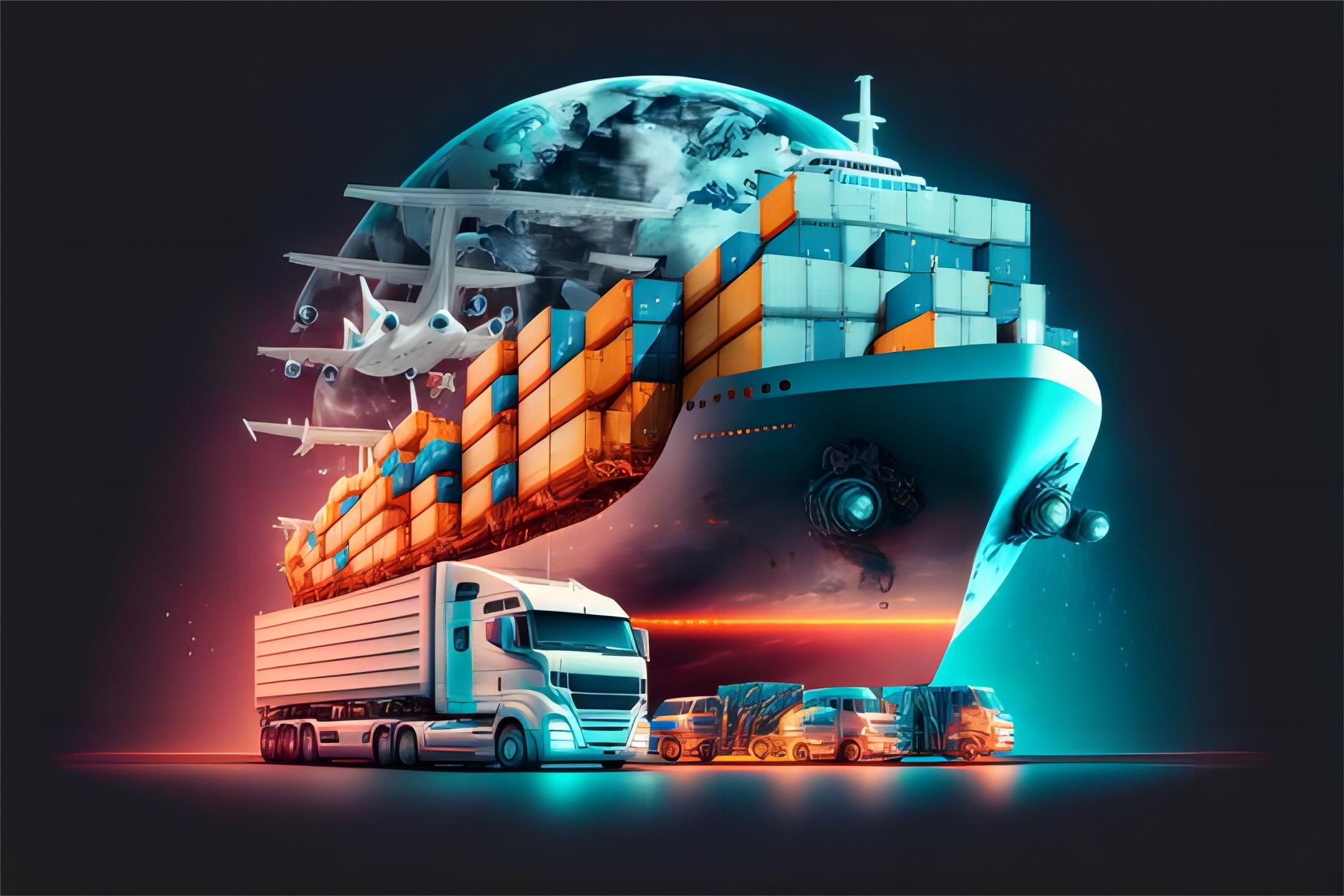
What is LCL Shipping and Why Choose it for Shenzhen to Italy?
❖LCL, or Less than Container Load, shipping involves consolidating multiple smaller shipments from different shippers into one container. This method is particularly beneficial when your cargo volume is insufficient to fill an entire 20-foot or 40-foot container. Essentially, you only pay for the space your goods occupy.

Choosing LCL for your Shenzhen to Italy route offers distinct advantages, especially for small to medium-sized businesses. It significantly reduces your sea freight costs, making international trade more accessible. Moreover, it provides a flexible solution for frequent, smaller volume imports, bypassing the need to wait for a full container load.
Furthermore, this approach ensures efficient use of resources and minimizes your overall shipping expenses. Many companies find LCL freight rates Shenzhen to Italy to be highly competitive. It is an ideal option for those seeking consolidated shipping from China to Italy without the commitment of an FCL shipment, thus supporting small business shipping solutions China to Italy effectively.
Key Factors Influencing LCL Shipping from Shenzhen to Italy
❖Several critical elements dictate the efficiency and cost of your LCL shipment from Shenzhen to Italy. Understanding these factors is crucial for effective supply chain management. This knowledge empowers you to make informed decisions, ensuring smooth and predictable cargo delivery schedules.
Transit Times and Routes
Typically, LCL transit times from Shenzhen to Italy range from 30 to 40 days. However, this duration can fluctuate based on the specific carrier, the chosen route, and potential transshipment points. Direct routes are generally faster but may come at a slightly higher cost, whereas transshipment via major hubs like Singapore or Port Klang can extend the journey.
Additionally, seasonal variations and port congestion can impact the overall delivery schedule. For instance, peak shipping seasons, such as before major holidays, often lead to longer transit times. Consequently, planning your shipments well in advance is highly recommended to mitigate potential delays and manage expectations effectively.
Freight Rates and Costs
LCL shipping costs from Shenzhen to Italy are primarily determined by the volume (CBM) or weight of your cargo, with the higher of the two being used for calculation. Beyond the base ocean freight, you will encounter various surcharges, including origin charges (THC, documentation), and destination charges (port fees, deconsolidation).
Moreover, local delivery, customs duties, and taxes further contribute to the total landed cost. Therefore, obtaining a detailed quote that breaks down all these components is essential. This transparency helps in understanding the true cost of importing goods from Shenzhen to Italy and avoids unexpected expenses upon arrival. Market data suggests rates fluctuate based on fuel costs and carrier capacity.
Note: Freight rates are subject to change based on fuel costs, carrier capacity, and seasonal demand. Contact us for a current quote tailored to your specific shipment.
Customs Clearance and Documentation
Navigating Italian customs procedures requires meticulous attention to detail. Essential documents typically include the commercial invoice, packing list, bill of lading, and potentially a certificate of origin. Any discrepancies or missing paperwork can lead to significant delays and additional charges.
Therefore, partnering with an experienced customs brokerage service is invaluable. A reliable broker ensures all documentation is accurate and compliant with Italian regulations. They streamline the import/export process, minimizing the risk of customs-related issues and facilitating a smoother entry for your cargo.
How Does LCL Shipping Compare to Other Shipping Options?
❖When considering shipping from China to Europe, LCL is just one of several viable options. Each method presents a unique balance of cost, speed, and suitability for different cargo types and volumes. Understanding these alternatives is key to making the best logistics decision for your business.
Consequently, a comprehensive comparison helps in identifying the most efficient and economical approach. This section analyzes LCL against Full Container Load (FCL) sea freight, air freight, and rail freight, providing a clear overview of their respective advantages and limitations.
| Shipping Method | Cost Range (Shenzhen-Italy) | Transit Time | Best For | Limitations |
|---|---|---|---|---|
| LCL Sea Freight | $80-150 per CBM | 30-40 days | Small to medium volumes, cost-sensitive | More handling, longer transit, potential delays |
| FCL Sea Freight | $3,000-4,200 per 40HQ | 28-35 days | Large volumes, direct control, bulk goods | Higher minimum cost, less flexible for small shipments |
| Air Freight | $5-10 per kg | 5-8 days | Urgent, high-value, perishable goods | Very expensive, volume/weight restrictions, environmental impact |
| Rail Freight | $0.80-1.50 per kg | 18-25 days | Balance of speed and cost, medium urgency | Limited terminal destinations, frequency, capacity constraints |
Which Option Should You Choose?
The ideal shipping method depends entirely on your specific priorities. If budget is your primary concern and transit time is flexible, LCL or FCL sea freight are the most cost-effective choices. For example, for shipments under 15 CBM, LCL at $80-150/CBM is more economical than an FCL.
Conversely, if speed is paramount for urgent or high-value goods, air freight is unmatched, despite its higher cost. Rail freight offers a good compromise, providing faster transit than sea freight at a lower cost than air. Therefore, evaluating your cargo volume, urgency, and budget will guide your decision towards the most suitable option.
Real-World Scenarios: Trusted LCL Shipping from Shenzhen to Italy
❖Exploring practical examples can illuminate the benefits and challenges of LCL shipping. These case studies highlight how various businesses leverage LCL services for their specific needs. They illustrate the complexities and successful outcomes associated with importing goods from Shenzhen to Italy.
These scenarios demonstrate the importance of meticulous planning and choosing a reliable logistics partner. Furthermore, they provide insights into typical costs and timelines, offering a realistic perspective on `door-to-door` LCL solutions. These examples are based on current market rates as of early 2025.
Case Study 1: Apparel Imports from Shenzhen to Milan
A small e-commerce fashion brand required regular imports of new clothing collections. Their volumes were consistently too small for an FCL. Therefore, they opted for LCL, prioritizing cost-effectiveness for their growing business model.
| Detail | Value |
|---|---|
| Route | Shenzhen, China -> Milan, Italy |
| Cargo | Fashion Apparel, 6 CBM, 800 kg |
| Container | LCL 6 CBM |
| Shipping Details | Carrier/Service: Major carrier; Port of Loading: Shenzhen; Port of Discharge: Genoa; Route Type: Transshipment via Singapore |
| Ocean Freight | $600 (approx. $100/CBM) |
| Origin Charges (THC, documentation) | $150 |
| Destination Charges | $200 |
| Customs & Duties (estimated) | $300 |
| Total Landed Cost | $1250 |
| Booking to Loading | 5 days |
| Sea Transit | 35 days |
| Customs Clearance | 3 days |
| Total Door-to-Door | 43 days |
| Key Insight | Effective consolidation reduced per-unit costs significantly, making small volume imports viable. Based on Q3 2024 market rates. |
Case Study 2: Machine Parts for Italian Manufacturer
An Italian machinery manufacturer needed to import specialized spare parts from multiple suppliers in Shenzhen. These parts were crucial for their production line, necessitating a balance between cost and a reasonably predictable delivery schedule. They chose LCL to consolidate these disparate shipments efficiently.
This strategy allowed them to manage their inventory without overstocking, ensuring a steady supply of components. Our door-to-door service further simplified their logistics, handling everything from pickup to final delivery.
| Detail | Value |
|---|---|
| Route | Shenzhen, China -> Bologna, Italy |
| Cargo | Machine Components, 12 CBM, 3000 kg |
| Container | LCL 12 CBM |
| Shipping Details | Carrier/Service: Major carrier; Port of Loading: Shenzhen; Port of Discharge: La Spezia; Route Type: Direct service |
| Ocean Freight | $1440 (approx. $120/CBM) |
| Origin Charges (THC, documentation) | $250 |
| Destination Charges | $350 |
| Customs & Duties (estimated) | $500 |
| Total Landed Cost | $2540 |
| Booking to Loading | 7 days |
| Sea Transit | 30 days |
| Customs Clearance | 4 days |
| Total Door-to-Door | 41 days |
| Key Insight | Prioritizing a direct service minimized transit time for time-sensitive production parts, despite slightly higher initial costs. Typical rates as of early 2025. |
Optimizing Your LCL Supply Chain from Shenzhen to Italy
❖Beyond understanding the basics, optimizing your LCL supply chain involves strategic decisions and best practices. Implementing these can lead to significant cost savings and improved efficiency. Ultimately, a well-managed supply chain ensures consistent and reliable delivery of your goods.
Choosing a Reliable Freight Forwarder
Selecting an experienced and reputable freight forwarder is perhaps the most critical step for successful LCL shipping. A good partner possesses extensive knowledge of both Shenzhen and Italian logistics, including port operations and customs regulations. They should also offer comprehensive cargo consolidation services China to Italy.
Furthermore, a reliable freight forwarder provides transparent communication, real-time tracking, and proactive problem-solving. This partnership minimizes risks and ensures your cargo moves smoothly through every stage of its journey. Always look for a partner with a strong network and proven track record for reliable LCL service China to Italy.

Packaging and Labeling Best Practices
Proper packaging is crucial for LCL shipments, as consolidated cargo undergoes more handling than FCL. Goods must be securely packed to withstand transit, using appropriate materials and methods. Robust packaging prevents damage and protects your products from external elements.
Moreover, clear and accurate labeling is indispensable. Each package should be clearly marked with destination details, handling instructions, and relevant product information. This meticulous approach to cargo handling reduces the risk of misrouting and facilitates efficient sorting at consolidation and deconsolidation points.
Understanding Incoterms
Incoterms define the responsibilities of buyers and sellers for the delivery of goods under sales contracts. For LCL shipments, selecting the appropriate Incoterm is vital as it dictates who pays for and manages different parts of the journey. For instance, EXW (Ex Works) places most responsibility on the buyer, while DDP (Delivered Duty Paid) places it on the seller.
Therefore, a clear understanding of Incoterms impacts your total shipping costs, insurance requirements, and liability. Consulting with your freight forwarder to choose the most suitable Incoterm for your specific import/export scenario is always advisable. This prevents disputes and ensures a clear division of duties.
Advanced Strategies for LCL Shipping to Italy
❖To further enhance your LCL shipping experience, consider incorporating advanced strategies into your logistics plan. These approaches can provide greater flexibility, efficiency, and risk mitigation. They are particularly useful for businesses looking to optimize their supply chain beyond standard practices.
Combining LCL with Other Services
Hybrid solutions can offer significant advantages. For instance, using express service for urgent samples or small, high-value items can complement your regular LCL shipments. This ensures critical components arrive quickly while bulk goods follow the more economical LCL route. Similarly, for e-commerce businesses, integrating Amazon FBA prep services in China can streamline the process before LCL departure.
This blend of services allows for a balanced approach to logistics, addressing both speed and cost considerations. It provides a strategic advantage by diversifying your shipping methods. Consequently, your supply chain becomes more resilient and responsive to market demands.
Risk Management and Insurance
While LCL is generally reliable, unexpected events like port congestion, weather delays, or accidental damage can occur. Implementing robust risk management strategies is therefore essential. This includes having contingency plans for potential disruptions and maintaining open communication with your logistics partner.
Furthermore, securing comprehensive cargo insurance is a non-negotiable aspect of LCL shipping. It protects your investment against unforeseen circumstances, covering losses due to theft, damage, or other transit-related incidents. This small investment provides significant peace of mind and financial security for your shipments.
Utilizing Technology for Tracking
Modern logistics platforms offer sophisticated tracking capabilities that provide real-time visibility for your LCL shipments. Leveraging these technologies allows you to monitor your cargo’s journey from Shenzhen to Italy, offering precise updates on its location and estimated arrival time. This transparency is invaluable for planning and inventory management.
Furthermore, advanced tracking systems can alert you to potential delays, enabling proactive communication with your customers or supply chain partners. This technological edge significantly improves the reliability of your delivery schedule. It empowers you with the information needed to make timely decisions and maintain customer satisfaction.
Partnering with an Expert for Your European Shipments
❖Choosing the right logistics partner is paramount for successful and trusted LCL shipping from Shenzhen to Italy. An experienced freight forwarder simplifies the complexities of international trade, offering tailored solutions that meet your specific business needs. They act as an extension of your team, navigating the intricate global shipping landscape on your behalf.
Our expertise in shipping from China to Europe ensures a seamless process, from cargo pickup in Shenzhen to final delivery in Italy. We provide competitive LCL freight rates, reliable transit times, and expert guidance on customs procedures. Partner with us to achieve efficiency and peace of mind for all your imports from Shenzhen to Italy.
Seamlessly Navigate LCL Shipping from Shenzhen to Italy
In summary, LCL shipping presents a highly effective and economical solution for businesses importing smaller volumes from Shenzhen to Italy. By understanding key factors like transit times, freight rates, and customs requirements, you can optimize your logistics strategy. Moreover, partnering with an experienced freight forwarder is crucial for navigating these complexities successfully.
Ultimately, a well-managed LCL service ensures your goods arrive efficiently and cost-effectively, bolstering your supply chain reliability. Choose a partner committed to providing trusted LCL shipping from Shenzhen to Italy, allowing you to focus on your core business growth.
Ready to streamline your logistics?
Ready to streamline your import process and secure trusted LCL shipping from Shenzhen to Italy? Our team of logistics professionals is prepared to offer tailored solutions and competitive freight rates. Contact us today for a personalized quote and experience seamless international shipping.
Request Quote