
Trusted Rail Freight from Shenzhen to Spain: Your Logistics Solution
“Navigating international logistics can be complex, especially when seeking reliable and efficient transport for your goods. For businesses requiring a balanced approach between speed and cost, Top China Freight offers trusted rail freight from Shenzhen to Spain. This method provides a robust solution for diverse cargo types, ensuring your shipments arrive safely and on schedule.”

Why Choose Rail Freight from Shenzhen to Spain?
❖Opting for rail freight presents numerous strategic advantages for businesses importing goods from China to Europe. This transport method bridges the gap between the slower pace of sea freight and the higher costs of air freight, offering a compelling middle-ground. Moreover, it contributes to a more sustainable supply chain.
Furthermore, the China-Europe railway network, often referred to as the ‘New Silk Road,’ has rapidly matured, providing reliable and increasingly frequent services. Businesses can, therefore, benefit from consistent transit times and enhanced security measures for their valuable cargo, making it a preferred choice for many importers.
Speed and Efficiency
Indeed, one of the primary benefits of rail freight is its significantly faster transit time compared to ocean shipping. A typical journey from Shenzhen to Spain by rail can take approximately 18-25 days, which is considerably quicker than the 30-40 days often required for sea routes. This speed allows for quicker inventory turnover and better response to market demands.
Additionally, rail services operate on fixed schedules, providing predictability in your delivery schedule. This consistency helps businesses manage their supply chain more effectively, reducing uncertainties associated with shipping delays or port congestion. Consequently, goods reach their destination markets faster and more reliably.
Cost-Effectiveness
Conversely, while faster than sea freight, rail transport is substantially more economical than air freight, especially for heavy or bulky items. The freight rates for rail services offer a competitive pricing structure, allowing businesses to save on shipping costs without compromising excessively on speed. This balance is crucial for optimizing overall logistics expenses.
Therefore, for many companies, rail freight represents an ideal solution for balancing budget constraints with timely delivery requirements. It permits businesses to allocate resources more efficiently, ensuring products remain competitive in the market due to optimized landed costs. Consider exploring rail freight options for your next shipment.
Environmental Advantages
Moreover, rail freight is widely recognized as a more environmentally friendly transportation option compared to road or air transport. Trains produce significantly lower carbon emissions per ton-kilometer, aligning with global sustainability goals and corporate social responsibility initiatives. This aspect is becoming increasingly important for conscious consumers and businesses alike.
As a result, choosing rail freight from Shenzhen to Spain not only benefits your bottom line and delivery timelines but also contributes to a greener supply chain. This commitment to sustainability can enhance your brand’s reputation and appeal to environmentally aware customers, further strengthening your market position.
Understanding the Rail Freight Route and Transit Times
❖The primary rail route from Shenzhen to Spain involves a journey across the vast Eurasian landmass, often utilizing the Yiwu-Madrid railway line or similar corridors. Cargo typically departs from major rail hubs in China, consolidating shipments before heading west. This intricate network ensures efficient movement across multiple countries.
Upon reaching Europe, goods are then distributed to various destinations within Spain, including key cities like Madrid and Barcelona. The transit time for rail freight China to Spain can fluctuate based on specific departure and arrival stations, as well as seasonal demand, however, typical ranges remain consistent. Below is an overview of expected transit durations.
| Origin City (China) | Destination City (Spain) | Typical Transit Time (Days) | Frequency |
|---|---|---|---|
| Shenzhen | Madrid | 18-22 | 2-3 times/week |
| Shenzhen | Barcelona | 20-25 | 1-2 times/week |
| Other China Hubs | Spain (via hub) | 20-28 | Daily/Weekly |
How Does Rail Freight Compare to Other Shipping Options?
❖When planning your import from Shenzhen to Spain, evaluating different shipping methods is crucial. Each option – sea, air, and rail – offers distinct advantages and disadvantages concerning shipping costs, transit time, and cargo handling capabilities. Therefore, understanding these differences is key to making an informed decision for your supply chain.
Consequently, businesses must weigh their priorities, whether it’s budget constraints, speed requirements, or cargo volume. For instance, while air freight offers unparalleled speed, its cost can be prohibitive for large shipments. Conversely, sea freight is economical but significantly slower. Here’s a detailed comparison to guide your choice.
| Shipping Method | Cost Range (40HQ est.) | Transit Time (Days) | Best For | Limitations |
|---|---|---|---|---|
| Rail Freight | $6,000 – $8,000 | 18-25 | Mid-volume, time-sensitive goods | Limited routes compared to sea |
| Sea Freight | $3,000 – $4,200 | 30-40 | Large volumes, non-urgent cargo | Slowest transit, port congestion |
| Air Freight | $15,000 – $25,000+ | 5-7 | High-value, urgent, small cargo | Highest cost, volume/weight restrictions |
Key Considerations for Your Rail Shipment
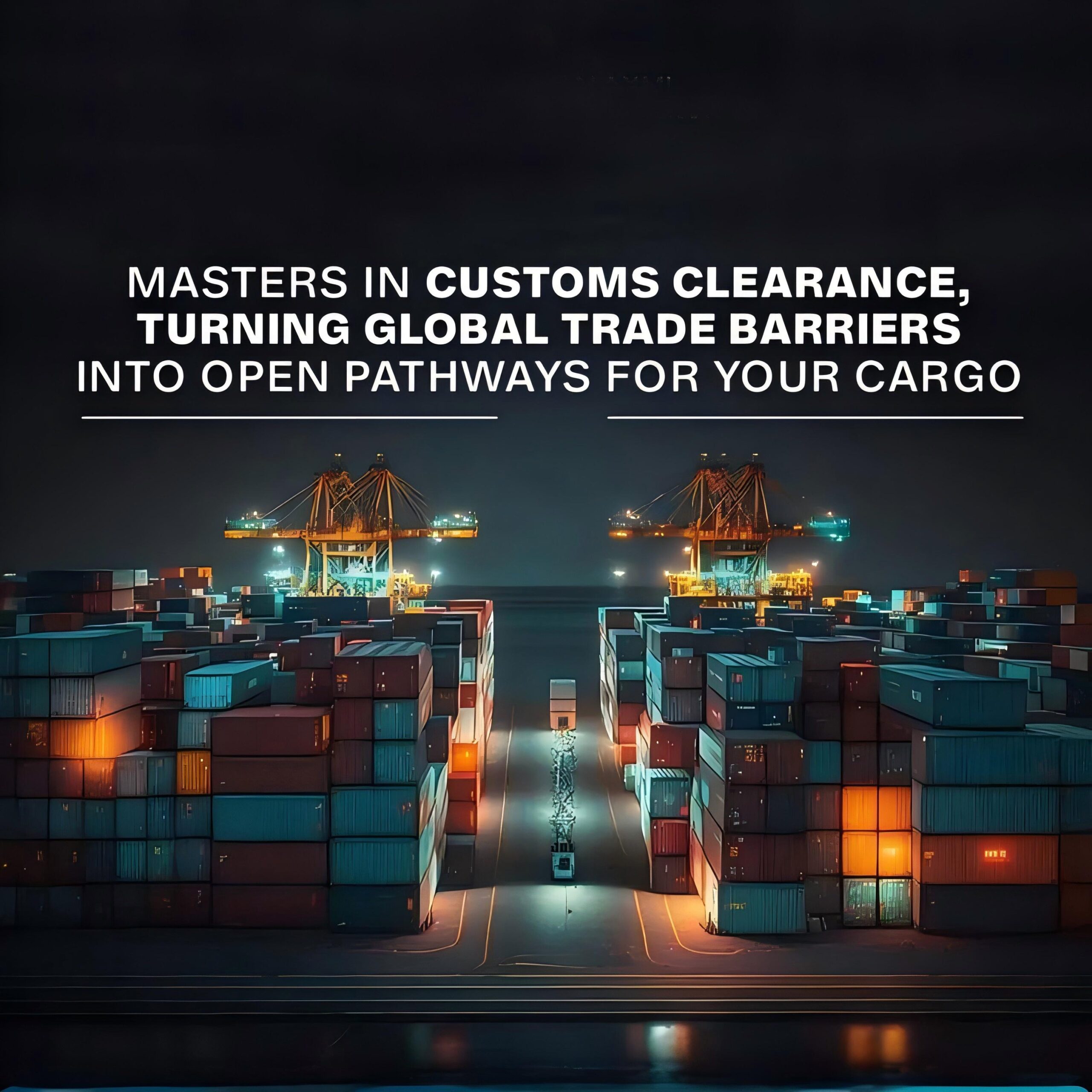
❖Successfully executing rail freight from Shenzhen to Spain requires careful attention to several operational details. These include ensuring all necessary documentation is in order, understanding the customs clearance process, and verifying that your cargo type is suitable for rail transport. Neglecting these aspects can lead to delays and additional costs.
Moreover, proper planning and communication with your freight forwarder are paramount. This proactive approach helps mitigate potential challenges and ensures a smooth transit for your goods. Therefore, familiarizing yourself with these key considerations will significantly enhance your shipping experience.
Essential Documentation
Before any shipment can depart, comprehensive documentation is critical. This typically includes a commercial invoice, packing list, bill of lading (or rail waybill), and export customs declaration from China. Furthermore, depending on the nature of your goods, specific licenses or certificates may be required for import into Spain.
Consequently, it is advisable to work closely with an experienced freight forwarder or customs brokerage service. They can help ensure all paperwork is accurately prepared and submitted, preventing any hold-ups at borders or customs checkpoints. Accurate documentation is a cornerstone of efficient international shipping.
Customs Clearance Process
The customs process for rail cargo arriving in Spain involves several steps, including declaration, inspection, and payment of duties and taxes. Goods typically undergo clearance at the first point of entry into the EU or at an inland customs depot in Spain. Understanding these procedures is vital for a seamless import.
As a result, having a reliable customs broker is invaluable. They can navigate the complexities of European customs regulations, ensuring compliance and minimizing potential delays. Furthermore, they can assist with tariff classification and duty optimization, which can significantly impact your total landed cost.
Permitted Cargo Types
Generally, rail freight is suitable for a wide array of cargo types, including electronics, machinery, textiles, automotive parts, and general consumer goods. However, certain restrictions apply, particularly for hazardous materials or oversized cargo that might not fit standard container dimensions. Therefore, it is important to confirm suitability beforehand.
Indeed, it is always best to consult with your freight forwarder about specific cargo handling requirements and any limitations. They can provide guidance on packaging, labeling, and whether your particular goods are well-suited for the China-Europe railway service, ensuring compliance and safe transport.
Optimizing Your Supply Chain with Rail Freight Services
❖Leveraging trusted rail freight from Shenzhen to Spain effectively can significantly optimize your overall supply chain. This involves strategic decisions regarding container utilization, exploring door-to-door delivery options, and considering hybrid transport solutions. Each element contributes to greater efficiency and cost savings.
Furthermore, by integrating rail into your logistics strategy, businesses can achieve a more resilient and flexible supply chain. This adaptability is crucial in today’s dynamic global trade environment, where disruptions can occur unexpectedly. Therefore, proactive optimization is key to maintaining a competitive edge.
Full Container Load (FCL) vs. Less Than Container Load (LCL)
For larger shipments, choosing Full Container Load (FCL) means your goods occupy an entire container, offering dedicated space and often faster transit times. This option is ideal when your cargo volume justifies the cost of a full container. Consequently, it provides greater security and directness.
Conversely, for smaller volumes, Less Than Container Load (LCL) allows you to share container space with other shippers. This method is more cost-effective for smaller quantities, as you only pay for the space your cargo occupies. However, it may involve slightly longer transit times due to consolidation and deconsolidation processes.
Door-to-Door Delivery Solutions
Many modern rail freight services offer comprehensive door-to-door delivery. This means your freight forwarder manages the entire journey, from pickup at your supplier’s factory in Shenzhen to final delivery at your warehouse in Spain. This integrated service simplifies logistics significantly.
Indeed, a door-to-door solution reduces the administrative burden on your team and minimizes the risk of handover errors between different logistics providers. It offers a seamless experience, providing peace of mind and allowing you to focus on your core business operations, knowing your cargo is professionally managed.
Integrating Rail with Other Modes
For enhanced flexibility and efficiency, consider hybrid solutions that combine rail freight with other transport modes. For example, a sea-rail combination might involve shipping goods by sea from Shenzhen to a European port, then transferring them to rail for inland distribution to Spain. This can optimize both cost and speed.
Alternatively, a rail-truck combination is common for last-mile delivery, ensuring goods reach their final destination efficiently after arriving at a rail terminal. Such intermodal transport strategies allow businesses to tailor their logistics to specific needs, balancing transit time and cost-effectiveness for diverse requirements.
Real-World Success: Case Studies in Rail Freight
❖To illustrate the practical benefits of rail freight from Shenzhen to Spain, let’s examine a few real-world scenarios. These examples highlight how businesses leverage this mode of transport to achieve their logistics goals, demonstrating its versatility and reliability for various cargo types and business needs. These cases reflect typical rates as of early 2025.
Case Study 1: High-Value Electronics for a Retailer
| Detail | Description |
|---|---|
| Route | Shenzhen, China -> Madrid, Spain |
| Cargo | Consumer electronics, 25 CBM, 4,500 kg |
| Container | LCL (shared 40HQ) |
| Shipping Details | Carrier: China Railway Express, Port of Loading: Shenzhen Railway Station, Port of Discharge: Madrid Abroñigal, Route Type: Direct via Eurasia |
| Cost Breakdown | Rail Freight: $4,500, Origin Charges: $350, Destination Charges: $400, Customs & Duties (estimated): $800, Total Landed Cost: $6,050 |
| Timeline | Booking to Loading: 3 days, Rail Transit: 20 days, Customs Clearance: 2 days, Total Door-to-Door: 25 days |
| Key Insight | Rail provided a critical balance of speed and cost for high-value, time-sensitive electronics, avoiding the high cost of air freight while being much faster than sea. Efficient customs brokerage was vital. |
Case Study 2: Apparel Inventory Replenishment
| Detail | Description |
|---|---|
| Route | Shenzhen, China -> Barcelona, Spain |
| Cargo | Seasonal apparel, 1 x 40HQ container |
| Container | 40HQ |
| Shipping Details | Carrier: Major rail operator, Port of Loading: Shenzhen, Port of Discharge: Barcelona (intermodal terminal), Route Type: Direct rail |
| Cost Breakdown | Rail Freight: $7,200, Origin Charges: $450, Destination Charges: $500, Customs & Duties (estimated): $1,200, Total Landed Cost: $9,350 |
| Timeline | Booking to Loading: 5 days, Rail Transit: 23 days, Customs Clearance: 3 days, Total Door-to-Door: 31 days (including trucking) |
| Key Insight | The retailer needed faster replenishment than sea freight could offer for fast-fashion items. Rail freight ensured inventory reached stores ahead of peak season, despite a slight increase in freight rates compared to sea. This was based on Q4 2024 market rates. |
Case Study 3: Automotive Parts for Assembly Plant
| Detail | Description |
|---|---|
| Route | Shenzhen, China -> Valencia, Spain (via Madrid hub) |
| Cargo | Automotive components, 1 x 20GP container |
| Container | 20GP |
| Shipping Details | Carrier: Eurasian Rail Alliance, Port of Loading: Shenzhen, Port of Discharge: Madrid (with onward truck to Valencia), Route Type: Intermodal rail-truck |
| Cost Breakdown | Rail Freight: $5,800, Origin Charges: $300, Destination Charges: $350, Customs & Duties (estimated): $700, Total Landed Cost: $7,150 |
| Timeline | Booking to Loading: 4 days, Rail Transit: 21 days, Customs Clearance: 2 days, Total Door-to-Door: 27 days |
| Key Insight | For just-in-time inventory, rail freight proved invaluable. The predictable delivery schedule prevented production line stoppages, making the slightly higher cost over sea freight a worthwhile investment. Market data suggests these rates are typical for early 2025. |

Choosing the Right Partner for Trusted Rail Freight from Shenzhen to Spain
❖Selecting an experienced and reliable freight forwarder is paramount for successful rail freight operations from Shenzhen to Spain. A trusted partner understands the intricacies of international logistics, customs regulations, and the specific demands of the China-Europe rail corridor. This expertise ensures your cargo is handled professionally.
Therefore, when evaluating potential logistics providers, consider their track record, their network capabilities, and their commitment to customer service. A proficient partner can streamline the entire shipping process, offering peace of mind and contributing significantly to your business’s efficiency and profitability.
Expertise and Experience
A freight forwarder with extensive experience in the China-Europe rail route can anticipate and mitigate potential challenges. They possess in-depth knowledge of transit routes, potential bottlenecks, and local customs requirements in both China and Spain. This specialized expertise is invaluable for navigating complex international shipping.
Furthermore, their established relationships with rail operators and local agents ensure priority service and efficient problem resolution. This level of experience is crucial for securing reliable rail logistics Shenzhen Spain, particularly during peak seasons or unforeseen global events affecting supply chains.
Comprehensive Service Offerings
Look for a partner who offers a full suite of services beyond just transportation. This includes cargo insurance, warehousing, consolidation services (for LCL shipments), and robust tracking capabilities. A comprehensive service provider acts as a single point of contact for all your logistics needs, simplifying management.
Additionally, a good freight forwarder should provide transparent communication and proactive updates throughout the shipping process. This ensures you are always informed about your cargo’s status, from booking to final delivery. Consider exploring express service options for urgent shipments or Amazon FBA services if you are an e-commerce seller.
Conclusion
In summary, trusted rail freight from Shenzhen to Spain offers a compelling and balanced solution for modern businesses. It provides a strategic middle ground between the speed of air freight and the cost-effectiveness of sea freight, coupled with environmental benefits and predictable transit times. This makes it an increasingly popular choice for a diverse range of cargo.
Moreover, by understanding the route, key considerations, and partnering with an experienced logistics provider, companies can significantly enhance their supply chain efficiency. Embracing rail freight can lead to reduced shipping costs, improved delivery schedules, and a more resilient import/export strategy for your goods from China to Spain.
Ready to streamline your logistics?
Ready to optimize your supply chain with trusted rail freight from Shenzhen to Spain? Contact us today for a personalized quote and discover how our expert logistics solutions can benefit your business. Our team is prepared to assist you with all your international shipping needs.
Request Quote