
Urgent Delivery China to Japan: Your Fastest Shipping Solutions
When time is critical, securing urgent delivery from China to Japan becomes a top priority for businesses. This comprehensive guide explores the fastest and most reliable shipping methods available. Whether you’re dealing with time-sensitive inventory or crucial components, understanding your options is essential for a smooth supply chain. For expert assistance with your urgent shipping needs, visit Top China Freight.

What are the Fastest Options for Urgent Delivery China to Japan?
For urgent delivery from China to Japan, speed is paramount. Consequently, air freight and express courier services stand out as the primary solutions. These methods significantly reduce transit times compared to traditional sea shipping, albeit at a higher cost.
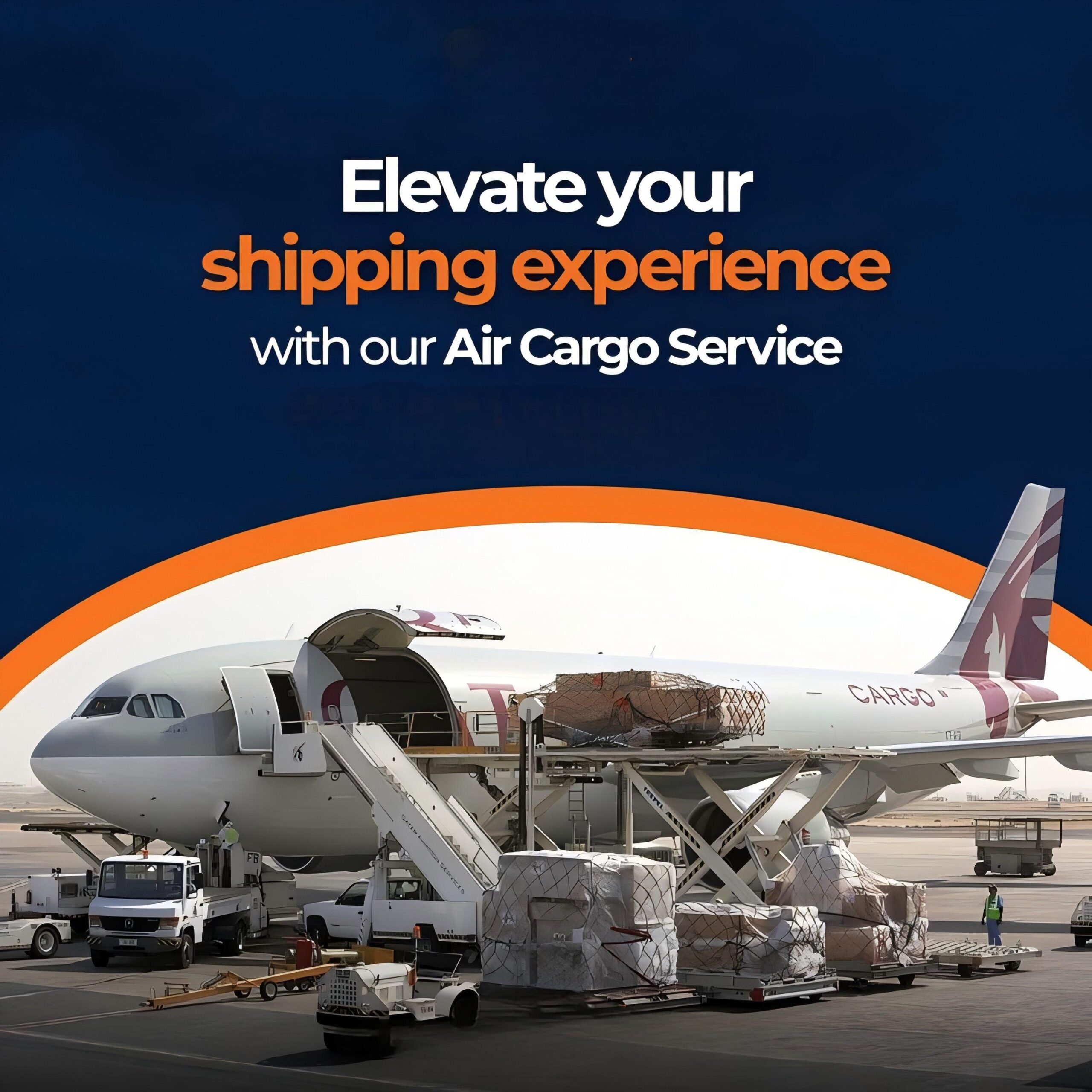
Choosing the right expedited service depends heavily on your cargo’s size, weight, and urgency. Moreover, each option offers distinct advantages and caters to different business needs, ensuring flexibility in your shipping strategy.
| Shipping Method | Cost Range (Approx.) | Transit Time (Door-to-Door) | Best For |
|---|---|---|---|
| Air Freight (Standard) | High ($5-10/kg) | 3-7 Days | Larger, heavier shipments, high-value goods |
| Express Courier | Very High ($10-25/kg) | 1-3 Days | Small parcels, documents, samples, extreme urgency |
| Sea Freight (LCL/FCL) | Low ($0.5-2/kg) | 7-14 Days | Non-urgent, heavy, bulky goods (for comparison) |
Air Freight: The Rapid Transit Solution
Air freight typically offers the quickest transit times for larger or heavier shipments. Generally, cargo planes can transport goods from major Chinese airports to Japan in just 1-3 days. However, the total door-to-door time will include customs clearance and local delivery.
This method is ideal for high-value goods, perishable items, or components needed for just-in-time manufacturing. Furthermore, its reliability and speed make it a cornerstone of urgent logistics between the two nations.
Express Courier Services: Door-to-Door Speed
Leading express courier services like DHL, FedEx, and UPS provide unparalleled door-to-door delivery speed. Often, these services can deliver packages from China to Japan within 1-2 business days. They handle everything from pickup to final delivery, including customs formalities.
Express services are particularly suitable for smaller parcels, documents, and samples. Additionally, they offer comprehensive tracking and often include customs brokerage services, simplifying the process for shippers.
Factors Affecting Urgent Delivery China to Japan Costs and Speed
Several critical factors influence both the cost and speed of urgent delivery from China to Japan. Understanding these elements helps in making informed decisions. Indeed, each aspect plays a significant role in your overall shipping strategy.
Therefore, careful consideration of these variables is crucial for optimizing your urgent logistics. This ensures you balance speed with cost-effectiveness for every shipment.
Cargo Volume and Weight
The dimensions and weight of your shipment directly impact air freight and express courier costs. Typically, prices are calculated based on either actual weight or volumetric weight, whichever is greater. Thus, optimizing packaging can lead to savings.
Larger or heavier items naturally incur higher freight rates. Consequently, consolidating multiple smaller items into one shipment can sometimes be more cost-effective than shipping them individually.
Origin and Destination Locations
Shipping from major Chinese hubs like Shanghai, Shenzhen, or Guangzhou to large Japanese cities such as Tokyo or Osaka is generally faster and more economical. This is due to more frequent flight schedules and better infrastructure. Conversely, remote areas may incur additional transit time and charges.
Furthermore, direct routes are always faster than those involving transshipment points. Therefore, selecting a forwarder with strong networks in key locations is beneficial for urgent deliveries.
Customs Clearance Efficiency
Efficient customs clearance is absolutely vital for urgent deliveries. Delays at either the origin or destination customs can negate the benefits of fast transit. Proper documentation and compliance are paramount to avoid such hold-ups.
Working with experienced customs brokerage services can significantly streamline this process. They ensure all paperwork is correct and submitted promptly, facilitating quicker release of goods.
Seasonal Demand and Peak Periods
Shipping costs and transit times can fluctuate significantly during peak seasons. For instance, around Chinese New Year, Golden Week, or major shopping events like Singles’ Day, capacity becomes limited. This often leads to higher prices and potential delays.
Planning ahead and booking early during these periods can mitigate risks. Consequently, understanding these seasonal patterns helps businesses manage expectations and budget effectively for urgent shipments.
Navigating Customs and Documentation for Fast Shipments
Streamlined customs procedures are non-negotiable for achieving urgent delivery from China to Japan. Any misstep in documentation can lead to significant delays, undermining the purpose of expedited shipping. Therefore, meticulous preparation is essential.
Both Chinese export customs and Japanese import customs have specific requirements. Adhering to these regulations ensures your cargo moves swiftly across borders without unnecessary inspection or hold-ups.
Essential Documents for China-Japan Shipping
To facilitate smooth customs clearance, several key documents are always required. These include the Commercial Invoice, Packing List, and Bill of Lading or Air Waybill. Accuracy in these documents is paramount.
Depending on the cargo type, additional certificates like Certificates of Origin, product licenses, or safety certifications may be necessary. Consequently, verifying all required paperwork before shipment is a critical step.
Understanding Japanese Import Regulations
Japan has stringent import regulations, especially concerning certain goods. These include food products, cosmetics, medical devices, and electronics. Compliance with specific Japanese standards and labeling requirements is mandatory.
Moreover, duties and taxes will be assessed upon import. Therefore, having a clear understanding of these charges and ensuring proper valuation on your commercial invoice prevents delays and unexpected costs.
| Document Type | Purpose | Key Information Needed |
|---|---|---|
| Commercial Invoice | Customs declaration, valuation | Seller/Buyer details, goods description, HS codes, value, Incoterms |
| Packing List | Details of package contents | Number of packages, weight, dimensions, contents of each package |
| Air Waybill (AWB) | Contract of carriage for air freight | Shipper/Consignee, flight details, cargo description, charges |
| Certificate of Origin | Proves country of manufacture | Goods origin, required for preferential tariffs or specific trade agreements |
Working with a Reliable Freight Forwarder
Partnering with an experienced freight forwarder is invaluable for urgent deliveries. They possess the expertise to navigate complex customs procedures and foresee potential issues. This proactive approach saves time and avoids costly mistakes.
A good forwarder also offers various services, including express service options and comprehensive tracking. Therefore, their role is crucial in ensuring your urgent delivery from China to Japan is handled efficiently from start to finish.
Case Studies: Successful Urgent Deliveries from China to Japan
Examining real-world examples helps illustrate how urgent delivery from China to Japan is successfully executed. These case studies highlight the practical application of different shipping methods and strategies. They showcase the importance of planning and reliable logistics partners.
These scenarios demonstrate effective solutions for various cargo types and urgency levels. Ultimately, they provide valuable insights for businesses facing similar time-sensitive shipping challenges between these two nations.
Case Study 1: High-Value Electronics for Product Launch
This case involved a Japanese tech company needing a batch of new electronic components for a critical product launch. Speed was non-negotiable, and the components were both high-value and relatively compact. The expedited solution proved essential.
| Detail | Description |
|---|---|
| Route | Shenzhen, China Tokyo, Japan |
| Cargo | Integrated Circuits (ICs), 0.8 CBM, 150 kg |
| Shipping Method | Air Freight (Priority Service) |
| Carrier/Service | Major air cargo carrier (e.g., ANA Cargo) |
| Port of Loading | Shenzhen Bao’an International Airport (SZX) |
| Port of Discharge | Narita International Airport (NRT) |
| Cost Breakdown | Air Freight: $1,200; Origin Charges: $150; Destination Charges: $200; Customs & Duties (est.): $300; Total Landed Cost: $1,850 |
| Timeline | Booking to Loading: 1 day; Air Transit: 1 day; Customs Clearance: 1 day; Total Door-to-Door: 3 days |
| Key Insight | Proactive customs pre-clearance and direct flight selection ensured minimal delays for this time-sensitive launch. Rates based on Q4 2024 market conditions. |
Case Study 2: Medical Supplies for Emergency Stock Replenishment
A Japanese hospital required an urgent replenishment of specialized medical supplies from a Chinese manufacturer. The cargo was fragile and critical for ongoing patient care, demanding both speed and careful handling. Express courier was the chosen method.
| Detail | Description |
|---|---|
| Route | Shanghai, China Osaka, Japan |
| Cargo | Sterile Medical Kits, 0.2 CBM, 40 kg |
| Shipping Method | International Express Courier |
| Carrier/Service | DHL Express |
| Port of Loading | Shanghai Pudong International Airport (PVG) |
| Port of Discharge | Kansai International Airport (KIX) |
| Cost Breakdown | Express Freight: $600; Origin Charges: Included; Destination Charges: Included; Customs & Duties (est.): $100; Total Landed Cost: $700 |
| Timeline | Booking to Loading: 0 days; Air Transit: 1 day; Customs Clearance: 0 days; Total Door-to-Door: 2 days |
| Key Insight | Leveraging a premium express service with integrated customs allowed for immediate dispatch and rapid delivery, vital for medical emergencies. Typical rates as of early 2025. |
Case Study 3: Small Batch of Fashion Accessories for Retailer
A Japanese fashion retailer needed a small, exclusive collection of accessories from a Chinese boutique for an upcoming promotional event. While not life-critical, missing the event would mean significant lost revenue. A balanced approach was needed.
| Detail | Description |
|---|---|
| Route | Guangzhou, China Fukuoka, Japan |
| Cargo | Fashion Accessories, 0.1 CBM, 20 kg |
| Shipping Method | Standard Air Freight (Consolidated) |
| Carrier/Service | Consolidated air cargo service |
| Port of Loading | Guangzhou Baiyun International Airport (CAN) |
| Port of Discharge | Fukuoka Airport (FUK) |
| Cost Breakdown | Air Freight: $180; Origin Charges: $50; Destination Charges: $80; Customs & Duties (est.): $50; Total Landed Cost: $360 |
| Timeline | Booking to Loading: 2 days; Air Transit: 2 days; Customs Clearance: 1 day; Total Door-to-Door: 5 days |
| Key Insight | Consolidating with other shipments reduced per-kg cost while still meeting the event deadline. This shows the value of flexible air freight options. Based on current market rates. |

How Does Urgent Delivery China to Japan Compare to Other Shipping Options?
When considering urgent delivery from China to Japan, it’s vital to compare the expedited methods against standard shipping. This comparison helps in understanding the trade-offs between speed, cost, and capacity. Therefore, choosing wisely impacts your supply chain efficiency.
While air and express services prioritize speed, other methods cater to different logistical requirements. Consequently, evaluating all alternatives is crucial for a well-rounded shipping strategy.
Comprehensive Shipping Method Comparison
Each shipping method offers unique advantages and limitations. For instance, sea freight is cost-effective but slow, whereas air freight is fast but expensive. Express courier services offer extreme speed and convenience, especially for smaller items.
| Shipping Method | Cost Range | Transit Time (Port/Airport to Port/Airport) | Best For | Limitations |
|---|---|---|---|---|
| Air Freight (Standard) | Medium-High | 1-3 Days | Time-sensitive, high-value, medium-large cargo | Higher cost than sea, size/weight restrictions |
| Express Courier | High-Very High | 1-2 Days | Small parcels, documents, extreme urgency, door-to-door convenience | Highest cost, strict size/weight limits |
| Sea Freight (FCL) | Low | 5-10 Days | Large volumes, heavy, non-urgent goods | Slowest transit, port-to-port only |
| Sea Freight (LCL) | Low-Medium | 7-14 Days | Smaller volumes, non-urgent, cost-sensitive goods | Slower than FCL due to consolidation, potential delays |
Which Option Should You Choose?
The optimal shipping method depends entirely on your specific priorities and cargo characteristics. Consider your budget, the required delivery speed, and the nature of your goods. This decision framework helps narrow down the best choice.
Ultimately, a tailored solution often combines elements of different services. Thus, a flexible approach to logistics can yield the best results for urgent shipments.
Decision Framework for Urgent Deliveries
If **speed is your absolute top priority** and budget is flexible, express courier is unmatched. For slightly less urgent but still time-sensitive, larger shipments, air freight is the go-to. However, if **cost savings are critical** and you have some flexibility in delivery time, sea freight (even LCL for smaller volumes) remains a viable, albeit slower, option.
For **cargo type considerations**, fragile or high-value items often benefit from air or express for reduced handling and faster transit. Conversely, bulky, non-perishable goods are better suited for sea freight if urgency is not paramount. **Volume thresholds** dictate efficiency; for instance, a few pallets might still be economical via air, whereas multiple containers are always better by sea.
Optimizing Your Supply Chain for Urgent Delivery to Japan
Beyond choosing a shipping method, optimizing your entire supply chain is crucial for consistent urgent delivery from China to Japan. This involves strategic planning, effective communication, and leveraging advanced logistics solutions. Thus, a holistic approach enhances overall efficiency.
Proactive measures can significantly reduce potential delays and costs. Therefore, continuously refining your logistics processes ensures a robust and responsive supply chain capable of handling urgent demands.
Leveraging Door-to-Door Services
A comprehensive door-to-door service can greatly simplify urgent logistics. This service manages every step, from pickup at the supplier’s factory in China to final delivery at your Japanese warehouse. It minimizes your administrative burden and potential points of failure.
By consolidating all aspects under one provider, you gain a single point of contact and clearer accountability. Consequently, this integrated approach is highly beneficial for time-sensitive shipments, ensuring seamless transit.
Implementing Real-time Tracking and Communication
For urgent deliveries, real-time tracking is indispensable. Knowing the exact location and status of your shipment allows for proactive management and immediate response to any issues. This transparency builds confidence and allows for better planning at the destination.
Furthermore, maintaining open lines of communication with your freight forwarder is vital. Regular updates and quick problem resolution ensure that any unforeseen challenges are addressed promptly, keeping your urgent delivery on schedule.
Considering Hybrid Shipping Solutions
Sometimes, a purely air or sea solution isn’t the most efficient. Hybrid options, such as sea-air combinations, can offer a balance of speed and cost. For example, shipping by sea from China to a transshipment hub, then by air to Japan, can be a strategic compromise.
While rail freight isn’t typically viable for direct China-Japan routes, understanding such multimodal possibilities for other destinations highlights flexibility. For China to Japan, the focus remains on optimizing air and express services for urgent needs, sometimes complemented by efficient local distribution.
Final Thoughts on Urgent Delivery China to Japan
Achieving successful urgent delivery from China to Japan requires strategic planning and the right logistics partner. Air freight and express courier services are the fastest options, each suited for different cargo types and urgency levels. Understanding cost drivers, customs regulations, and leveraging door-to-door services are paramount.
Ultimately, by partnering with an experienced freight forwarder like Top China Freight, businesses can navigate the complexities of international shipping with confidence. This ensures critical shipments arrive promptly and efficiently, supporting your operational demands. Remember, proactive planning and expert support are key to seamless urgent delivery from China to Japan.
Ready to streamline your logistics?
Ready to secure your urgent delivery from China to Japan? Don’t let time-sensitive shipments cause stress. Contact Top China Freight today for a personalized quote and discover our reliable, expedited shipping solutions tailored to your specific needs. Get your cargo moving with confidence.
Request Quote