
What Documents Needed for Toys from China to Europe?
Importing toys from China to Europe involves a complex web of regulations and documentation. Businesses must meticulously prepare to ensure compliance, avoid delays, and guarantee product safety. Understanding exactly what documents are needed for toys from China to Europe is paramount for a seamless supply chain. This comprehensive guide will demystify the process, providing clear insights and actionable steps for successful toy imports.
What Documents Are Needed for Toys from China to Europe?
Navigating international trade requires a precise understanding of required paperwork. For toys shipped from China to Europe, a comprehensive set of documents is essential to clear customs and comply with EU regulations. These documents generally fall into categories such as product compliance, commercial transactions, and transportation.
Crucially, inadequate or incorrect documentation can lead to significant delays, fines, or even rejection of your shipment. Therefore, meticulous preparation and verification of every document are non-negotiable for successful toy imports into the European market. Importers often seek expert guidance for this complex process.
| Document Type | Purpose | Issuing Party | Mandatory |
|---|---|---|---|
| Commercial Invoice | Details of goods, value, seller/buyer | Seller | Yes |
| Packing List | Contents, dimensions, weight of packages | Seller | Yes |
| Bill of Lading (B/L) / Air Waybill (AWB) | Contract of carriage, title to goods | Carrier/Forwarder | Yes |
| Certificate of Origin | Country of manufacture, for tariffs | Chamber of Commerce | Often |
| Declaration of Conformity (DoC) | Manufacturer’s declaration of EU compliance | Manufacturer | Yes |
| Technical File | Detailed product design, manufacturing, safety assessments | Manufacturer | Yes |
| Test Reports | Proof of compliance with safety standards | Accredited Lab | Yes |
| CE Mark | Visual indication of EU compliance | Manufacturer | Yes (on product) |
| EORI Number | EU Economic Operator Registration and Identification | Importer (EU) | Yes |
| Customs Declaration (IM A) | Formal declaration to customs authorities | Importer/Broker | Yes |
Key EU Directives for Toy Safety
The European Union enforces strict safety standards for toys to protect children. The primary directive governing toy safety is Directive 2009/48/EC, commonly known as the Toy Safety Directive (TSD). This directive outlines the essential safety requirements that all toys sold within the EU must meet.
Additionally, toys must comply with other relevant EU legislation, including the REACH Regulation (chemical substances), the RoHS Directive (hazardous substances in electrical toys), and the General Product Safety Directive. Consequently, understanding these directives is fundamental for any toy importer.
General Documentation Requirements
Beyond product-specific compliance, standard commercial and shipping documents are always required. These include the Commercial Invoice, Packing List, and Bill of Lading (for sea freight) or Air Waybill (for air freight). Each document serves a unique purpose in facilitating customs clearance and cargo handling.
Furthermore, a Certificate of Origin may be necessary to determine preferential tariffs under specific trade agreements. Therefore, ensuring accuracy and consistency across all these documents is vital for a smooth import process. Discrepancies can trigger customs inspections and delays.
Ensuring Toy Safety: CE Marking and Beyond
The CE marking is a mandatory conformity marking for products sold within the European Economic Area. For toys, displaying the CE mark indicates that the manufacturer has declared compliance with all applicable EU directives, particularly the Toy Safety Directive. This mark is not a quality assurance but a declaration of conformity.
However, obtaining the CE mark is merely the visible tip of a much larger compliance iceberg. Manufacturers must conduct thorough risk assessments and ensure their products meet stringent safety requirements related to mechanical, physical, chemical, electrical, and flammability properties. This meticulous process safeguards consumer well-being.
Declaration of Conformity (DoC)
Indeed, the Declaration of Conformity (DoC) is a crucial legal document. It is a written statement from the manufacturer or their authorized representative, affirming that the toy complies with all relevant EU legislation. The DoC must be available to market surveillance authorities upon request.
Moreover, the DoC typically includes information such as the manufacturer’s details, product identification, references to harmonized standards used, and the signature of an authorized person. Without a valid DoC, your toys cannot legally enter the EU market. This document is a cornerstone of product compliance.
Technical File Requirements
Additionally, every toy must be supported by a comprehensive Technical File. This file contains all the necessary documentation to demonstrate the toy’s conformity with the Toy Safety Directive. It serves as proof that the product has undergone proper design, manufacturing, and safety assessments.
Typically, the Technical File includes design and manufacturing drawings, a list of components, test reports, risk assessments, and the DoC itself. This file must be kept for ten years after the last toy has been placed on the market. Therefore, maintaining an organized and complete Technical File is paramount.
Test Reports and Certificates
Furthermore, independent third-party test reports are often required to verify compliance with specific safety standards. These reports confirm that the toy has passed various tests for hazards like choking, flammability, and chemical composition. Accredited laboratories conduct these tests according to harmonized European standards.
Consequently, importers should always request and review these test reports from their Chinese suppliers. Ensuring the testing laboratory is recognized and the reports are current prevents potential issues during market surveillance. For assistance with compliance verification, consider professional customs brokerage services.
Navigating European Customs for Toy Imports
Successful importation to Europe hinges on navigating customs procedures efficiently. European customs authorities meticulously check documentation to ensure compliance with trade laws, safety regulations, and tax obligations. Therefore, proper preparation significantly speeds up the clearance process.
Understanding the specific requirements for your destination country within Europe is also crucial, as some national variations may exist. However, the core EU regulations provide a harmonized framework. An effective logistics partner can certainly simplify this intricate process.
EORI Number and VAT Registration
Firstly, any economic operator involved in importing or exporting goods into or out of the EU must have an Economic Operator Registration and Identification (EORI) number. This unique identifier is used in all customs procedures across the EU. Without an EORI number, your shipment cannot be cleared.
Secondly, importers must also be registered for Value Added Tax (VAT) in the EU country where the goods are first imported. VAT is typically paid at the point of import or deferred under specific schemes. Therefore, securing both an EORI number and VAT registration early is essential for seamless operations.
HS Codes and Import Duties
Every product imported into the EU must be classified under a Harmonized System (HS) code. This international classification system determines the applicable import duties and taxes. Incorrect classification can lead to underpayment or overpayment of duties, resulting in fines or delays.
Consequently, accurately identifying the correct HS code for your specific toys is paramount. Import duties vary significantly based on the product type and origin. Consulting the EU’s TARIC database is recommended for precise duty rates. Furthermore, managing these classifications is a key part of effective door to door logistics.
The Role of a Customs Broker
Given the complexity of customs regulations, many importers opt to use a professional customs broker. A broker acts as an intermediary between the importer and customs authorities, handling all documentation, declarations, and duty payments. Their expertise can prevent costly errors and expedite clearance.
Indeed, brokers are well-versed in the latest regulations and can advise on compliance requirements, special procedures, and potential duty savings. Their involvement is particularly beneficial for businesses new to international trade or those importing a diverse range of products. They streamline the entire import journey.
How Does Shipping Toys from China to Europe Compare?
Selecting the appropriate shipping method from China to Europe is critical for managing costs, transit times, and inventory. Importers have several viable options, each with distinct advantages and disadvantages. The best choice depends on factors like urgency, volume, and budget constraints.
Therefore, carefully evaluating each method against your specific business needs is essential. This decision impacts your overall supply chain efficiency and profitability. Let’s explore the primary shipping methods available for toy imports.
| Shipping Method | Cost Range (per kg) | Transit Time | Best For | Limitations |
|---|---|---|---|---|
| Sea Freight | $0.10 – $0.30 | 28-40 days | Large volumes, cost-sensitive, non-urgent | Slow, port congestion risks |
| Air Freight | $4.00 – $8.00+ | 3-7 days | Urgent, high-value, small volume | High cost, weight/volume restrictions |
| Rail Freight | $0.80 – $1.50 | 15-20 days | Medium urgency, balanced cost/speed | Limited routes, capacity constraints |
Sea Freight: Cost-Effective for Volume
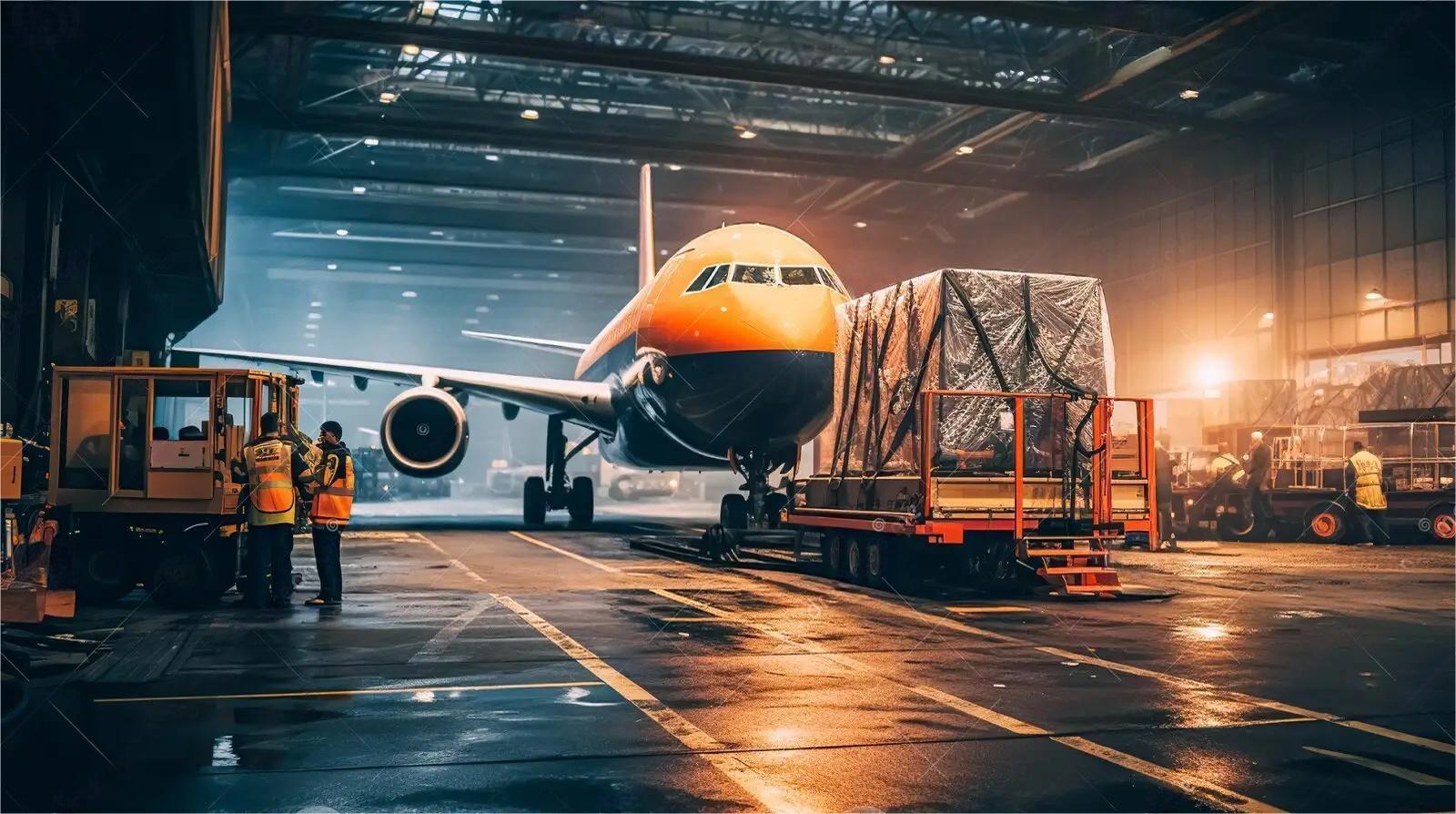
Sea freight remains the most economical option for large volumes of toys. It is ideal for non-urgent shipments where cost savings are a priority. Shipments can be sent as Full Container Load (FCL) for exclusive container use or Less than Container Load (LCL) for smaller volumes shared with other cargo.
Although transit times are longer, typically 28-40 days to major European ports, the per-unit cost is significantly lower. Consider sea freight for bulk orders and stable supply chains. This method provides substantial cost efficiencies for toy businesses.
Air Freight: Speed for Urgent Shipments
Conversely, air freight offers the fastest transit times, usually 3-7 days from China to Europe. This method is perfect for urgent orders, high-value toys, or products with short shelf lives (though less common for toys). While considerably more expensive, it minimizes inventory holding costs and allows for quicker market response.
However, air freight is generally not cost-effective for heavy or bulky toy shipments due to its premium pricing based on weight or volume. Businesses often use it for initial product launches or to replenish popular items quickly. It provides unmatched speed for critical deliveries.
Rail Freight: A Balanced Alternative
Rail freight has emerged as a popular middle-ground option, balancing speed and cost. It offers faster transit times than sea freight (15-20 days) and is significantly more affordable than air freight. This method utilizes the New Silk Road railway network connecting China to various European cities.
Indeed, rail freight is an excellent choice for medium-urgency shipments that are too large or heavy for air freight but don’t require the extreme cost-effectiveness of sea freight. It also offers better environmental credentials than air or sea. Therefore, it provides a flexible solution for many toy importers.
Optimizing Your Supply Chain for Toy Imports
Beyond individual shipments, a holistic approach to your supply chain can yield significant benefits. Strategic planning, from supplier selection to final delivery, minimizes risks and maximizes efficiency. Optimizing each stage contributes to overall business success and customer satisfaction.
Therefore, consider integrating various logistics services to create a robust and resilient supply chain for your toy imports. This proactive stance can mitigate common challenges in international shipping. A well-managed supply chain is a competitive advantage.
The Importance of Incoterms
Incoterms (International Commercial Terms) are globally recognized rules that define the responsibilities of buyers and sellers for the delivery of goods under sales contracts. They clarify who is responsible for paying and managing the shipment, insurance, documentation, and customs clearance at various points in the shipping process.
Choosing the correct Incoterm, such as EXW, FOB, or DDP, directly impacts your costs and liabilities. For instance, FOB (Free On Board) shifts responsibility from the seller once goods are loaded onto the vessel, while DDP (Delivered Duty Paid) places maximum responsibility on the seller. Understanding Incoterms prevents disputes and clarifies financial obligations.
Quality Control and Pre-shipment Inspections
Maintaining product quality is paramount for toy imports, especially given safety regulations. Implementing robust quality control measures at the source in China is vital. Pre-shipment inspections by independent agencies can identify defects, ensure correct labeling, and verify compliance before goods leave the factory.
Investing in these inspections mitigates the risk of receiving non-compliant or damaged products, which can lead to costly returns, recalls, and reputational damage. It is a proactive step to safeguard your brand and consumers. Furthermore, quality checks are integral for successful Amazon FBA shipments.
Warehouse and Distribution Considerations
Upon arrival in Europe, efficient warehousing and distribution are the next critical steps. Depending on your business model, you might require short-term storage, order fulfillment, or direct distribution to retailers. Strategic warehouse placement minimizes last-mile delivery costs and transit times within Europe.
Exploring options like cross-docking or utilizing fulfillment centers can further streamline your operations. Effective distribution ensures that your toys reach their final destination promptly and cost-effectively. This final stage is crucial for market penetration.
Importing Toys to Europe: Real-World Case Studies
Examining real-world examples illustrates the practical application of these shipping and documentation principles. These case studies highlight various scenarios and considerations for businesses importing toys from China to Europe. They offer tangible insights into typical logistics challenges and solutions.
Based on Q3 2024 market rates, these examples provide a realistic perspective on costs, timelines, and key insights. Rates are subject to change based on fuel costs, carrier capacity, and seasonal demand. Contact us for a current quote tailored to your specific shipment.
Case Study 1: Large Volume Sea Shipment of Educational Toys
| Category | Detail |
|---|---|
| Route | Ningbo, China Rotterdam, Netherlands |
| Cargo | Educational wooden toy sets, 60 CBM, 9,000 kg |
| Container | 1 x 40HQ |
| Shipping Details – Carrier | Maersk |
| Shipping Details – Port of Loading | Ningbo |
| Shipping Details – Port of Discharge | Rotterdam |
| Shipping Details – Route Type | Direct |
| Cost Breakdown – Ocean Freight | $3,800 |
| Cost Breakdown – Origin Charges (THC, documentation) | $550 |
| Cost Breakdown – Destination Charges | $700 |
| Cost Breakdown – Customs & Duties (estimated) | $1,800 |
| Cost Breakdown – Total Landed Cost | $6,850 |
| Timeline – Booking to Loading | 7 days |
| Timeline – Sea Transit | 30 days |
| Timeline – Customs Clearance | 4 days |
| Timeline – Total Door-to-Door | 45 days |
| Key Insight | Booking 4 weeks in advance secured competitive rates. Proactive customs brokerage avoided delays, especially with detailed material declarations for wooden toys. |
Case Study 2: Urgent Air Shipment of Licensed Action Figures
| Category | Detail |
|---|---|
| Route | Shenzhen, China Frankfurt, Germany |
| Cargo | Licensed action figures, 5 CBM, 600 kg |
| Container | Air Cargo |
| Shipping Details – Carrier | Major airline carrier |
| Shipping Details – Port of Loading | Shenzhen (SZX) |
| Shipping Details – Port of Discharge | Frankfurt (FRA) |
| Shipping Details – Route Type | Direct flight |
| Cost Breakdown – Air Freight | $4,500 |
| Cost Breakdown – Origin Charges | $300 |
| Cost Breakdown – Destination Charges | $400 |
| Cost Breakdown – Customs & Duties (estimated) | $950 |
| Cost Breakdown – Total Landed Cost | $6,150 |
| Timeline – Booking to Loading | 2 days |
| Timeline – Air Transit | 4 days |
| Timeline – Customs Clearance | 1 day |
| Timeline – Total Door-to-Door | 8 days |
| Key Insight | Expedited air freight met a tight retail launch deadline. Pre-cleared documentation for licensed products was essential for rapid customs processing. Consider express service for similar urgent needs. |
Case Study 3: Rail Freight of Assorted Plastic Toys to Eastern Europe
| Category | Detail |
|---|---|
| Route | Chongqing, China Warsaw, Poland |
| Cargo | Assorted plastic toys, 25 CBM, 3,500 kg |
| Container | LCL Rail |
| Shipping Details – Carrier | China-Europe Railway Express |
| Shipping Details – Station of Loading | Chongqing |
| Shipping Details – Station of Discharge | Małaszewicze (Poland) |
| Shipping Details – Route Type | Direct rail |
| Cost Breakdown – Rail Freight | $2,800 |
| Cost Breakdown – Origin Charges | $400 |
| Cost Breakdown – Destination Charges | $550 |
| Cost Breakdown – Customs & Duties (estimated) | $1,100 |
| Cost Breakdown – Total Landed Cost | $4,850 |
| Timeline – Booking to Loading | 5 days |
| Timeline – Rail Transit | 18 days |
| Timeline – Customs Clearance | 2 days |
| Timeline – Total Door-to-Door | 28 days |
| Key Insight | Rail freight offered a significant speed advantage over sea freight while remaining cost-effective for a medium-volume shipment to Eastern Europe. Documentation for plastic toy components was thoroughly checked to avoid chemical compliance issues. Visit rail freight for more information. |
Making the Best Shipping Decision for Your Toy Business
Choosing the optimal shipping method for your toy imports from China to Europe involves weighing several critical factors. There is no one-size-fits-all solution; instead, the best approach is tailored to your specific business priorities. Therefore, a clear decision framework is invaluable.
Consider your budget, time constraints, cargo characteristics, and risk tolerance when making this crucial choice. Each option presents unique trade-offs that impact your overall operational efficiency and profitability. This strategic decision requires careful thought.
Budget-Driven Choices
If your primary concern is minimizing shipping costs, sea freight, particularly LCL for smaller volumes or FCL for larger ones, is generally the most economical choice. While transit times are longer, the cost savings per unit can be substantial, especially for bulk toy imports. This option supports higher profit margins.
However, remember to factor in potential inventory holding costs during the extended transit period. For example, a 40HQ container from China to Europe might cost $3,000-4,200 for ocean freight, but air freight for the same volume could be $15,000-25,000. For shipments under 15 CBM, LCL at $50-80/CBM may be more economical than a full container.
Speed-Critical Shipments
For urgent deliveries, such as new product launches, seasonal peaks, or replenishing low stock, air freight is the undisputed champion. It offers transit times of a few days, getting your toys to market quickly. This speed can be crucial for capitalizing on trends or meeting strict retail deadlines.
Nevertheless, the higher cost of air freight must be justified by the urgency and potential revenue generated by faster market access. For slightly less urgent but still time-sensitive needs, rail freight provides a compelling balance of speed and cost. Direct routes typically cost 10-15% more but save 5-7 days compared to transshipment via ports like Singapore.
Cargo Type and Volume Factors
The nature and volume of your toy cargo also significantly influence the best shipping method. Large, bulky, or heavy items are typically best suited for sea freight due to cost and capacity. Smaller, lighter, and higher-value items might justify air freight’s premium for speed and security.
For example, a full container load (FCL) is ideal for volumes exceeding 15-20 CBM. Below that, LCL sea freight or rail freight might be more appropriate. Hybrid solutions, like sea-air combinations, can also be explored for specific routes and needs. This customization ensures optimal logistics for your specific toy products.
Conclusion: Mastering Toy Imports from China to Europe
Importing toys from China to Europe is a venture filled with opportunities, yet it demands meticulous attention to regulatory compliance and logistical planning. Understanding what documents needed for toys from China to Europe are essential is the first crucial step. From the mandatory CE marking and Declaration of Conformity to precise customs declarations and efficient shipping choices, every detail matters.
By prioritizing product safety, ensuring accurate documentation, and selecting the right shipping strategy, businesses can navigate the complexities of international trade with confidence. Partnering with experienced logistics providers further streamlines this process, ensuring your toys arrive safely, on time, and in full compliance with European standards. Ultimately, a well-prepared importer achieves greater success and market reach.
Need a tailored shipping solution?
Ready to simplify your toy imports from China to Europe? Contact us today for a personalized quote and expert guidance on documentation, customs, and shipping. Let Top China Freight streamline your supply chain and ensure your toys reach the European market smoothly. We are here to help you understand what documents needed for toys from China to Europe are critical.