
Why is Shipping From China So Expensive? Unpacking the Costs
“Many businesses and individuals importing goods frequently ask, “why is shipping from China so expensive?” The answer, however, involves a complex interplay of global logistics, economic factors, and supply chain dynamics. Understanding these underlying costs is crucial for effective budgeting and optimizing your import strategy with partners like Top China Freight. This guide will unpack the various elements contributing to high shipping costs, offering insights and solutions.”
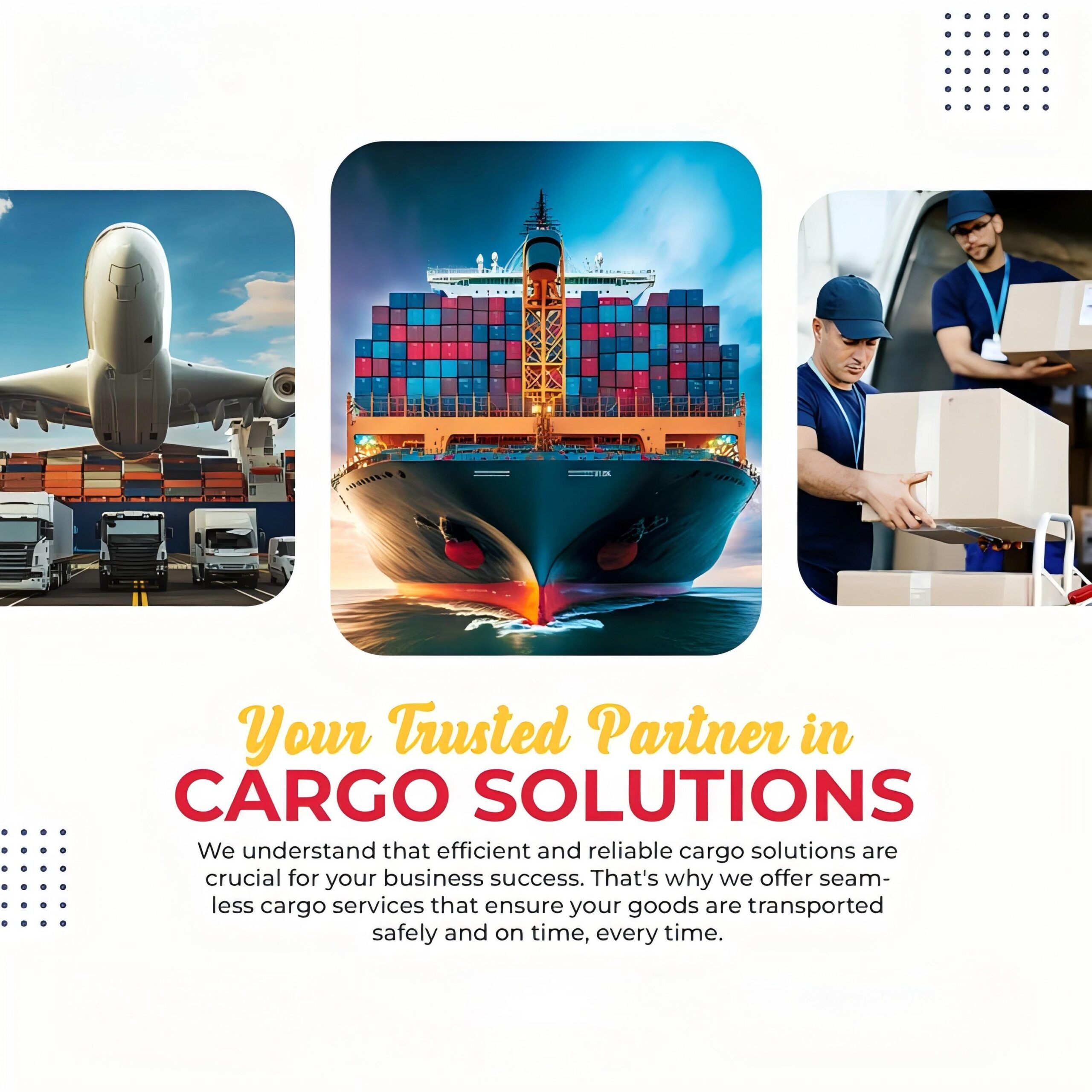
Understanding the Core Components of Shipping Costs
❖Shipping goods from China to any destination involves more than just the cost of transport. Indeed, several distinct charges accumulate to form the final price. Therefore, a comprehensive understanding of these components is essential for importers.
Knowing each element helps in negotiating better rates and identifying potential savings. Consequently, businesses can make more informed decisions regarding their logistics.
Freight Rates: Sea, Air, and Rail
The primary component, freight rates, varies significantly based on the chosen mode of transport. For instance, sea freight is typically the most economical for large volumes, though it has the longest transit times. Conversely, air freight offers speed but at a premium cost.
Moreover, rail freight provides a balanced option for Eurasian routes, offering a middle ground in terms of speed and cost. These rates are dynamic, fluctuating with fuel prices, carrier capacity, and global demand. Therefore, constantly monitoring these market changes is vital.
Origin and Destination Charges
Beyond the main freight, shipments incur various charges at both the port of origin and destination. Origin charges typically include terminal handling, documentation, customs declaration, and drayage to the port. Similarly, destination charges involve unloading, terminal handling, and onward transportation.
These fees, often referred to as local charges, can add substantially to the overall high shipping costs from China. Consequently, understanding their scope and impact is crucial for accurate budgeting.
Customs Duties and Taxes
Importing goods always involves customs duties, taxes, and other government levies. The specific rates depend on the product type, its declared value, and the destination country’s regulations. Furthermore, incorrect documentation can lead to delays and additional penalties.
Therefore, proper classification and valuation are paramount to avoid unexpected expenses. Many importers find that these charges significantly contribute to why shipping from China is so expensive, especially for certain product categories. Leveraging expert customs brokerage can streamline this complex process.
Key Factors Driving Up Shipping Expenses
❖Several macroeconomic and logistical factors continuously influence shipping costs from China. Understanding these drivers helps businesses anticipate fluctuations and plan accordingly. Indeed, these elements often explain why shipping from China is so expensive at different times of the year.
Global Demand and Supply Imbalance
Periods of high demand, such as before major holidays or during economic upturns, can strain carrier capacity. Consequently, when demand outstrips the available shipping space, freight rates inevitably increase. This imbalance is a significant factor in the overall expense.
Conversely, during times of lower demand, rates may stabilize or even decrease. However, recent global events have highlighted the fragility of this balance, leading to prolonged periods of elevated costs.
Fuel Price Volatility
Bunker fuel surcharges (Bunker Adjustment Factor – BAF) are a direct reflection of global oil prices. Since fuel is a major operational cost for ships, planes, and trains, fluctuations directly impact shipping rates. Therefore, when oil prices rise, shipping costs follow suit.
This volatility makes long-term budgeting challenging for importers. Accordingly, many carriers apply these surcharges to reflect their operational expenses, contributing to the perceived high shipping costs from China.
Peak Season Surcharges
Certain times of the year, notably before Chinese New Year, Black Friday, and the Christmas shopping season, experience a surge in shipping volumes. Carriers respond by implementing peak season surcharges (PSS) to manage demand. As a result, rates can increase by 15-25% during August-October.
Planning shipments outside these peak periods, whenever possible, can help mitigate these additional expenses. For instance, early booking can sometimes secure better rates despite the increased demand.
Geopolitical Events and Disruptions
Global events, such as port congestion, labor disputes, or geopolitical conflicts, can severely disrupt supply chains. The rerouting of vessels due to security concerns, for example, adds significant time and fuel costs. Consequently, these unforeseen circumstances lead to higher freight rates and longer transit times.
The Red Sea disruptions in 2024, for instance, significantly impacted China-Europe routes, leading to increased costs and delays. Therefore, businesses must build resilience into their logistics planning to navigate such challenges effectively.
How Does Sea Freight Compare to Other Shipping Options?
❖Choosing the right shipping method is paramount for managing costs and delivery schedules. While sea freight is often the default for bulk goods, air and rail offer distinct advantages for specific needs. Thus, evaluating each option against your priorities is crucial.
Understanding these differences helps answer why shipping from China is so expensive, as method choice directly impacts the final bill. Let us explore the nuances of each to optimize your logistics strategy.
Comparison Table: Shipping Methods from China
This table provides a concise overview of the main shipping methods from China, highlighting their typical cost ranges, transit times, and ideal applications. Based on current market rates (Q1 2025), these figures offer a general guide.
Note: Freight rates are subject to change based on fuel costs, carrier capacity, and seasonal demand. Contact us for a current quote tailored to your specific shipment.
| Shipping Method | Cost Range (per kg/CBM) | Typical Transit Time | Best For | Limitations |
|---|---|---|---|---|
| Sea Freight (FCL) | $0.05 – $0.15/kg (container) | 15-45 days | Large volumes, heavy goods, non-urgent | Slow, port congestion risks |
| Sea Freight (LCL) | $50 – $120/CBM | 20-50 days | Smaller volumes (1-15 CBM), non-urgent | Longer transit than FCL, potential for delays |
| Air Freight | $4 – $8/kg | 3-10 days | High-value, urgent, perishable goods | Very expensive, limited volume/weight |
| Rail Freight (e.g., China-Europe) | $0.50 – $1.50/kg | 15-25 days | Mid-volume, time-sensitive to Europe | Route limitations, less flexible than sea |
| Express Service (e.g., DHL, FedEx) | $8 – $15/kg | 2-7 days | Samples, small packages, urgent documents | Highest cost, strict size/weight limits |

Alternative Strategies for Cost Reduction
For each shipping scenario, several alternative approaches can help manage costs. For example, consolidating multiple smaller orders into a single Less than Container Load (LCL) shipment can be more economical than sending individual express packages. This strategy reduces the per-unit cost.
Considering hybrid solutions, such as sea-air combinations, can also offer a balance. While sea freight costs $2,800-3,800 for a 40GP to Europe, air freight for the same volume would cost $15,000-25,000 but arrives in 5-7 days instead of 30-40 days. However, a sea-air blend might offer 20-25 day transit for a moderate cost increase.
Furthermore, for shipments under 15 CBM, LCL at $50-80/CBM may be more economical than a full container (FCL) which incurs fixed costs regardless of fill. Additionally, direct routes cost 10-15% more but save 5-7 days compared to transshipment via major hubs like Singapore or Port Klang. Choosing transshipment can reduce high shipping costs from China if time allows.
Which Option Should You Choose?
The optimal shipping method hinges on your specific priorities and cargo characteristics. If budget is your primary concern, sea freight is generally the most cost-effective solution for larger volumes. However, this comes with longer transit times.
Conversely, if speed is paramount for high-value or urgent goods, air freight or express shipping are the recommended options despite their higher expense. For mid-range urgency and specific routes like China to Europe, rail freight offers a competitive balance. Ultimately, the best choice often involves balancing cost, speed, and cargo type considerations.
Navigating Customs and Documentation
❖Customs procedures are a critical, yet often underestimated, part of the shipping process. Improper handling can lead to significant delays, fines, and increased costs. Therefore, understanding and preparing for these requirements is essential to avoid additional expenses.
Effective navigation of customs helps to mitigate some of the reasons why shipping from China is so expensive, ensuring a smoother flow of goods. Consequently, meticulous attention to detail in this area pays dividends.
The Role of Customs Brokerage
Engaging a professional customs brokerage service is often invaluable. Brokers possess expertise in tariff classifications, import regulations, and duty calculations for various countries. Indeed, they can significantly expedite the clearance process.
Moreover, their knowledge helps prevent costly errors and ensures compliance with all legal requirements. This expertise is particularly beneficial for complex shipments or new importers, ultimately saving time and money.
Avoiding Delays and Fines
Accurate and complete documentation is crucial for swift customs clearance. Missing invoices, incorrect product descriptions, or improper licensing can lead to goods being held at the border. As a result, storage fees and demurrage charges quickly accumulate.
Furthermore, understanding the correct Harmonized System (HS) codes for your products is vital. Proactive preparation and attention to detail minimize the risk of these expensive delays, thus preventing unnecessary additions to your high shipping costs from China.
Optimizing Your Shipping Strategy
❖To effectively manage and reduce shipping costs from China, businesses must adopt optimized strategies. This involves making smart choices at various stages of the logistics chain. Indeed, proactive planning can transform a costly endeavor into a manageable one.
By implementing these approaches, importers can gain a competitive edge and better control their overall landed costs. Consequently, understanding these optimization tactics is key to mitigating why shipping from China is so expensive.
Consolidation and LCL Shipments
For smaller volumes that do not fill an entire container, Less than Container Load (LCL) shipping is a cost-effective solution. This method allows multiple shippers to share space within one container, thereby splitting the freight costs. Consequently, it significantly reduces the per-unit shipping expense compared to air freight or express.
Consolidation is particularly beneficial for businesses with recurring, smaller orders. Moreover, it helps avoid the fixed costs associated with a full container, directly addressing high shipping costs from China for smaller importers. Consider Amazon FBA services for streamlined inventory management and shipping directly to fulfillment centers.
Choosing the Right Incoterms
Incoterms (International Commercial Terms) define the responsibilities of buyers and sellers for the delivery of goods. Selecting the appropriate Incoterm can significantly impact who pays for which part of the shipping process and associated risks. For example, Ex Works (EXW) places most responsibility on the buyer, potentially increasing their costs if not managed efficiently.
Conversely, Delivered Duty Paid (DDP) places more burden on the seller, offering the buyer a clearer, all-inclusive price. Therefore, carefully reviewing Incoterms with your supplier can help manage total landed costs effectively, providing transparency on why shipping from China is so expensive for certain agreements.
Leveraging Door-to-Door Shipping
Opting for door-to-door shipping simplifies the logistics process immensely. This service handles all stages from the supplier’s factory to your final destination, including customs clearance and local delivery. Consequently, it reduces the complexity and potential for unexpected charges.
While seemingly more expensive upfront, door-to-door services often provide greater cost predictability and reduce administrative burdens. This comprehensive solution can be highly beneficial for businesses seeking a hassle-free import experience, despite initial perceptions about high shipping costs from China.
Real-World Shipping Scenarios: Case Studies
❖Examining actual shipping examples provides valuable context on how various factors influence costs and transit times. These case studies illustrate practical challenges and solutions in the logistics landscape. Consequently, they offer tangible insights into managing high shipping costs from China.
Case Study 1: E-commerce Retailer – Apparel Shipment
This scenario highlights the balance between cost and speed for a growing e-commerce business. Based on Q3 2024 market rates, the chosen method optimized for moderate urgency and cost-efficiency.
The key insight here is the successful navigation of peak season by booking in advance, minimizing surcharges.
| Detail | Description |
|---|---|
| Route | Shenzhen, China -> Los Angeles, USA |
| Cargo | Apparel, 18 CBM, 2,500 kg |
| Container | LCL 18 CBM |
| Shipping Details | Carrier: Major carrier; Port of Loading: Shenzhen; Port of Discharge: Los Angeles; Route Type: Direct |
| Cost Breakdown | Ocean Freight: $1,620; Origin Charges: $450; Destination Charges: $550; Customs & Duties (estimated): $700; Total Landed Cost: $3,320 |
| Timeline | Booking to Loading: 5 days; Sea Transit: 14 days; Customs Clearance: 3 days; Total Door-to-Door: 22 days |
| Key Insight | LCL was cost-effective for this volume. Booking early during peak season saved potential surcharges. |
Case Study 2: Industrial Parts Supplier – Urgent Delivery
This case illustrates a situation where speed was critical due to a production line stoppage. Typical rates as of early 2025 informed the decision for air freight, despite its higher cost.
The insight demonstrates that for critical items, the cost of delay often outweighs the higher shipping expense. This explains why shipping from China is so expensive for urgent shipments.
| Detail | Description |
|---|---|
| Route | Shanghai, China -> Frankfurt, Germany |
| Cargo | Machine parts, 2 CBM, 400 kg |
| Container | Air Cargo |
| Shipping Details | Carrier: Lufthansa Cargo; Port of Loading: Shanghai Pudong; Port of Discharge: Frankfurt Airport; Route Type: Direct |
| Cost Breakdown | Air Freight: $2,800; Origin Charges: $200; Destination Charges: $150; Customs & Duties (estimated): $350; Total Landed Cost: $3,500 |
| Timeline | Booking to Loading: 2 days; Air Transit: 2 days; Customs Clearance: 1 day; Total Door-to-Door: 5 days |
| Key Insight | High cost justified by urgent need. Direct air service ensured minimal delay and quick resolution for the production issue. |
Case Study 3: Retail Chain – Seasonal Goods
This example shows strategic planning for seasonal inventory, balancing cost and a reasonable transit time. Based on Q4 2024 market rates, rail freight offered a viable alternative to sea freight for Europe.
The key insight here is using rail freight to bridge the gap between slow sea and expensive air options for time-sensitive but not critical goods.
| Detail | Description |
|---|---|
| Route | Chengdu, China -> Hamburg, Germany |
| Cargo | Christmas decorations, 35 CBM, 6,000 kg |
| Container | 40GP (Full Container Load) |
| Shipping Details | Carrier: China-Europe Railway Express; Terminal of Loading: Chengdu; Terminal of Discharge: Hamburg; Route Type: Direct Rail |
| Cost Breakdown | Rail Freight: $4,500; Origin Charges: $600; Destination Charges: $700; Customs & Duties (estimated): $1,200; Total Landed Cost: $7,000 |
| Timeline | Booking to Loading: 7 days; Rail Transit: 18 days; Customs Clearance: 2 days; Total Door-to-Door: 27 days |
| Key Insight | Rail freight provided a faster, more predictable option than sea for seasonal goods to Europe, at a fraction of air freight cost. |
Market Insights and Future Trends
❖The global shipping landscape is constantly evolving, influenced by various market forces and technological advancements. Staying informed about these trends is crucial for any business importing from China. Indeed, understanding market dynamics helps in forecasting and mitigating potential cost increases.
As of Q1 2025, freight rates from China to Europe have stabilized after the 2024 Red Sea disruptions, though they remain higher than pre-pandemic levels. Moreover, industry benchmarks suggest a continued focus on supply chain resilience and diversification. Consequently, shippers are exploring alternative routes and methods more frequently.
Sustainability and Regulatory Changes
Growing emphasis on environmental sustainability is leading to new regulations in the shipping industry. For example, stricter emission standards may increase operational costs for carriers, which are often passed on to shippers. Therefore, businesses might see additional surcharges related to green initiatives.
Furthermore, carbon taxes and other eco-friendly mandates are likely to become more prevalent. These changes contribute to the overall high shipping costs from China, but also drive innovation in greener logistics solutions.
Technological Advancements and Digitalization
The adoption of digital platforms and AI in logistics is streamlining operations and improving efficiency. Automated booking systems, real-time tracking, and predictive analytics can optimize route planning and reduce administrative overhead. As a result, these technologies can help mitigate some cost pressures.
However, initial investments in such technologies might also factor into service provider costs. Ultimately, leveraging these advancements can offer greater transparency and control over your shipping expenses, making the process less opaque.
Navigating the Complexities of Shipping from China
In conclusion, the question “why is shipping from China so expensive?” has many layers, encompassing freight rates, surcharges, customs, and global market dynamics. While these costs can be substantial, informed decision-making and strategic planning can significantly mitigate their impact. By understanding each component and leveraging expert services, businesses can optimize their supply chains.
Ultimately, partnering with a reliable freight forwarder is crucial for navigating these complexities. This ensures cost-effective and efficient delivery of goods, transforming a perceived high expense into a manageable investment.
Ready to streamline your logistics?
Understanding why shipping from China is so expensive is the first step toward optimizing your logistics. Do not let complex global shipping deter your business. Contact Top China Freight today for a personalized quote and expert guidance on navigating your import challenges.
Request Quote