
2026 Shipping Cost from China to UK: Complete Freight Guide
Calculating the shipping cost from China to UK remains a critical task for businesses aiming to maintain competitive pricing in the British market. Partnering with a professional logistics provider like Top China Freight allows importers to navigate complex international trade routes with confidence. This comprehensive 2026 guide breaks down the latest freight rates, transit times, and strategic options for your cargo.
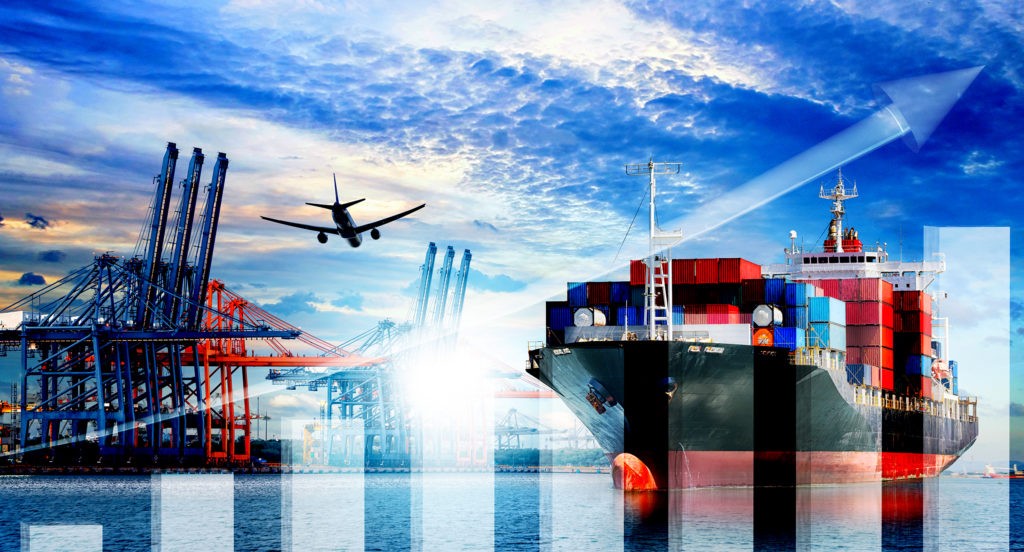
What Factors Determine Your Shipping Cost from China to UK?
Fuel prices and seasonal demand significantly influence the total shipping cost from China to UK during the 2026 fiscal year. Consequently, importers must monitor market fluctuations to secure the most favorable rates for their inventory shipments.
Weight and volume represent the primary metrics used by carriers to calculate your base freight charges. Therefore, optimizing your packaging can lead to substantial savings over multiple shipment cycles throughout the year.
Distance between specific ports also plays a vital role in the final price you pay for logistics services. For instance, shipping from Shenzhen to Felixstowe might offer different pricing structures compared to routes originating from Northern China ports like Tianjin.
Additional services such as insurance and specialized handling further add to the overall expenditure. Nevertheless, protecting high-value cargo remains a priority for most successful supply chain managers operating today.
How Does Sea Freight Compare to Other Shipping Options?
Choosing sea freight often provides the most economical solution for large-scale shipments exceeding 15 cubic meters. However, this method requires significantly longer transit times compared to faster alternatives like air or rail transport.
Importers generally prefer ocean transport when budget constraints outweigh the need for immediate delivery. In contrast, businesses with urgent stock requirements might find the higher costs of air freight justified by the rapid turnaround.
Rail freight occupies the middle ground by offering a balance between speed and cost-effectiveness for inland origins. Specifically, this method serves as an excellent alternative for cargo that is too heavy for air but too urgent for the sea.
| Shipping Method | Cost Range (USD) | Transit Time | Best For |
|---|---|---|---|
| Sea Freight (40HQ) | $3,500 – $4,800 | 30 – 40 Days | Bulk Goods |
| Air Freight (per kg) | $4.50 – $7.50 | 5 – 8 Days | Electronics |
| Rail Freight (LCL/CBM) | $150 – $250 | 18 – 22 Days | Industrial Parts |
| Express Service | $8.00 – $12.00 | 3 – 5 Days | Samples/Urgent |

Analyzing Sea Freight Shipping Cost from China to UK
Full Container Load (FCL) shipping offers a fixed price for the use of an entire 20ft or 40ft container. This approach typically results in a lower cost per unit when you have enough volume to fill the space efficiently.
Less than Container Load (LCL) serves smaller shipments by grouping multiple customers’ cargo into a single shared container. Although this reduces the total entry price, the cost per cubic meter is usually higher than FCL due to handling fees.
Port congestion and seasonal surcharges can unexpectedly increase your sea freight budget during peak months like September and October. Accordingly, booking your space at least four weeks in advance helps mitigate these potential price hikes.
| Container Type | Capacity (CBM) | Typical Rate (USD) | Weight Limit |
|---|---|---|---|
| 20GP Container | 33 CBM | $2,200 – $2,800 | 28,000 kg |
| 40GP Container | 67 CBM | $3,200 – $4,000 | 26,000 kg |
| 40HQ Container | 76 CBM | $3,500 – $4,500 | 26,000 kg |
| LCL (per CBM) | 1 CBM Min | $60 – $90 | 1,000 kg |
The Role of Air Freight in Modern Supply Chains
Utilizing air freight ensures your products reach the UK market within a matter of days rather than weeks. This speed is essential for high-fashion items, perishable goods, or high-tech components with short lifecycles.
Carriers calculate air cargo rates based on either actual weight or volumetric weight, whichever is greater. Furthermore, choosing an express service can further streamline the process by including door-to-door delivery and customs handling.
Economic shifts in 2026 have led to more stable air freight pricing compared to the volatility seen in previous years. Despite the higher cost, the reduction in inventory holding costs often offsets the initial shipping investment for many retailers.
Why Rail Freight is Gaining Popularity for UK Imports
Modern rail freight services provide a reliable link between major Chinese manufacturing hubs and European terminals. This mode of transport has become increasingly popular for businesses seeking a more sustainable logistics footprint without sacrificing too much speed.
Transit times for rail shipments typically range from 18 to 22 days, making it twice as fast as traditional sea routes. Moreover, rail transport is less affected by weather conditions and sea state, leading to more predictable delivery schedules.
Costs for rail transport remain competitive, especially for shipments that fall between the weight thresholds of air and sea. Indeed, many companies now use rail as their primary method for mid-value consumer electronics and automotive parts.
Which Option Should You Choose? (Decision Framework)
Selecting the right method depends on your specific balance of budget, speed, and cargo volume. If your priority is the lowest possible cost and you have flexible timelines, sea freight is undoubtedly your best option.
Speed-driven businesses should opt for air freight or express services to maintain high inventory turnover. Meanwhile, those shipping to Amazon FBA centers often prefer a hybrid approach to ensure stock never runs out while managing costs.
Volume thresholds often dictate when you should switch from LCL to FCL or from air to rail. Generally, once your shipment exceeds 15 CBM, FCL sea freight becomes the most cost-effective strategy for your UK imports.
Real Case Studies: Shipping Cost from China to UK in Practice
Examining real-world scenarios helps importers understand the practical application of different shipping methods. Below are three examples based on early 2026 market data and typical logistics requirements.
Case Study 1: Electronics from Shenzhen +———————————————————+ | Route: Shenzhen, China to London, UK | | Cargo: Consumer Electronics, 2.5 CBM, 450 kg | | Method: Air Freight (Standard) | | | | Shipping Details: | | – Carrier: Major Air Carrier | | – Port of Loading: Shenzhen (SZX) | | – Port of Discharge: London Heathrow (LHR) | | | | Cost Breakdown: | | – Air Freight: $2,475 | | – Origin Charges: $120 | | – Destination Charges: $180 | | – Customs & Duties: $550 | | – Total Landed Cost: $3,325 | | | | Timeline: 7 Days Total Door-to-Door | | Key Insight: High-value items justified air costs. | +———————————————————+
Case Study 2: Apparel from Shanghai +———————————————————+ | Route: Shanghai, China to Felixstowe, UK | | Cargo: Cotton T-shirts, 40HQ Container | | Method: Sea Freight (FCL) | | | | Shipping Details: | | – Carrier: COSCO | | – Port of Loading: Shanghai | | – Port of Discharge: Felixstowe | | | | Cost Breakdown: | | – Ocean Freight: $4,200 | | – Origin Charges: $350 | | – Destination Charges: $450 | | – Customs & Duties: $2,100 | | – Total Landed Cost: $7,100 | | | | Timeline: 35 Days Total Door-to-Door | | Key Insight: FCL provided the lowest unit cost. | +———————————————————+
Case Study 3: Industrial Equipment from Ningbo +———————————————————+ | Route: Ningbo, China to Birmingham, UK | | Cargo: Machine Parts, 12 CBM, 3,200 kg | | Method: Rail Freight (LCL) | | | | Shipping Details: | | – Route: China-Europe Railway Express | | – Loading Terminal: Xi’an | | – Discharge Terminal: London/Barking | | | | Cost Breakdown: | | – Rail Freight: $2,160 | | – Origin Handling: $200 | | – UK Delivery: $350 | | – Customs Clearance: $150 | | – Total Landed Cost: $2,860 | | | | Timeline: 21 Days Total Door-to-Door | | Key Insight: Faster than sea for urgent production. | +———————————————————+
Navigating Customs Brokerage and Import Taxes
Understanding the role of customs brokerage is vital for avoiding costly delays at the UK border. Professional brokers ensure all documentation, including the Bill of Lading and Commercial Invoice, complies with current UK regulations.
Import duties and Value Added Tax (VAT) significantly impact the final landed cost of your goods. Specifically, most commercial imports into the UK are subject to a standard VAT rate of 20% on the total value of the goods plus shipping.
Obtaining an EORI number is a mandatory requirement for any business moving goods between the UK and non-EU countries. Consequently, you should finalize your registration well before your first shipment departs from China.
Top Strategies to Reduce Your Total Shipping Cost from China to UK
Consolidating multiple smaller orders into a single large shipment often reduces the overhead costs associated with documentation and port fees. Additionally, negotiating long-term contracts with freight forwarders can provide price stability in a fluctuating market.
Choosing the right Incoterms, such as FOB (Free on Board) or EXW (Ex Works), allows you to control more of the logistics chain. By managing the shipping yourself, you can often find more competitive rates than those offered by manufacturers.
Expanding your reach to other regions like Europe as part of a broader distribution strategy can also help lower individual shipment costs through volume discounts. Ultimately, careful planning and expert advice remain the most effective tools for cost reduction.
Mastering Your Shipping Strategy for 2026
Managing the shipping cost from China to UK requires a proactive approach and a deep understanding of the available freight methods. Whether you prioritize the speed of air freight or the economy of sea freight, selecting the right partner is essential for success.
Market conditions in 2026 offer several opportunities for businesses to streamline their logistics and improve profit margins. By applying the strategies and data presented in this guide, you can make informed decisions that benefit your bottom line.
Note: Freight rates are subject to change based on fuel costs, carrier capacity, and seasonal demand. Contact us for a current quote tailored to your specific shipment.
Start Your Shipment
Ready to optimize your supply chain and reduce your shipping cost from China to UK? Contact our expert team at Top China Freight today for a personalized quote and professional logistics guidance. Visit our website to start your inquiry and secure the best rates for 2026.
Request Quote