

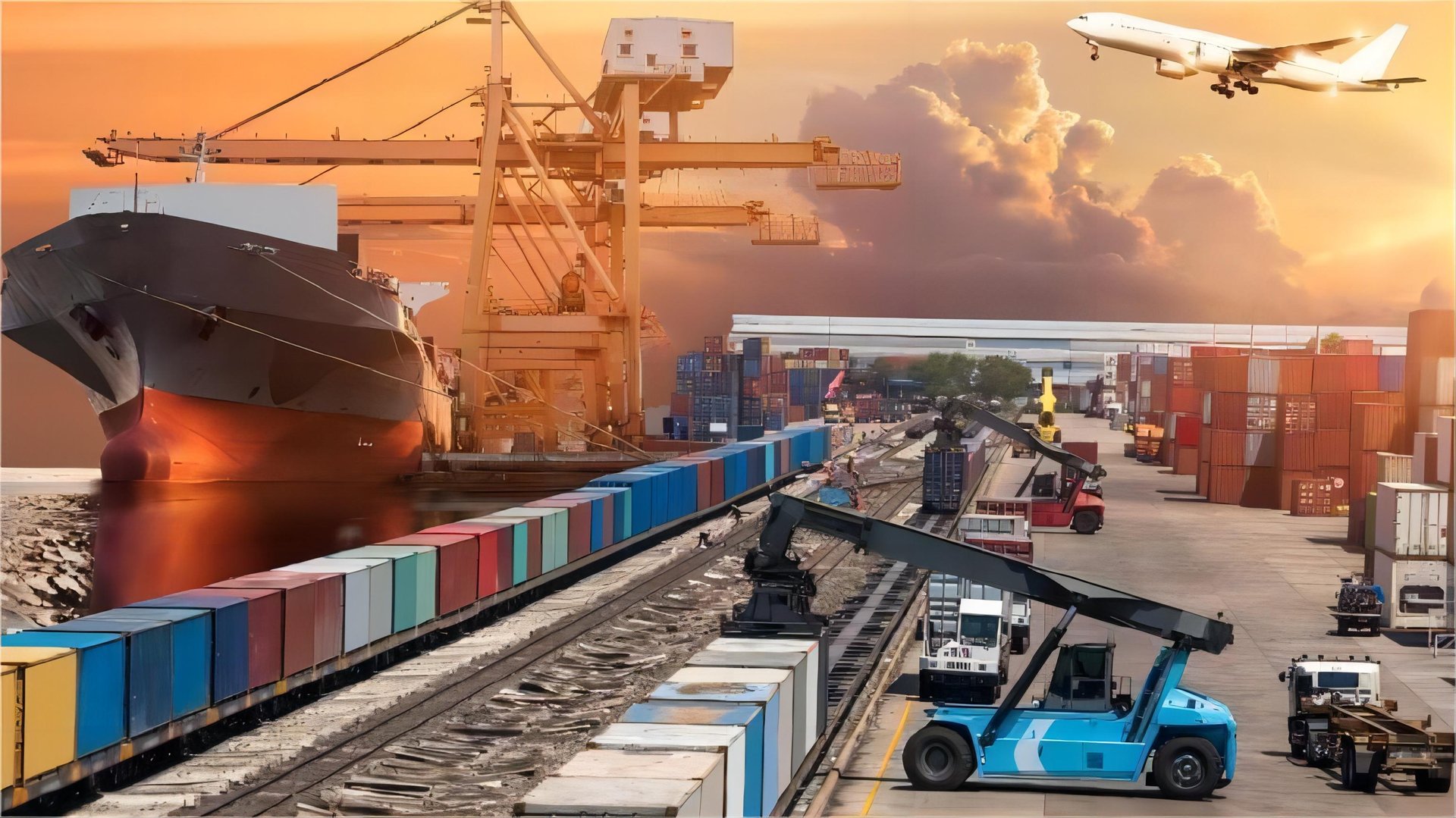
2026 Shipping Rates from China to Spain: The Ultimate Logistics Guide | Save on Shipping Rates from China to Spain Today
Navigating the complexities of international logistics requires a clear understanding of the current market landscape for 2026. Businesses looking for the most competitive shipping rates from china to Spain must balance speed, reliability, and cost-efficiency to remain profitable. However, finding the right balance often involves analyzing various transport modes and seasonal price fluctuations. This guide provides comprehensive data and strategic insights to help you manage your imports effectively while optimizing your total landed costs.

Factors Affecting Shipping Rates from China to Spain in 2026
Understanding the variables that influence your freight costs is essential for accurate budgeting and supply chain planning. Moreover, the global logistics market in 2026 continues to face pressure from fluctuating fuel prices and shifting trade policies. Consequently, importers must stay informed about carrier capacity and seasonal demand spikes that occur during the peak shipping months.
Factors such as port congestion in major hubs like Ningbo or Valencia can also lead to unexpected surcharges and delays. Furthermore, currency exchange rates between the Euro and the Yuan play a significant role in determining the final price of logistics services. Additionally, geopolitical stability along major maritime and rail routes remains a critical factor that carriers consider when setting their monthly base rates.
Market data suggests that environmental regulations and carbon taxes are starting to impact the pricing models of major shipping lines. Indeed, many carriers now include sustainability surcharges to offset the costs of cleaner fuels and energy-efficient vessel upgrades. Therefore, businesses should account for these evolving costs when negotiating long-term contracts with their freight forwarders.
Comparing Sea Freight Shipping Rates from China to Spain
Comparing sea freight options is the most common starting point for businesses moving large volumes of goods. Historically, ocean transport remains the most cost-effective method for bulky items, machinery, and consumer electronics that do not require immediate delivery. However, the choice between Full Container Load (FCL) and Less than Container Load (LCL) will significantly impact your per-unit shipping costs.
Furthermore, sea freight rates have stabilized in early 2026 following the disruptions of previous years, offering more predictable pricing for Spanish importers. Specifically, shipping a 40-foot container from Shanghai to Barcelona currently ranges between $3,200 and $4,500 depending on the carrier and service level. Additionally, LCL shipments are often priced per cubic meter, making them ideal for smaller businesses with lower inventory requirements.
Investors in the Spanish market should also consider the differences between direct routes and transshipment options. While direct services are faster, they often command a 10% to 15% premium over routes that stop in intermediate ports like Singapore or Algeciras. Consequently, planning your shipments well in advance allows you to choose slower, more economical routes without risking stockouts.
| Container Type | Average Cost (USD) | Transit Time (Days) | Best For |
|---|---|---|---|
| 20GP Container | $1,900 – $2,700 | 30 – 38 Days | Heavy/Small Volume |
| 40GP Container | $3,000 – $4,100 | 32 – 40 Days | General Cargo |
| 40HQ Container | $3,300 – $4,600 | 32 – 40 Days | Light/Bulky Goods |
| LCL (per CBM) | $60 – $95 | 35 – 45 Days | Small Shipments |
How Rail Freight Offers a Middle Ground for Spanish Importers
Rail freight has emerged as a powerful alternative for those who need faster delivery than sea but cannot afford air transport. Notably, rail freight services connecting Chinese industrial hubs to European terminals provide a reliable transit time of 18 to 24 days. Nevertheless, availability can be limited during peak seasons, so early booking is highly recommended for this specific mode.
Specifically, the China-Europe Railway Express connects cities like Zhengzhou and Yiwu directly to logistics hubs in Madrid and Barcelona. Moreover, this method is particularly well-suited for high-value industrial components and fashion items that require a quick turnaround. Accordingly, the costs are generally 30% to 50% lower than air freight while being roughly double the cost of ocean transport.
Importers should note that rail cargo is subject to specific weight and packaging requirements to ensure stability during the long overland journey. Furthermore, the environmental footprint of rail transport is significantly lower than air freight, making it an attractive option for companies with green initiatives. Consequently, many Spanish retailers are shifting their mid-season inventory to rail to balance cost and speed.

Understanding FCL vs. LCL Pricing Models
Pricing for containerized shipping is divided into two main categories based on the volume of your cargo. Therefore, understanding whether to use FCL or LCL is vital for optimizing your shipping rates from China to Spain. Importers with enough volume to fill at least 15 cubic meters (CBM) usually find that FCL offers the best value and security for their goods.
Usually, FCL shipments involve a flat rate for the entire container, providing the importer with exclusive use of the space. In contrast, LCL involves sharing container space with other shippers, which requires additional handling and consolidation at the port of origin. Consequently, LCL shipments often incur higher destination charges and documentation fees on a per-unit basis.
Specifically, LCL is best for trial orders or small businesses that do not have the warehouse capacity to handle full containers. However, as your business scales, transitioning to FCL can reduce your logistics costs by up to 20% through economies of scale. Additionally, FCL shipments generally experience fewer delays because they do not need to be unpacked and sorted at the destination warehouse.
How Does Sea Freight Compare to Other Shipping Options?
Analyzing the different transport modes side-by-side allows you to make an informed decision based on your specific business needs. While sea freight is the budget-friendly leader, other methods provide essential benefits for urgent or sensitive cargo. Notably, the current market in 2026 shows that hybrid solutions like sea-air are becoming more popular for balancing extreme constraints.
Historically, air freight has been the go-to for high-value electronics, but the high carbon taxes in 2026 have made it even more expensive. Meanwhile, rail freight continues to bridge the gap, offering a consistent schedule that avoids the unpredictability of maritime weather. Consequently, many logistics managers now use a diversified approach, splitting their inventory across multiple modes to mitigate risks.
Note: Freight rates are subject to change based on fuel costs, carrier capacity, and seasonal demand. Contact us for a current quote tailored to your specific shipment.
| Shipping Method | Cost Range | Transit Time | Best For |
|---|---|---|---|
| Sea Freight | $1,800 – $4,600 | 30 – 45 Days | Bulk/Low Value |
| Air Freight | $4.50 – $9.50/kg | 3 – 7 Days | Urgent/High Value |
| Rail Freight | $2,500 – $4,800 | 18 – 25 Days | Mid-range/Industrial |
| Express Courier | $7.00 – $15.00/kg | 2 – 4 Days | Samples/Documents |
Which Option Should You Choose? Decision Framework
Choosing the right shipping method depends on four primary factors: budget, urgency, cargo type, and total volume. Consequently, if your priority is minimizing costs and you have a flexible timeline, ocean freight is the undisputed winner. Budget-conscious importers should plan their production cycles at least three months in advance to leverage the lowest possible sea rates.
Urgent shipments that must reach Spanish shelves within a week should always utilize air freight services. However, if you are shipping heavy machinery or hazardous materials, you must check for specific carrier restrictions that might apply to air or rail transport. Furthermore, for shipments between 5 and 15 CBM, rail freight often provides the best balance of speed and cost in 2026.
Volume thresholds are also a critical consideration for any growing business importing from China. Indeed, once your monthly volume exceeds 20 CBM, you should almost exclusively look at FCL sea freight to maximize your profit margins. Additionally, consider the landed cost, which includes duties and taxes, rather than just the freight rate when making your final decision.

Transit Times and Their Impact on Total Costs
Transit time is more than just a duration; it is a financial variable that affects your cash flow and inventory carrying costs. Moreover, longer transit times mean your capital is tied up in goods that are sitting on the ocean for over a month. Therefore, many businesses opt for door to door services to streamline the entire process from the factory floor to the Spanish warehouse.
Importantly, the time spent in customs and local delivery can sometimes equal the time spent on the water if not managed correctly. Specifically, port congestion in Valencia or Barcelona during the summer months can add 5 to 7 days to your total delivery schedule. Consequently, working with a freight forwarder who has strong local connections in Spain is essential for minimizing these hidden delays.
Meanwhile, air freight transit times are much more consistent, typically ranging from 3 to 5 days for standard service and 1 to 2 days for express. Nevertheless, the cost per kilogram is significantly higher, which can erode the margins of low-cost consumer goods. Accordingly, businesses must weigh the cost of faster delivery against the potential loss of sales due to out-of-stock situations.
Customs Clearance and Documentation in Spain
Customs regulations in Spain are governed by European Union standards, requiring strict adherence to documentation and safety protocols. Specifically, every shipment must be accompanied by a Commercial Invoice, Packing List, and Bill of Lading or Air Waybill. Furthermore, using a professional customs brokerage service can prevent costly fines and seizure of goods at the border.
Essentially, the Spanish customs authorities focus heavily on the valuation of goods and the correct application of HS codes. Inaccurate declarations can lead to delays of several weeks and significant storage fees at the port or airport. Therefore, ensure that your Chinese supplier provides accurate descriptions and that all duties are calculated based on the latest 2026 tariff schedules.
Documentation requirements may also include certificates of origin or CE marking for electronics and toys sold in the European market. Moreover, the introduction of new digital customs platforms in 2026 has streamlined the process for authorized economic operators. Consequently, choosing a logistics partner with modern digital capabilities will help you clear customs faster and more efficiently.
Real Case Studies from 2025 and 2026
Real-world examples provide the best insight into how different shipping methods perform in practice for Spanish businesses. Examining these scenarios helps you understand the total landed cost and the timeline you can expect for your own shipments. These cases reflect actual market conditions and typical pricing seen in the current logistics environment.
Case Study 1: Electronics from Shenzhen to Madrid +———————————————————+ | Route: Shenzhen, China -> Madrid, Spain | | Cargo: Consumer Electronics, 2 CBM, 450 kg | | Method: Air Freight (Standard) | | Shipping Details: | | – Carrier: Major Airline | | – Port of Loading: Shenzhen (SZX) | | – Port of Discharge: Madrid (MAD) | | Cost Breakdown: | | – Air Freight: $2,925 ($6.50/kg) | | – Origin/Dest Charges: $350 | | – Total Landed Cost: $3,275 | | Timeline: | | – Sea Transit: N/A (Air) | | – Total Door-to-Door: 6 Days | | Key Insight: High-value cargo justified air costs. | +———————————————————+
Case Study 2: Furniture from Ningbo to Valencia +———————————————————+ | Route: Ningbo, China -> Valencia, Spain | | Cargo: Home Furniture, 68 CBM, 12,000 kg | | Container: 40HQ Full Container | | Shipping Details: | | – Carrier: COSCO | | – Port of Loading: Ningbo | | – Port of Discharge: Valencia | | Cost Breakdown: | | – Ocean Freight: $3,950 | | – Origin/Dest Charges: $650 | | – Total Landed Cost: $4,600 | | Timeline: | | – Sea Transit: 34 Days | | – Total Door-to-Door: 42 Days | | Key Insight: FCL was the most economical for bulk. | +———————————————————+
Strategies to Reduce Your Shipping Rates from China to Spain
Reducing your logistics expenses requires a proactive approach to planning and negotiation with your service providers. Specifically, consolidating multiple small orders into a single FCL shipment can drastically lower your per-unit shipping costs. Furthermore, avoiding the peak seasons of late Q3 and early Q4 can save you up to 25% on base freight rates.
Ultimately, optimizing your packaging to reduce dead space will allow you to fit more product into each container or CBM. Moreover, negotiating Incoterms like FOB (Free on Board) instead of EXW (Ex Works) gives you more control over the international shipping leg. Consequently, you can choose your own forwarder and leverage competitive market rates rather than relying on the supplier’s choice.
Final Thoughts on Spanish Logistics
Summarizing the current market, it is clear that managing shipping rates from china to Spain requires a combination of early planning and flexible transport strategies. Whether you choose the speed of air or the economy of sea, understanding the underlying costs is the key to success. By applying the insights from this guide, you can navigate the 2026 logistics landscape with confidence and efficiency.
Get Your Shipping Quote Today
Are you looking for the most competitive shipping rates from china to Spain for your next project? Contact our expert logistics team today to receive a customized quote tailored to your specific cargo and timeline. Visit our inquiry page to start optimizing your supply chain now.

Frequently Asked Questions
What is the cheapest way to ship goods from China to Spain?
Sea freight, specifically FCL for large volumes, remains the cheapest method. For smaller loads, LCL is the most cost-effective option despite higher per-unit fees.
How long does sea freight take from China to Spain?
Typically, sea transit takes between 30 and 45 days. This depends on the specific ports of origin and discharge, such as Shanghai to Barcelona.
Are there rail freight options from China to Spain?
Yes, the China-Europe Railway Express connects several Chinese cities to Madrid and Barcelona. It offers a transit time of 18 to 25 days.
Do I need a customs broker for Spanish imports?
While not legally mandatory, a customs broker is highly recommended. They ensure compliance with EU regulations and help avoid costly delays or fines.
What are the main ports in Spain for Chinese imports?
The primary ports are Valencia, Barcelona, and Algeciras. These hubs handle the majority of containerized traffic coming from major Chinese ports.
How are air freight rates calculated?
Rates are calculated based on either actual weight or volumetric weight, whichever is higher. Prices in 2026 range from $4.50 to $9.50 per kilogram.
Does peak season affect shipping rates to Spain?
Yes, rates typically increase significantly from August to October. Planning shipments outside this window can lead to substantial cost savings.
Can I ship hazardous materials from China to Spain?
Yes, but they require specialized handling and documentation. Not all carriers or transport modes accept hazardous cargo, so check in advance.