


20GP FCL Booking Process for Hardware Tools from China to Georgia
Shipping industrial equipment and heavy hardware requires a strategic approach to ensure safety and cost-efficiency. Importers often struggle with complex logistics when moving dense cargo across international borders. Top China Freight offers specialized solutions to streamline your international trade operations. This comprehensive guide details the 20GP FCL booking process for hardware tools from China to Georgia to help you optimize your supply chain.

Why 20GP FCL is Ideal for Hardware Tools
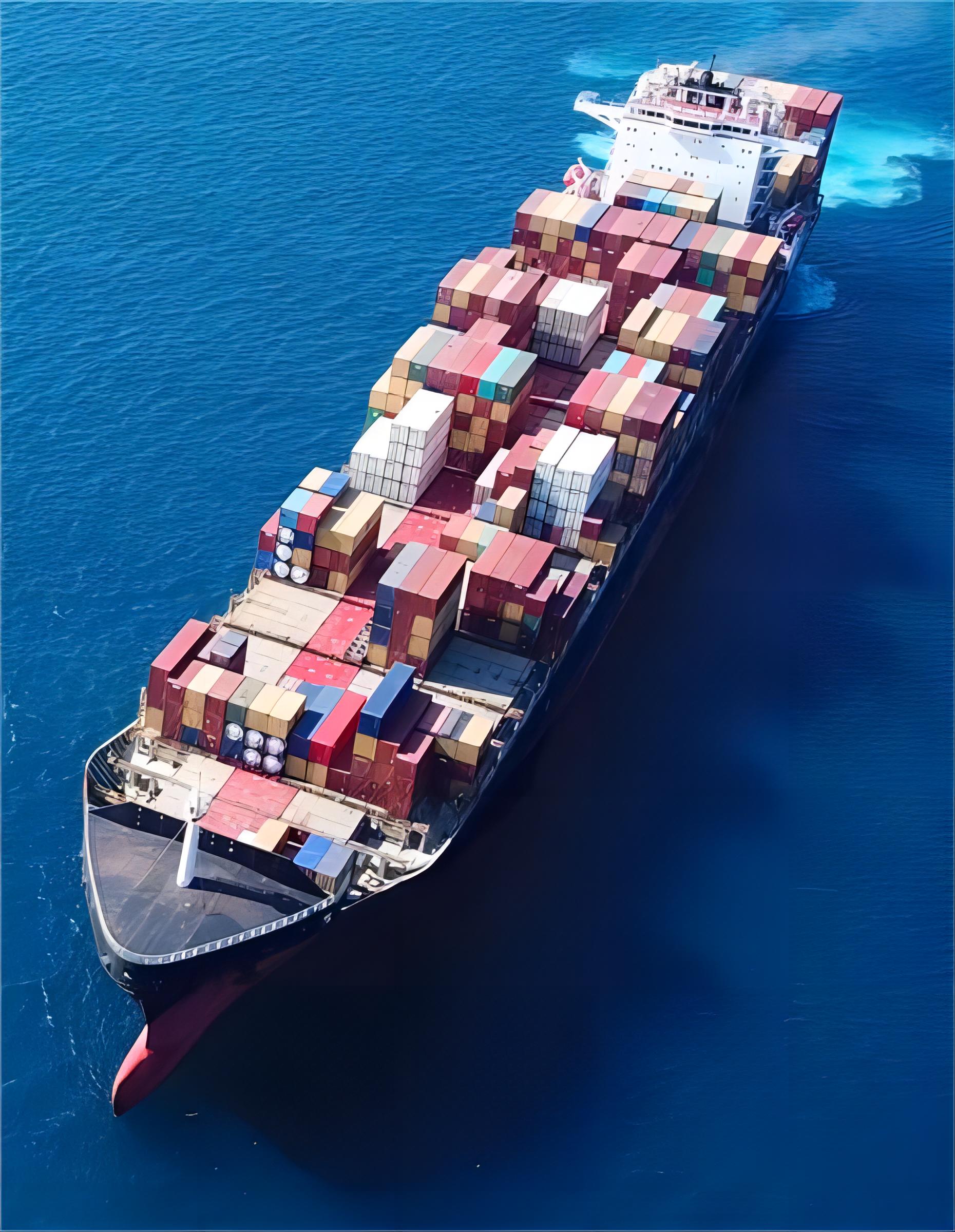
Hardware tools such as wrenches, power drills, and hammers are characterized by high density and significant weight. Consequently, a 20GP container is often the most practical choice because it has a high weight capacity despite its smaller volume. Furthermore, using a full container load ensures that your heavy items do not damage other shippers’ goods. Most importers prefer this method to maintain cargo integrity during the long journey to the Caucasus region.
Selecting FCL also provides a higher level of security for valuable tool sets and industrial machinery. Specifically, the container remains sealed from the point of origin until it reaches your warehouse in Georgia. This reduces the risk of pilferage and handling damage significantly. Additionally, the fixed cost of a 20GP container simplifies your per-unit landed cost calculations.

Initiating the 20GP FCL Booking Process for Hardware Tools from China to Georgia
Starting your shipment requires finding a freight forwarder with deep expertise in the Eurasian market. You should prioritize partners who understand the specific requirements of the Port of Poti and Batumi. Professional sea freight services will provide you with a booking note once you confirm the freight rate. Therefore, you must provide accurate cargo dimensions and weight to receive a precise quote.
Once you accept the quote, the forwarder will coordinate with the shipping line to secure container space. This step is crucial during peak seasons when equipment shortages are common in major Chinese hubs like Ningbo or Shanghai. Subsequently, you will receive a container release order to pick up the empty 20GP from the depot. Coordinating this timing with your factory ensures a smooth loading process.
How Does 20GP FCL Compare to Other Shipping Options?
Comparing different logistics modes is essential for making an informed business decision. While sea freight is the most common method for hardware, it is not the only option available for Georgian importers. For example, some businesses might consider rail or air depending on their specific timeline and budget. However, the heavy nature of hardware tools usually makes sea freight the undisputed leader in cost-efficiency.
Market data suggests that sea freight remains the primary choice for over 90 percent of hardware shipments to Georgia. In contrast, air freight is reserved for high-value precision instruments or urgent replacement parts. To clarify the differences, we have provided a detailed comparison of the available shipping methods below.
| Shipping Method | Cost Range | Transit Time | Best For |
|---|---|---|---|
| Sea Freight (20GP) | $1,800 – $2,600 | 35 – 45 Days | Heavy Hardware |
| Air Freight | $4.50 – $7.00/kg | 5 – 8 Days | Urgent Samples |
| Rail Freight | $3,000 – $4,500 | 20 – 25 Days | Medium Urgency |
| LCL Sea | $80 – $150/CBM | 40 – 50 Days | Small Batches |
Step-by-Step Documentation for Georgia Customs
Navigating the legal requirements is often the most challenging part of the 20GP FCL booking process for hardware tools from China to Georgia. You must ensure that every document is filled out accurately to avoid expensive port storage fees. Utilizing a professional customs brokerage service can prevent these common administrative errors. Moreover, Georgian customs officials are very strict regarding HS code classification for industrial tools.
Essential documents include the Bill of Lading, Commercial Invoice, and a detailed Packing List. Additionally, you may need a Certificate of Origin to qualify for specific trade agreements or tariff reductions. Georgia has simplified many of its import procedures, yet hardware often requires technical specifications for safety compliance. Consequently, keeping a digital folder of all documents is a best practice for modern importers.
Understanding Transit Times and Port Logistics
Transit times from China to Georgia depend heavily on the chosen route and the transshipment ports involved. Most shipments depart from Shenzhen, Ningbo, or Shanghai and travel through the Suez Canal. Specifically, the cargo usually reaches the Mediterranean before heading to the Black Sea ports. Door to door services are highly recommended to manage the final leg of the journey from the port to your facility.
Weather conditions and seasonal congestion can influence the arrival date significantly. For instance, winter storms in the Black Sea sometimes delay berthing at the Port of Poti. Resultantly, you should always build a buffer of 5 to 7 days into your supply chain planning. The table below outlines typical transit times from major Chinese shipping hubs to Georgia.
| Origin Port | Destination Port | Average Transit | Route Type |
|---|---|---|---|
| Shanghai | Poti | 38 Days | Transshipment |
| Ningbo | Poti | 40 Days | Transshipment |
| Shenzhen | Batumi | 35 Days | Direct/Trans |
| Qingdao | Poti | 45 Days | Transshipment |
Cost Breakdown for Hardware Tool Shipments
Calculating the total landed cost involves more than just the ocean freight rate. You must account for origin charges, destination fees, and inland trucking costs within Georgia. Notably, hardware tools may attract specific import duties depending on their material composition and intended use. Based on early 2025 market rates, ocean freight for a 20GP container currently fluctuates between $1,800 and $2,600.
Origin charges usually include terminal handling fees, document fees, and export customs clearance in China. Furthermore, you should factor in marine insurance, which typically costs about 0.3 percent of the cargo value. Because hardware is heavy, inland haulage from Poti to Tbilisi can be more expensive than for lighter goods. Therefore, always request an all-in quote to avoid hidden surprises at the end of the journey.
Real Case Studies of Hardware Tool Shipments
Reviewing real-world examples helps clarify the complexities of the 20GP FCL booking process for hardware tools from China to Georgia. These scenarios demonstrate how different factors like seasonality and cargo type affect the final outcome. We have documented two recent shipments to provide you with verifiable market insights. These cases reflect typical logistics challenges and successful strategies used by experienced importers.
Case Study 1: Hand Tools from Ningbo to Poti. Route: Ningbo Port to Poti Port. Cargo: 18 tons of assorted hand tools. Container: 20GP. Shipping Details: Major carrier via transshipment in Istanbul. Ocean Freight: $2,100. Origin Charges: $350. Destination Charges: $420. Customs and Duties: $1,200. Total Landed Cost: $4,070. Timeline: 42 days total. Key Insight: Early booking saved 15 percent compared to spot rates.
Case Study 2: Power Tools from Shenzhen to Tbilisi. Route: Shenzhen Port to Tbilisi via Poti. Cargo: Electric drills and saws, 15,000 kg. Container: 20GP. Shipping Details: Direct service to Poti then rail to Tbilisi. Ocean Freight: $2,350. Origin Charges: $400. Destination Charges: $550. Customs and Duties: $2,100. Total Landed Cost: $5,400. Timeline: 38 days total. Key Insight: Using rail for the final leg in Georgia reduced delivery time by 3 days.
Alternative Strategies and Cost-Saving Tips
Importers can utilize several strategies to reduce their overall logistics spend without sacrificing reliability. For example, consolidating multiple smaller orders into a single 20GP container can save significant amounts on documentation fees. If your tools are not time-sensitive, choosing a slower route with more transshipment points can lower the freight rate. Additionally, rail freight remains an interesting alternative for those looking for faster transit than sea but lower costs than air.
Urgent shipments of high-value hardware components might benefit from air freight despite the higher price tag. This is especially true for lightweight precision tools where the speed of delivery outweighs the transportation cost. However, always verify if your tools contain lithium batteries, as this requires special dangerous goods handling. To summarize, the best strategy depends on your specific balance of speed, cost, and cargo safety requirements.

Which Option Should You Choose?
Choosing the right shipping method requires a clear understanding of your business priorities and inventory needs. If your primary goal is budget optimization, sea freight in a 20GP container is almost always the best choice. For businesses focused on rapid market entry or seasonal demand, hybrid solutions might be more appropriate. Specifically, you should analyze your volume thresholds before deciding between FCL and other methods.
Budget priority: Recommend 20GP FCL via sea for maximum savings on heavy hardware. Speed priority: Recommend air freight for small batches or rail for full containers. Cargo type considerations: Use 20GP for dense tools and 40HQ for bulky, lightweight equipment. Volume thresholds: If you have more than 15 CBM of goods, FCL is generally more economical than LCL.
Final Thoughts on Shipping Hardware to Georgia
Mastering the 20GP FCL booking process for hardware tools from China to Georgia is essential for any serious importer in the region. By understanding the nuances of container selection, documentation, and transit routes, you can significantly reduce your operational risks. Moreover, choosing the right logistics partner ensures that your heavy cargo is handled with the necessary care and expertise.
Freight rates and market conditions will continue to fluctuate based on global economic trends and fuel costs. Therefore, staying informed and flexible is the key to maintaining a resilient supply chain. Whether you choose sea, rail, or air, a well-planned logistics strategy will help your hardware business thrive in the competitive Georgian market. Note: Freight rates are subject to change based on fuel costs, carrier capacity, and seasonal demand. Contact us for a current quote tailored to your specific shipment.
Ready to streamline your logistics?
Streamline your 20GP FCL booking process for hardware tools from China to Georgia today. Our expert team at Top China Freight provides reliable logistics solutions tailored to your specific hardware shipping needs. Contact us now to receive a competitive quote and ensure your tools arrive safely and on time. Visit our website to start your inquiry and optimize your international supply chain with professional support.
Request Quote