20GP FCL Container Shortage Solution for Auto Parts from China to Norway
Finding a 20GP FCL container shortage solution for auto parts from China to Norway is essential for maintaining a healthy supply chain in today’s volatile market. Many importers struggle with equipment scarcity and rising freight rates when moving critical components from Chinese manufacturing hubs to Scandinavian distributors. Top China Freight provides expert logistics management to help businesses navigate these challenges and ensure timely delivery of automotive cargo.
Why is there a 20GP FCL Container Shortage for Auto Parts?
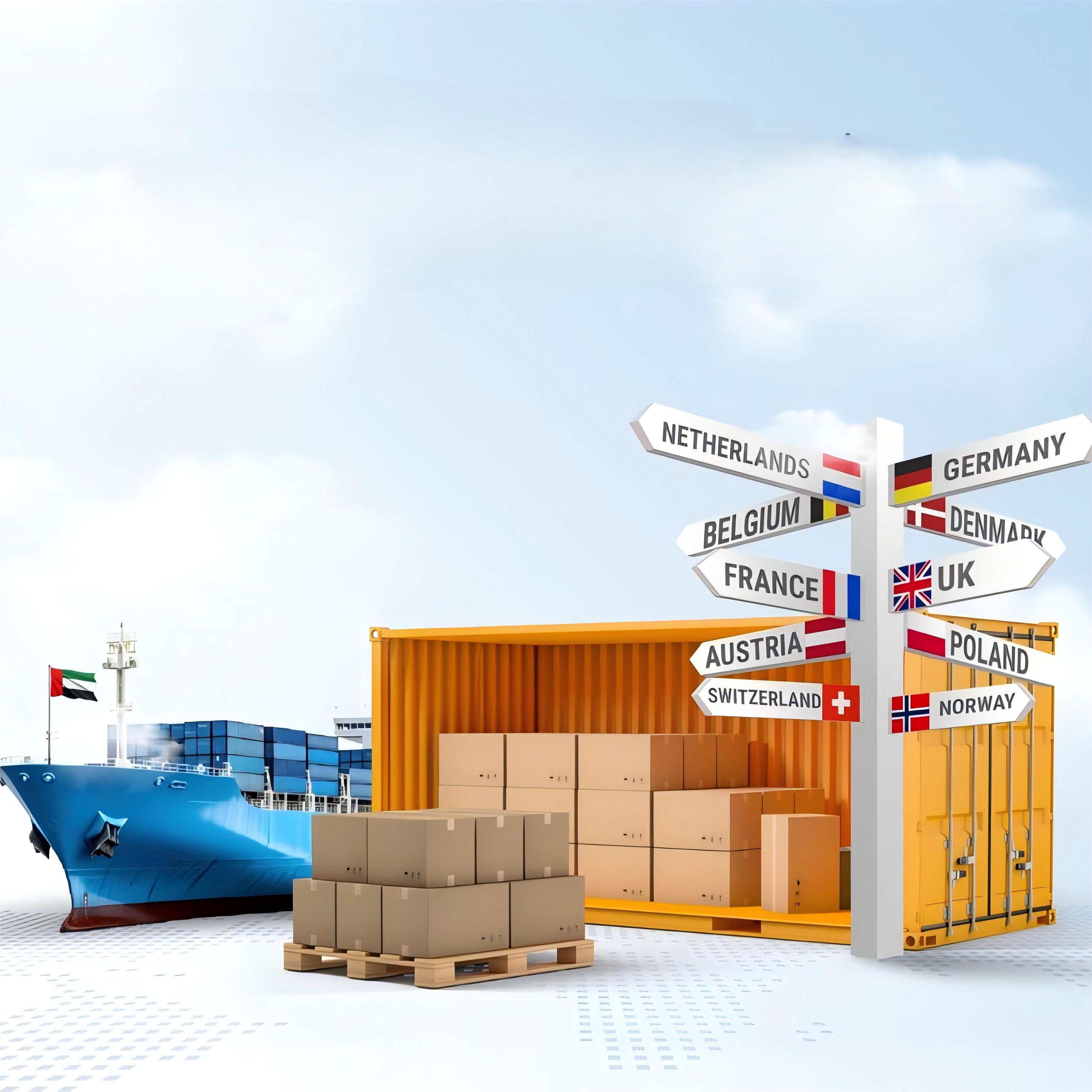
The global supply chain frequently experiences equipment imbalances that lead to a lack of 20ft General Purpose containers. Consequently, auto parts manufacturers in China find it difficult to secure the specific equipment needed for heavy or dense cargo. This shortage often stems from uneven trade flows between Asia and Northern Europe.
Moreover, the automotive industry relies heavily on 20GP containers because car parts are often dense and heavy. While a 40HQ offers more volume, it may exceed weight limits before it is even half full. Therefore, the demand for 20GP units remains high while supply fluctuates based on carrier positioning strategies.
Additionally, port congestion and inland logistics delays in Europe can trap containers for weeks. This situation prevents equipment from returning to China in a timely manner. As a result, shippers must look for a reliable 20GP FCL container shortage solution for auto parts from China to Norway to avoid production halts.
How Does 20GP FCL Compare to Other Shipping Options?
Choosing the right shipping method requires a careful balance between cost, speed, and equipment availability. While 20GP containers are ideal for weight-sensitive auto parts, other methods offer unique benefits during periods of extreme shortage. Shippers should evaluate all viable alternatives to keep their goods moving.
For instance, LCL shipping allows you to share container space with other cargo, which bypasses the need for a dedicated 20GP unit. On the other hand, rail freight provides a faster transit time to Norway compared to traditional ocean routes. Each method has specific trade-offs regarding handling and total landed cost.
| Shipping Method | Cost Range (USD) | Transit Time | Best For |
|---|---|---|---|
| 20GP FCL Sea | 1,800 – 2,600 | 35 – 45 Days | Heavy/Dense Parts |
| 40HQ FCL Sea | 3,200 – 4,500 | 35 – 45 Days | Bulky/Light Parts |
| LCL Sea Freight | 80 – 150 per CBM | 40 – 50 Days | Small Shipments |
| Rail Freight | 4,500 – 6,500 | 18 – 25 Days | Urgent Deliveries |
Is LCL a Viable Solution for Auto Parts Shipments?
When 20GP equipment is unavailable, sea freight in the form of Less than Container Load (LCL) becomes a strategic choice. This method allows you to pay only for the volume you use, which is beneficial for smaller batches of components. Furthermore, LCL services often have better availability because consolidators use 40HQ containers.
However, you must consider that LCL involves more cargo handling at the origin and destination. This increased handling can lead to a higher risk of damage for sensitive automotive electronics or glass. Nevertheless, using high-quality packaging and professional palletizing can mitigate these risks effectively.
Consequently, many businesses utilize LCL as a temporary bridge during peak seasons. It ensures that critical inventory reaches Norway even when full containers are backordered. Without a doubt, LCL is a flexible component of a broader 20GP FCL container shortage solution for auto parts from China to Norway.
Can Rail Freight Replace Sea Shipping to Norway?
The China-Europe Railway Express has emerged as a powerhouse for Scandinavian logistics. Specifically, rail freight offers a middle ground between the high cost of air and the slow speed of sea. It typically cuts transit times by half compared to the ocean route around the Cape of Good Hope.
Furthermore, rail transport is less affected by the specific shortages of 20GP sea containers. Rail operators often have their own equipment pools and different loading requirements. Therefore, shifting urgent auto parts to rail can bypass port congestion in major hubs like Ningbo or Shanghai.
Indeed, the route from China to Norway via rail usually involves transshipment in Poland or Germany. From there, goods move by truck or short-sea vessel to Oslo or Bergen. This multi-modal approach provides a robust alternative when sea equipment is scarce.
What are the Benefits of Door to Door Logistics?
Managing multiple vendors during a container shortage can be overwhelming for any supply chain manager. By utilizing door to door services, you consolidate the entire process under one responsible party. This integration simplifies communication and ensures that equipment is secured at the earliest possible stage.
Additionally, a comprehensive service provider can pivot between different transport modes instantly. If a 20GP container becomes available at a different port, the provider can reroute the domestic trucking in China to catch the booking. This agility is a key part of any 20GP FCL container shortage solution for auto parts from China to Norway.
Moreover, door-to-door services often include inland drayage and final mile delivery in Norway. This means your auto parts move seamlessly from the factory in Guangzhou to the warehouse in Drammen. Consequently, you reduce the administrative burden and minimize the risk of costly delays.
Strategic Inventory Management to Combat Shortages
Planning ahead is the most effective way to handle equipment scarcity in the shipping industry. We recommend booking your shipments at least 3 to 4 weeks in advance to secure equipment and space. Furthermore, maintaining a safety stock in Norway can buffer against unexpected transit delays caused by container shortages.
Moreover, diversifying your loading ports in China can increase your chances of finding 20GP units. While Shanghai and Ningbo are the largest ports, smaller regional ports might have better equipment availability at certain times. Indeed, a flexible sourcing strategy allows you to adapt to market fluctuations more effectively.
Finally, consider the benefits of shipping in 40HQ containers if you can consolidate multiple orders. While the freight rate is higher, the cost per unit of cargo might be lower if you maximize the volume. This strategy eliminates the reliance on the highly sought-after 20GP equipment.
The Importance of Customs Brokerage for Smooth Imports
Even if you find a container, your shipment can still face delays if the paperwork is not perfect. Professional customs brokerage ensures that all automotive parts comply with Norwegian regulations. This is particularly important for parts that may require specific certifications or safety documentation.
Additionally, Norwegian customs are strict regarding the valuation and classification of imported goods. Incorrect HS codes can lead to fines or lengthy inspections that keep your container stuck at the port. Therefore, working with an experienced broker is essential for maintaining a fast delivery schedule.
In contrast, a well-prepared shipment clears customs in a matter of hours. This efficiency allows the container to be emptied and returned to the carrier quickly, helping to alleviate the overall equipment shortage. Without a doubt, documentation is a critical pillar of a 20GP FCL container shortage solution for auto parts from China to Norway.
| Document Type | Purpose | Required For | Criticality |
|---|---|---|---|
| Commercial Invoice | Value Declaration | All Shipments | High |
| Packing List | Cargo Verification | All Shipments | High |
| Certificate of Origin | Duty Determination | Preferential Rates | Medium |
| Bill of Lading | Title of Goods | All Shipments | High |
Case Study 1: Overcoming Equipment Gaps for Brake Systems
Case Study 1: Rapid Pivot to Rail Route: Qingdao, China to Oslo, Norway Cargo: Automotive Brake Discs and Pads, 18 CBM, 14,500 kg Container: 20GP FCL (Initially), switched to Rail Shipping Details: – Carrier: Major Eurasian Rail Operator – Port of Loading: Qingdao (Trucked to Xi’an) – Port of Discharge: Oslo (via Hamburg) – Route Type: Rail-Sea Hybrid Cost Breakdown: – Ocean Freight (Initial Quote): $2,100 – Rail Freight (Final): $5,200 – Origin Charges: $450 – Destination Charges: $600 – Total Landed Cost: $6,250 Timeline: – Booking to Loading: 5 days – Rail Transit: 22 days – Customs Clearance: 1 day – Total Door-to-Door: 28 days Key Insight: By switching to rail when no 20GP containers were available in Qingdao, the client avoided a 3-week production delay. Although the freight cost was higher, the avoided factory downtime saved the client over $15,000.
Case Study 2: LCL Consolidation for Engine Components
Case Study 2: LCL Efficiency in Peak Season Route: Shenzhen, China to Bergen, Norway Cargo: Precision Engine Sensors and Gaskets, 8 CBM, 2,200 kg Container: LCL (Shared 40HQ) Shipping Details: – Carrier: COSCO via LCL Consolidation – Port of Loading: Yantian, Shenzhen – Port of Discharge: Bergen (via Rotterdam) – Route Type: Transshipment via Rotterdam Cost Breakdown: – Ocean Freight: $1,120 ($140/CBM) – Origin Charges: $320 – Destination Charges: $480 – Customs & Duties: $950 – Total Landed Cost: $2,870 Timeline: – Booking to Loading: 4 days – Sea Transit: 42 days – Customs Clearance: 2 days – Total Door-to-Door: 48 days Key Insight: During a severe 20GP shortage in South China, the importer used LCL to move critical engine components. This allowed them to maintain inventory levels without waiting for a full 20GP unit to become available.
Decision Framework: Which Option Should You Choose?
Selecting the right logistics path depends on your specific priorities and the current market situation. If budget is your primary concern and you have flexible timelines, waiting for a 20GP sea container remains the most cost-effective choice. However, you must be prepared for potential delays of 2 to 3 weeks during peak seasons.
Conversely, if speed is essential to meet a contract deadline, rail freight is the superior choice for shipping to Europe. It offers high reliability and bypasses many of the equipment issues found at sea ports. For very small volumes under 15 CBM, LCL is almost always the most logical financial decision.
Note: Freight rates are subject to change based on fuel costs, carrier capacity, and seasonal demand. Contact us for a current quote tailored to your specific shipment.
Summary of Logistics Solutions for Auto Parts
Navigating the complexities of international shipping requires a proactive approach and a variety of strategic options. Whether you choose LCL consolidation, rail freight, or wait for 20GP availability, understanding the trade-offs is essential for success. The right 20GP FCL container shortage solution for auto parts from China to Norway depends on your budget and urgency.
By partnering with an experienced freight forwarder, you gain access to a wider network of equipment and alternative routes. This flexibility ensures that your auto parts reach Norway safely and efficiently, regardless of market conditions. Stay informed about logistics trends and plan your shipments early to maintain a competitive edge in the automotive industry.
Ready to streamline your logistics?
Are you struggling with equipment availability for your next shipment? Contact Top China Freight today for a reliable 20GP FCL container shortage solution for auto parts from China to Norway. Our team is ready to provide you with a competitive quote and a customized logistics strategy to keep your supply chain moving. Visit our website to learn more and send an inquiry today. Send Inquiry:
Request Quote