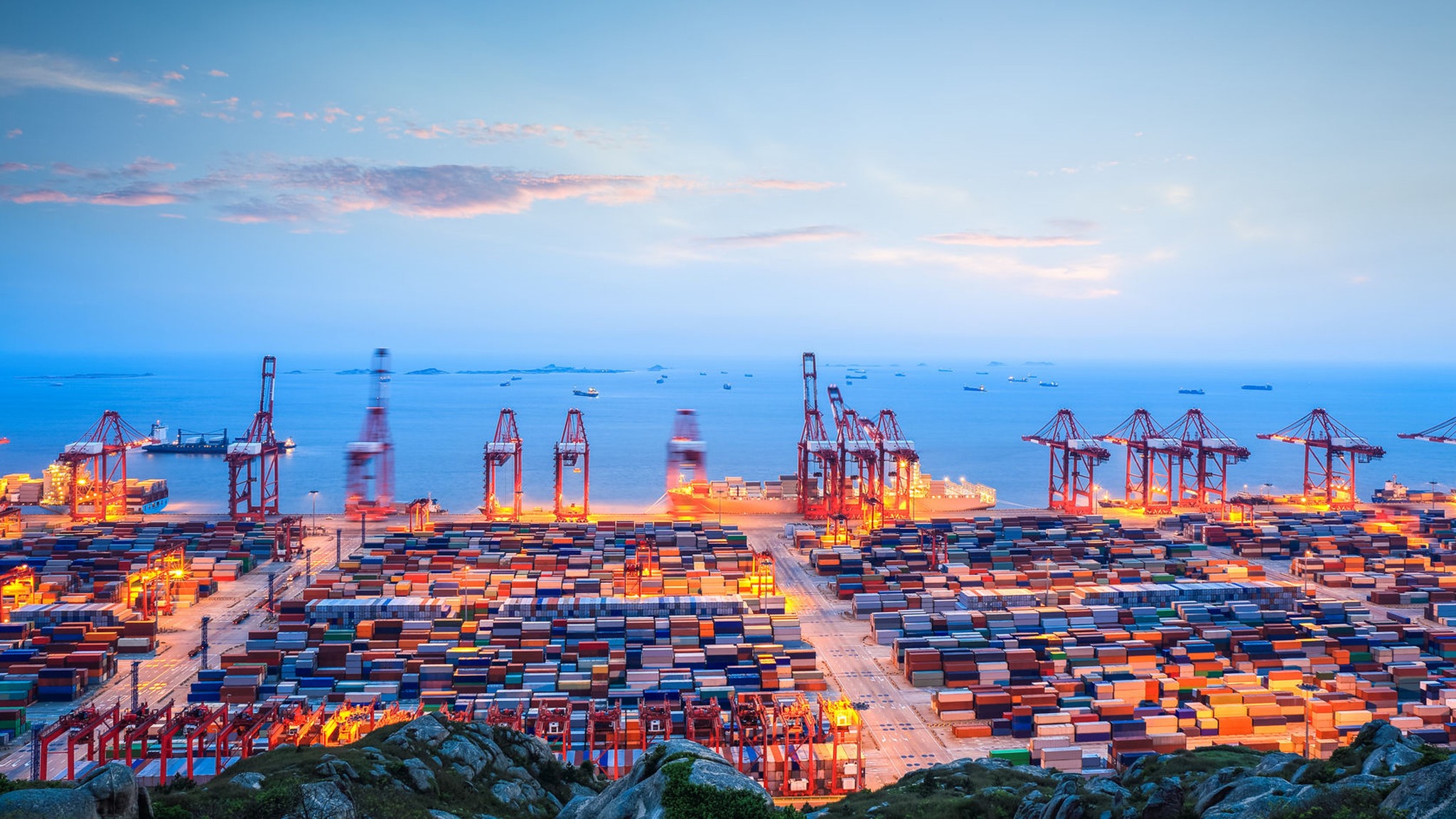
Open Top FCL demurrage prevention for solar panels from China to Georgia
Shipping renewable energy components requires precision and proactive management to avoid unnecessary port expenses. If you are importing oversized equipment, implementing Open Top FCL demurrage prevention for solar panels from China to Georgia is essential for maintaining your project budget. At Top China Freight, we specialize in helping importers navigate the complexities of international logistics and port regulations. By understanding the specific challenges of the Poti and Batumi ports, you can ensure your cargo moves swiftly through the supply chain without incurring heavy penalties.

What is Open Top FCL shipping and why is it used for solar panels?
Open top containers are specifically designed for cargo that is too tall to fit in standard containers or requires loading by crane. Specifically, solar panel racks or large-scale industrial inverters often exceed the height of standard 40HQ units. Consequently, using sea freight with open top equipment becomes the most viable solution for these specialized shipments.
Moreover, the removable tarpaulin roof allows for easy access during the loading process at Chinese factories. This flexibility ensures that fragile solar components are handled with the necessary care to prevent micro-cracks or structural damage. However, because open top units are considered special equipment, they often have different free time rules at the destination port.
Therefore, importers must be aware that the availability of these containers in China can fluctuate based on seasonal demand. Planning your equipment booking at least three weeks in advance is a critical step in maintaining a consistent delivery schedule. Indeed, securing the right equipment is the first step in a successful logistics strategy.
Why is demurrage a significant risk for solar panels in Georgia?
Demurrage refers to the fees charged by shipping lines when a container remains inside the terminal beyond the allotted free time. In Georgia, specifically at the Port of Poti, congestion can sometimes lead to delays in moving containers to the storage yard. Consequently, if your documentation is not ready, those daily charges will accumulate rapidly.
Additionally, solar panels are often part of large-scale infrastructure projects that require synchronized delivery. If one container is delayed due to customs issues, it can trigger a domino effect across the entire project timeline. Meanwhile, the daily rates for open top demurrage are typically higher than those for standard dry containers.
Furthermore, the transition from the port to inland destinations like Tbilisi requires specialized trucking. If the specialized trailer is not available exactly when the container is cleared, you may face additional storage costs. As a result, proactive coordination between the carrier and the local transport provider is mandatory.
How to achieve Open Top FCL demurrage prevention for solar panels from China to Georgia
Effective prevention begins with negotiating extended free time at the point of booking in China. You should request at least 14 to 21 days of combined demurrage and detention from the carrier. This buffer provides the necessary time to handle any unforeseen delays in the Georgian customs process.
Another vital strategy involves utilizing professional customs brokerage services to pre-clear the shipment before it arrives at the port. By submitting the electronic declaration early, you can resolve potential discrepancies in the Harmonized System codes or valuation. Consequently, the container can be moved from the quay to the job site almost immediately upon discharge.
Furthermore, you must ensure that all original documents, such as the Bill of Lading and Certificate of Origin, are sent via express courier well in advance. Digital copies should be shared with the Georgian consignee as soon as the vessel departs from the Chinese port. Without a doubt, document readiness is the most effective tool for avoiding port penalties.

How does Open Top FCL compare to other shipping options?
While open top containers are ideal for height-restricted cargo, other methods may be suitable depending on your budget and timeline. For instance, flat rack containers are another option for oversized loads, though they offer less protection from the elements. On the other hand, standard 40HQ containers are much cheaper if the panels can be packed efficiently within standard dimensions.
In addition, some importers consider door to door services that utilize rail freight through the Middle Corridor. This route bypasses traditional maritime bottlenecks but requires careful cross-border coordination. To help you decide, we have provided a comparison of the most common methods used for this route.
Note: Freight rates are subject to change based on fuel costs, carrier capacity, and seasonal demand. Contact us for a current quote tailored to your specific shipment.
| Shipping Method | Cost Range (USD) | Transit Time | Best For |
|---|---|---|---|
| Open Top Sea FCL | $3,500 – $5,500 | 35 – 45 Days | Oversized/Tall Cargo |
| Standard 40HQ Sea | $2,800 – $4,200 | 35 – 45 Days | Standard Pallets |
| Rail Freight | $5,500 – $7,500 | 18 – 25 Days | Urgent Projects |
| Flat Rack Sea | $4,000 – $6,500 | 35 – 45 Days | Width-restricted Cargo |
Understanding customs documentation for solar imports in Georgia
Georgia has a relatively streamlined customs process, but solar panels must meet specific technical standards to qualify for potential duty exemptions. Specifically, the import of renewable energy equipment often falls under the Europe-adjacent trade regulations which Georgia follows closely. Therefore, your commercial invoice must clearly state the technical specifications of the panels.
Moreover, the packing list must detail the exact number of pallets and the weight of the open top container. Any discrepancies between the physical cargo and the paperwork can lead to a mandatory inspection. Consequently, this inspection can take several days, quickly eating into your port free time.
Additionally, ensure that the Certificate of Origin is correctly formatted to satisfy Georgian revenue service requirements. If you are claiming a VAT exemption for a government-backed energy project, all supporting contracts must be presented at the time of entry. Indeed, meticulous paperwork is the backbone of successful logistics.
| Document Name | Required For | Key Detail to Check | Source |
|---|---|---|---|
| Bill of Lading | Title Transfer | Consignee Details | Carrier |
| Commercial Invoice | Duty Valuation | HS Code 8541.43 | Supplier |
| Packing List | Cargo Inspection | Gross vs Net Weight | Supplier |
| Cert. of Origin | Trade Benefits | Stamps and Signatures | Chamber of Commerce |
Real Case Studies: Shipping Solar Panels to Georgia
Analyzing real-world scenarios helps illustrate the importance of planning for Open Top FCL demurrage prevention for solar panels from China to Georgia. The following cases represent typical shipments handled during the 2024-2025 period. These examples highlight both the costs and the timelines involved in this specific trade lane.
In each case, the key to success was the early coordination between the Chinese exporter and the Georgian logistics provider. By identifying potential bottlenecks before the ship reached the Black Sea, these importers saved thousands of dollars in potential fines.
Case Study 1: Large Scale Utility Project in Tbilisi
Route: Ningbo, China to Poti, Georgia. Cargo: 540W Solar Panels, 68 CBM, 18,500 kg. Container: 40ft Open Top. Shipping Details: Major carrier via transshipment in Istanbul. Port of Loading: Ningbo. Port of Discharge: Poti. Route Type: Transshipment. Cost Breakdown: Ocean Freight: $4,200. Origin Charges: $450. Destination Charges: $600. Customs and Duties: Exempt for renewables. Total Landed Cost: $5,250. Timeline: Booking to Loading: 5 days. Sea Transit: 38 days. Customs Clearance: 2 days. Total Door-to-Door: 45 days. Key Insight: Pre-negotiated 21-day free time prevented costs when the vessel was delayed by 4 days in Istanbul.
Case Study 2: Commercial Solar Array for Batumi
Route: Shenzhen, China to Batumi, Georgia. Cargo: Solar Inverters and Racking, 32 CBM, 12,000 kg. Container: 20ft Open Top. Shipping Details: Direct service. Port of Loading: Shenzhen. Port of Discharge: Batumi. Route Type: Direct. Cost Breakdown: Ocean Freight: $3,100. Origin Charges: $380. Destination Charges: $520. Customs and Duties: $150 (Admin fees). Total Landed Cost: $4,150. Timeline: Booking to Loading: 7 days. Sea Transit: 34 days. Customs Clearance: 3 days. Total Door-to-Door: 44 days. Key Insight: Using a direct service reduced the risk of container damage during transshipment handling.
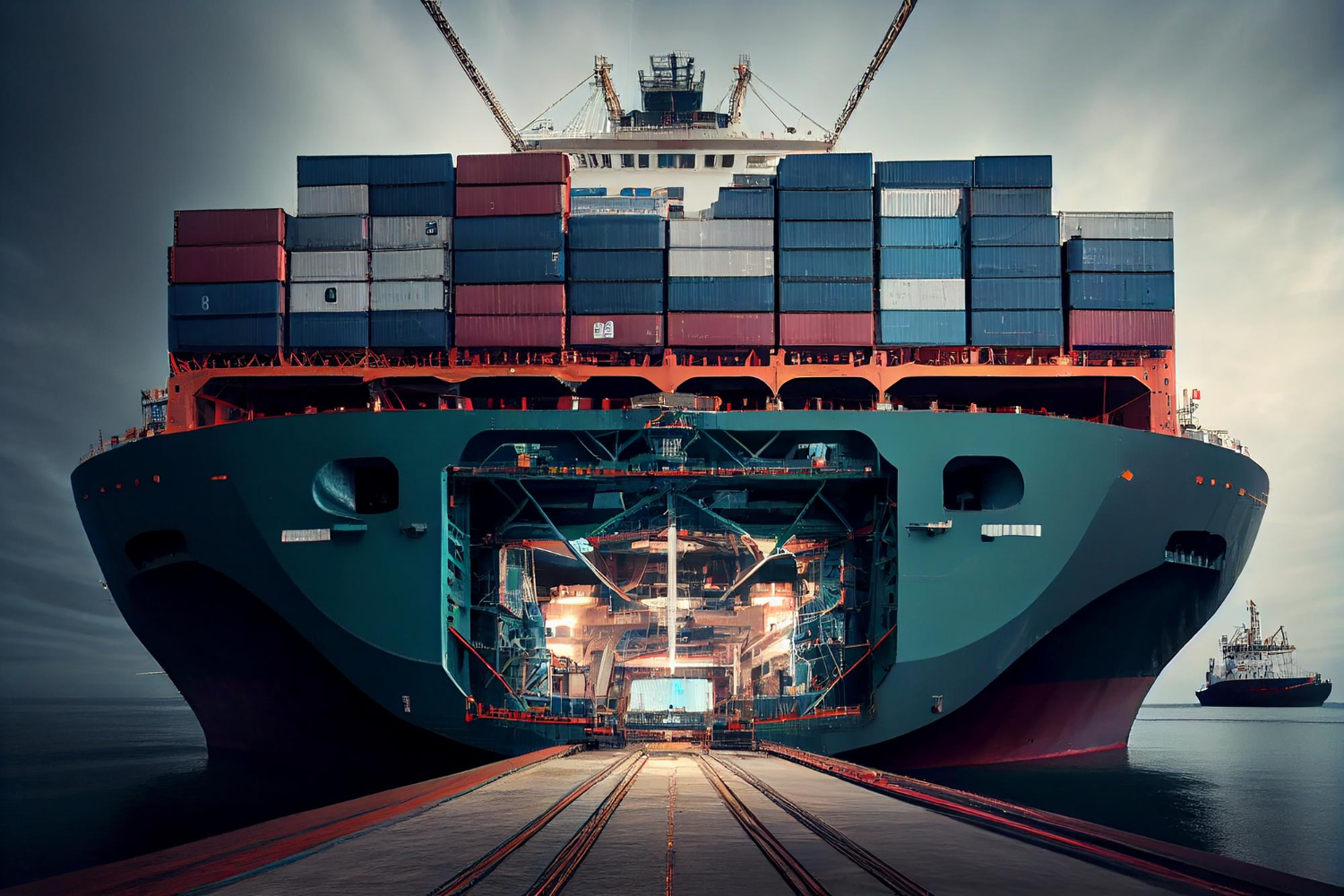
Which Option Should You Choose? A Decision Framework
Choosing the right shipping strategy depends on your specific project priorities and the physical dimensions of your cargo. If your primary goal is the lowest possible cost, standard sea freight remains the dominant choice. However, if your panels are oversized, the open top container is a non-negotiable requirement for safety.
For those with a budget priority, we recommend booking standard 40HQ containers and modifying the packaging to fit within the door frame. Nevertheless, if speed is the priority, rail freight via the Middle Corridor can save up to 20 days of transit time. This is particularly useful for meeting project deadlines that carry heavy late-delivery penalties.
When considering cargo type, always prioritize the protection of the photovoltaic cells. While sea-air hybrids exist, they are rarely cost-effective for heavy solar equipment. Therefore, focusing on Open Top FCL demurrage prevention for solar panels from China to Georgia through maritime routes is usually the most balanced approach.
Market Context and Current Logistics Trends 2025
As of early 2025, freight rates from China to Georgia have stabilized following the volatility of previous years. Market data suggests that the average rate for an open top container is approximately 25 to 40 percent higher than a standard dry unit. This premium reflects the specialized nature of the equipment and the limited supply in major Chinese ports.
Furthermore, industry benchmarks indicate that port congestion in the Black Sea is currently manageable, but seasonal winter storms can still cause 3 to 5-day delays. Consequently, maintaining a flexible delivery schedule is more important than ever. According to industry experts, the demand for solar energy in the Caucasus region is expected to grow by 15 percent annually.
Additionally, the development of the Anaklia Deep Sea Port is expected to further improve Georgia’s logistics capacity in the coming years. For now, Poti remains the primary gateway for solar imports. To summarize, staying informed about these regional trends allows you to adjust your logistics strategy proactively.
Mastering Your Solar Supply Chain
Successfully navigating the route from China to Georgia requires a combination of the right equipment and meticulous planning. By prioritizing Open Top FCL demurrage prevention for solar panels from China to Georgia, you protect your profit margins and ensure project success. Remember that document accuracy and early communication are your best defenses against port fees.
Whether you are shipping a small commercial array or a massive utility-scale project, the principles of proactive logistics remain the same. Always choose experienced partners who understand the nuances of the Georgian market. With the right strategy, your renewable energy project will shine without the shadow of unexpected shipping costs.
Ready to streamline your logistics?
Managing specialized logistics requires expert oversight to avoid costly delays. Contact Top China Freight today to secure competitive rates and expert guidance on Open Top FCL demurrage prevention for solar panels from China to Georgia. Send Inquiry:
Request Quote