

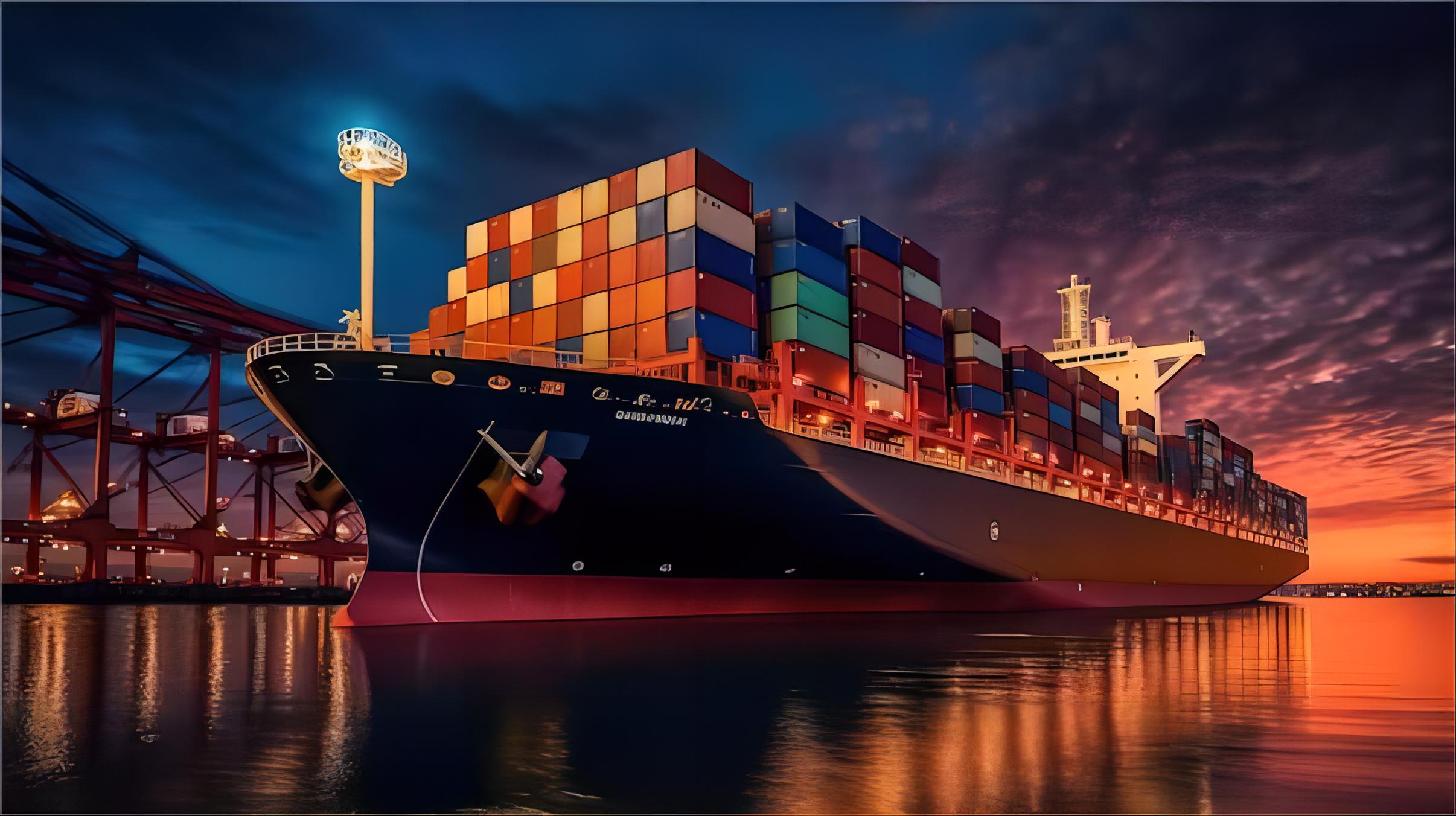
20GP FCL container shortage solution for lighting from China to Miami
Securing a reliable 20GP FCL container shortage solution for lighting from China to Miami has become a top priority for international importers facing equipment scarcity. Navigating these logistics challenges requires a strategic partner like Top China Freight to ensure your decorative and industrial lighting products reach Florida on schedule. This guide explores innovative ways to bypass equipment deficits while maintaining competitive shipping rates and efficient transit times.
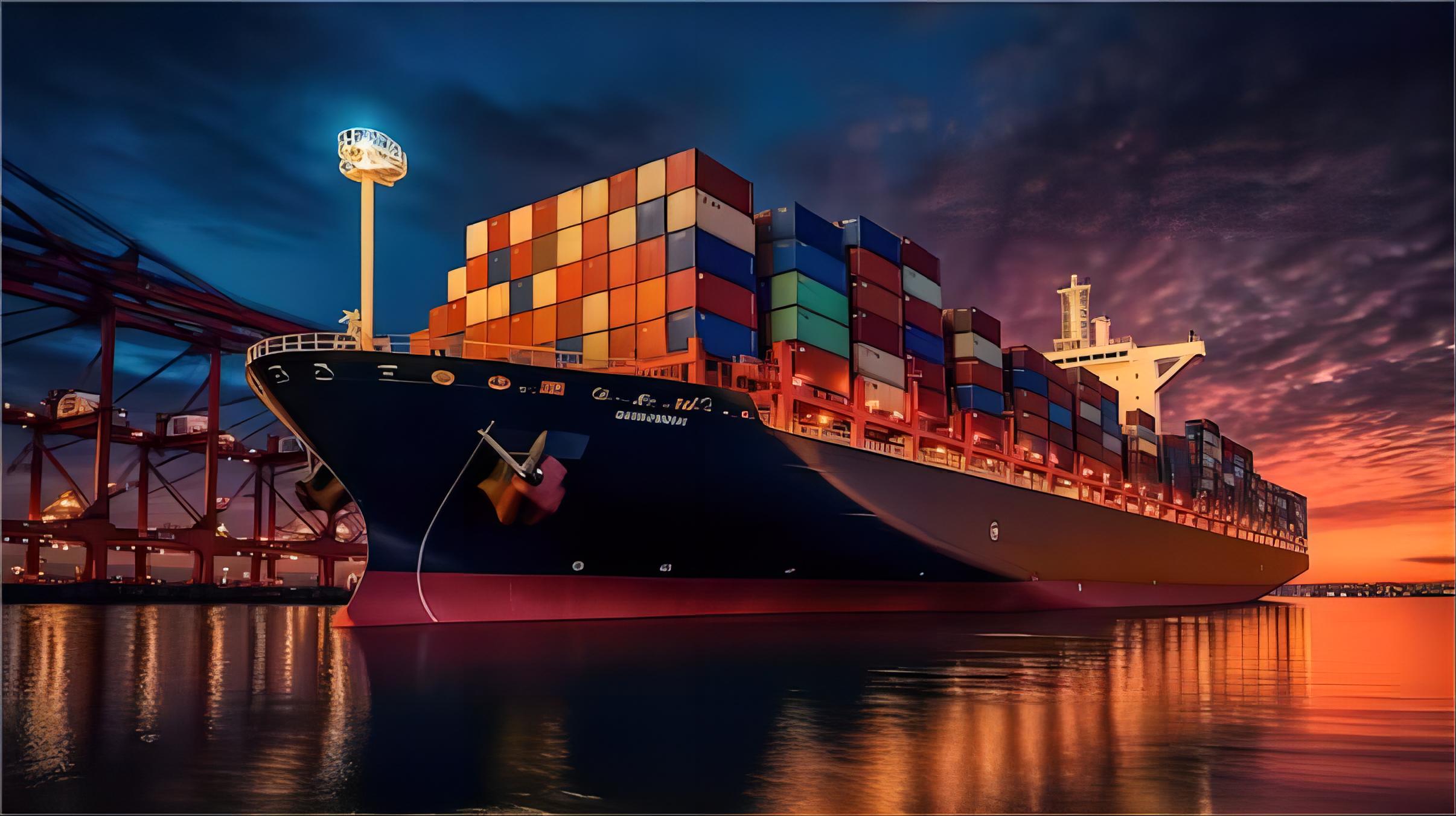
What Causes the 20GP FCL Container Shortage for Lighting?
Global trade imbalances often lead to a severe lack of 20-foot general purpose containers at major Chinese export hubs. Because lighting products are relatively dense but fragile, many importers prefer the stability of a 20GP unit over larger containers. However, carriers frequently prioritize 40HQ containers because they offer better profit margins per slot on the vessel.
Equipment availability fluctuates based on seasonal demand and port congestion levels in both Shanghai and Miami. Consequently, lighting manufacturers in regions like Guzhen or Ningbo find themselves waiting weeks for a single 20GP unit to become available. Therefore, understanding the root causes of these shortages helps businesses plan their inventory cycles more effectively.
Furthermore, the rapid growth of e-commerce has increased the demand for smaller container units for specialized cargo. This surge in demand creates a bottleneck that affects the entire supply chain from the factory floor to the final warehouse. Indeed, without a proactive strategy, your lighting shipments could face indefinite delays at the port of loading.
How Does 20GP FCL Compare to Other Shipping Options?
Choosing the right shipping method requires a careful analysis of cost, speed, and cargo volume. While a 20GP container is ideal for heavy lighting components, sea freight offers several alternatives when 20GP units are out of stock. For instance, LCL shipping allows you to share space with other importers, which can be a lifesaver during a total equipment crunch.
Moreover, 40HQ containers provide double the volume for only a fractionally higher price point in many market conditions. Although this requires more inventory to fill the space, the cost per cubic meter often drops significantly. In contrast, air freight remains the fastest but most expensive route for urgent lighting replacements or high-value LED samples.
To summarize the market options, we have compiled a comparison of the most common methods used for the China to Miami route. This data reflects typical market conditions as of early 2025.
| Shipping Method | Cost Range (USD) | Transit Time | Best For | Limitations |
|---|---|---|---|---|
| 20GP FCL | $2,500 – $3,500 | 30-35 Days | Heavy/Dense Lighting | High Shortage Risk |
| 40HQ FCL | $4,500 – $6,000 | 30-35 Days | Bulky Fixtures | High Total Cost |
| LCL Shipping | $80 – $150/CBM | 35-45 Days | Small Batches | Risk of Damage |
| Air Freight | $5 – $9/kg | 5-8 Days | Urgent Samples | Very High Cost |
Is LCL a Viable Solution for Lighting Shipments?
Utilizing Less than Container Load (LCL) services can bypass the need for a dedicated 20GP unit entirely. When you opt for LCL, your lighting fixtures are consolidated with other goods in a larger container. Additionally, this method is highly effective for Amazon FBA sellers who may not have enough stock to fill a whole container.
Nevertheless, importers must consider the increased handling risks associated with consolidation and deconsolidation. Lighting products are often delicate, meaning they require superior packaging and palletization to survive multiple touchpoints. Therefore, always ensure your supplier uses reinforced crating when choosing the LCL path during a 20GP shortage.
Market data suggests that LCL rates from China to Miami stay relatively stable even when FCL equipment is scarce. Consequently, this provides a predictable budget for smaller importers who cannot afford the volatility of the spot market. However, be prepared for slightly longer transit times due to the consolidation process at the origin port.
Can 40HQ Containers Solve Your Lighting Logistics Problems?
Switching to a 40HQ container is often the most practical 20GP FCL container shortage solution for lighting from China to Miami. Since carriers have a larger supply of 40-foot high cube units, booking one is usually much faster than waiting for a 20GP. For example, you might wait three weeks for a 20GP but only three days for a 40HQ.
Additionally, the extra height of a 40HQ allows for better stacking of lightweight lighting boxes, maximizing the utility of the space. If you cannot fill a 40HQ alone, consider buyer consolidation where you combine orders from multiple Chinese suppliers into one large container. This strategy effectively lowers your landed cost per unit while ensuring your cargo moves quickly.
Note: Freight rates are subject to change based on fuel costs, carrier capacity, and seasonal demand. Contact us for a current quote tailored to your specific shipment. While the 40HQ is more expensive upfront, the reliability of equipment availability often outweighs the cost difference for time-sensitive projects.
Should You Consider Air Freight for Urgent Lighting Orders?
When a 20GP shortage threatens to shut down a construction project in Miami, air freight becomes a necessary alternative. Although the price is significantly higher, the transit time of under a week ensures your project stays on schedule. For instance, high-end chandeliers or custom LED installations often justify the premium cost of air transport.
Moreover, air freight reduces the need for extensive local warehousing since the goods arrive just in time for installation. On the other hand, the carbon footprint and strict weight limitations make it unsuitable for bulk orders of heavy street lighting or industrial high-bay lamps. Consequently, many savvy importers use a hybrid approach: shipping the bulk by sea and urgent items by air.
Industry average for this route indicates that air freight costs have stabilized in early 2025, though they remain 5 to 10 times higher than sea freight. Therefore, this method should be reserved for high-margin products or critical deadlines. Always verify the dimensional weight of your lighting boxes, as bulky but light items can incur unexpectedly high air freight charges.
How to Navigate Miami Port Congestion and Customs?
Arrival at Port Miami is only half the battle when dealing with container shortages and supply chain delays. Efficient customs brokerage is essential to ensure your lighting cargo does not sit in the terminal incurring demurrage fees. Because lighting products often fall under specific safety regulations, having accurate documentation is vital for a smooth clearance process.
Additionally, importers should be aware of Section 301 tariffs on Chinese goods, which significantly impact the total landed cost of lighting fixtures. Working with an experienced broker helps you classify your goods correctly under the Harmonized Tariff Schedule (HTS). Consequently, you can avoid overpaying duties or facing costly audits from U.S. Customs and Border Protection.
Meanwhile, choosing a port-to-door service can further streamline the process by coordinating the final drayage from the Miami terminal. This integrated approach minimizes the risk of your container being stuck in a congested port area. Indeed, a seamless transition from sea to land is the final step in a successful 20GP FCL container shortage solution for lighting from China to Miami.
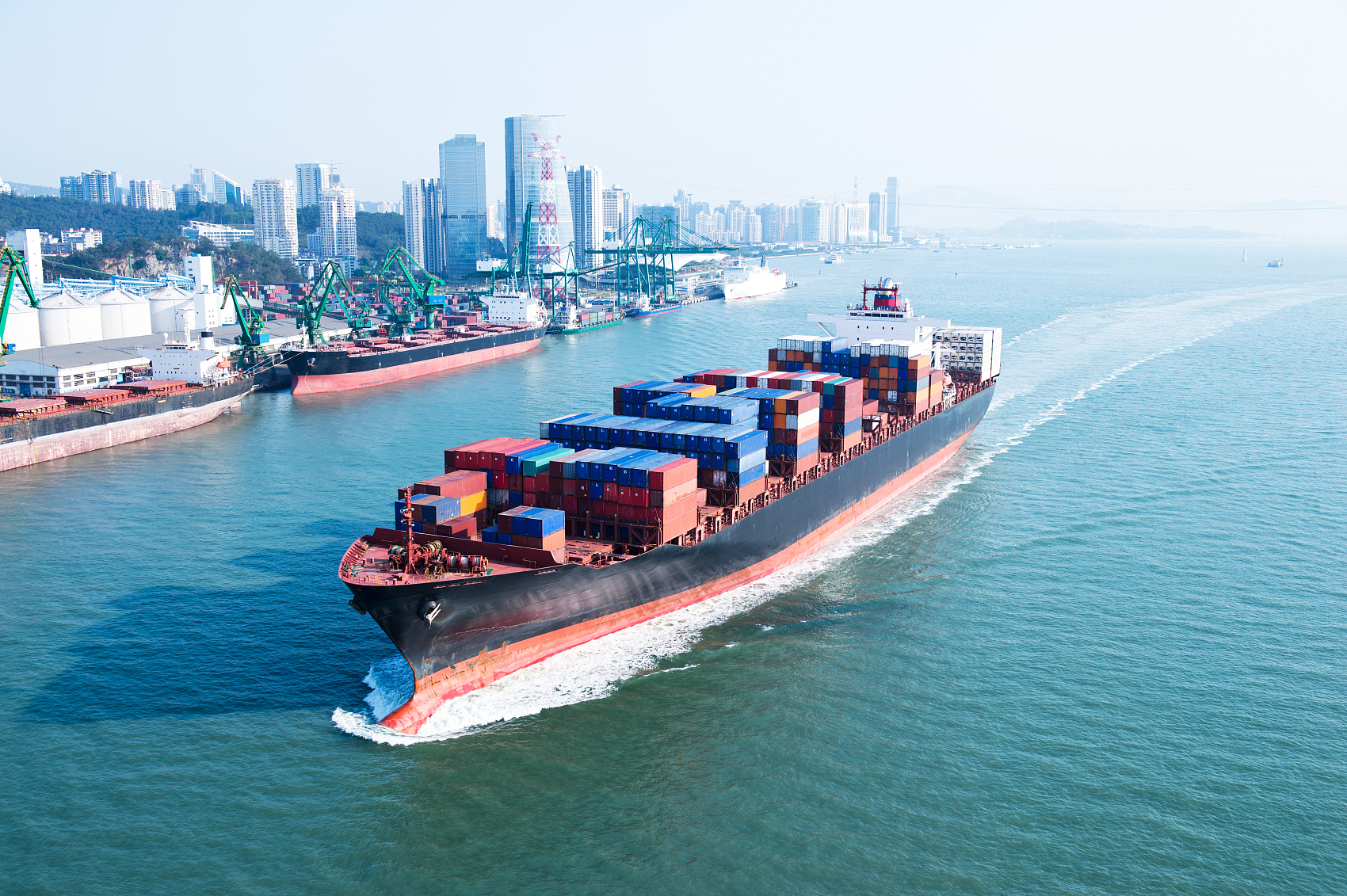
Real Case Studies: Overcoming the Container Shortage
Case Study 1: Strategic Shift to 40HQ for LED Panels. A Miami-based wholesaler was facing a 4-week delay for 20GP units in Ningbo. By consolidating two 20GP orders into a single 40HQ, they reduced their wait time to 4 days. The total shipping cost increased by 40%, but they saved 15% on the per-unit shipping cost due to higher volume efficiency.
Case Study 2: LCL Solution for Boutique Lighting. A small retailer needed 8 CBM of decorative lamps from Shenzhen. Instead of waiting for a 20GP, they used LCL shipping. The goods arrived in Miami in 38 days, allowing the retailer to meet their holiday sales deadline without paying for a full container that would have been half-empty.
Case Study Detail: Shenzhen to Miami
Route: Shenzhen, China to Miami, USA. Cargo: LED Decorative Lamps, 12 CBM, 2,400 kg. Container: LCL. Shipping Details: Major carrier via transshipment in Panama. Port of Loading: Shenzhen (Yantian). Port of Discharge: Miami. Cost Breakdown: Ocean Freight: $1,440; Origin Charges: $250; Destination Charges: $450; Customs & Duties: $1,200; Total Landed Cost: $3,340. Timeline: Booking to Loading: 5 days; Sea Transit: 32 days; Customs Clearance: 3 days; Total Door-to-Door: 45 days. Key Insight: LCL was the only way to move the cargo during a peak 20GP shortage month.
Case Study Detail: Ningbo to Miami
Route: Ningbo, China to Miami, USA. Cargo: Industrial High-Bay Lights, 55 CBM, 8,000 kg. Container: 40HQ. Shipping Details: Direct service via COSCO. Port of Loading: Ningbo. Port of Discharge: Miami. Cost Breakdown: Ocean Freight: $5,200; Origin Charges: $300; Destination Charges: $600; Customs & Duties: $4,500; Total Landed Cost: $10,600. Timeline: Booking to Loading: 7 days; Sea Transit: 34 days; Customs Clearance: 2 days; Total Door-to-Door: 48 days. Key Insight: Based on Q3 2024 market rates, the 40HQ provided much better availability than the requested 20GP.
Which Option Should You Choose for Your Lighting Business?
Selecting the perfect shipping strategy depends on your specific business priorities and cargo volume. If your primary goal is budget priority, then LCL or waiting for a 20GP during off-peak seasons is recommended. However, for those with a speed priority, air freight or a guaranteed 40HQ booking is the superior choice for the China to Miami route.
Cargo type considerations also play a major role in this decision-making process. Fragile glass fixtures benefit from the reduced handling of door to door FCL shipping. On the other hand, durable metal components can easily withstand the consolidation process of LCL. Therefore, evaluate your product’s sensitivity before finalizing your logistics plan.
Volume thresholds are the final metric to consider. Generally, if your shipment is over 15 CBM, you should move from LCL to a 20GP container. If your shipment exceeds 28 CBM, the jump to a 40HQ becomes economically inevitable. By applying these criteria, you can consistently find a 20GP FCL container shortage solution for lighting from China to Miami that fits your needs.
Final Thoughts on Solving the 20GP Container Shortage
In conclusion, while the equipment deficit presents a challenge, it is far from insurmountable with the right planning. By considering 40HQ alternatives, LCL consolidation, and air freight buffers, you can maintain a resilient supply chain. Implementing a 20GP FCL container shortage solution for lighting from China to Miami requires flexibility and a deep understanding of market trends.
Remember to stay informed about port conditions and work closely with your freight forwarder to anticipate shifts in equipment availability. Proactive communication and diverse shipping methods will ensure your lighting products continue to brighten the Miami market. Start optimizing your shipping strategy today to stay ahead of the competition and avoid unnecessary delays.
Ready to streamline your logistics?
Stop letting equipment shortages dim your business prospects in Florida. Contact our expert team today to secure a reliable 20GP FCL container shortage solution for lighting from China to Miami. Visit our website to request a customized freight quote and experience seamless logistics management. Send Inquiry for a competitive rate now.
Request Quote