


China Freight Forwarder Small Business: The Ultimate 2025 Shipping Guide
Small business owners often face significant hurdles when managing international logistics from Asia. Partnering with a dedicated China freight forwarder small business specialist can transform your supply chain efficiency and reduce overall costs. This comprehensive guide explores various shipping methods, cost-saving strategies, and real-world logistics scenarios to help your brand scale effectively. Furthermore, we provide the market intelligence necessary to navigate the complexities of global trade in 2025.
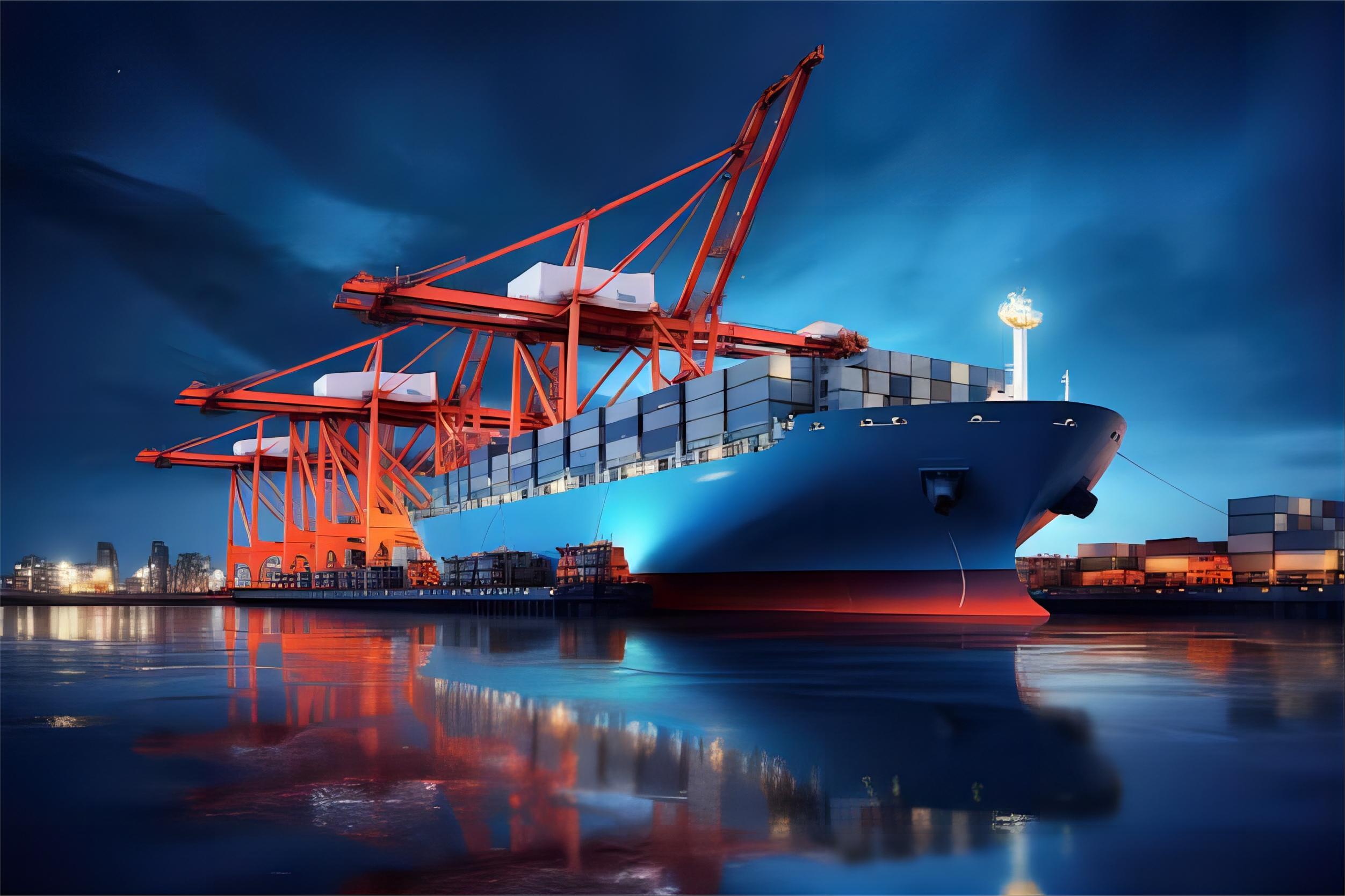
Why Small Businesses Need a Specialized Freight Forwarder
Navigating the world of international shipping requires more than just booking a container. For small enterprises, the challenges include managing smaller cargo volumes and understanding complex customs regulations. Consequently, a specialized forwarder provides the personalized attention that large carriers often overlook.
Moreover, these experts offer consolidation services that allow multiple small shipments to share a single container. This approach significantly reduces the cost per unit for the importer. Additionally, they provide guidance on packaging and labeling to ensure compliance with international standards.
Therefore, choosing the right partner is not just about moving goods from point A to point B. It is about finding a consultant who understands the unique constraints of a growing brand. Indeed, the right logistics strategy can be a competitive advantage in a crowded marketplace.
How Does Sea Freight Compare to Other Shipping Options?
When evaluating logistics strategies, small businesses must weigh the trade-offs between speed and cost. Sea freight remains the most economical choice for bulky or heavy items. However, it requires careful planning due to longer transit times.
In contrast, air freight offers rapid delivery but at a much higher price point. For many small businesses, a hybrid approach or Less than Container Load (LCL) shipping provides the perfect balance. Specifically, LCL allows you to pay only for the space you use within a shared container.
The following table provides an objective analysis of the primary shipping methods available for small business importers in 2025.
| Shipping Method | Cost Range | Transit Time | Best For |
|---|---|---|---|
| Sea Freight (LCL) | $50 – $150 per CBM | 25 – 45 Days | Bulk inventory and heavy goods |
| Air Freight | $4.00 – $8.00 per KG | 5 – 10 Days | High-value or urgent stock |
| Express Service | $6.00 – $12.00 per KG | 3 – 5 Days | Samples and small parcels |
| Rail Freight | $80 – $200 per CBM | 15 – 22 Days | Europe-bound shipments |
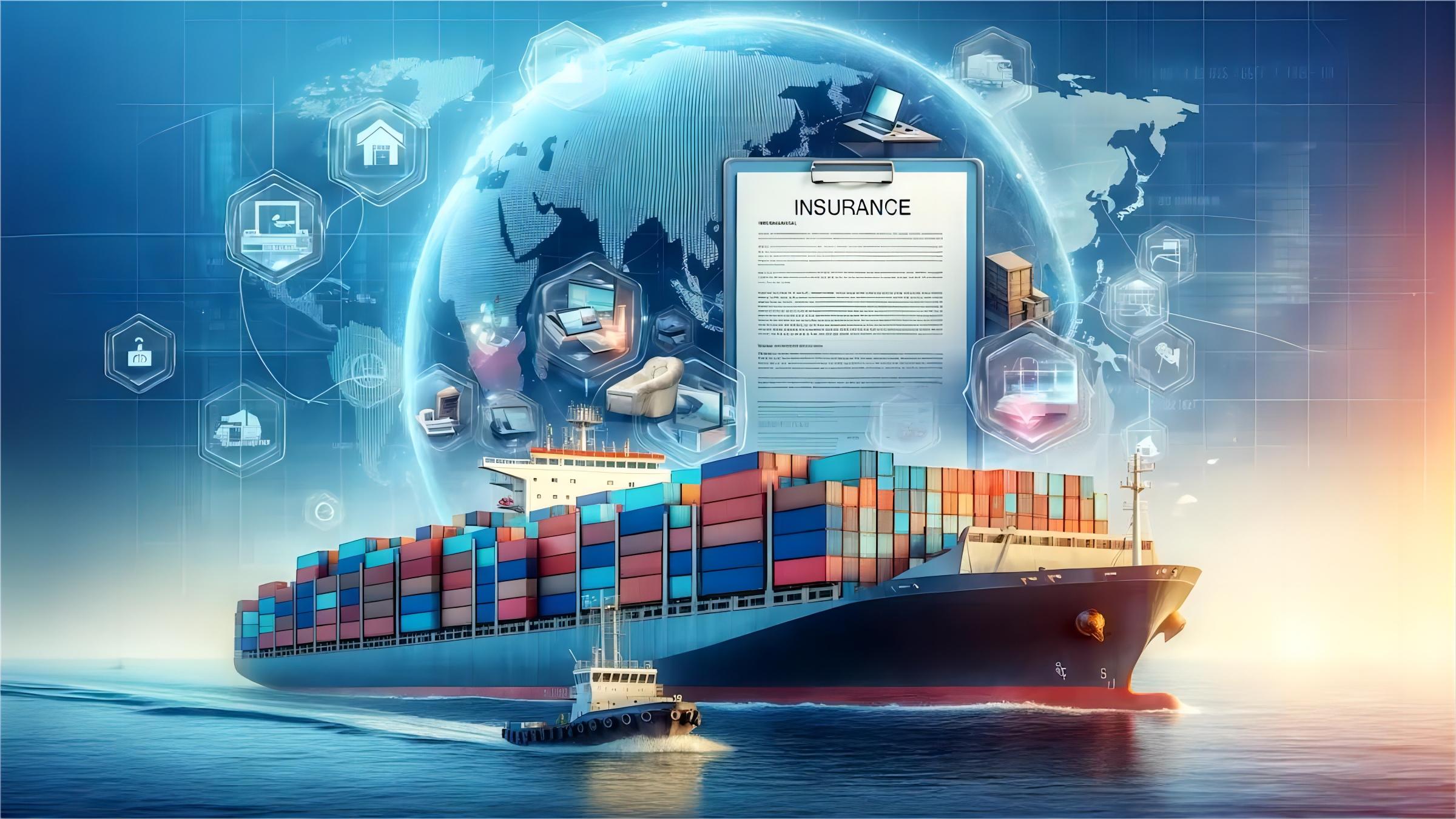
Key Shipping Methods for Small Business Success
For most importers, sea freight is the backbone of their supply chain. It handles the vast majority of global trade and offers the lowest carbon footprint per ton of cargo. Nevertheless, businesses must account for port congestion and seasonal fluctuations in their delivery schedules.
If your inventory levels are low and you need immediate replenishment, air freight becomes the logical choice. Although the costs are higher, the reduction in lead time can prevent lost sales and maintain customer satisfaction. Consequently, many successful brands use a mix of both methods to optimize their cash flow.
Additionally, rail freight has emerged as a viable middle ground for shipments traveling from China to Europe. It is faster than the ocean and cheaper than the air. However, this option is currently unavailable for routes to North America or Australia due to geographical constraints.
The Benefits of Door to Door Logistics
Managing multiple vendors for trucking, shipping, and customs can be overwhelming for a small team. Choosing a door to door service simplifies the entire process by providing a single point of contact. This service covers everything from the factory floor in China to your final warehouse destination.
Furthermore, this model eliminates the risk of hidden fees at the port of discharge. Because the forwarder handles every leg of the journey, they can provide a more accurate landed cost calculation. This transparency is vital for small businesses operating on tight margins.
In addition, door-to-door shipping often includes cargo insurance and real-time tracking. As a result, business owners can focus on marketing and sales rather than worrying about the location of their inventory. This peace of mind is invaluable during peak shopping seasons.
Realistic Case Studies for Small Business Shipping
To better understand how these services work in practice, let us examine three common scenarios based on 2024 and early 2025 market data. These examples illustrate the costs and timelines associated with different routes and cargo types.
Case Study 1: Electronics from Shenzhen to New York. — Route: Shenzhen, China to New York, USA. Cargo: Consumer Electronics, 3 CBM, 600 kg. Method: Sea Freight LCL. Ocean Freight: $450. Origin Charges: $150. Destination Charges: $250. Customs and Duties: $400. Total Landed Cost: $1,250. Timeline: 38 days. Key Insight: Consolidating multiple small orders saved the client 40 percent compared to air freight.
Case Study 2: Apparel from Guangzhou to London. — Route: Guangzhou, China to London, UK. Cargo: Fashion Apparel, 500 kg. Method: Air Freight. Air Freight Cost: $2,800. Documentation: $100. Terminal Fees: $150. Customs Clearance: $120. Total Landed Cost: $3,170. Timeline: 8 days. Key Insight: Using air freight allowed the brand to launch their seasonal collection on time despite production delays.
Case Study 3: Home Decor from Ningbo to Sydney. — Route: Ningbo, China to Sydney, Australia. Cargo: Wooden Furniture, 12 CBM. Method: Sea Freight LCL. Ocean Freight: $950. Local Port Fees: $300. Delivery to Warehouse: $200. Customs and GST: $550. Total Landed Cost: $2,000. Timeline: 22 days. Key Insight: Accurate HS Code classification prevented a potential 10 percent duty surcharge at the border.
Note: Freight rates are subject to change based on fuel costs, carrier capacity, and seasonal demand. Contact us for a current quote tailored to your specific shipment.

Alternative Shipping Strategies and Hybrid Solutions
Innovation in logistics has led to the rise of hybrid solutions that combine the best aspects of different modes. For example, sea-air shipping involves transporting goods by sea to a hub like Dubai or Singapore and then flying them to the final destination. This strategy can save 30 to 50 percent in time compared to pure sea freight while remaining significantly cheaper than pure air freight.
Another effective strategy is deferred air freight. Carriers offer lower rates for cargo that can wait for space on less-crowded flights. While this adds 2 to 3 days to the transit time, the cost savings for a small business can be substantial. Consequently, it is an excellent option for non-urgent restocking.
Moreover, small businesses should consider regional warehousing. By storing bulk inventory in a bonded warehouse in China, you can fulfill smaller orders via express service as needed. This reduces the risk of overstocking in your home country and improves overall agility.
Which China Freight Forwarder Small Business Option Should You Choose?
Selecting the right method depends on your specific business priorities and the nature of your products. If your primary goal is to minimize costs and your items have a long shelf life, sea freight LCL is almost always the best choice. However, for high-margin products with high demand volatility, the speed of air freight justifies the expense.
Consider the following decision framework to guide your next shipment:
1. Budget Priority: Choose Sea Freight LCL for shipments over 1 CBM where cost is the main concern.
2. Speed Priority: Choose Express or Air Freight for shipments that must arrive in under 10 days.
3. Cargo Type: Use Air Freight for fragile or perishable items to minimize handling and transit time.
4. Volume Thresholds: Once your shipments exceed 15 CBM, consider moving from LCL to a Full Container Load (FCL) to achieve better economies of scale.
Managing Amazon FBA and E-commerce Logistics
Selling on global platforms requires strict adherence to specific delivery standards. An experienced Amazon FBA forwarder understands the labeling, palletizing, and scheduling requirements of fulfillment centers. Failure to comply with these rules can result in rejected shipments and costly penalties.
In addition, many forwarders now offer FBA prep services in China. This includes inspecting goods, applying barcodes, and ensuring the packaging meets Amazon’s criteria before the cargo even leaves the country. By catching errors early, you avoid the high costs of returns or re-labeling at the destination.
Therefore, e-commerce sellers should look for partners who offer integrated software tracking. Knowing exactly when your stock will hit the Amazon warehouse allows for better advertising planning and inventory management. Indeed, reliable logistics are the foundation of a successful Amazon business.
Streamlining Customs Clearance for Small Importers
The most common cause of shipping delays is incorrect documentation. Utilizing a professional customs brokerage service ensures that your commercial invoices, packing lists, and certificates of origin are accurate. This prevents your cargo from being held for inspection or being hit with unexpected fines.
Furthermore, a knowledgeable broker can help you identify opportunities for duty drawbacks or tax exemptions. Specifically, they stay updated on changing trade agreements and tariff schedules that could impact your bottom line. As a result, their expertise often pays for itself through identified savings.
In conclusion, small businesses should never view customs as a DIY project. The complexity of international law means that even a small mistake can lead to significant financial loss. Partnering with experts ensures your business remains compliant and your goods move smoothly across borders.
Final Thoughts on Choosing a China Freight Forwarder for Small Business
Finding the right China freight forwarder small business partner is a critical step for any growing importer. By understanding the differences between sea, air, and hybrid shipping methods, you can make informed decisions that protect your margins. Furthermore, utilizing services like door-to-door delivery and FBA prep can save you countless hours of administrative work.
As market conditions continue to evolve in 2025, staying agile and informed is more important than ever. Remember to always verify your landed costs and maintain clear communication with your logistics provider. With the right strategy and a reliable partner, your small business can successfully compete on the global stage.

Ready to streamline your logistics?
Ready to scale your business with reliable logistics? Contact Top China Freight today to receive a customized quote for your next shipment. Our team specializes in helping small businesses find the most cost-effective and efficient shipping routes from China to the world. Visit our website to learn more about our comprehensive freight forwarding services and start your journey toward a more resilient supply chain. Send Inquiry today to speak with a logistics expert.
Request Quote