20GP FCL Container Shortage Solution for Medical Equipment from China to Miami
Securing reliable transport for life-saving supplies is currently a significant challenge for many healthcare importers. Finding a 20GP FCL container shortage solution for medical equipment from China to Miami requires a strategic approach to navigate the volatile logistics landscape. You can rely on Top China Freight to provide the expertise needed to keep your medical supply chain moving without interruption.
What Causes the 20GP FCL Container Shortage for Medical Goods?
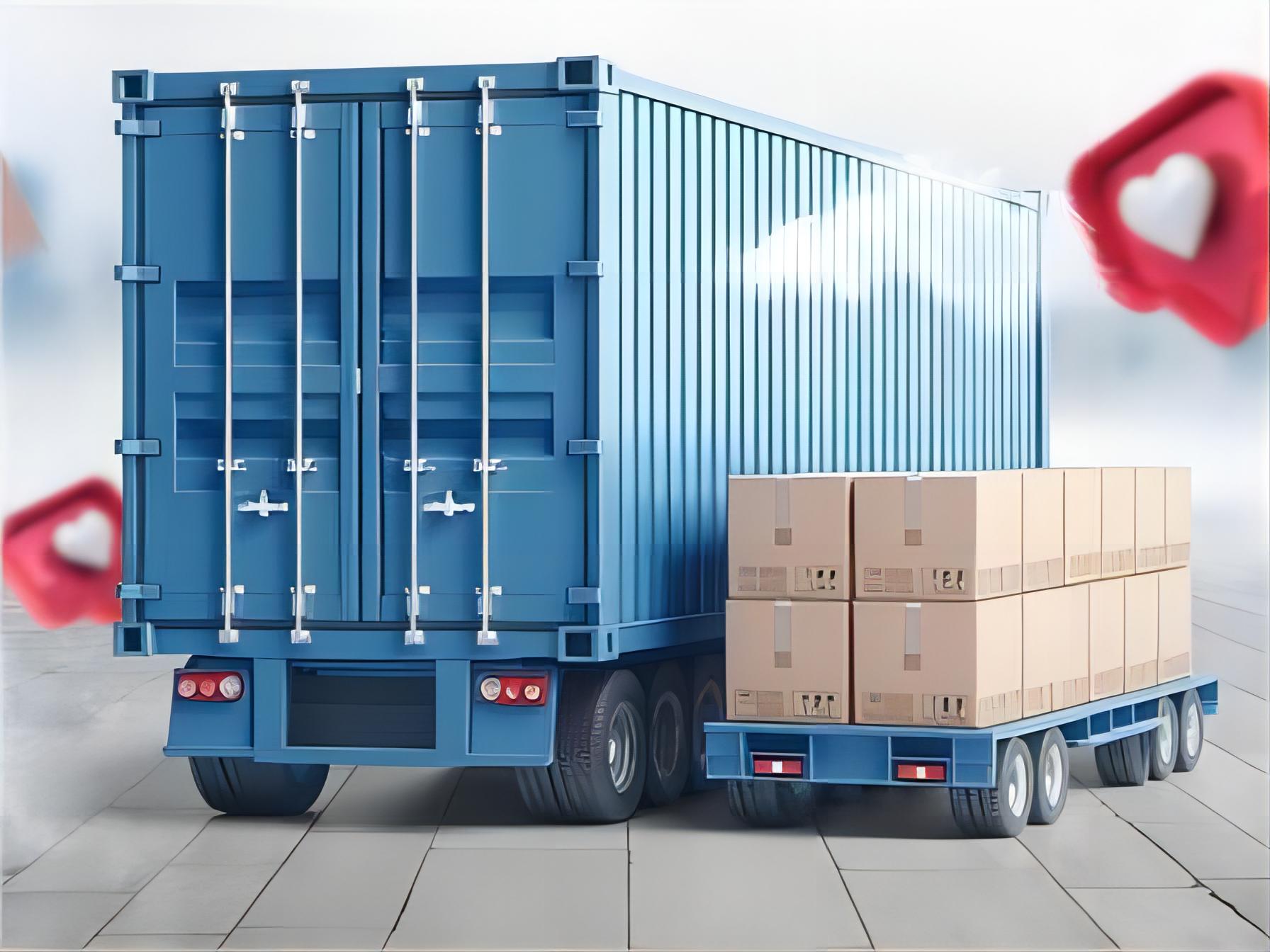
Global trade imbalances frequently lead to a lack of smaller 20GP units at major Chinese export hubs like Ningbo and Shanghai. Consequently, medical equipment importers often face unexpected delays when specifically requesting these containers for their shipments to Miami. Manufacturers in China prioritize larger 40HQ units for high-volume consumer goods, which leaves fewer small containers available for specialized medical gear.
Equipment positioning issues also play a major role in this scarcity. Because many containers remain stuck in North American ports or inland depots, the return flow to Asia remains sluggish. Therefore, the immediate availability of a 20GP FCL container shortage solution for medical equipment from China to Miami becomes a top priority for procurement managers.
Seasonal peaks further exacerbate the problem. During the lead-up to the holidays or the Chinese New Year, demand for all container types surges. In addition, port congestion in the Caribbean and Florida can delay the turnaround time for empty equipment significantly.
How to Implement a 20GP FCL Container Shortage Solution for Medical Equipment from China to Miami?
One effective strategy involves booking your shipments at least 3 to 4 weeks in advance. This lead time allows freight forwarders to secure equipment from the carrier’s inland inventory before it reaches the port. Furthermore, utilizing sea freight services with premium equipment guarantees can mitigate the risk of being rolled to a later vessel.
Another viable option is to consider equipment substitution. For example, if a 20GP is unavailable, you might find that two shippers can share a 40GP container through a buyer’s consolidation model. This approach ensures that your medical devices still move within an FCL environment while bypassing the 20-foot unit shortage.
Flexibility regarding the port of loading can also provide a solution. If Shenzhen is experiencing a severe shortage, checking availability in smaller ports like Xiamen or Fuzhou might yield better results. Carriers often have different equipment allocations across various coastal regions.
How Does FCL Compare to Other Shipping Options?
Choosing the right shipping method depends heavily on your budget and the urgency of the medical supplies. While Full Container Load (FCL) offers security and speed for large volumes, it is not the only way to reach Miami. Indeed, understanding the trade-offs between different modes is essential for a resilient supply chain.
For instance, Less than Container Load (LCL) serves as an excellent alternative when you cannot find a 20GP unit. Although it involves more handling, it allows you to pay only for the space you use. On the other hand, air freight remains the fastest choice for high-value diagnostic machinery that cannot wait for ocean transit.
| Shipping Method | Cost Range (USD) | Transit Time | Best For |
|---|---|---|---|
| Sea Freight FCL | $3,500 – $5,500 | 30-40 Days | Bulk medical disposables |
| Sea Freight LCL | $150 – $300/CBM | 35-45 Days | Small batches of devices |
| Air Freight | $5.50 – $9.00/kg | 5-9 Days | Urgent surgical tools |
| Sea-Air Hybrid | $2,200 – $3,500 | 18-22 Days | Mid-range urgency cargo |
Case Study 1: Managing Surgical Mask Shortages
Route: Shanghai, China to Miami, USA. Cargo: 300 cartons of surgical masks, 18 CBM. Container: Originally planned for 20GP, switched to LCL due to shortage.
Shipping Details: The carrier reported a 14-day delay for 20GP units at Shanghai Port. Consequently, we moved the cargo via a premium LCL service to avoid stockouts in Florida hospitals.
Cost Breakdown: Ocean freight cost $2,850. Origin and destination charges totaled $950. Total landed cost was approximately $3,800. Timeline: Total door-to-door transit took 38 days.
Key Insight: Switching to LCL saved the client two weeks of waiting time for a specific container type. Based on Q4 2024 market rates, this was the most cost-effective way to maintain inventory levels.
Case Study 2: High-Value Dental Imaging Equipment
Route: Ningbo, China to Miami, USA. Cargo: 3 units of dental X-ray machines, 1,200 kg. Container: 20GP FCL.
Shipping Details: To overcome the shortage, we utilized a ‘SOC’ (Shipper Owned Container) strategy. We leased a private 20GP unit to ensure immediate loading at Ningbo.
Cost Breakdown: Ocean freight was $4,200. Container leasing fee was $600. Customs and duties estimated at $1,500. Total landed cost was $6,300.
Timeline: Sea transit took 32 days. Customs clearance was completed in 2 days. Total door-to-door time was 40 days.
Key Insight: Using a Shipper Owned Container is a premium 20GP FCL container shortage solution for medical equipment from China to Miami when carrier equipment is unavailable. Typical rates as of early 2025 suggest this adds $500-800 to the total cost but guarantees the schedule.
Which Shipping Option Should You Choose?
If your primary goal is budget, sea freight FCL remains the most economical choice for large volumes. However, you must be prepared for potential equipment delays. Therefore, we recommend this for non-urgent replenishment of items like hospital beds or bulk gauze.
When speed is the priority, air freight is the undisputed winner. This is particularly true for temperature-sensitive reagents or high-tech medical sensors. Nevertheless, the high cost means it is usually reserved for emergency situations or very high-margin products.
For cargo volumes between 10 and 15 CBM, LCL is often the smartest choice during a 20GP shortage. It provides a balance between cost and availability. Specifically, it allows you to bypass the wait times associated with finding a full 20-foot box.
Navigating Customs and Compliance for Medical Devices
Importing medical equipment into Miami requires strict adherence to FDA regulations. You must ensure that all products have the necessary 510(k) clearances or PMA approvals before they leave China. Additionally, working with an experienced customs brokerage is vital to avoid costly seizures at the border.
Documentation must be precise and complete. This includes the commercial invoice, packing list, and the bill of lading. Moreover, you must provide a detailed description of the medical device’s intended use and its FDA registration number.
Failure to comply with these rules can result in lengthy inspections by US Customs and Border Protection. Consequently, your 20GP FCL container shortage solution for medical equipment from China to Miami must include a robust compliance check at the origin port.
The Benefits of Door to Door Logistics
Managing multiple vendors can lead to communication breakdowns and delays. By choosing a door to door service, you streamline the entire process from the factory floor in China to your warehouse in Miami. This integrated approach often includes the 20GP FCL container shortage solution for medical equipment from China to Miami as part of a managed service package.
A single point of contact simplifies tracking and troubleshooting. For instance, if a container is delayed due to weather, your provider can immediately arrange for alternative drayage in Miami. Furthermore, this model often reduces total logistics costs by eliminating redundant handling fees.
Reliability is the biggest advantage of end-to-end management. When one company handles the pickup, ocean transit, and final delivery, they have a vested interest in meeting the deadline. As a result, your medical supplies arrive when they are needed most.
Market Trends and 2025 Outlook for China-Miami Shipping
As of early 2025, market data suggests that freight rates from China to the US East Coast are stabilizing. However, the demand for medical supplies continues to grow, putting pressure on existing capacity. To stay competitive, importers must stay informed about shipping from China to North America trends.
Logistics experts predict that equipment shortages will fluctuate throughout the year. Specifically, the second quarter usually sees a slight easing of container scarcity. Nevertheless, geopolitical factors and fuel surcharges remain unpredictable variables that can impact your bottom line.
Note: Freight rates are subject to change based on fuel costs, carrier capacity, and seasonal demand. Contact us for a current quote tailored to your specific shipment.
Securing Your Medical Supply Chain
To summarize, overcoming the lack of small containers requires a mix of early planning, equipment substitution, and expert partnerships. By implementing a proactive 20GP FCL container shortage solution for medical equipment from China to Miami, you can protect your business from the volatility of the global freight market.
Whether you choose to pivot to LCL, lease your own containers, or utilize air freight for urgent needs, the key is flexibility. Maintaining a steady flow of medical supplies to Miami is possible when you have the right logistics strategy in place. Trust the professionals to handle your complex shipping requirements while you focus on providing essential healthcare products.
Ready to streamline your logistics?
Don’t let equipment shortages stall your medical supply chain. Contact Top China Freight today to secure a reliable 20GP FCL container shortage solution for medical equipment from China to Miami. Visit our website to request a custom quote and ensure your critical cargo reaches Florida on time. Send Inquiry: https://Top China Freight.com/
Request Quote