


20GP FCL container shortage solution for textiles from China to Sweden
Finding an effective 20GP FCL container shortage solution for textiles from China to Sweden has become a primary concern for many Scandinavian importers. Consequently, businesses are struggling to maintain consistent inventory levels as equipment scarcity drives up costs and delays shipments. At Top China Freight, we provide specialized logistics strategies to navigate these market fluctuations and ensure your textile cargo reaches its destination on time. Specifically, we focus on identifying the most efficient routes and equipment types to keep your supply chain moving smoothly despite global equipment imbalances.

Understanding the 20GP FCL container shortage for textiles from China to Sweden
Shipping garments and fabrics from China to Europe requires careful planning and reliable equipment. However, the current market is experiencing a significant imbalance in container availability, particularly for 20-foot general purpose units. This shortage often stems from the fact that carriers prioritize larger 40HQ containers which offer better profit margins for long-haul routes. Therefore, textile importers must adapt by seeking a comprehensive 20GP FCL container shortage solution for textiles from China to Sweden.
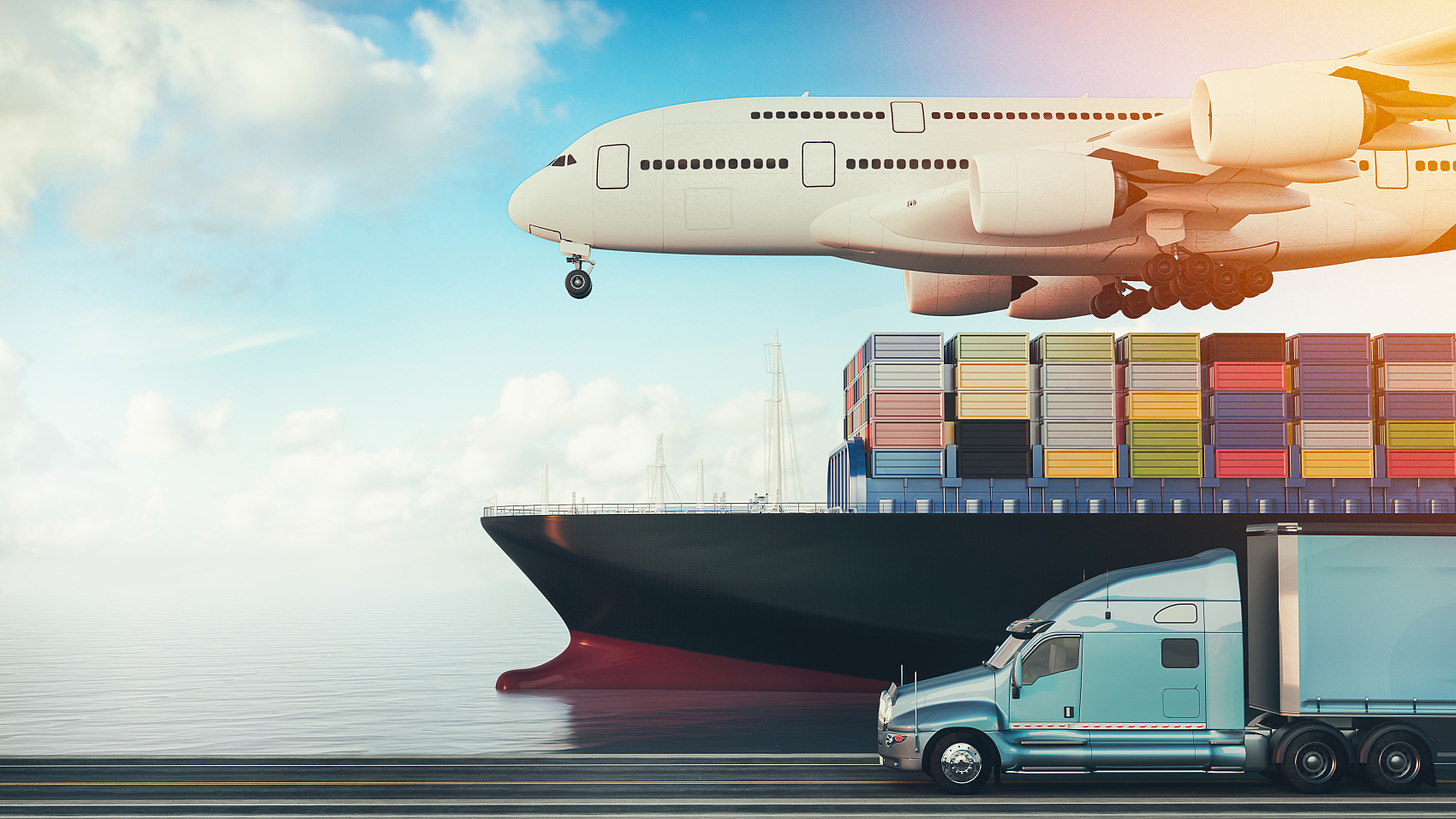
Market data suggests that the demand for textiles in Scandinavia remains high, yet the logistics infrastructure faces periodic bottlenecks. Moreover, seasonal peaks in production often coincide with equipment shortages at major ports like Ningbo and Shanghai. Consequently, understanding the underlying causes of these shortages allows businesses to implement more resilient shipping strategies. Indeed, proactive planning is the first step toward overcoming these persistent logistics challenges.
How does 20GP FCL compare to other shipping options for textiles?
When searching for a 20GP FCL container shortage solution for textiles from China to Sweden, it is essential to compare all available methods. While a 20GP container is traditional for smaller textile batches, it may not always be the most cost-effective choice during a shortage. In contrast, other methods like LCL or rail freight might offer better availability and more predictable schedules. Specifically, the following table outlines the key differences between the most common shipping modes used for this route.
As of early 2025, freight rates have remained volatile, making flexibility a key asset for any importer. Furthermore, choosing the wrong method can lead to unexpected storage fees or missed retail windows. Therefore, we recommend evaluating your cargo volume against current market equipment levels before making a final booking. This objective analysis ensures that you select the path of least resistance for your textile supply chain.
| Shipping Method | Cost Range (USD) | Transit Time | Best For |
|---|---|---|---|
| 20GP FCL | $1,800 – $2,500 | 30 – 38 Days | Medium textile loads |
| 40HQ FCL | $3,000 – $4,200 | 30 – 38 Days | Large volume garments |
| Rail Freight | $2,500 – $3,800 | 18 – 24 Days | Urgent inventory |
| LCL Shipping | $50 – $90 per CBM | 35 – 45 Days | Small fashion samples |
Is rail freight a viable 20GP FCL container shortage solution for textiles from China to Sweden?
Many importers are turning to rail freight as a primary alternative when ocean containers are unavailable. This method connects major Chinese hubs like Xi’an and Chengdu directly to European rail terminals. Consequently, transit times are significantly shorter than traditional sea routes, often saving up to two weeks. This speed is particularly beneficial for seasonal textile collections that must reach Swedish stores before a specific launch date.
Moreover, rail freight provides a more stable equipment pool compared to the fluctuating ocean market. While the cost per unit is generally higher than sea freight, the reduction in lead time can offset these expenses through faster inventory turnover. Additionally, rail transport is considered a more environmentally friendly option for many Swedish companies focused on sustainability. To summarize, rail represents a strategic 20GP FCL container shortage solution for textiles from China to Sweden for time-sensitive cargo.
Why should importers consider 40HQ containers as a 20GP FCL container shortage solution for textiles?
In many cases, the most practical 20GP FCL container shortage solution for textiles from China to Sweden is to upgrade to a 40HQ container. Although the initial freight rate is higher, the cost per cubic meter is often significantly lower due to the increased capacity. Specifically, a 40HQ container offers more than double the volume of a 20GP unit for only a 40-60 percent price increase. Therefore, consolidating multiple smaller shipments into one large container can lead to substantial savings.
Furthermore, 40HQ equipment is generally more abundant in the Chinese market because carriers prioritize its circulation. If your textile volume does not fill a 40HQ, you might consider collaborating with other importers to share the space. This approach, known as buyer consolidation, is an excellent way to maintain sea freight efficiency during periods of extreme equipment scarcity. Ultimately, flexibility in container choice is a hallmark of a sophisticated logistics strategy.
Real-world case studies: Overcoming equipment shortages
Case Study 1: Strategic Equipment Shift. Route: Shanghai, China to Gothenburg, Sweden. Cargo: 100 percent Cotton T-shirts, 22 CBM, 4500 kg. Container: Originally planned for 20GP, switched to 40HQ. Shipping Details: Carrier: MSC. Port of Loading: Shanghai. Port of Discharge: Gothenburg. Route Type: Direct. Cost Breakdown: Ocean Freight: $3,200 (40HQ). Origin Charges: $450. Destination Charges: $500. Customs and Duties: $1,200. Total Landed Cost: $5,350. Timeline: Booking to Loading: 4 days. Sea Transit: 34 days. Customs Clearance: 2 days. Total Door-to-Door: 40 days. Key Insight: By switching to a 40HQ when 20GP units were backordered for 3 weeks, the client saved time and reduced the per-unit shipping cost.
Case Study 2: Rail Freight for Urgent Seasonals. Route: Xi’an, China to Stockholm, Sweden. Cargo: High-end Winter Jackets, 15 CBM, 3200 kg. Container: LCL Rail. Shipping Details: Carrier: China Railway Express. Port of Loading: Xi’an Terminal. Port of Discharge: Malmo (then trucked to Stockholm). Route Type: Transshipment via Poland. Cost Breakdown: Rail Freight: $2,850. Origin Charges: $300. Destination Charges: $400. Customs and Duties: $2,500. Total Landed Cost: $6,050. Timeline: Booking to Loading: 3 days. Rail Transit: 20 days. Customs Clearance: 1 day. Total Door-to-Door: 24 days. Key Insight: Rail provided a reliable 20GP FCL container shortage solution for textiles from China to Sweden when sea freight schedules were delayed by port congestion.
Note: Freight rates are subject to change based on fuel costs, carrier capacity, and seasonal demand. Contact us for a current quote tailored to your specific shipment.
Optimizing supply chains with door to door services
Utilizing a door to door service can alleviate many of the stresses associated with container shortages. These services handle every aspect of the journey, from the factory floor in China to the warehouse in Sweden. Consequently, the logistics provider takes responsibility for finding equipment and managing transshipments. This end-to-end management allows textile brands to focus on design and sales rather than logistics headaches.
Additionally, integrated services often include real-time tracking and dedicated account management. This transparency is vital when navigating a 20GP FCL container shortage solution for textiles from China to Sweden. By having a single point of contact, you can receive immediate updates on equipment availability and alternative routing options. Indeed, a streamlined door-to-door approach is often the most resilient way to manage international textile shipments.

Which option should you choose for your textile shipments?
Deciding on the best 20GP FCL container shortage solution for textiles from China to Sweden depends on several factors. First, consider your budget priority. If cost is the absolute driver, waiting for a 20GP or using LCL may be necessary. However, if speed is the priority, rail freight or air freight are the superior choices. Furthermore, cargo type plays a role; high-value garments often justify the higher costs of faster transit.
Volume thresholds are also critical for decision-making. Specifically, if your shipment exceeds 15 CBM, you should almost always look for a full container option. For shipments under 10 CBM, LCL remains the most economical choice despite potential delays. According to industry benchmarks, most successful Swedish textile importers maintain a hybrid strategy, using sea freight for baseline stock and rail for seasonal peaks.
Navigating customs and documentation for Swedish textile imports
Professional customs brokerage is essential to ensure that your textile shipments do not face unnecessary delays at the border. Sweden has specific regulations regarding textile materials and labeling that must be strictly followed. Therefore, having accurate documentation is just as important as finding the right container. The following checklist highlights the primary documents required for importing textiles into Sweden.
Moreover, understanding the Duty and VAT structure in Sweden will help you calculate the true landed cost of your goods. In contrast to some other regions, Swedish customs are very efficient but require precise digital filings. Consequently, working with an experienced partner ensures that your 20GP FCL container shortage solution for textiles from China to Sweden includes a smooth transition through customs. Specifically, this prevents costly demurrage fees that can accumulate if a container is held for inspection.
| Document Name | Required For | Issuer | Importance |
|---|---|---|---|
| Commercial Invoice | All Shipments | Exporter | Critical for valuation |
| Packing List | All Shipments | Exporter | Essential for inspection |
| Bill of Lading | Ocean/Rail | Carrier | Proof of ownership |
| Certificate of Origin | Textiles | Chamber of Commerce | Determines duty rates |
Summary of 20GP FCL container shortage solutions
To summarize, finding a 20GP FCL container shortage solution for textiles from China to Sweden requires a combination of flexibility, market intelligence, and strategic planning. Whether you choose to upgrade to a 40HQ container, switch to rail freight, or utilize LCL services, the goal remains the same: ensuring timely delivery at a manageable cost. By understanding the current market context and working with a professional freight forwarder, you can overcome equipment scarcity.
Additionally, remember that the logistics landscape is constantly evolving. Therefore, staying informed about trends like rail freight expansion and carrier capacity shifts is vital for long-term success. Implementing these solutions today will not only solve your immediate shipping needs but also build a more resilient supply chain for the future. Always prioritize a partner who offers diverse equipment options and comprehensive customs support to maximize your efficiency.

Ready to streamline your logistics?
Are you struggling to secure equipment for your next textile shipment? Contact Top China Freight today to implement a reliable 20GP FCL container shortage solution for textiles from China to Sweden and keep your business moving forward. Visit our website to request a personalized quote and discover how our logistics experts can optimize your supply chain.
Request Quote