


20GP FCL Demurrage Prevention for Textiles from China to California
20GP FCL demurrage prevention for textiles from China to California is a vital strategy for importers who want to safeguard their profit margins. High volumes of apparel and fabric shipments often face significant bottlenecks at major West Coast gateways. Visit Top China Freight to learn how our logistics solutions can help you navigate the complexities of international trade.
Understanding 20GP FCL Demurrage Prevention for Textiles from China to California
Demurrage refers to the fees charged by shipping lines when a container remains inside the port terminal beyond the allotted free time. For textile importers, these costs can accumulate rapidly, often reaching hundreds of dollars per day per container. Consequently, understanding the specific mechanics of the California port system is essential for any business shipping from China.
Textiles are often high-volume shipments that require careful coordination between the ocean carrier and the local drayage company. When you utilize sea freight services, you must be aware of the last free day for each 20GP container. Failing to move the cargo before this deadline results in automatic penalties that eat into your bottom line.
Preparation begins long before the vessel arrives at the Port of Los Angeles or Long Beach. Indeed, the most successful importers start their planning while the goods are still being manufactured in China. This proactive approach allows for better communication with all parties involved in the supply chain.
How Does 20GP FCL Compare to Other Shipping Options?
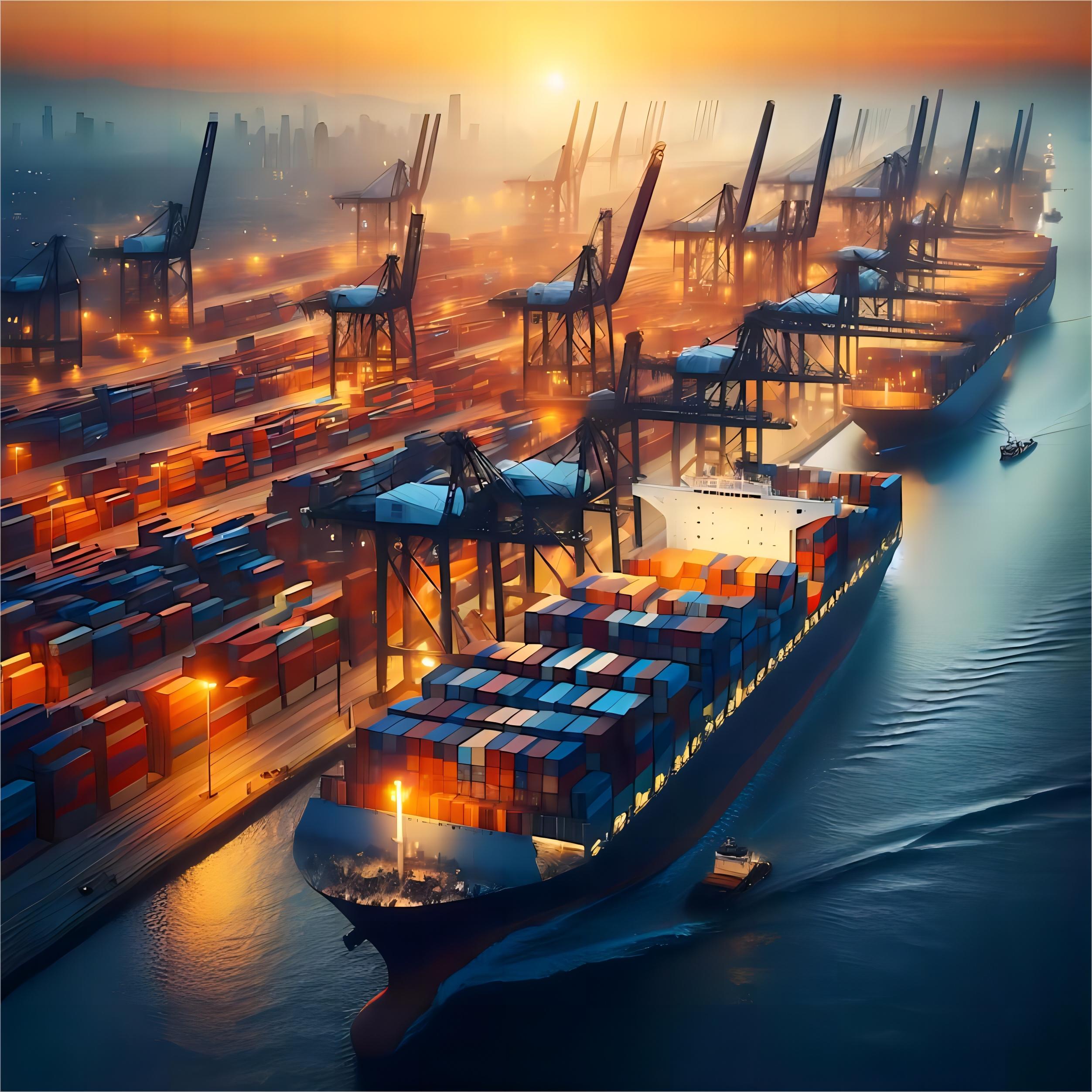
Choosing the right shipping method is the first step in managing your logistics costs and avoiding unnecessary delays. While a 20GP container is standard for many textile orders, other options might be more suitable depending on your specific needs. Each method has distinct advantages regarding speed, cost, and the risk of incurring port-related fees.
For example, smaller textile batches might benefit from Less than Container Load (LCL) shipping, though this involves more handling. On the other hand, urgent seasonal fashion lines often require faster transit times that only air transport can provide. Understanding these trade-offs helps in developing a robust 20GP FCL demurrage prevention for textiles from China to California strategy.
| Shipping Method | Cost Range | Transit Time | Best For | Limitations |
|---|---|---|---|---|
| 20GP FCL | $1,500 – $2,200 | 14-18 Days | Full loads | Port congestion |
| LCL Sea | $50 – $120/CBM | 20-25 Days | Small batches | Extra handling |
| Air Freight | $5 – $9 / kg | 3-7 Days | Urgent stock | Very high cost |
| Express | $8 – $15 / kg | 2-5 Days | Samples | Weight limits |
Common Causes of Port Delays for Textile Shipments
Textile shipments are frequently subject to intensive customs inspections due to trade regulations and tariff classifications. If your paperwork is incomplete or inaccurate, the container will likely sit in the terminal for an extended period. Therefore, working with an experienced customs brokerage is a critical component of demurrage prevention.
Port congestion in California remains a significant factor that contributes to unexpected delays. During peak seasons, such as the lead-up to the winter holidays, terminals can become overwhelmed with cargo. This congestion makes it difficult for truckers to secure appointments to pick up containers before the free time expires.
Labor shortages and equipment availability also play a role in the logistics chain. For instance, a lack of available chassis can prevent a drayage driver from picking up your 20GP container on time. Consequently, you must ensure that your transport partner has a reliable fleet and contingency plans in place.
Strategic Decision Framework: Which Option Should You Choose?
Deciding on the best shipping strategy requires a balance between budget constraints and delivery deadlines. If your priority is keeping costs low for bulk fabrics, a 20GP FCL shipment is typically the most economical choice. However, you must factor in the potential for demurrage when calculating your total landed cost.
If you are shipping high-value finished garments with a strict launch date, the speed of air freight might justify the higher expense. In contrast, businesses with steady, predictable demand often find that door to door sea freight offers the best overall value. This service simplifies the process by managing every step from the factory in China to your warehouse in California.
Volume thresholds also dictate the most efficient method for your textiles. For shipments exceeding 15 cubic meters, a full 20GP container usually becomes more cost-effective than LCL. Always evaluate your current inventory levels and sales forecasts before committing to a specific shipping volume.

Step-by-Step Prevention Tactics for Importers
The first step in 20GP FCL demurrage prevention for textiles from China to California is negotiating extended free time with the carrier. Many shipping lines offer standard free time of 4 to 7 days, but this can often be extended to 10 or 14 days for high-volume shippers. Having this extra cushion provides a safety net in case of unforeseen local delays.
Furthermore, you should implement a rigorous document review process. Ensure that the Bill of Lading, Commercial Invoice, and Packing List are all consistent and submitted well before the vessel arrives. Any discrepancy in textile composition or country of origin markings can trigger a customs hold that leads to demurrage.
Coordinate with your drayage provider at least a week before the estimated time of arrival. Confirm that they have the necessary appointments and equipment to handle the 20GP container immediately upon discharge. Constant communication with your freight forwarder ensures that everyone is aligned on the pickup schedule.
Case Study 1: Successful Demurrage Avoidance in Long Beach
Case Study: Efficient Textile Logistics
Route: Ningbo, China to Long Beach, California
Cargo: 100 percent Cotton Fabric, 28 CBM, 12,000 kg
Container: 20GP FCL
Shipping Details: Major carrier, direct route
Cost Breakdown: Ocean Freight: $1,850; Origin Charges: $320; Destination Charges: $450; Total Landed Cost: $2,620
Timeline: Sea Transit: 15 days; Customs Clearance: 1 day; Total Door-to-Door: 22 days
Key Insight: By pre-clearing customs and scheduling drayage 5 days in advance, the importer avoided $800 in potential demurrage fees during a period of moderate port congestion. Market data suggests that early coordination reduces delay risks by over 60 percent.
Case Study 2: Managing Peak Season Challenges in Oakland
Case Study: Peak Season Apparel Import
Route: Shanghai, China to Oakland, California
Cargo: Seasonal Outerwear, 25 CBM, 8,500 kg
Container: 20GP FCL
Shipping Details: Transshipment via Busan
Cost Breakdown: Ocean Freight: $2,100; Origin Charges: $350; Destination Charges: $500; Total Landed Cost: $2,950
Timeline: Sea Transit: 21 days; Customs Clearance: 3 days; Total Door-to-Door: 30 days
Key Insight: Despite a 3-day customs hold, the importer utilized a pre-negotiated 10-day free time agreement to avoid all demurrage charges. Typical rates as of early 2025 indicate that extended free time is the most effective hedge against peak season volatility.
Note: Freight rates are subject to change based on fuel costs, carrier capacity, and seasonal demand. Contact us for a current quote tailored to your specific shipment.
Optimizing Your Supply Chain for Amazon FBA Textiles
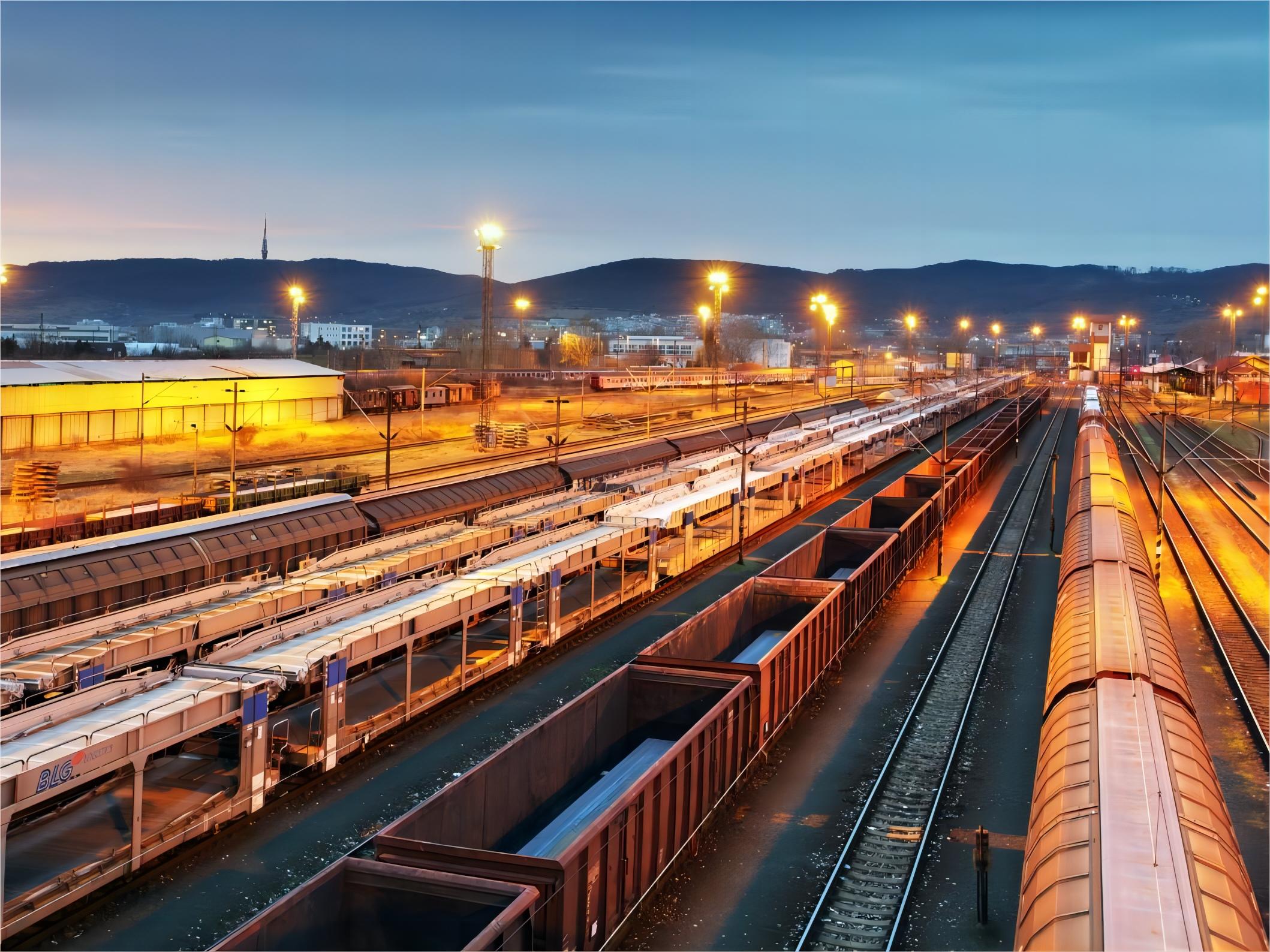
Many textile businesses now utilize Amazon FBA to reach customers across North America. Shipping textiles to California-based Amazon fulfillment centers requires strict adherence to scheduling and labeling requirements. Any delay at the port can result in missed delivery windows and potential account penalties.
To prevent demurrage for FBA shipments, ensure your forwarder is experienced with Amazon’s CARP system. This allows for seamless coordination between the port drayage and the final delivery to the warehouse. Moreover, using a 20GP container for FBA allows for easier handling and faster unloading compared to larger 40HQ units in some facilities.
Additionally, consider using a prep warehouse near the port if you anticipate delays in Amazon’s receiving capacity. Storing the goods at a local facility is often much cheaper than paying daily demurrage fees at the terminal. This hybrid strategy offers flexibility and protects your inventory flow during busy periods.
Mastering Textile Logistics from China to California
Successfully managing 20GP FCL demurrage prevention for textiles from China to California requires a combination of early planning, expert partnerships, and constant monitoring. By understanding the common pitfalls of port operations and preparing your documentation in advance, you can significantly reduce the risk of expensive delays.
Whether you are shipping raw fabrics or finished apparel, the California ports remain the most efficient gateway for Asian imports. Utilizing the strategies outlined in this guide will help you maintain a competitive edge in the fast-paced textile market. Remember that proactive communication is the most powerful tool in your logistics toolkit.
Ready to streamline your logistics?
Protect your textile business from unnecessary costs by implementing a professional 20GP FCL demurrage prevention for textiles from China to California strategy. Our team of logistics experts is ready to help you optimize your shipping routes and handle all customs complexities. Contact us today for a personalized freight quote and take control of your supply chain. Send Inquiry: https://Top China Freight.com/
Request Quote