

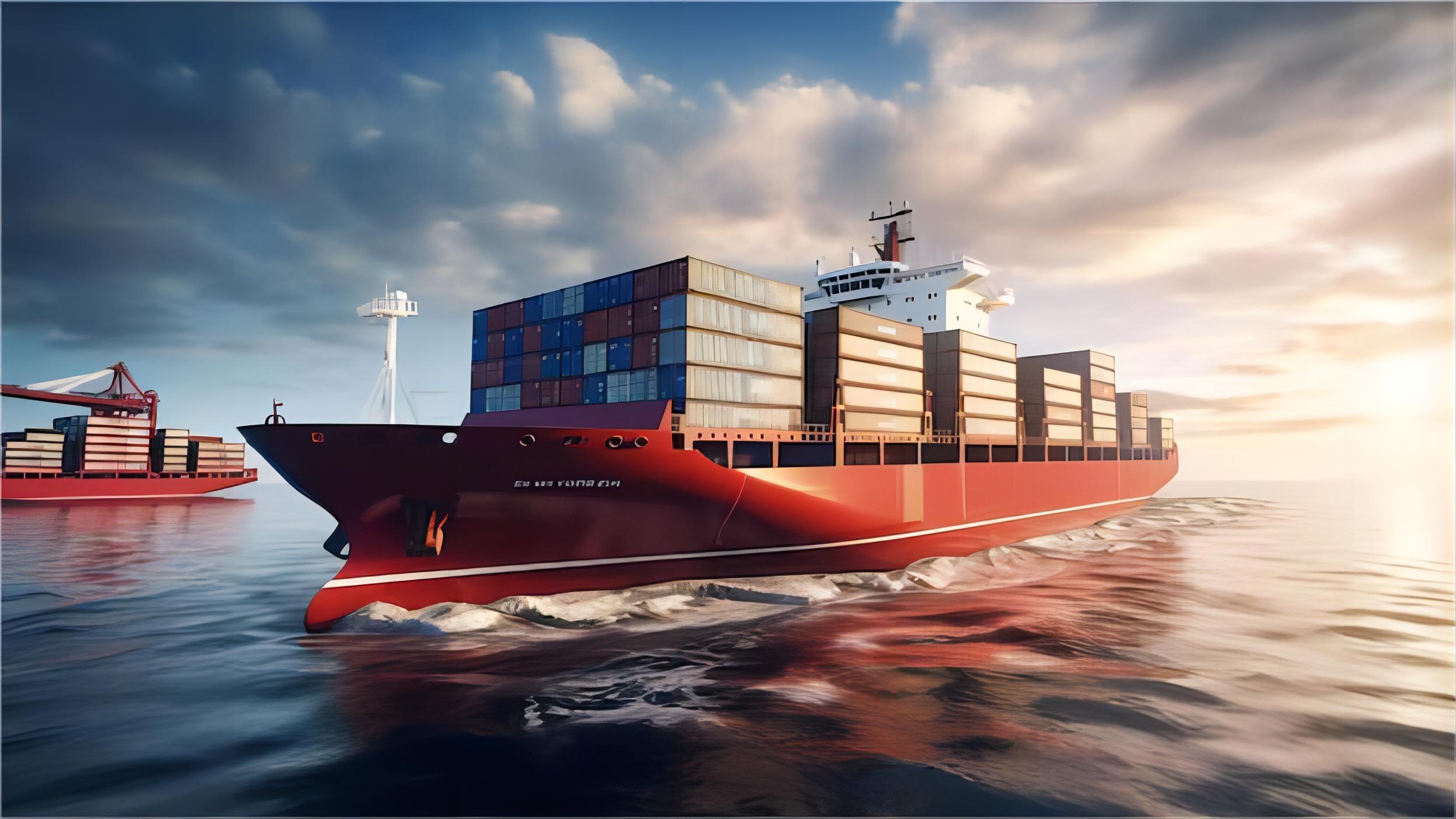
Import Duty When Using Rail Cargo Route China Manufacturing Hubs to Switzerland
Navigating the complexities of import duty when using rail cargo route China manufacturing hubs to Switzerland is essential for modern businesses seeking efficient logistics. As trade between these two economic powerhouses grows, understanding the financial implications of the New Silk Road becomes a competitive advantage. You can rely on Top China Freight to manage these international complexities with professional expertise and reliability.
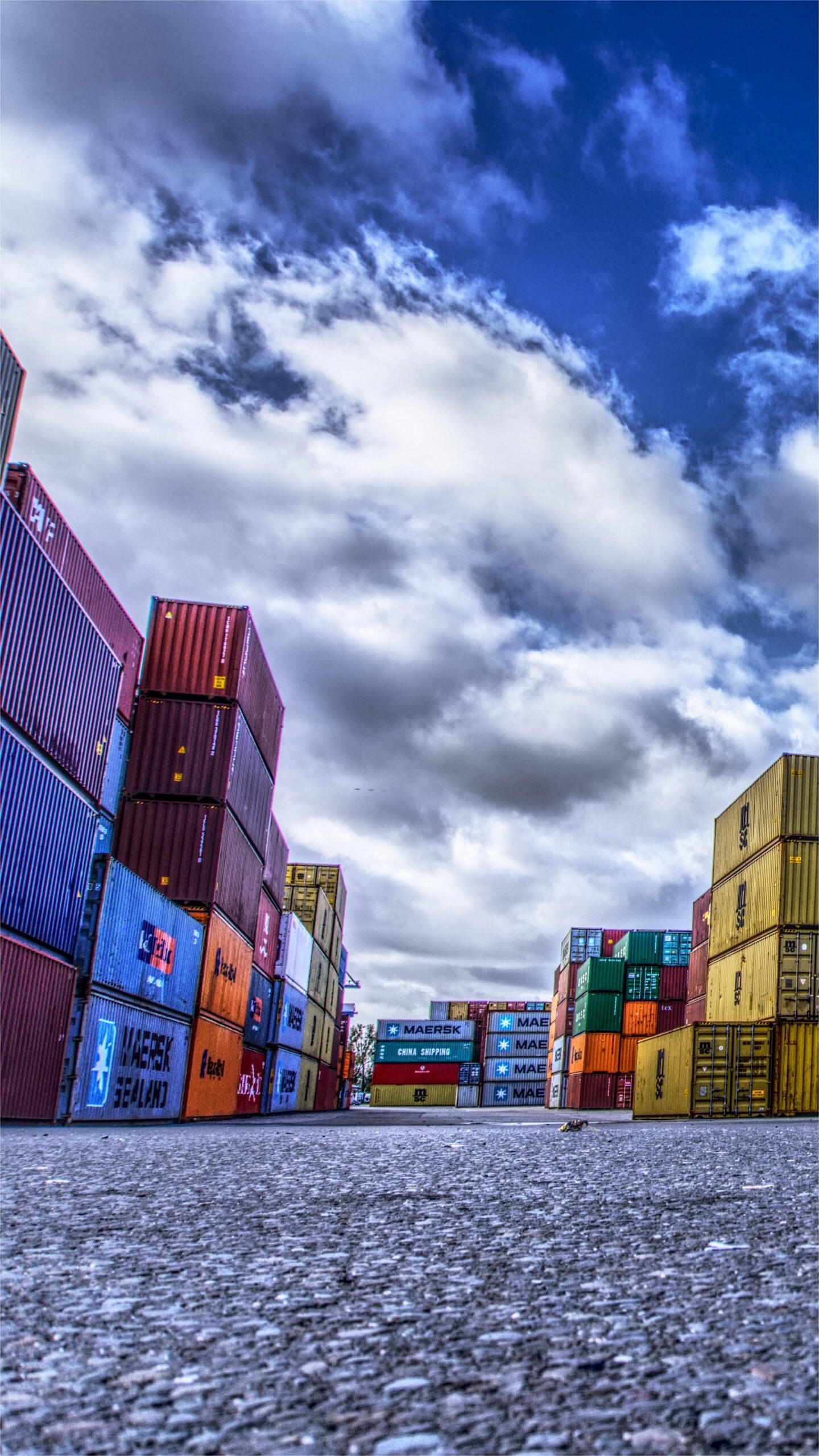
How Does the Rail Cargo Route Connect China and Switzerland?
Rail freight has emerged as a middle-ground solution between slow sea transport and expensive air delivery. Most shipments originate from major manufacturing hubs like Xi’an, Chengdu, Chongqing, and Zhengzhou. These cities serve as the primary departure points for the China-Europe Railway Express.
Consequently, goods travel through Kazakhstan, Russia, and Belarus before entering the European Union and finally reaching Switzerland. This journey typically takes between 15 to 22 days, depending on the specific departure hub and the final destination in Switzerland. Choosing rail freight allows companies to maintain a balanced supply chain with predictable schedules.
Moreover, the infrastructure at these Chinese hubs is designed for high-volume container handling. This ensures that cargo moves efficiently from the factory floor to the rail terminal. Indeed, the stability of rail transport makes it an attractive option for high-value industrial goods and consumer electronics.
What Are the Current Swiss Import Duty Regulations for Chinese Goods?
Switzerland recently implemented significant changes to its customs policy that impact international trade. As of January 1, 2024, Switzerland abolished import duties on almost all industrial products. This move aims to reduce the high-price island effect and lower costs for both consumers and manufacturers.
However, this does not mean that all imports are free of charge or oversight. You must still navigate the complexities of VAT and specific duties on agricultural products or luxury items. Utilizing a professional customs brokerage service is vital to ensure compliance with these updated regulations.
Furthermore, the Free Trade Agreement (FTA) between Switzerland and China remains a cornerstone of their bilateral trade. This agreement provides preferential treatment for many goods, provided that the rules of origin are strictly followed. Therefore, maintaining accurate documentation is more important than ever to avoid unnecessary delays at the border.
How Is VAT and Import Duty Calculated for Rail Shipments?
While industrial duties are largely gone, Value Added Tax (VAT) remains a primary cost factor. The standard Swiss VAT rate is 8.1 percent as of 2024, which applies to most imported goods. A reduced rate of 2.6 percent applies to certain categories like food, medicines, and books.
To calculate the total landed cost, you must include the value of the goods, the shipping costs, and the insurance. This total is known as the CIF (Cost, Insurance, and Freight) value. Additionally, some specific goods may be subject to consumption taxes or environmental levies regardless of the general duty abolition.

For example, if you are importing electronics with a CIF value of 10,000 CHF, the VAT would be 810 CHF. Meanwhile, administrative fees and handling charges at the rail terminal will also contribute to the final price. Accordingly, budgeting for these hidden costs is essential for accurate financial planning.
| Notes | Applicability | Cost Category | Rate/Percentage |
| Notes | Applicability | Cost Category | Rate/Percentage |
| Notes | Applicability | Cost Category | Rate/Percentage |
| Notes | Applicability | Cost Category | Rate/Percentage |
How Does Rail Cargo Compare to Other Shipping Options?
When deciding on a shipping method, you must weigh the trade-offs between speed, cost, and reliability. While sea freight is the most economical for massive volumes, it can take up to 45 days to reach Switzerland via European ports. In contrast, air freight offers unmatched speed but comes with a significantly higher price tag.
Rail freight occupies the sweet spot in the middle, offering faster transit times than the ocean and lower costs than the air. For many manufacturing hubs in inland China, the rail route is also geographically more logical than trucking goods to a distant coastal seaport. Consequently, rail has become a preferred choice for seasonal goods and automotive parts.
Without a doubt, each method has its own set of limitations. Sea freight is prone to port congestion, while air freight is limited by weight and volume restrictions. Rail cargo provides a consistent alternative that bypasses the maritime bottlenecks often found in the Suez Canal or major European ports.
| Best For | Cost Range | Limitations | Transit Time | Shipping Method |
| Best For | Cost Range | Limitations | Transit Time | Shipping Method |
| Best For | Cost Range | Limitations | Transit Time | Shipping Method |
Case Study 1: Electronics from Xi’an to Zurich
Case Study 1: High-Tech Components Distribution
Route: Xi’an, China to Zurich, Switzerland. Cargo: Electronic circuit boards, 12 CBM, 2,500 kg. Container: LCL (Less than Container Load).
Shipping Details: Carrier: China Railway Express. Port of Loading: Xi’an International Port. Port of Discharge: Duisburg Terminal (On-carriage to Zurich). Route Type: Direct Rail via Poland.
Cost Breakdown: Rail Freight: $2,800. Origin Charges: $450. Destination Charges: $600. Customs and Duties (VAT 8.1%): $1,458. Total Landed Cost: $5,308. Timeline: Booking to Loading: 3 days. Rail Transit: 18 days. Customs Clearance: 2 days. Total Door-to-Door: 23 days.
Key Insight: Using rail from an inland hub like Xi’an saved the client 12 days compared to sea freight, while keeping costs 60% lower than air freight.
Case Study 2: Industrial Machinery from Chengdu to Basel
Case Study 2: Precision Manufacturing Equipment
Route: Chengdu, China to Basel, Switzerland. Cargo: CNC Machine parts, 28 CBM, 8,000 kg. Container: 40GP Full Container Load.
Shipping Details: Carrier: Major Rail Operator. Port of Loading: Chengdu Qingbaijiang. Port of Discharge: Hamburg (On-carriage via rail to Basel). Route Type: Transshipment via Kazakhstan.
Cost Breakdown: Rail Freight: $5,200. Origin Charges: $700. Destination Charges: $950. Customs and Duties: $0 (Industrial duty abolition). Total Landed Cost: $6,850. Timeline: Booking to Loading: 5 days. Rail Transit: 20 days. Customs Clearance: 1 day. Total Door-to-Door: 26 days.
Key Insight: The abolition of industrial duties in Switzerland significantly lowered the total landed cost for this machinery shipment.
Which Option Should You Choose for Your Shipments?
Selecting the right shipping strategy depends on your specific business priorities and cargo characteristics. If budget is your primary concern and you have ample lead time, sea freight remains the most cost-effective choice for large volumes. However, for shipments that require a faster turnaround without the extreme cost of air, rail is the clear winner.
Speed priority often dictates the use of air or express services, especially for perishable items or urgent replacements. On the other hand, for high-value industrial goods coming from inland China, rail offers the best balance of safety and speed. Indeed, the door to door rail service minimizes handling and reduces the risk of damage.
Furthermore, consider the volume of your cargo. Small shipments benefit from LCL rail options, which allow you to pay only for the space you use. Large-scale operations may prefer FCL (Full Container Load) to ensure maximum security and efficiency. Ultimately, a hybrid approach using different methods for different product lines often yields the best supply chain results.
What Documents Are Required for Customs Clearance?
Accurate documentation is the foundation of a smooth customs clearance process when importing into Switzerland. You must provide a commercial invoice that clearly states the value, currency, and description of the goods. Additionally, a detailed packing list is required to verify the contents of each container.
The Bill of Lading (or Waybill for rail) serves as the contract of carriage and proof of ownership. For goods benefiting from the FTA, a Certificate of Origin is mandatory to claim duty-free or preferential status. Moreover, ensure that the HS codes (Harmonized System) are correctly assigned to avoid misclassification and potential fines.
For instance, missing or incorrect paperwork can lead to expensive storage fees at the rail terminal. Consequently, double-checking all documents before the cargo leaves the Chinese manufacturing hub is a critical step. In addition, some specialized items might require import permits or certificates of conformity with Swiss technical standards.
| Format | Purpose | Required By | Document Name |
| Format | Purpose | Required By | Document Name |
| Format | Purpose | Required By | Document Name |
| Format | Purpose | Required By | Document Name |
Navigating the Future of China-Switzerland Rail Trade
To summarize, understanding the nuances of import duty when using rail cargo route China manufacturing hubs to Switzerland is vital for any business involved in this trade lane. While the abolition of industrial duties has simplified the process, VAT and proper documentation remain critical factors in your total logistics cost.
By leveraging the speed of rail freight and the expertise of professional logistics partners, you can ensure your goods arrive on time and within budget. Stay informed about the latest regulatory changes and market trends to maintain a competitive edge in the evolving global marketplace.
Ready to streamline your logistics?
Are you ready to optimize your supply chain and manage import duty when using rail cargo route China manufacturing hubs to Switzerland efficiently? Contact our team today for a personalized quote and expert guidance on your next shipment. Send Inquiry: info@Top China Freight.com
Request Quote