

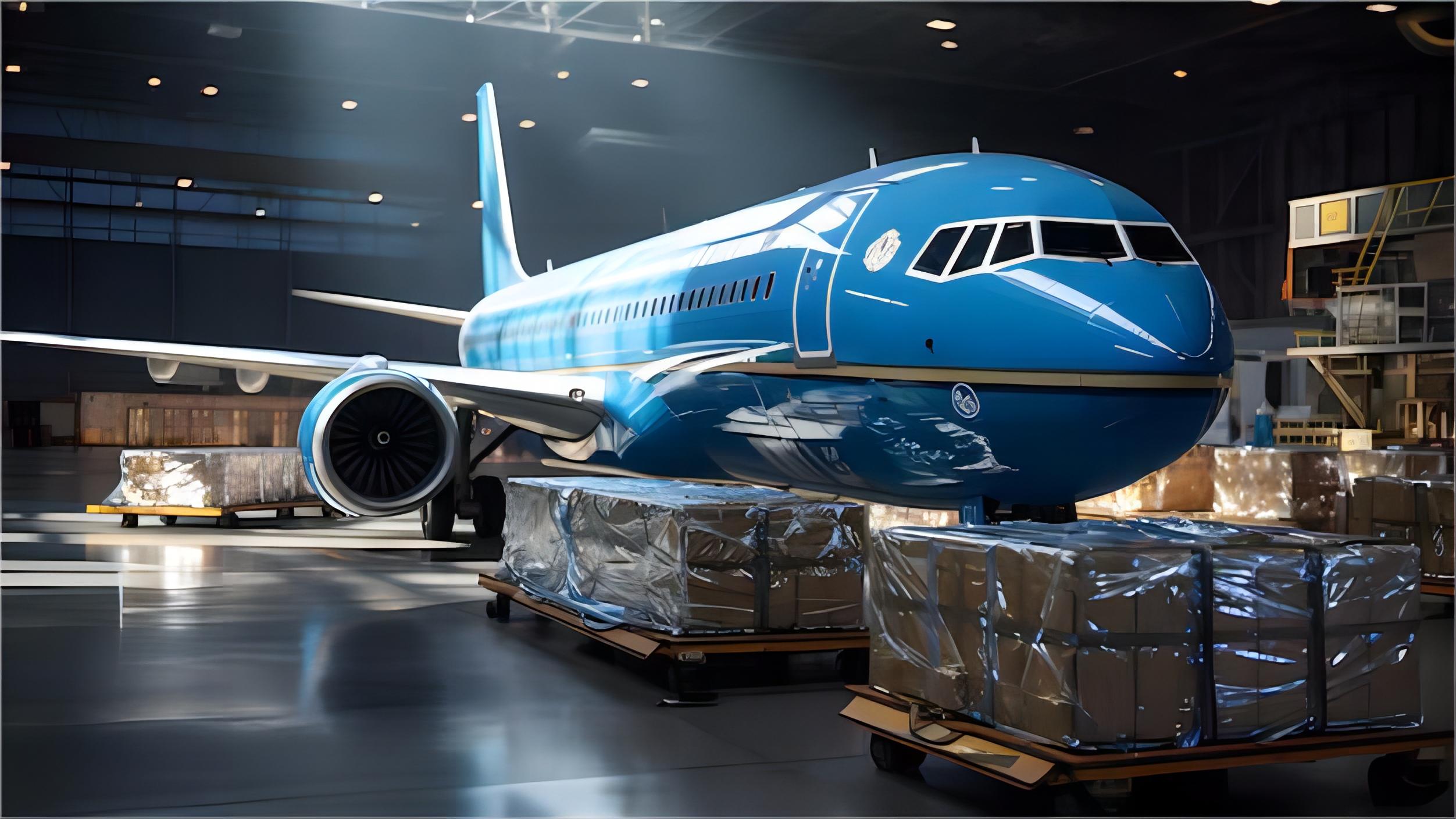
20GP FCL Shipping Cost for Hardware Tools from China to Germany
Calculating the 20GP FCL shipping cost for hardware tools from China to Germany requires a comprehensive understanding of current market dynamics and logistics variables. Importers often face challenges with fluctuating container rates and complex customs regulations that can impact the final landed cost of their goods. By partnering with a reliable freight forwarder like Top China Freight, businesses can optimize their supply chain and secure competitive pricing for their industrial shipments. This guide provides a detailed breakdown of expenses, transit times, and strategic alternatives to help you manage your hardware tool imports effectively.
Why 20GP FCL is Ideal for Hardware Tool Shipments
Hardware tools including wrenches, power drills, and heavy-duty hammers possess high density and significant weight. Selecting sea freight with a 20GP container allows importers to maximize weight capacity without paying for unused volume. Consequently, this method remains the most cost-effective solution for dense industrial products that do not require the massive volume of a 40HQ container.
Furthermore, a 20ft General Purpose container provides a secure environment for heavy metal goods. These containers protect tools from moisture and physical damage during the long journey across the ocean. Most manufacturers in China prefer this size because it simplifies loading processes and fits perfectly onto standard transport trucks.

Current 20GP FCL Shipping Cost for Hardware Tools from China to Germany
Market rates for a 20GP container from major Chinese ports like Ningbo or Shanghai to Hamburg typically range between 1,800 USD and 2,500 USD as of early 2025. These prices fluctuate based on fuel surcharges, seasonal demand, and carrier availability. For instance, rates often peak during the months leading up to the holiday season or after the Lunar New Year.
Specifically, the total cost involves more than just the ocean freight rate. Importers must account for origin charges, terminal handling fees, and documentation costs. Additionally, the heavy weight of hardware tools might trigger overweight surcharges if the cargo exceeds 18 to 20 tons in a single 20GP unit.
Note: Freight rates are subject to change based on fuel costs, carrier capacity, and seasonal demand. Contact us for a current quote tailored to your specific shipment.
| Origin Port | Destination Port | Average 20GP Cost | Transit Time |
|---|---|---|---|
| Shanghai | Hamburg | 2,100 – 2,400 USD | 32-35 Days |
| Shenzhen | Bremerhaven | 1,950 – 2,300 USD | 28-32 Days |
| Ningbo | Wilhelmshaven | 2,050 – 2,350 USD | 30-34 Days |
| Qingdao | Hamburg | 2,200 – 2,550 USD | 35-38 Days |
Factors Influencing Your Total Shipping Expenses
Several variables directly impact the final 20GP FCL shipping cost for hardware tools from China to Germany. Fuel prices, officially known as the Bunker Adjustment Factor, represent a significant portion of the total ocean freight. Moreover, port congestion in either China or Europe can lead to unexpected detention and demurrage fees.
Seasonal trends also play a critical role in pricing stability. During the Golden Week in October, vessel space becomes limited, driving prices higher. In contrast, the second quarter usually offers more competitive rates for businesses looking to restock their inventory.
Weight distribution within the container is another essential consideration for hardware. Because tools are heavy, incorrect loading can lead to fines or cargo damage. Therefore, ensuring professional packing at the origin is vital for cost control.
How Does 20GP FCL Compare to Other Shipping Options?
While sea freight is the standard, alternatives like rail freight offer a middle ground between speed and cost. Rail transport from China to Germany takes approximately 18 to 22 days, which is nearly twice as fast as the ocean route. However, the cost for rail is typically 30 to 50 percent higher than a 20GP sea container.
Air freight remains the most expensive choice and is rarely used for entire 20GP volumes of hardware tools due to the extreme cost. It is only suitable for high-value components or urgent replacement parts. Meanwhile, Less than Container Load (LCL) might be cheaper for shipments under 15 cubic meters, but it carries a higher risk of damage for heavy tools.
| Shipping Method | Cost Range | Transit Time | Best For |
|---|---|---|---|
| Sea FCL (20GP) | 1,800 – 2,500 USD | 30-38 Days | Heavy bulk tools |
| Rail Freight | 2,800 – 4,200 USD | 18-22 Days | Urgent heavy cargo |
| Air Freight | 8,000 – 15,000 USD | 5-8 Days | High-value items |
| Sea LCL | 50 – 100 USD/CBM | 35-45 Days | Small tool batches |

Which Option Should You Choose?
Choosing the right method depends on your specific business priorities. If your primary goal is budget optimization, sea freight in a 20GP container is the undisputed winner. This method provides the lowest cost per unit for heavy hardware items.
If speed is the priority due to a stockout in Germany, rail freight provides a reliable alternative. It bypasses the sea routes and delivers goods directly to inland terminals like Duisburg or Munich. For shipments where cargo volume is very low, LCL is the better financial choice despite the longer handling times.
Cargo type also dictates the method. Highly sensitive electronic power tools might benefit from the smoother ride of rail or air, whereas simple hand tools are perfectly suited for the standard ocean journey.
Real-World Case Studies for Hardware Tool Shipments
Case Study 1: Hand Tool Import from Ningbo to Hamburg. A German wholesaler imported 18,000kg of wrenches and screwdrivers. By using a 20GP container, they achieved a total landed cost of 4,150 USD, including all duties and local port fees. The sea transit took 33 days, arriving exactly on schedule for the spring sales season.
Case Study 2: Urgent Power Tool Delivery via Rail. A retailer in Berlin faced a shortage of power drills. They opted for rail freight from Xi’an to Duisburg. Although the freight cost was 3,100 USD compared to 2,200 USD for sea, the goods arrived in 20 days. This allowed the retailer to fulfill backorders and maintain customer loyalty.
Case Study 3: Small Batch Specialty Tools. A boutique hardware store required only 5 CBM of specialized woodworking tools. Instead of a full container, they chose LCL shipping. The total freight cost was only 450 USD, demonstrating that FCL is not always necessary for smaller, high-value inventory needs.
Navigating Customs and Documentation in Germany
German customs authorities maintain strict standards for industrial imports. You must provide a Commercial Invoice, Packing List, and a Bill of Lading. Furthermore, hardware tools often require CE certification to prove they meet European safety standards. Failure to provide these documents can result in costly delays or seizure of the cargo.
Working with a professional customs brokerage service is highly recommended. They ensure that your HS codes are classified correctly, which prevents overpayment of import duties. In Germany, the standard VAT is 19 percent, and duty rates for tools usually range from 0 to 5 percent depending on the specific category.
Strategic Cost-Saving Tips for Importers
Consolidating multiple orders into a single 20GP container is one of the most effective ways to reduce costs. Instead of shipping small batches frequently, wait to fill an entire container. This strategy significantly lowers the freight cost per kilogram of product.
Negotiating Incoterms with your Chinese supplier is also vital. While FOB (Free on Board) is common, using EXW (Ex Works) with a reliable door to door service gives you more control over the logistics chain. This often results in lower total expenses because you avoid the hidden markups often applied by suppliers on shipping.
Finally, book your shipments at least 3-4 weeks in advance. Last-minute bookings often attract premium rates and limited vessel space. Planning ahead allows you to choose the most economical carriers and routes.
Final Thoughts on Shipping Hardware Tools to Germany
Managing the 20GP FCL shipping cost for hardware tools from China to Germany is a balance of planning, timing, and choosing the right partners. While sea freight remains the most economical path for heavy industrial goods, alternatives like rail provide essential flexibility for urgent needs.
By understanding the various cost factors and implementing strategic saving measures, you can maintain healthy profit margins. Always ensure your documentation is flawless to avoid the high costs of European port delays. With the right approach, importing hardware tools can be a streamlined and highly profitable venture for your business.
Ready to streamline your logistics?
Ready to optimize your supply chain and reduce your 20GP FCL shipping cost for hardware tools from China to Germany? Contact Top China Freight today for a transparent, competitive quote and expert logistics support. Visit our website to start your inquiry and secure the best rates for your next shipment.
Request Quote